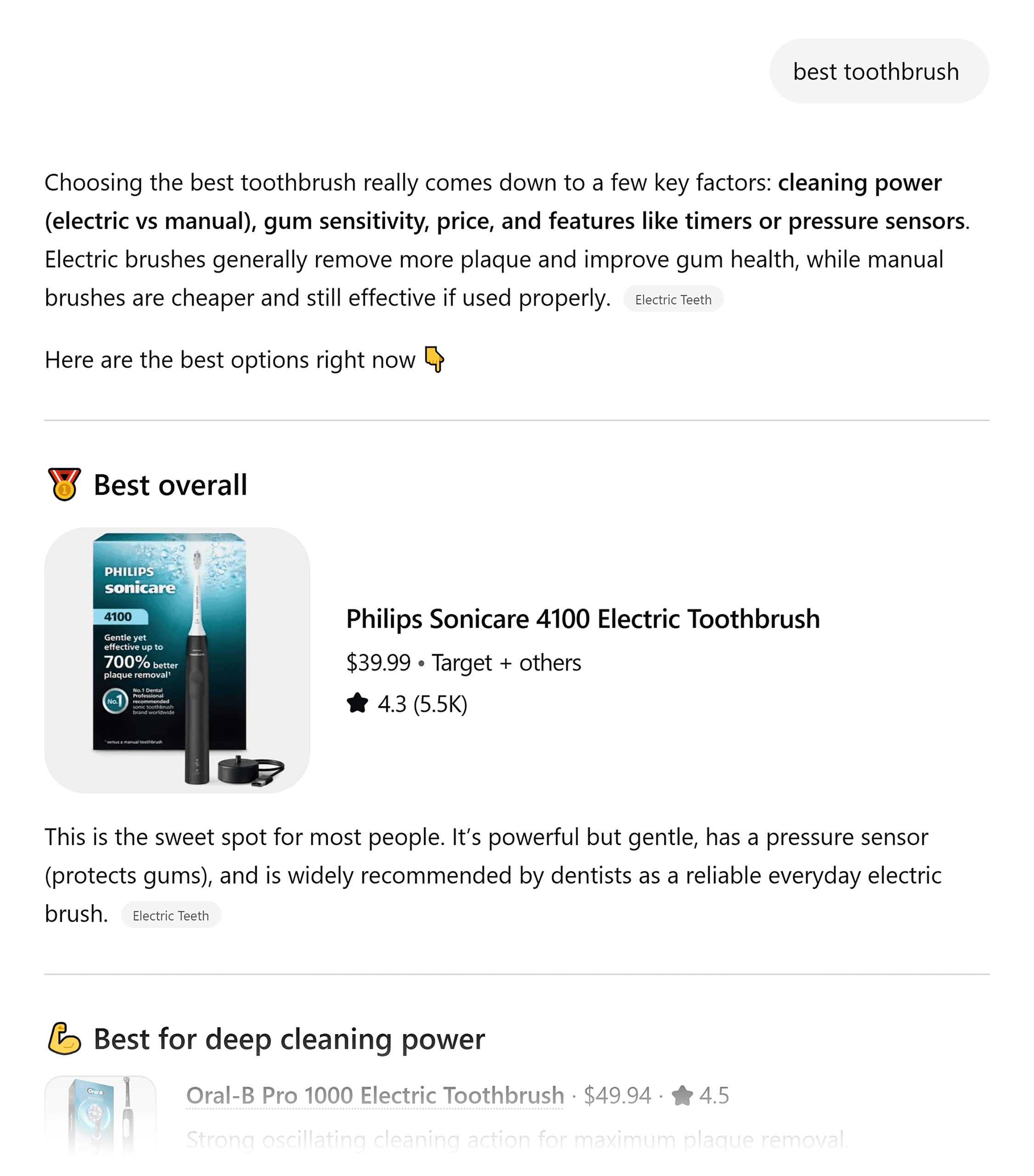
In the traditional era of Search Engine Optimization (SEO), the goal was singular and clear: capture the top spot on the Google results page. If you were in the number one position, you owned the traffic. But today, the rules of the game have fundamentally shifted. A piece of content can hold the "Blue Link" throne on page one and still remain completely invisible to the millions of users querying AI-powered systems like ChatGPT, Perplexity, and Google’s AI Overviews.

The reason for this discrepancy lies in a sophisticated background process known as query fan-out. Understanding this mechanism is no longer optional for digital marketers; it is the new prerequisite for visibility in an AI-first internet.
What Is Query Fan-Out?
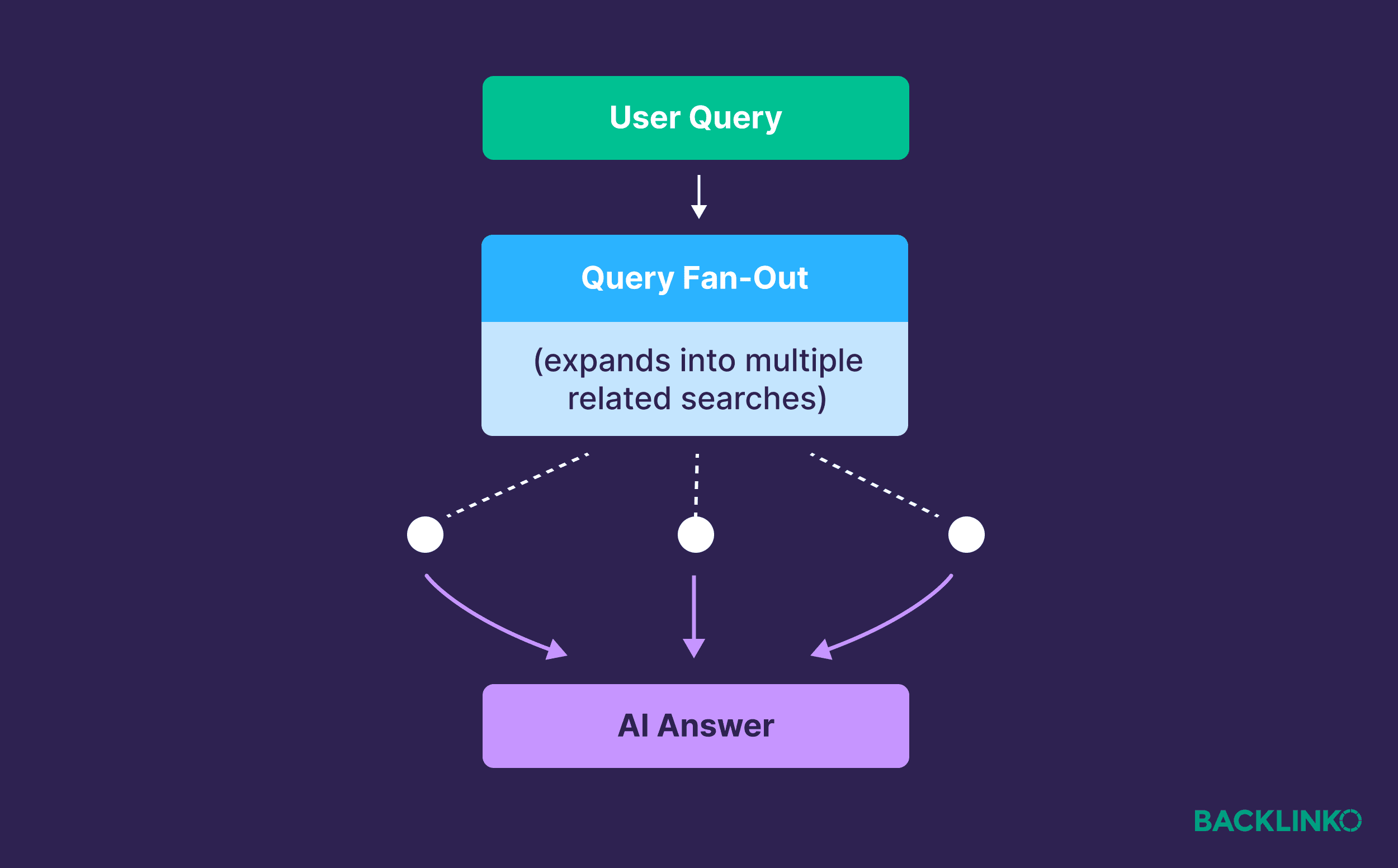
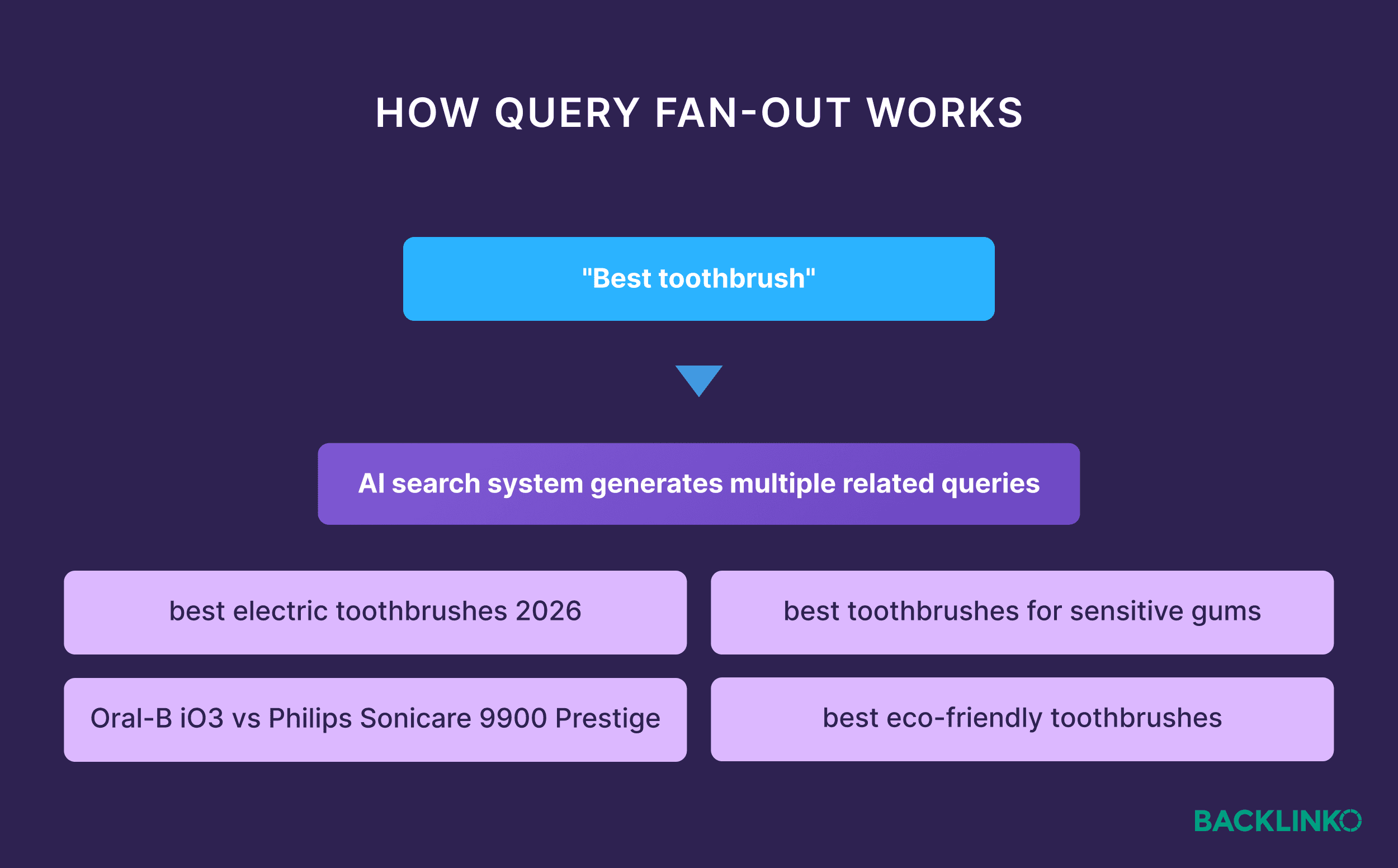
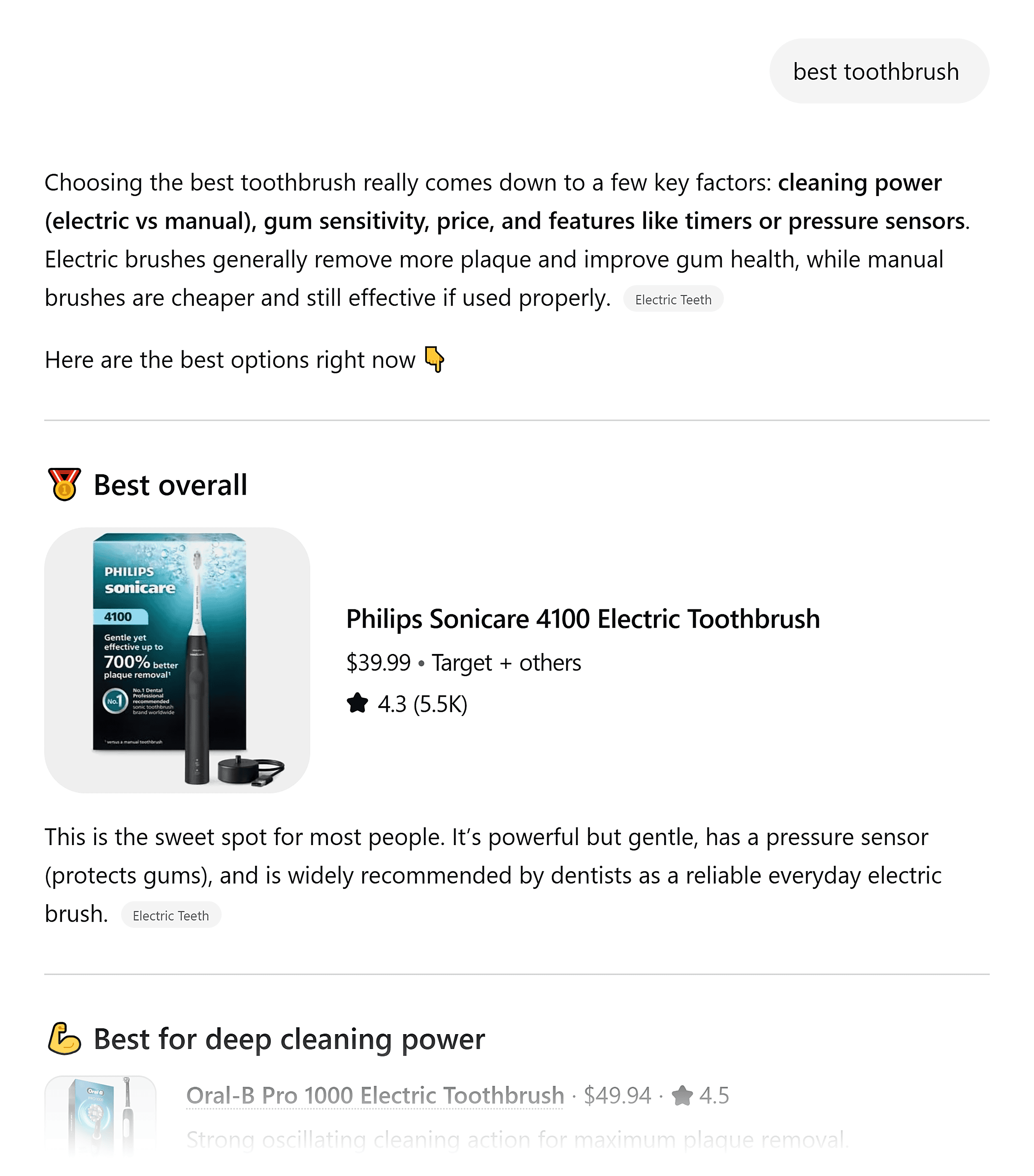
Query fan-out is the "behind-the-scenes" engine that AI search systems use to transform a single, often vague user prompt into a series of nuanced, high-value sub-queries. When a user asks a simple question—like "best toothbrush"—the AI does not merely scan the top-ranking web pages for that keyword. Instead, it "fans out" the request into multiple sub-questions: What are the best electric toothbrushes this year? Which models are best for sensitive gums? How do top brands like Oral-B and Philips Sonicare compare?
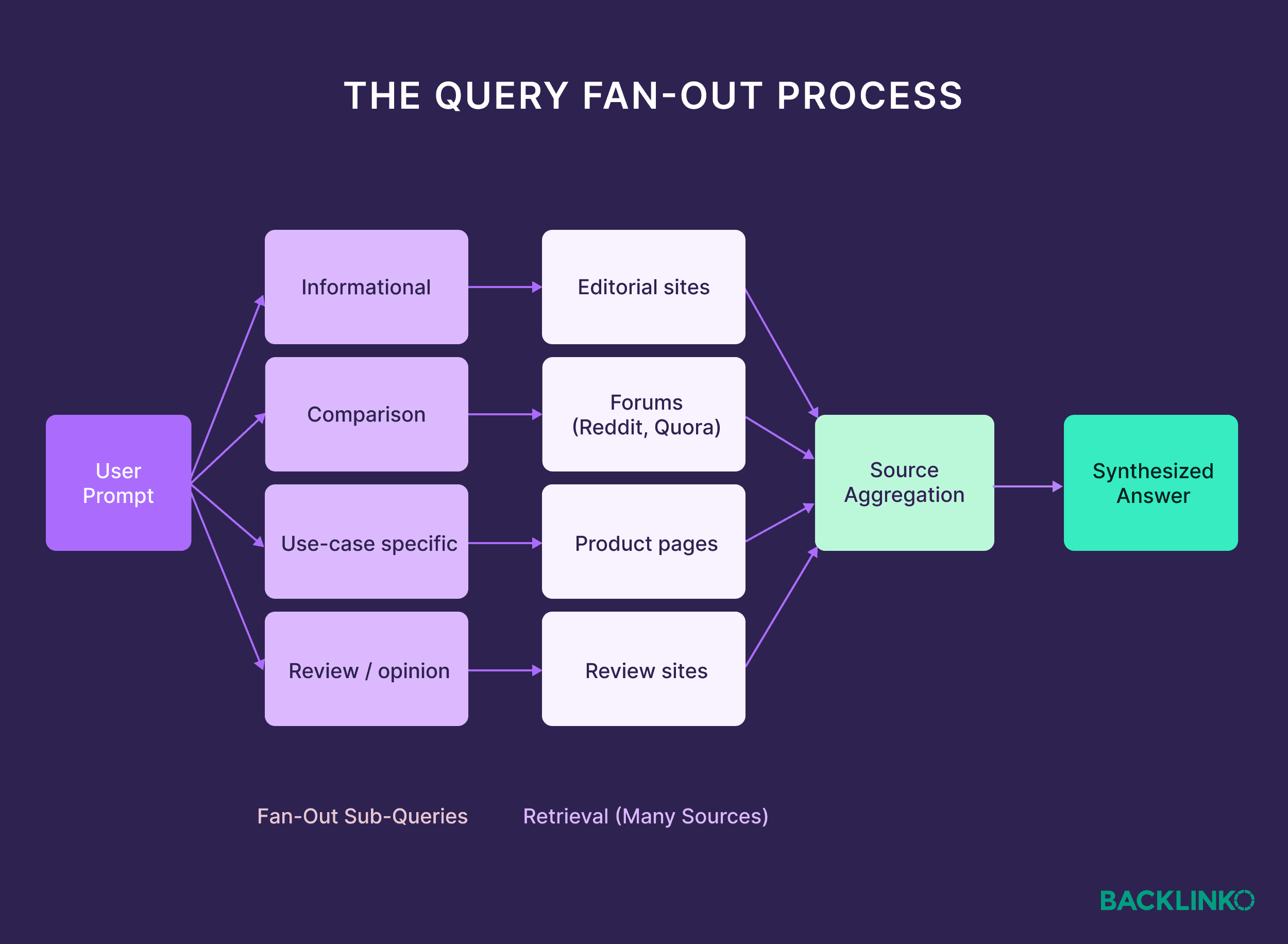
By breaking the initial prompt into these specific sub-queries, the AI can pull disparate, highly relevant data points from across the web—Reddit threads, editorial reviews, technical product specs, and comparison charts—to synthesize a comprehensive, custom-tailored response.
The Anatomy of the Process
To build a "complete" answer, the AI essentially acts as a research assistant. It identifies the gaps in the user’s original, two-word query and fills them with granular detail. For a query like "best toothbrush," the AI might generate a response structure that includes:
| Sub-Query | Contribution to AI Response |
|---|---|
| Best electric toothbrushes | Aggregated consensus and top-rated picks |
| Best for sensitive gums | Niche, use-case specific recommendations |
| Oral-B vs. Philips Sonicare | Direct, head-to-head performance data |
| Eco-friendly options | Value-based and sustainability-focused data |
By addressing these sub-queries, the AI creates an answer that anticipates the user’s needs before they even articulate them. For content creators, this means you are no longer competing for a single keyword; you are competing to be the definitive source for one of the many "fan-out" sub-queries that trigger an AI response.
The Shift: Why Traditional SEO Isn’t Enough
The transition to AI-driven search has created four major shifts that every brand must reconcile:
1. The Death of the "Top-Ranking" Monopoly
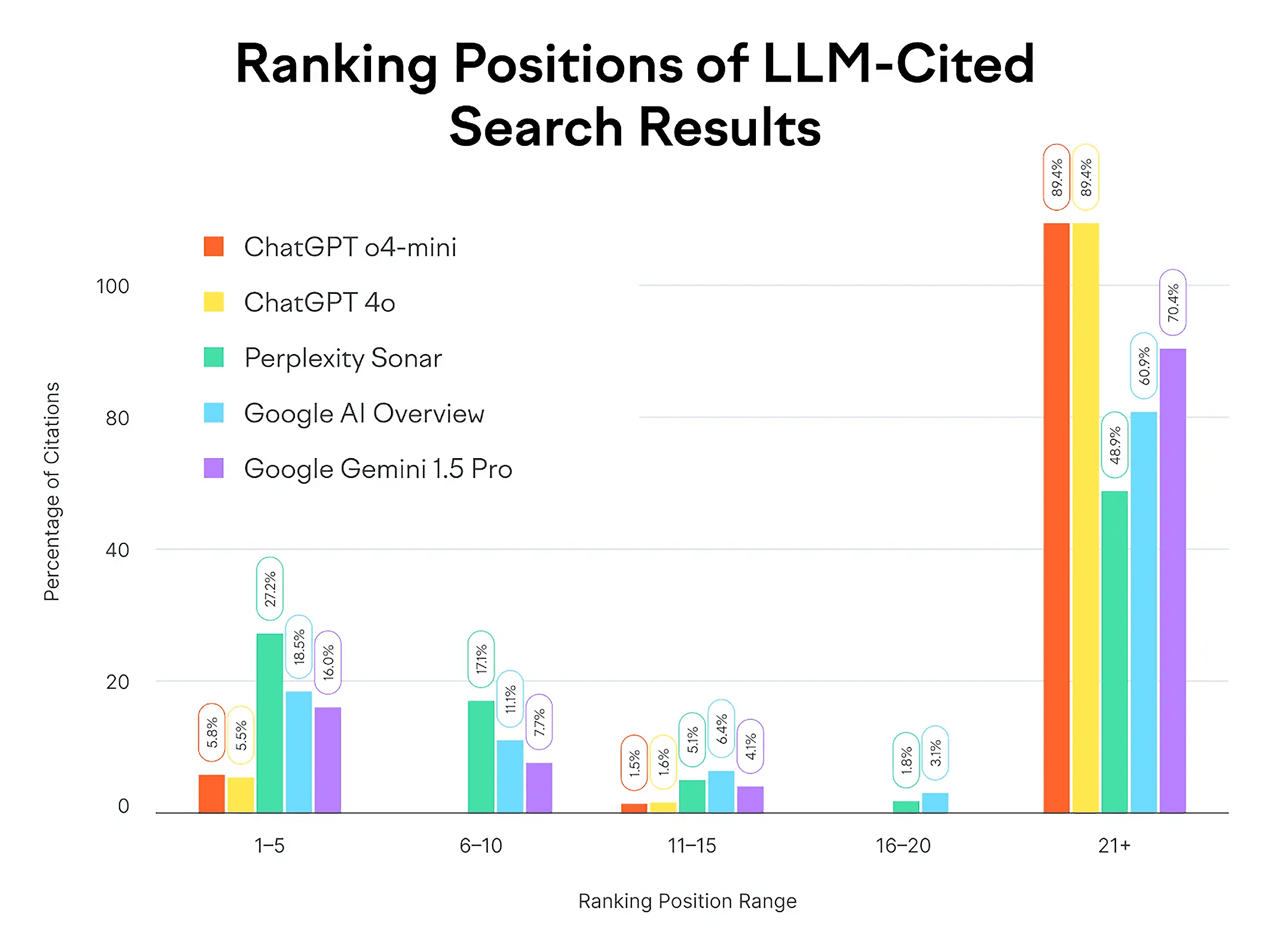
Top-tier rankings in traditional search do not guarantee AI citations. A Semrush study revealed that ChatGPT cites pages ranked in position 21 or lower nearly 90% of the time. AI models prioritize the relevance and completeness of a specific passage over the overall domain authority or link profile of a page. If your page 20 article answers a specific sub-query better than the page 1 article, the AI will pull from you.
2. AI Retrieves Passages, Not Pages
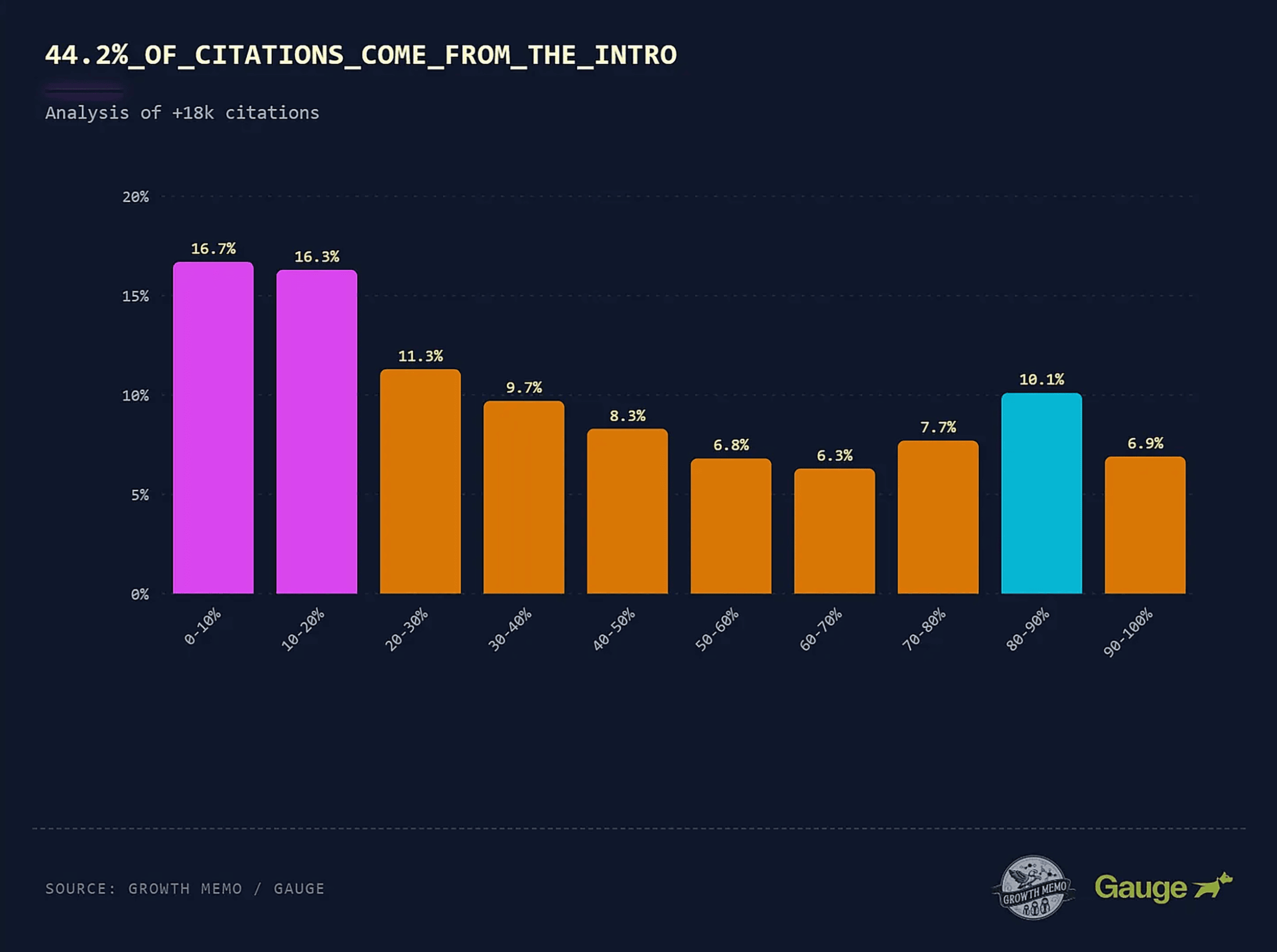
LLMs don’t send users to your landing page; they extract your knowledge. Data analysis from 1.2 million ChatGPT responses by growth advisor Kevin Indig shows that 44.2% of citations are drawn from the first 30% of a page. This implies that "front-loading" your content—answering the user’s core question immediately—is critical.
3. Topic Clusters Over Individual Keywords
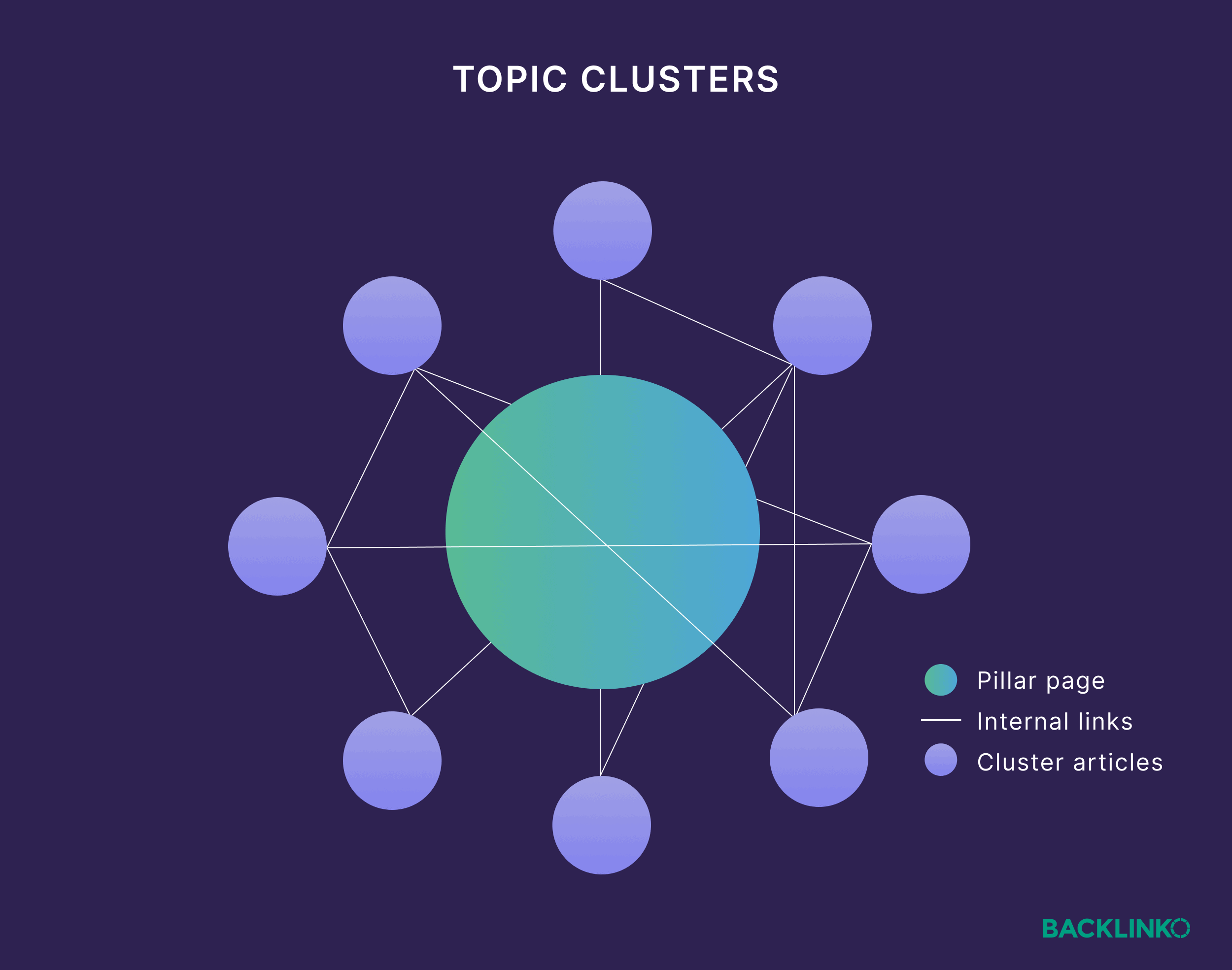
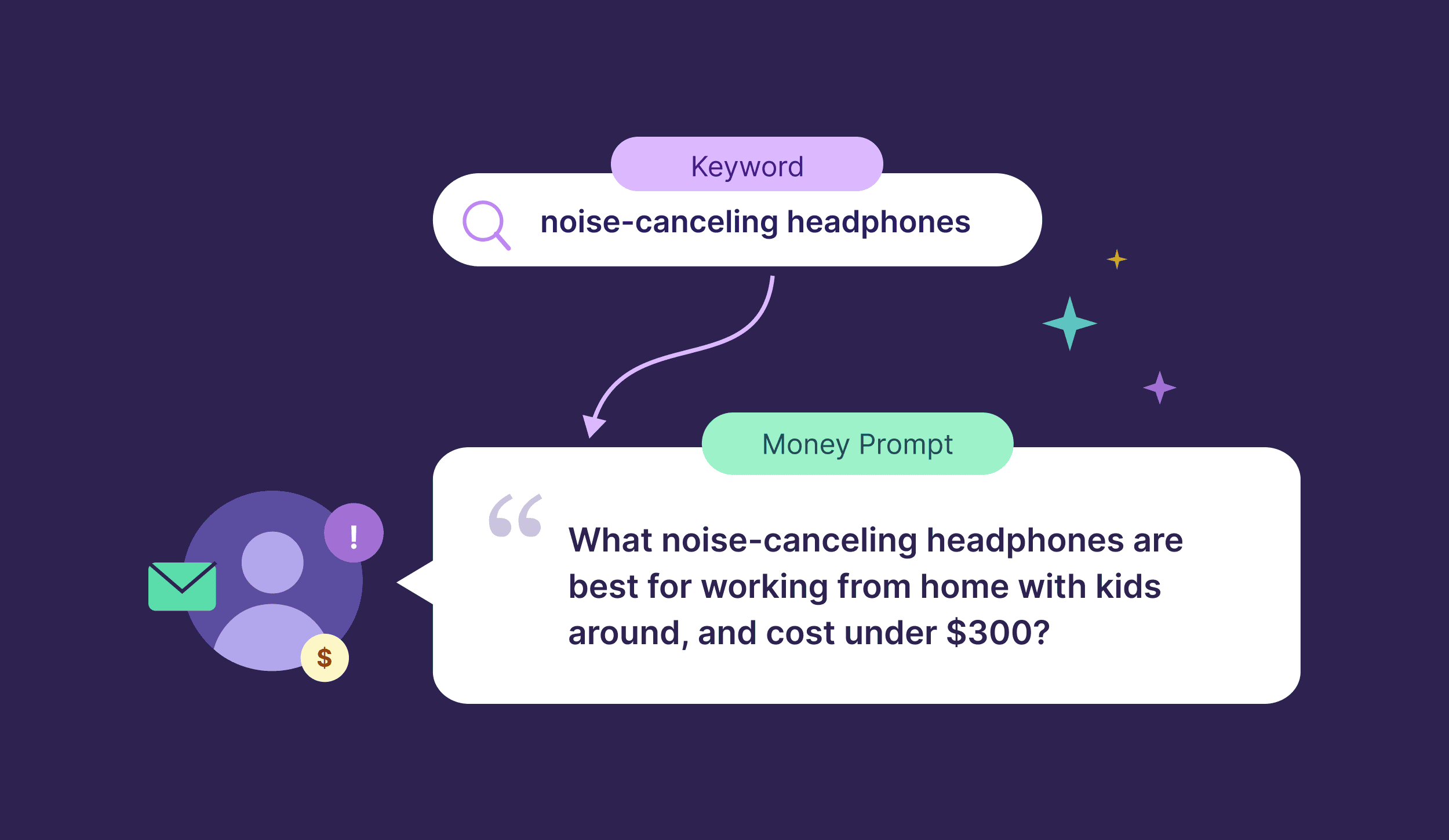
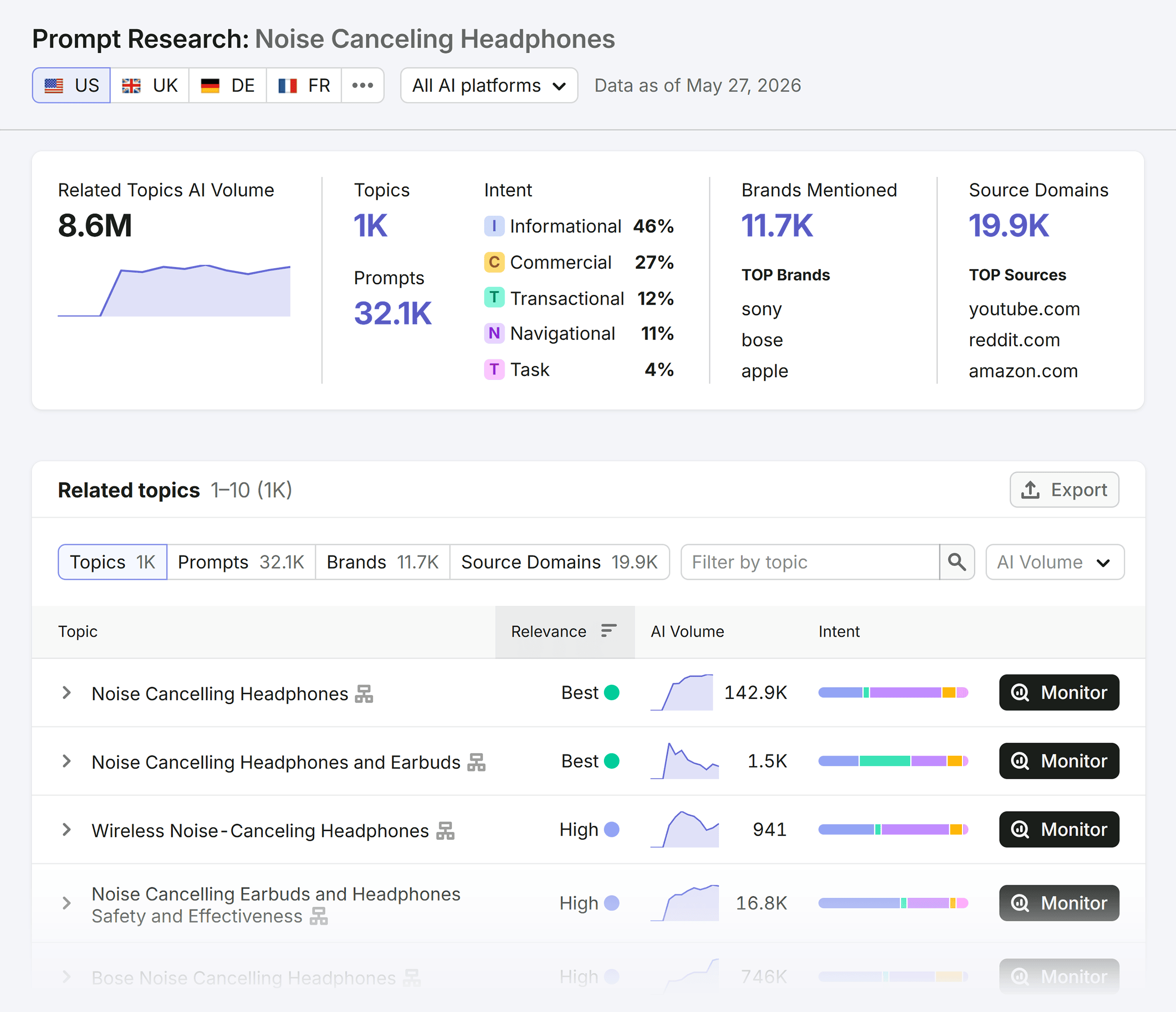
SEO used to be about optimizing for "best noise-canceling headphones." Today, you must own the topic of noise-canceling headphones. Because query fan-out explores related sub-queries, brands that have established broad, well-connected topic clusters—pillar pages linked to deep-dive sub-articles—are far more likely to be cited.
4. Collapsed Buying Journeys
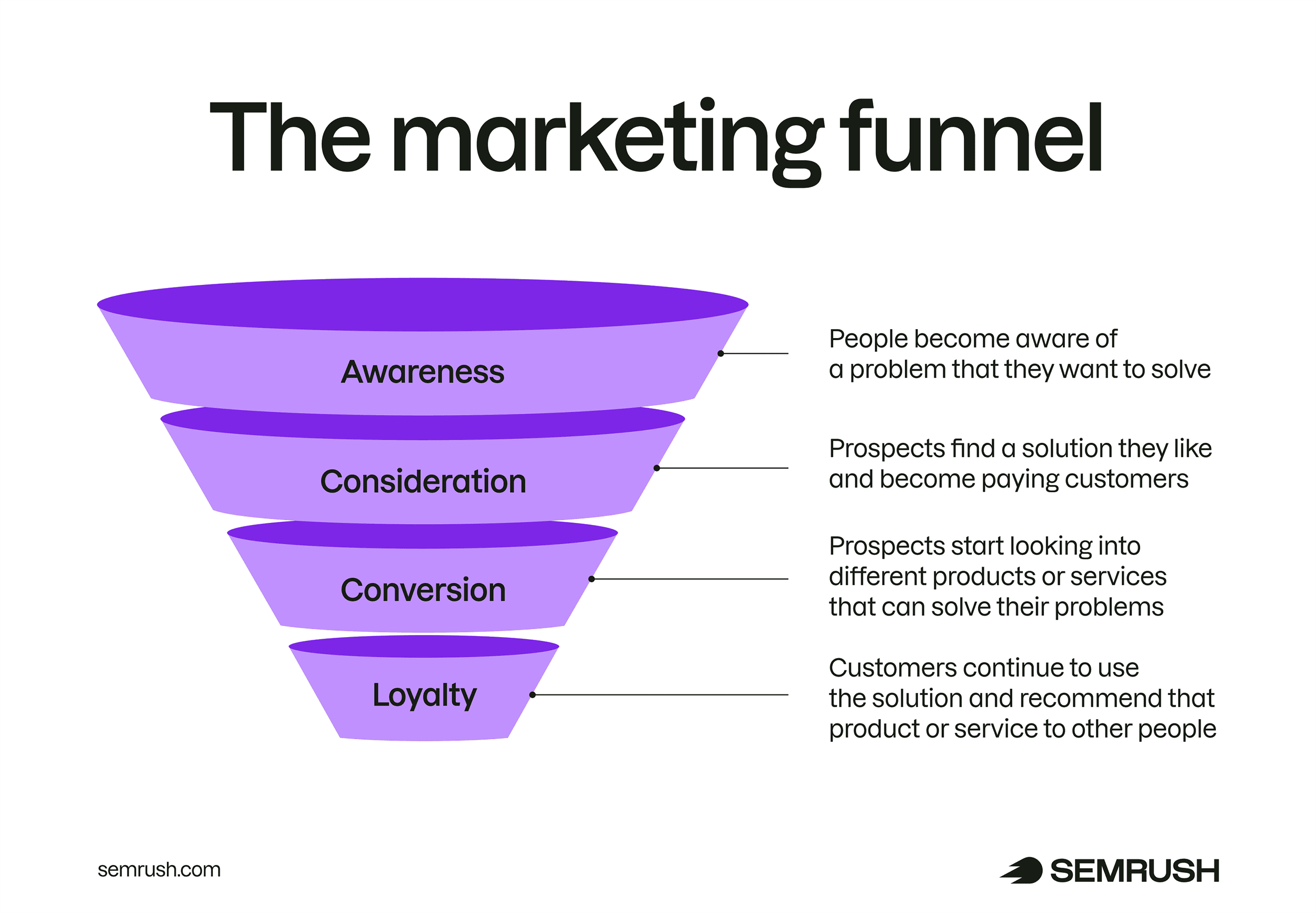
The traditional marketing funnel (Awareness → Consideration → Decision) is effectively dead in AI search. A single high-intent query now triggers an AI to pull in everything from "what is this?" to "which one should I buy?" at once. Your content must address the full spectrum of the journey within a single, cohesive narrative.
The 6-Step Workflow to Earn AI Citations
If you want your brand to show up in AI-generated answers, you must transition from "keyword-centric" content to "prompt-centric" content.
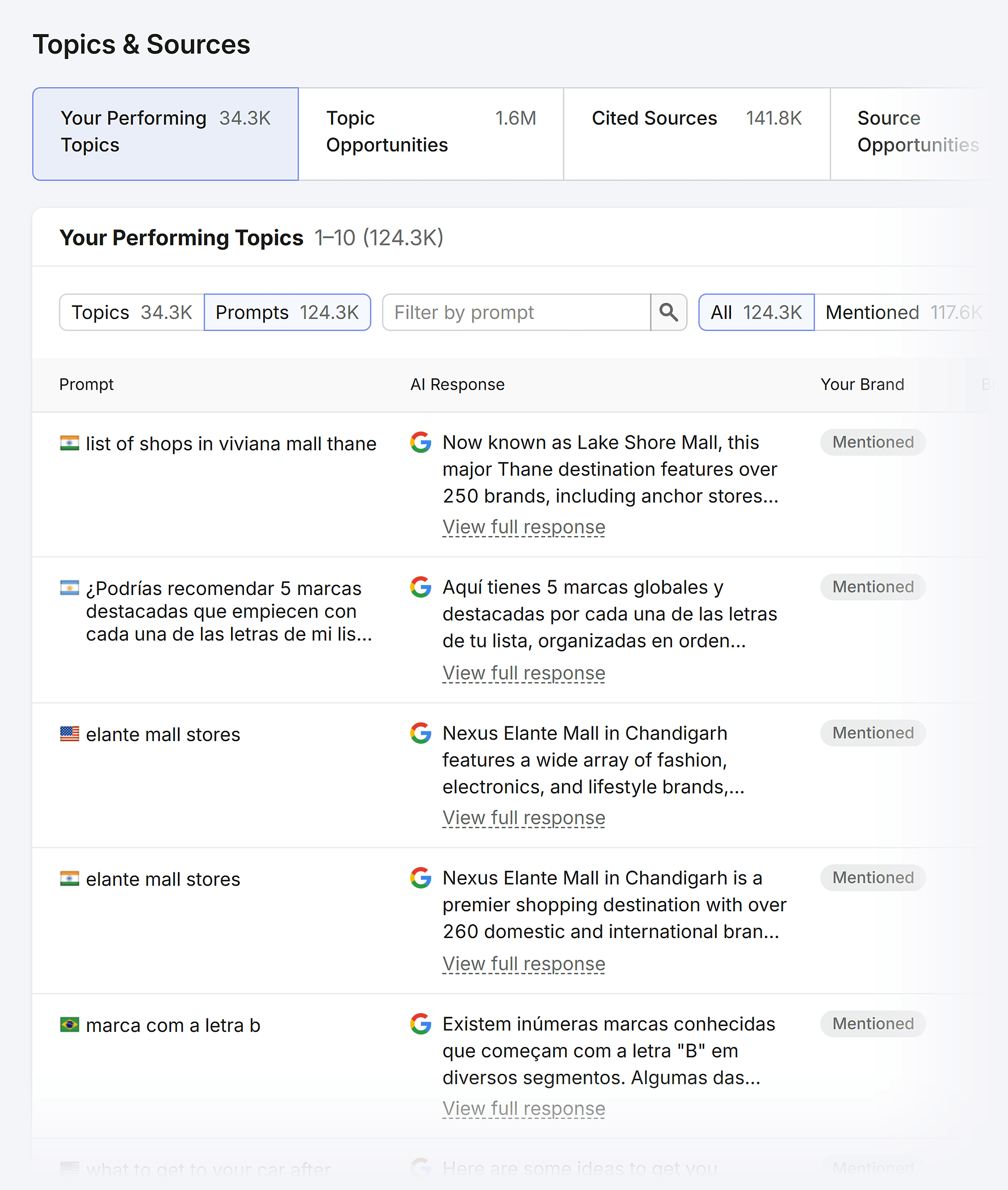
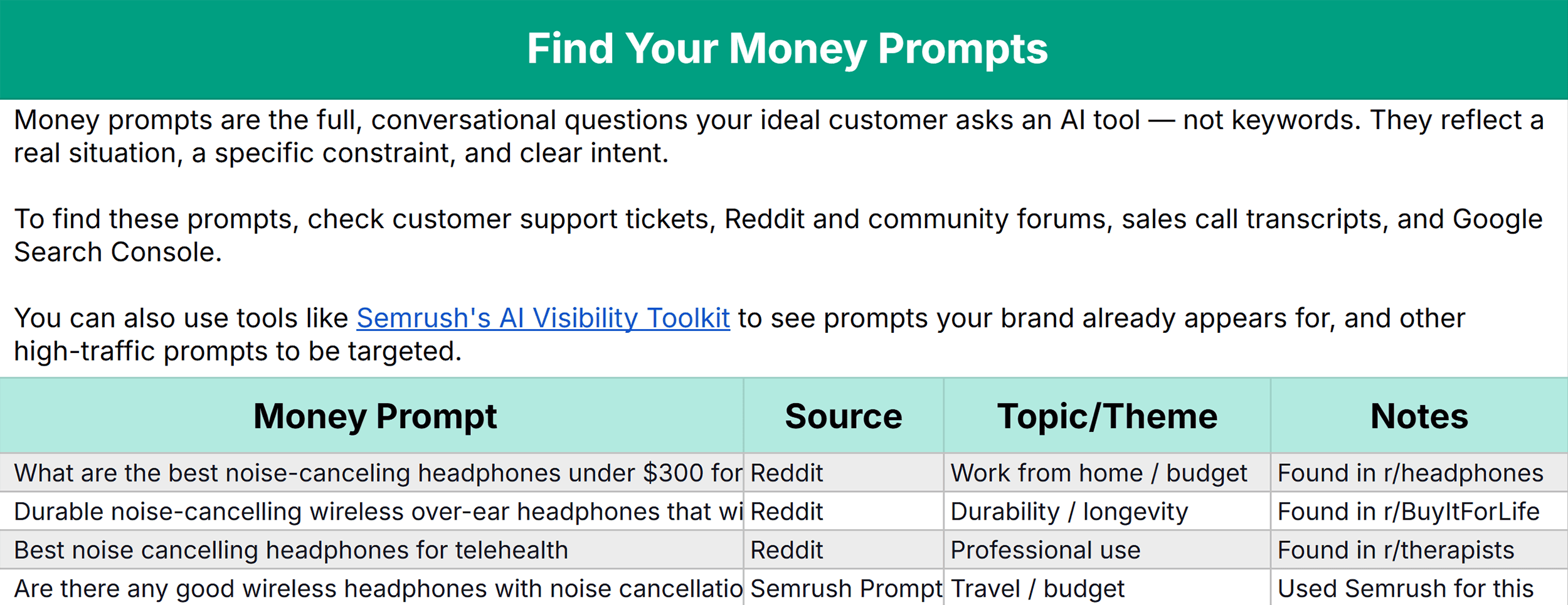
Step 1: Find Your Money Prompts
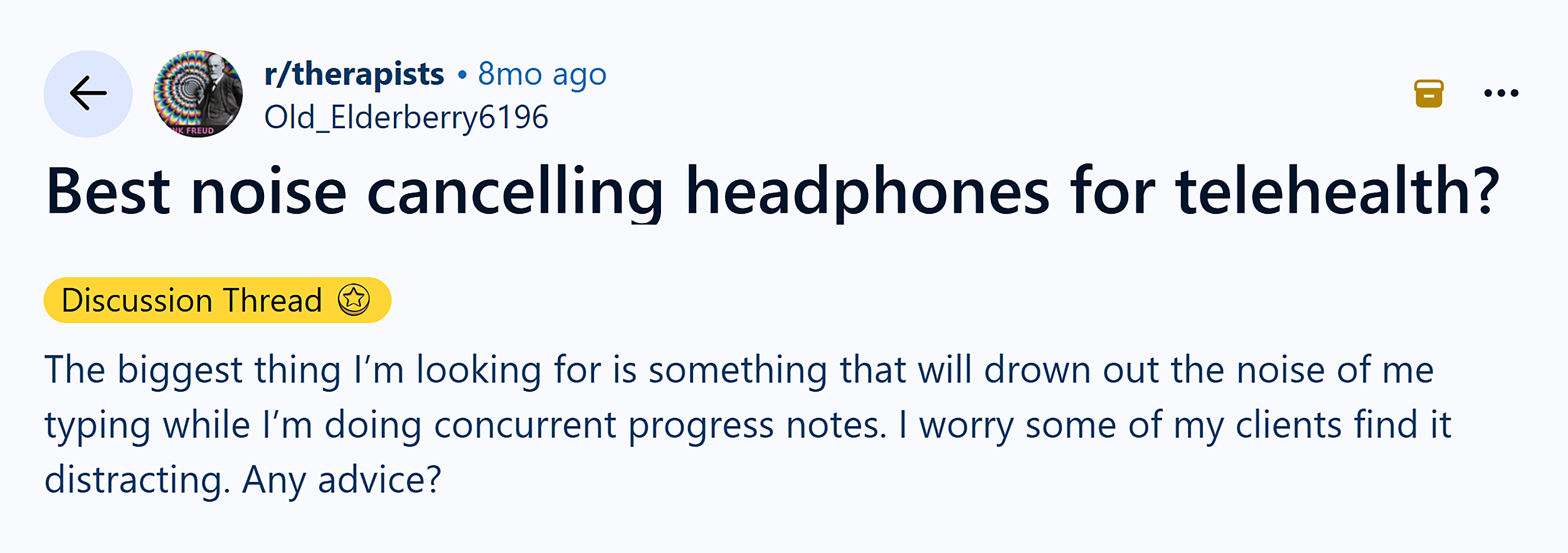
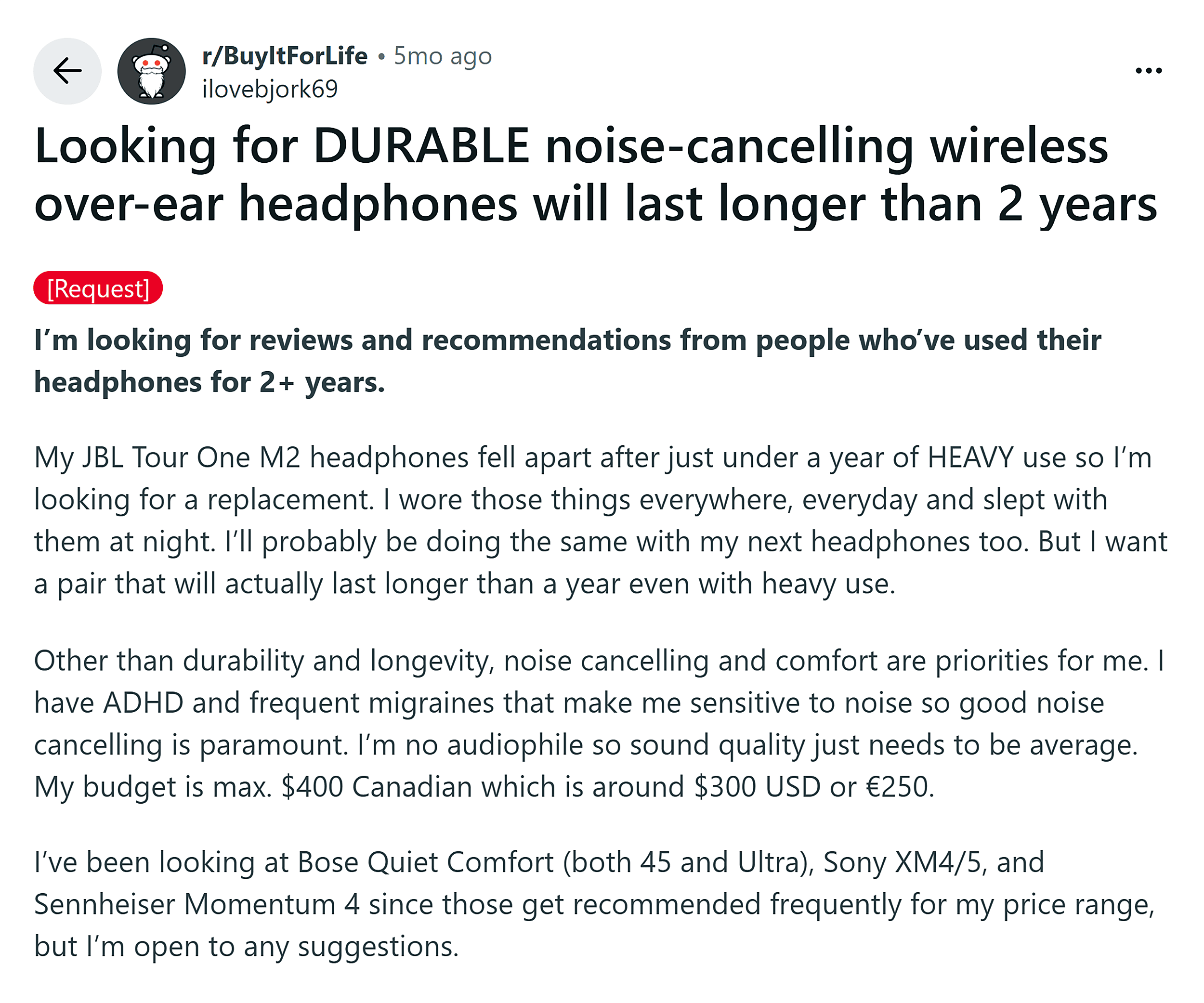
"Money prompts" are the conversational queries your ideal customer uses when they are ready to solve a problem. Unlike keywords, these are long-tail and intent-heavy. Use tools like Semrush’s AI Visibility Toolkit to identify the specific prompts where your brand currently appears (or should appear) in AI answers.
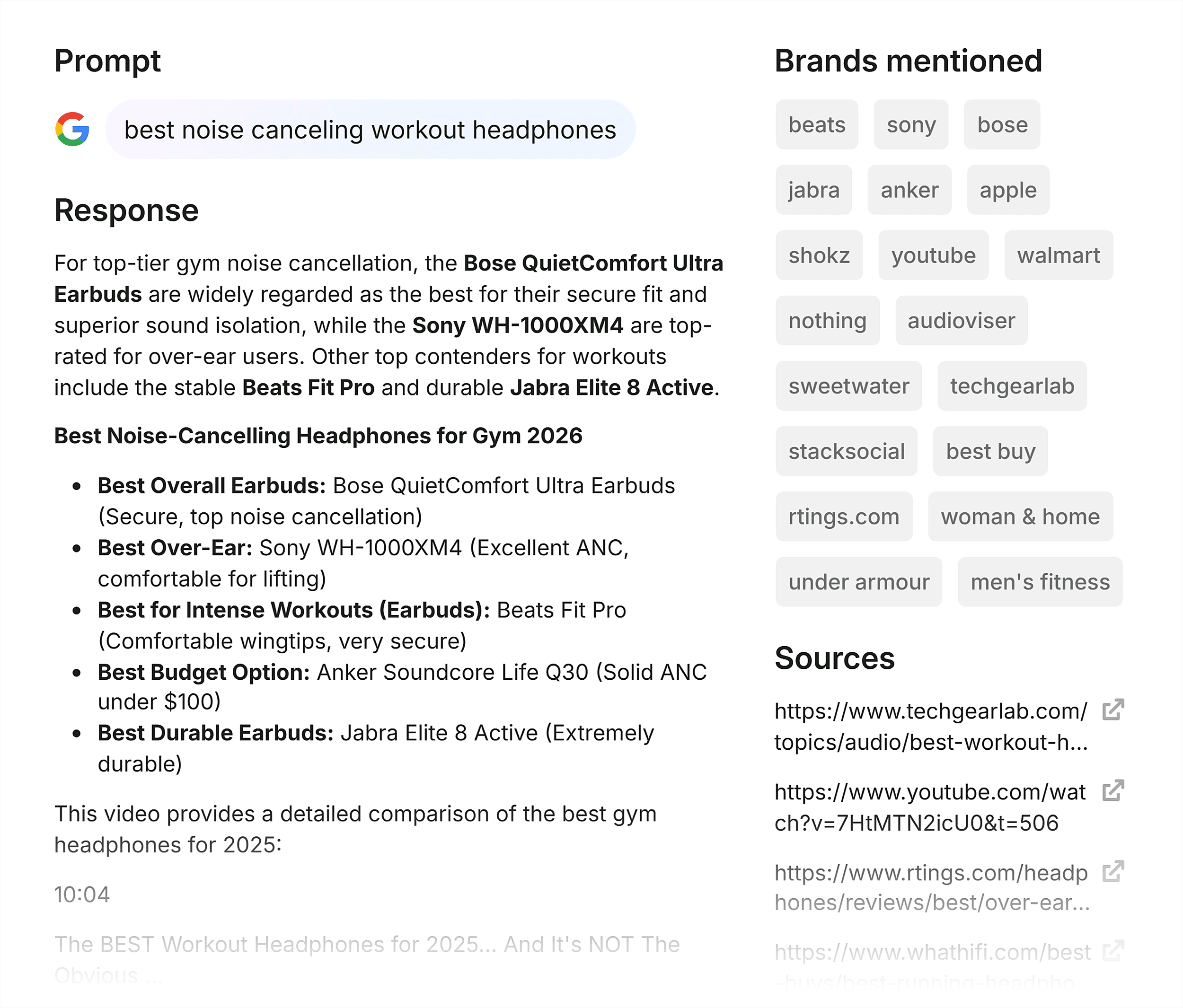
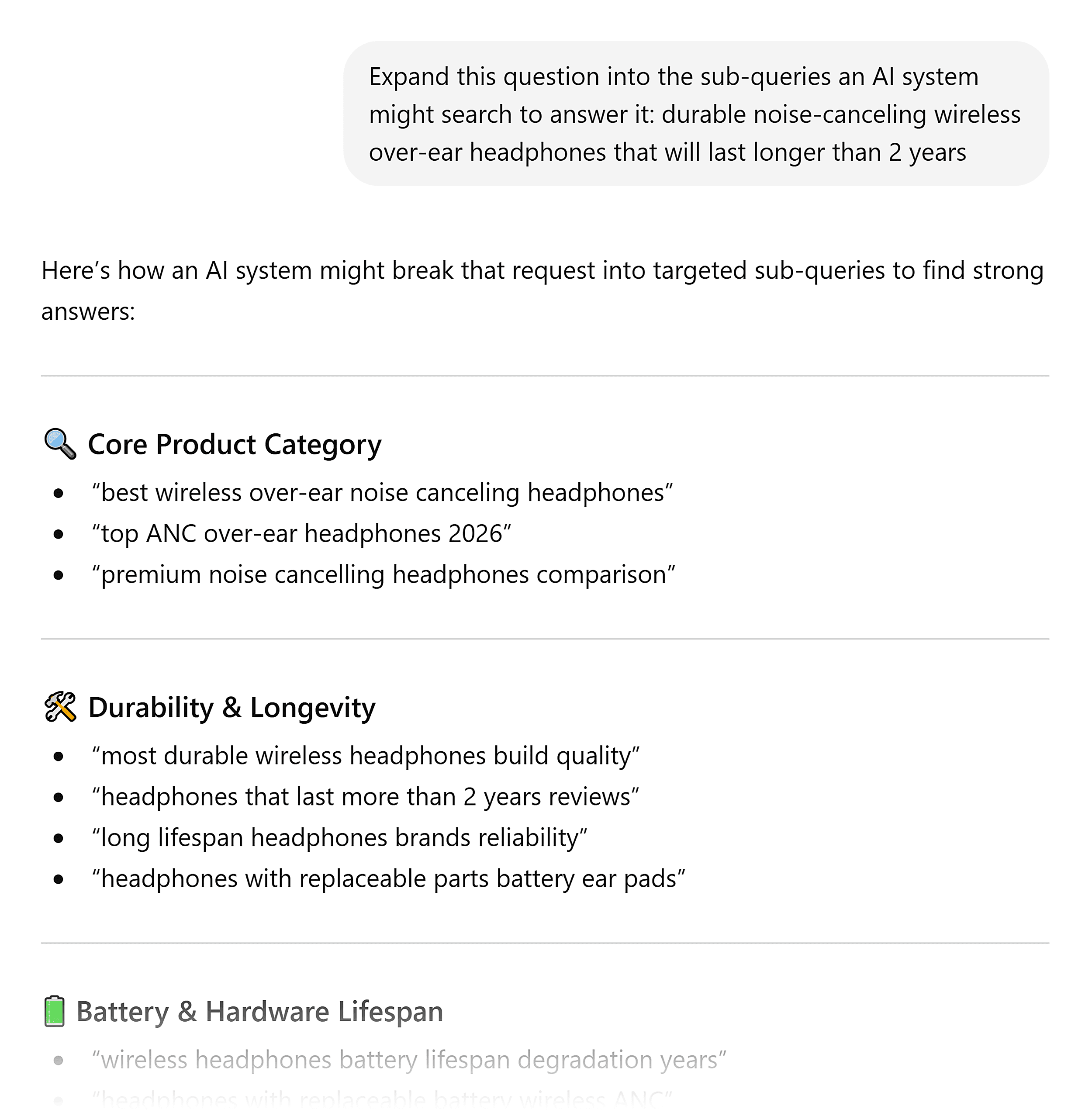
Step 2: Generate Your Fan-Out Set
You need to know how the AI breaks your main topic down. You can do this manually by pasting your money prompt into ChatGPT and asking it to "break this query down into sub-questions." Or, use specialized browser extensions that capture the internal sub-queries an AI generates in real-time.
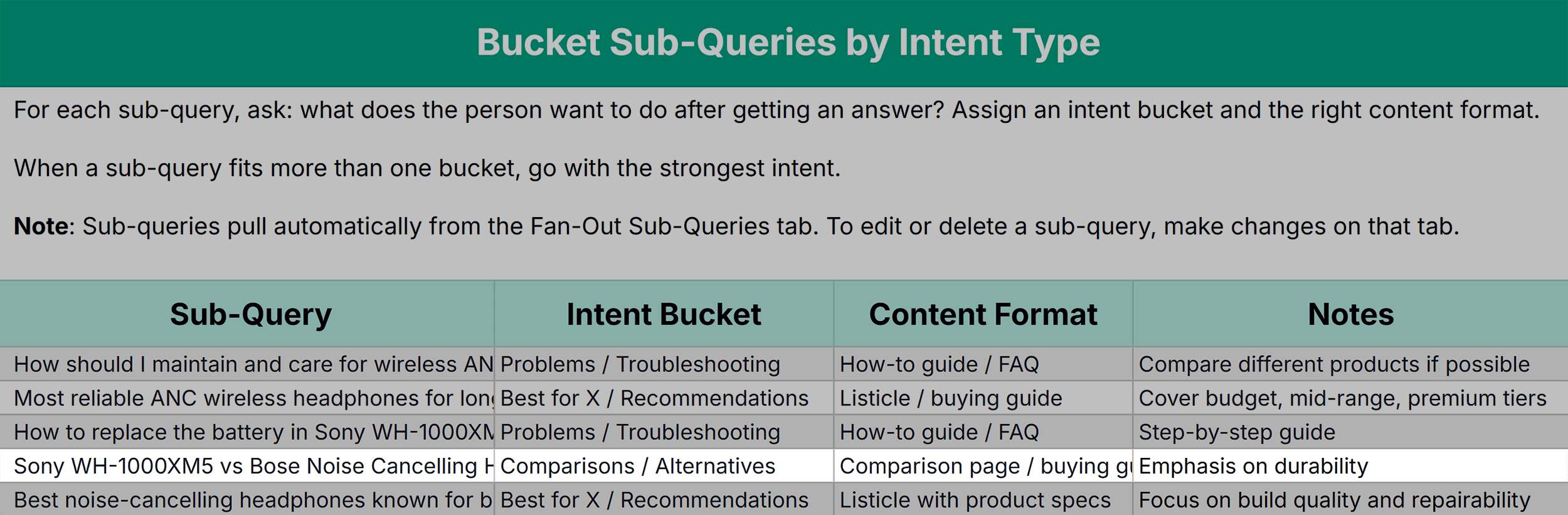
Step 3: Bucket Sub-Queries by Intent
Categorize every sub-query you find into buckets: Definition, Comparison, Recommendation, Troubleshooting, Pricing, or Social Proof. Matching the correct content format to the intent (e.g., a table for a comparison query) is vital for AI extraction.
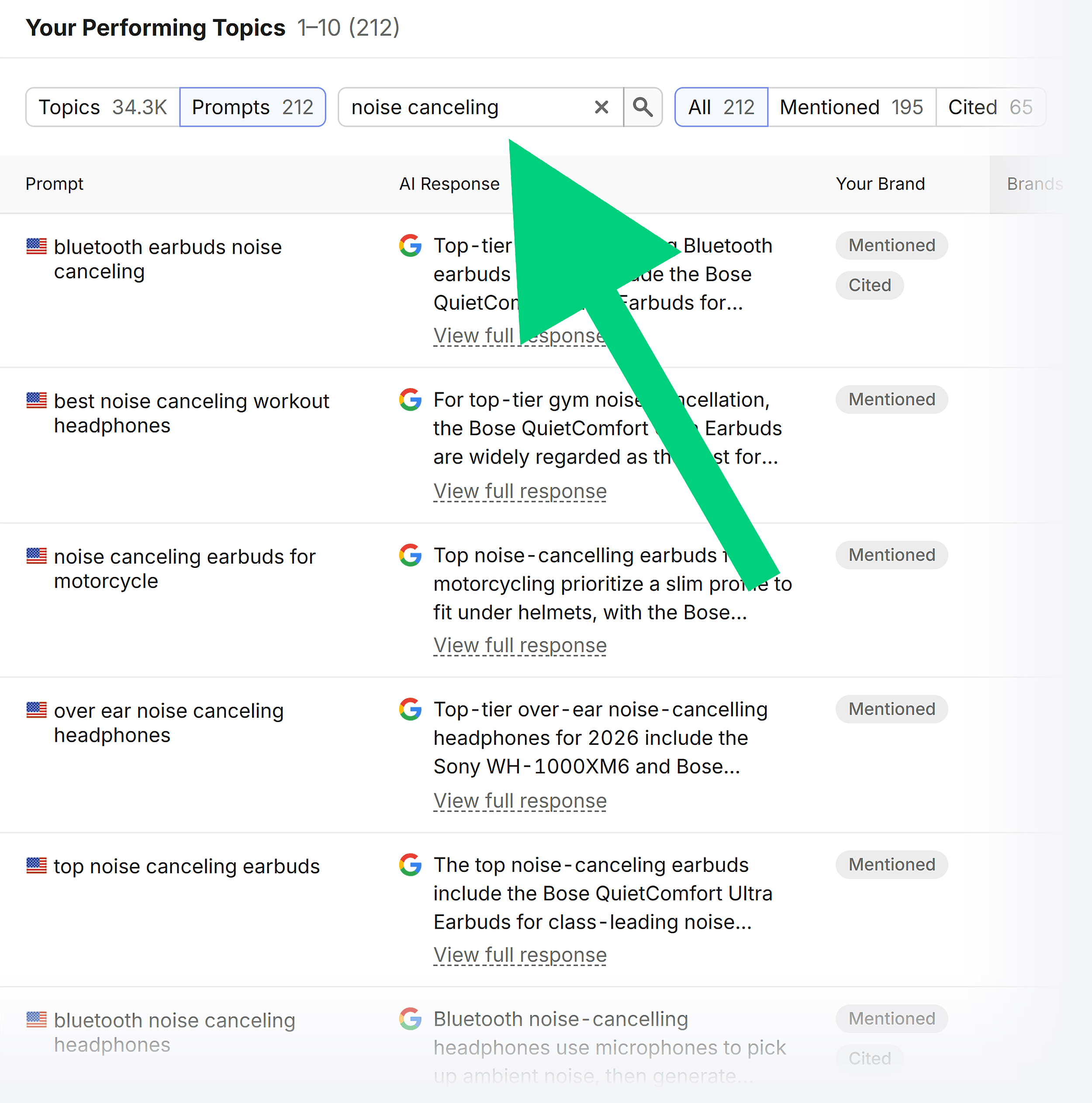
Step 4: Audit for Content Gaps
Use the site:yourdomain.com [sub-query] search operator to see if you have a page that addresses each sub-query. If you find gaps, prioritize creating dedicated sections that answer these questions directly.
Step 5: Structure for Extraction
AI models favor structured data. Use descriptive subheadings (H2s and H3s), keep your sentences concise, and place the "answer" to the query in the first paragraph. When you provide data, use HTML tables; AI systems are exceptionally good at parsing these for direct answers.
Step 6: Measure Performance
Don’t just watch Google Search Console. Monitor your brand mentions in ChatGPT, Perplexity, and Google AI Overviews. Use sentiment analysis tools to see not just if you are mentioned, but how you are mentioned compared to competitors.
Conclusion: The New Standard for Visibility
The rise of query fan-out is a reminder that search is becoming more human, even as it becomes more automated. Users want comprehensive, immediate answers, and the platforms that provide them will win the war for attention.
For brands, the path forward is clear: stop trying to "trick" the algorithm with volume and start serving the AI with clarity. By mapping the sub-queries your audience asks and structuring your content to answer them directly, you transform your brand from a "search result" into an "authoritative source." In the age of AI, authority is the only currency that matters.