Since its inception in 1910, Father’s Day has evolved from a localized tribute into a cornerstone of American consumer culture. As the holiday approaches, businesses are faced with a unique marketing imperative: how to honor the father figures in their customers’ lives while maintaining professional relevance and, perhaps most importantly, emotional sensitivity. With 76% of Americans planning to participate in the celebrations this year, the stakes for getting your messaging right—and avoiding the "pointless" pitfalls of generic copy—have never been higher.
The Evolution of a Tradition: A Chronology
The history of Father’s Day in the United States is a narrative of persistence. While Mother’s Day gained rapid traction in the early 20th century, the movement to honor fathers faced a more arduous path to cultural acceptance.
- 1910: The first Father’s Day was celebrated in Spokane, Washington, on June 19, 1910, thanks to the efforts of Sonora Smart Dodd, who wanted to honor her father, a Civil War veteran who raised six children as a single parent.
- 1966: President Lyndon B. Johnson issued the first presidential proclamation designating the third Sunday in June as Father’s Day.
- 1972: President Richard Nixon signed it into law, making the holiday an official permanent national observance.
- The Modern Era: Today, the holiday has shifted from a purely sentimental observance to a major retail event, necessitating a sophisticated approach to marketing that balances tradition with modern values.
Data-Driven Engagement: Why Tone Matters
The National Retail Federation (NRF) consistently tracks the economic impact of Father’s Day, noting that it represents a significant opportunity for diverse industries, from retail and hospitality to digital services. However, data also suggests that modern consumers are increasingly wary of "marketing for the sake of marketing."

To resonate, your brand must communicate value. Whether you are running a promotional campaign or a heartfelt social media tribute, the data suggests that personalization and inclusivity are the two most critical drivers of conversion. Consumers today are not looking for generic "Happy Father’s Day" emails; they are looking for recognition of the role fatherhood plays in their specific communities.
Strategic Messaging: Email Marketing Templates
Email remains one of the most direct channels for holiday outreach. To maximize impact, brands should categorize their communications based on customer intent.
The Promotional Pivot
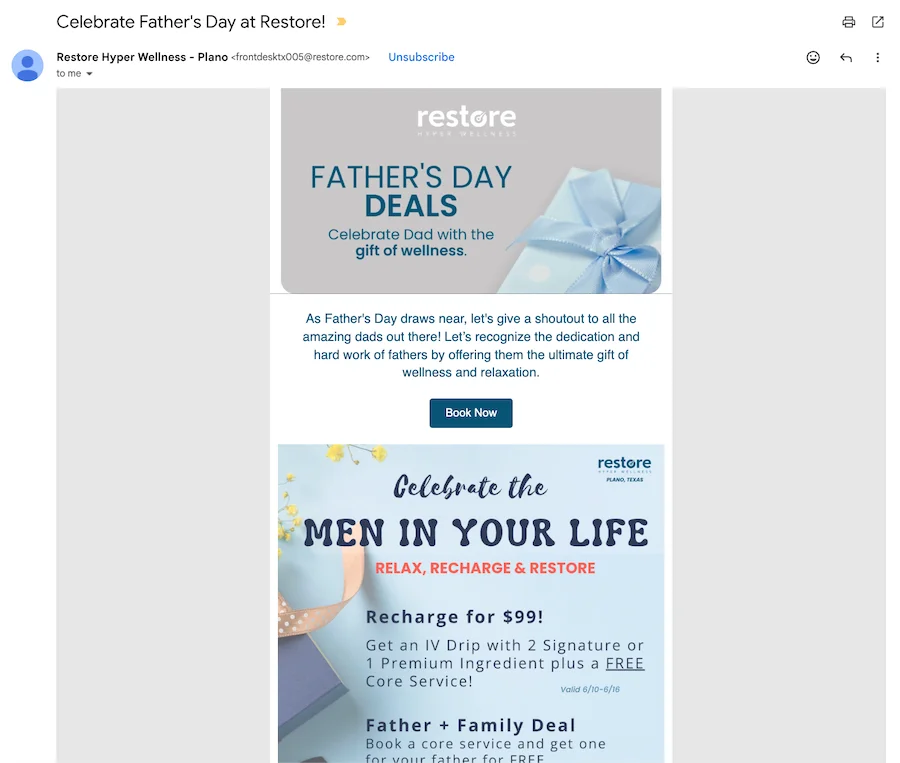
When offering sales or discounts, the focus should remain on the sentiment of gratitude. A successful template might read:
"This Father’s Day, celebrate the figures who have guided you. Whether it’s a gift of appreciation or a shared experience, we’re here to help. Enjoy 30% off our curated collection for a limited time."
The Event-Driven Approach
If your business is hosting an in-person event, clarity and accessibility are key. Ensure your copy highlights the "why" of the gathering—the opportunity to create memories—rather than just the "what." Always provide clear calls to action (CTAs) that allow for easy RSVP management.
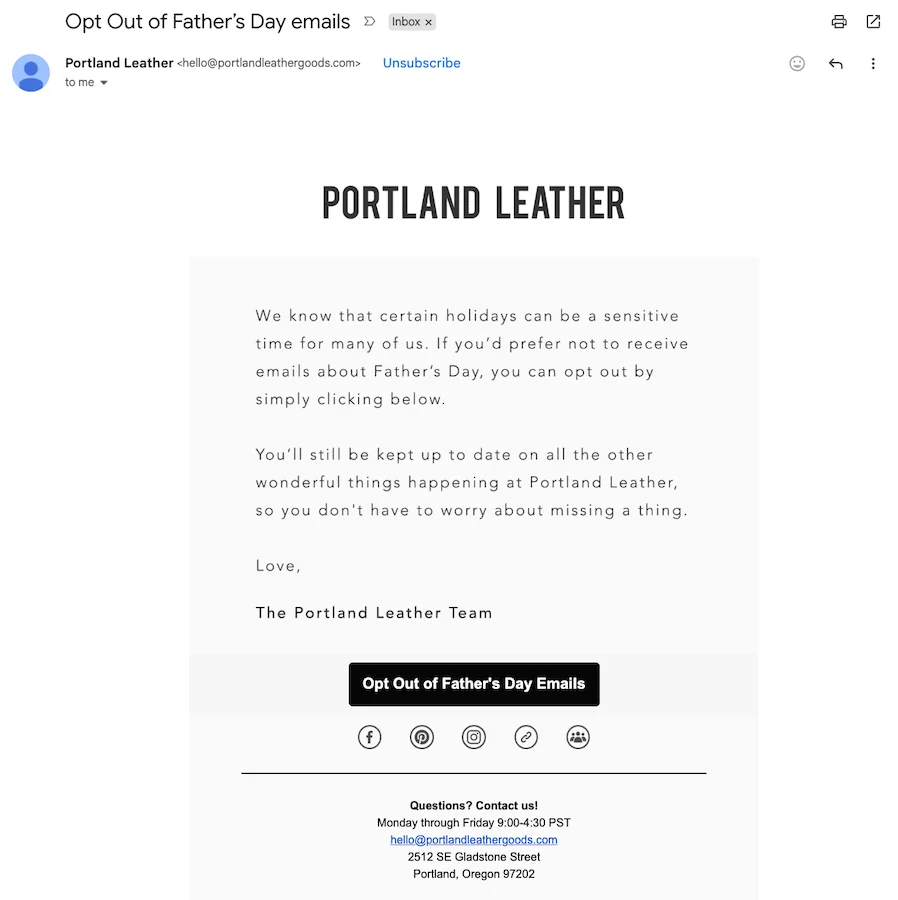
The Inclusive Opt-Out: A Necessity
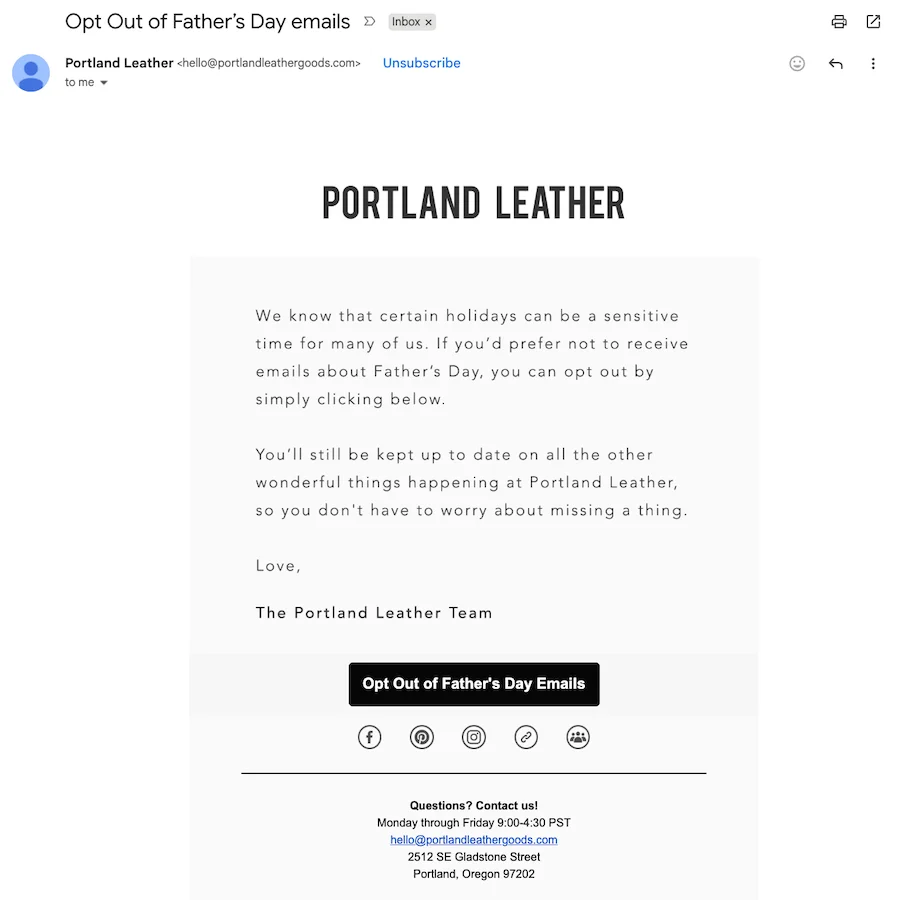
Perhaps the most significant shift in modern marketing is the realization that Father’s Day can be a source of grief for many. Brands are now expected to provide an "opt-out" mechanism. By allowing customers to suppress Father’s Day-related content, companies demonstrate emotional intelligence, which significantly boosts long-term brand loyalty and trust.
The Psychology of Social Media
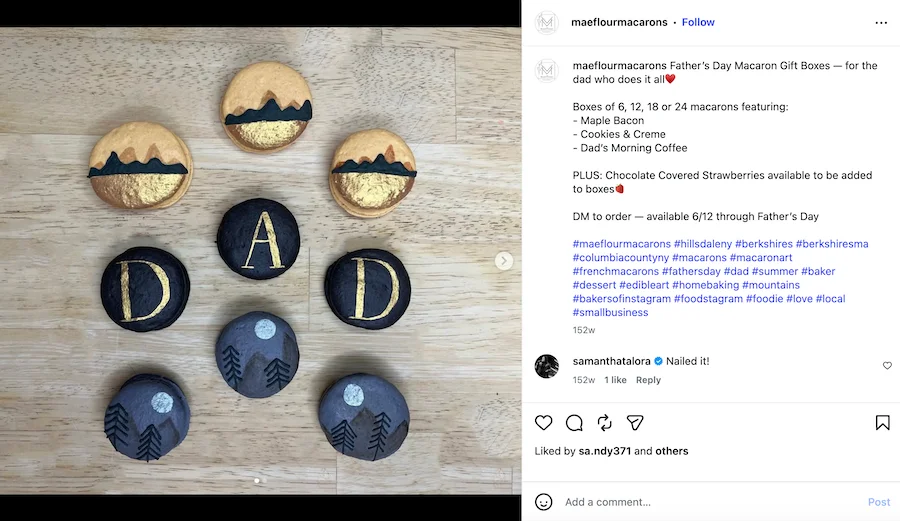
Social media requires a blend of brevity and visual storytelling. Whether on Instagram, LinkedIn, or X, the goal is to stop the scroll through authentic imagery.
- Humanize the Brand: Share photos of your team with their families. Authentic, behind-the-scenes content often outperforms highly polished advertisements.
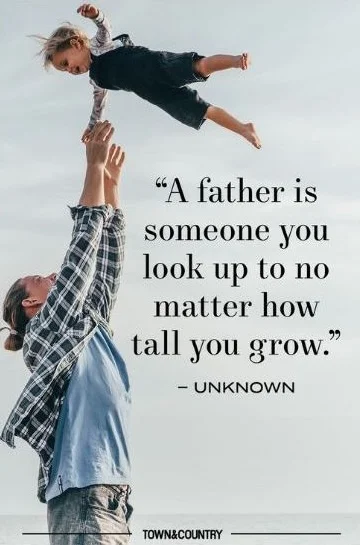
- Leverage Quotes: Using classic or humorous quotes about fatherhood can provide a "shareable" asset that increases brand reach without feeling like a hard sell.
- Interactive Content: Polls and questions—such as "What’s the best advice your dad ever gave you?"—drive engagement far more effectively than static images.
Implications for Brand Identity
The way a business handles a holiday like Father’s Day is a litmus test for its overall brand identity.
The Importance of Inclusivity
"Father" is a broad term. Marketing that exclusively depicts a traditional nuclear family risks alienating a large portion of your audience. Modern campaigns should strive to acknowledge step-fathers, grandfathers, mentors, and the myriad of father figures who provide support and guidance. By broadening your scope, you broaden your market.
Sensitivity as a Competitive Advantage
In the digital age, a brand that ignores the emotional complexity of holidays is a brand that will be quickly muted. Marketing teams should audit their campaigns for tone, ensuring that the messaging is supportive rather than extractive. When a customer feels seen and respected, they are more likely to engage with your business year-round.
Practical Implementation: Tips for Success
To ensure your Father’s Day campaign is both effective and well-received, consider these strategic pillars:
- Define Your Voice: Is your brand humorous, sentimental, or service-oriented? Choose a tone and stick to it across all platforms.
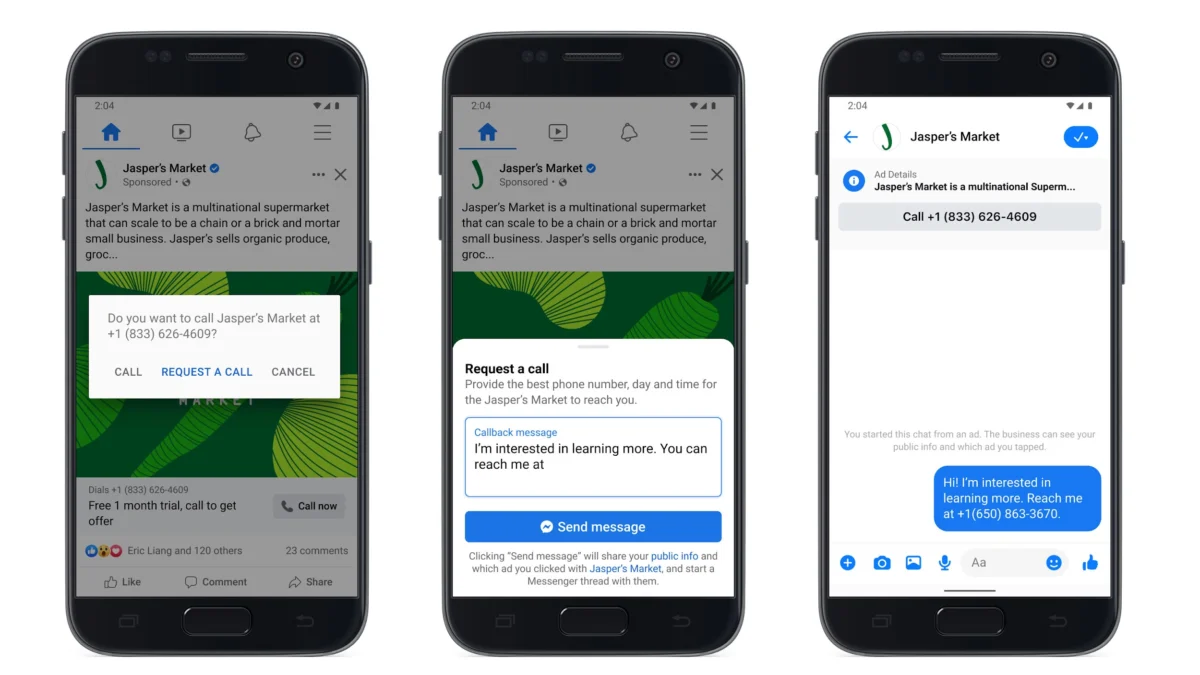
- Prioritize Mobile Optimization: Most emails and social posts will be read on mobile devices. Keep your copy concise and your CTAs prominent.
- Use High-Quality Visuals: Whether using stock photography or custom graphics, ensure the imagery is diverse and represents the modern reality of fatherhood.
- Test Before You Send: Conduct A/B testing on subject lines. A slight variation in wording can lead to significantly different open rates.
Leveraging AI for Efficiency
While human empathy is the heart of your message, AI tools like ChatGPT can be an excellent resource for brainstorming and drafting initial copy. Use AI to generate variants of your message, then curate and refine those drafts to ensure they reflect your unique brand voice.
Example of AI-refined copy: "From the lessons learned to the memories shared, we honor all the dads who have paved the way. Shop our Father’s Day collection and find the perfect way to say thank you."
Conclusion: Building Lasting Connections
Father’s Day is more than just a date on the calendar; it is a moment to deepen the relationship between a brand and its audience. By moving beyond generic tropes and focusing on genuine, inclusive, and thoughtful communication, businesses can transform a standard holiday into a powerful opportunity for engagement.
As you finalize your marketing strategy, remember that the most effective campaigns are those that don’t just ask for a sale—they contribute to the spirit of the day. To all the father figures in your customer base, and to the marketers working behind the scenes to honor them: Happy Father’s Day.
Quick Reference Checklist for Marketing Teams
- Segment your list: Ensure those who opted out of holiday content are removed from your mailing list.
- Check your links: Ensure all social and email CTAs lead to high-converting landing pages.
- Consistency is key: Ensure the design and messaging in your email match your social media posts for a cohesive brand experience.
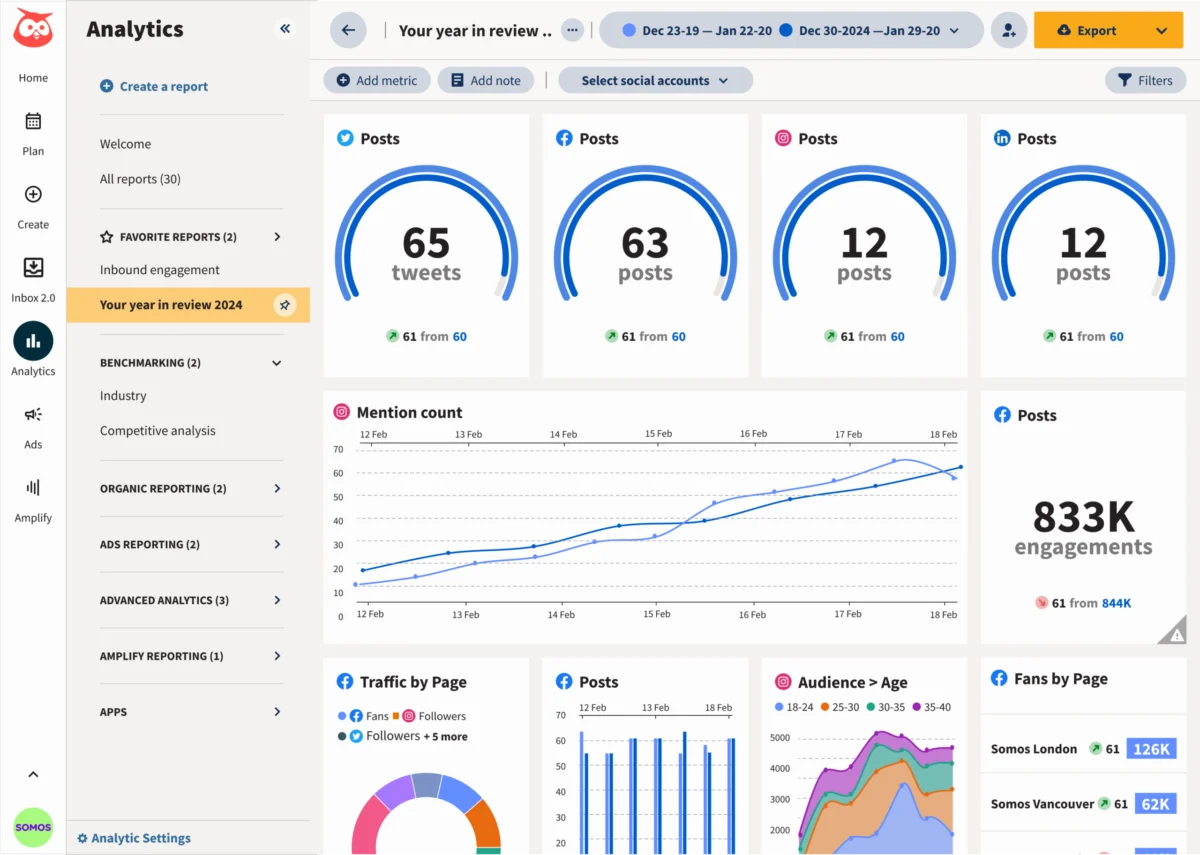
- Monitor analytics: Track engagement rates in real-time to adjust your strategy for next year’s holiday cycle.