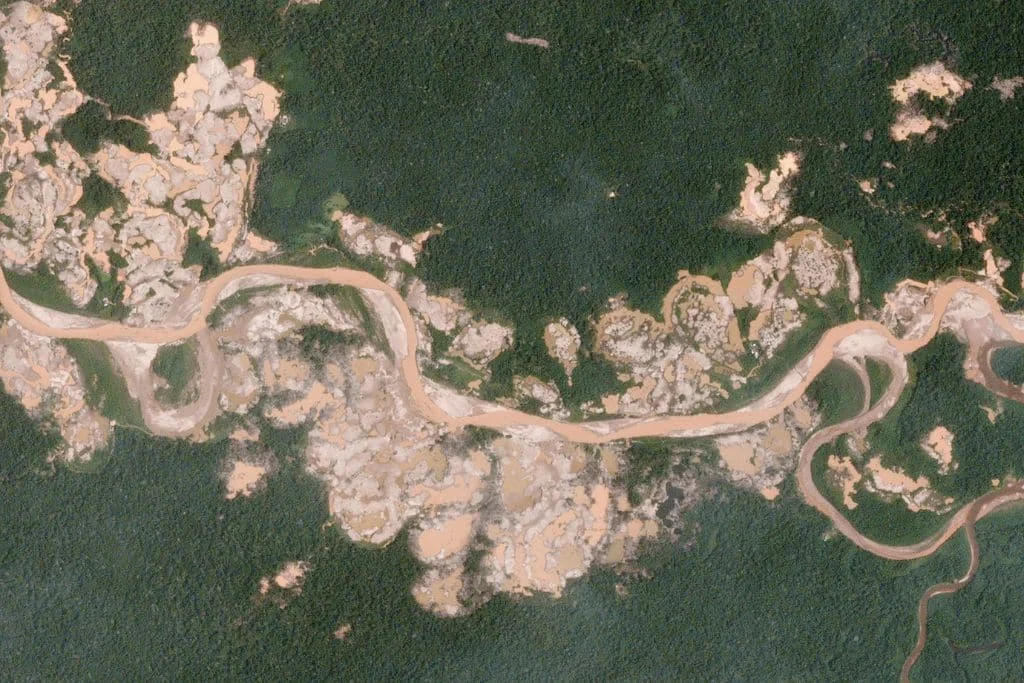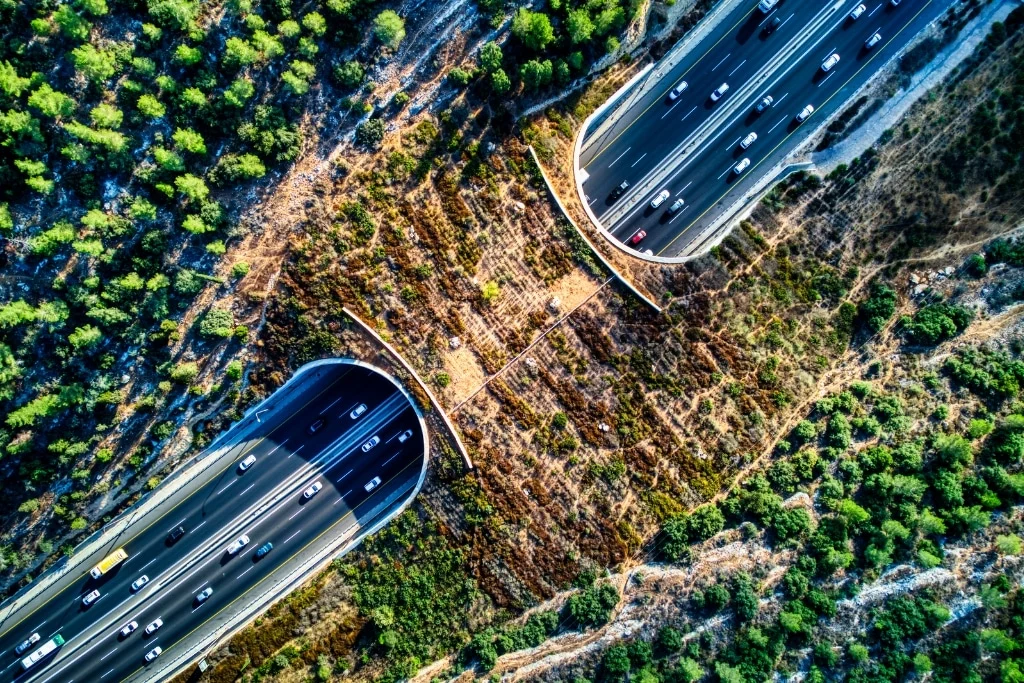
As human civilization expands, the natural world is increasingly sliced into isolated pockets. From sprawling suburban housing developments to sprawling interstate highways, the infrastructure of modern life has become an unintended, yet lethal, barrier for the animal kingdom. As human encroachment accelerates, a vital engineering solution has emerged as a beacon of hope for conservationists worldwide: the wildlife crossing. These sophisticated structures are more than just bridges or tunnels; they are essential links in the chain of biodiversity, designed to mend the ecological fabric of our planet.
The Ecological Imperative: Why Corridors Matter
To understand the necessity of wildlife crossings, one must first appreciate the concept of the ecological corridor. These are not merely patches of trees, but rather the essential thoroughfares that wildlife depend on for survival. Species, ranging from small mammals to apex predators, rely on these natural corridors to navigate their environments. Defined by distinct topographical features—elevation, vegetation density, and water availability—these are learned passages passed down through generations.
Animals use these corridors to access the fundamental pillars of life: food, water, and shelter. However, when human development creates a "hard" boundary, such as an eight-lane highway, the flow of genetic diversity and the ability to migrate for seasonal resources are abruptly severed. This fragmentation leads to localized extinction, inbreeding, and a decline in overall ecosystem resilience. When a corridor is damaged, the resulting "island effect" traps species in areas too small to support their long-term health, creating a ticking clock for local extinction.
A Chronology of the Wildlife Crossing Movement
The evolution of wildlife crossings has moved from rudimentary designs to massive, landscape-scale infrastructure projects.
- 1950s: The European Inception: The earliest known wildlife crossings were constructed in France in the 1950s. Initially designed primarily for game management, these structures quickly caught the attention of ecologists who realized their potential for broader biodiversity protection.
- 1970s–1990s: The Rise of Scientific Design: As North American biologists began documenting the high mortality rates of large mammals on highways, projects began to appear in the Canadian Rockies. The Trans-Canada Highway through Banff National Park stands as a pioneering example of integrated highway design, featuring both overpasses and underpasses that have significantly reduced collisions.
- 1990–2022: The California Vision: In the United States, the focus shifted to the fragmented Santa Monica Mountains. Identifying the 101 Freeway as a death trap for local mountain lions, conservationists and the Santa Monica Mountains Conservancy began a decades-long effort to secure land and funding for what would eventually become the Wallis Annenberg Wildlife Crossing.
- 2022–Present: Mainstreaming Conservation Engineering: With the successful implementation of the Laurel Curve undercrossing and the groundbreaking of the Liberty Canyon project, wildlife crossings have shifted from experimental niche projects to a standard consideration in modern civil engineering and infrastructure planning.
The Mountain Lion Crisis: A Case Study in Fragmentation
Perhaps no species better illustrates the devastating cost of habitat fragmentation than the mountain lion (Puma concolor). These solitary, wide-ranging predators require immense territories to thrive. An adult male may claim a home range exceeding 100 square miles, while females typically navigate between 20 and 60 square miles.
The Cost of Collision
The data is sobering. Between 2016 and 2023, California recorded at least 613 mountain lion fatalities due to vehicle collisions. These deaths are not just individual tragedies; they represent a significant drain on the population’s genetic health. Furthermore, these collisions impose a massive fiscal burden on society. It is estimated that wildlife-vehicle collisions result in roughly $200 million in annual costs for California alone, covering vehicle repairs, insurance claims, and emergency response.
The Ripple Effect: Trophic Cascades
The loss of apex predators like mountain lions triggers a phenomenon known as a trophic cascade. Without the pressure of predation, deer and other herbivore populations can explode in size. This leads to severe overgrazing, which strips the landscape of essential ground cover. The result is a domino effect: increased soil erosion, a decline in plant biodiversity, and a systemic collapse of the local ecosystem. By protecting the mountain lion’s ability to roam, we are effectively protecting the health of the entire food web.
Engineering for Coexistence: The Wallis Annenberg Crossing
The Wallis Annenberg Wildlife Crossing at Liberty Canyon serves as the current gold standard for conservation engineering. Spanning ten lanes of the heavily trafficked 101 Freeway, this massive structure is the largest of its kind in the world. Measuring 200 feet in length and 165 feet in width, the crossing is designed to mimic the natural landscape, featuring native vegetation and noise-dampening walls to encourage animal usage.
Overcoming Obstacles
The road to completion has been arduous. First identified as a critical site in 1990, the project languished for years due to the complexities of private land ownership. It required a unique coalition of federal agencies, private donors, and local conservationists to purchase the necessary parcels. With a budget exceeding $100 million, the project is a testament to the fact that while the price tag is high, the cost of inaction—the permanent loss of regional biodiversity—is far greater.
Evidence-Based Success: Lessons from Highway 17
While the Wallis Annenberg crossing is the largest, smaller-scale projects have already provided the empirical evidence needed to prove the concept’s success. The Laurel Curve Wildlife Undercrossing on Highway 17, which links the Santa Cruz Mountains to the Silicon Valley region, has become a beacon of hope.
Since its completion in 2022, the results have been nothing short of staggering. In its first year of operation, the undercrossing was traversed by animals 934 times. By providing a safe, dark, and quiet passage beneath the road, the tunnel allows wildlife to bypass the danger of high-speed traffic, effectively reconnecting the mountain lion population to the essential genetic resources they need to avoid inbreeding and ensure long-term viability.
Official Responses and the Future of Infrastructure
The success of these projects has garnered support from the highest levels of government and environmental agencies. California Fish and Wildlife Director Chuck Bonham has been a vocal proponent of this approach, stating, "It’s a great victory for mountain lions; fixing older infrastructure for the benefit of wildlife is just the smart thing to do."
As we look toward the future, the integration of "green" infrastructure is becoming a priority for urban planners. The lessons learned from California and the Canadian Rockies are being exported globally, with projects in Singapore, Australia, and across Europe adopting the "bridge-and-tunnel" model to reconnect habitats severed by decades of unchecked urban expansion.
Implications for Policy and Development
The implication is clear: we can no longer treat human infrastructure and wildlife habitat as mutually exclusive. Future development must incorporate "connectivity planning" at the design phase. This includes:
- Mandatory Habitat Assessments: Requiring developers to identify and protect existing ecological corridors before breaking ground.
- Public-Private Partnerships: Funding future crossings through a blend of tax incentives, environmental impact mitigation fees, and philanthropic donations.
- Cross-Jurisdictional Cooperation: Ensuring that wildlife corridors are protected across municipal and state lines, as animals do not respect human-drawn borders.
Conclusion
The construction of wildlife crossings represents a fundamental shift in our relationship with the natural world. It marks the transition from a period of reckless expansion to one of considered stewardship. By investing in these structures, we are acknowledging that our own prosperity is inextricably linked to the health of the ecosystems that surround us.
The Wallis Annenberg Wildlife Crossing and the Laurel Curve underpass are more than just steel and concrete; they are bridges to a future where humans and wildlife can coexist in a shared, healthy landscape. As these projects reach completion, they serve as a powerful reminder: when we provide the space and the means for nature to move, nature will find a way to recover. Through continued investment, scientific rigor, and public support, we can mend the gaps in our wilderness and ensure that the wild places of the world remain wild for generations to come.