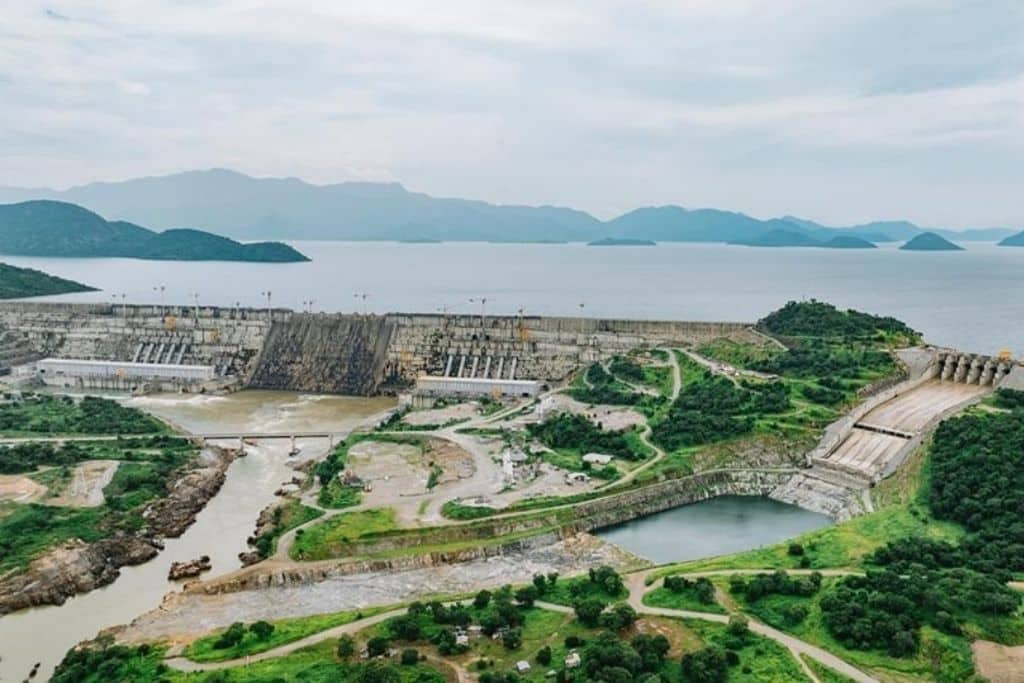
As the global climate crisis intensifies, the world’s longest river has become the stage for a high-stakes geopolitical drama. For centuries, the Nile has been the lifeblood of Northeast Africa, but the completion of the $5 billion Grand Ethiopian Renaissance Dam (GERD) in 2025 has irrevocably shattered the historic water hegemony that once favored Egypt. With the Nile Basin’s population projected to swell to one billion by 2050, the battle over this resource is no longer just about irrigation—it is a fundamental struggle over sovereignty, energy security, and the future of regional stability.
The Nexus of Climate and Power
The Nile Basin supports roughly 257 million people directly, with over 506 million people relying on the river system for food, energy, and water security. As temperatures rise and rainfall patterns become increasingly erratic, the competition for this finite resource has transformed.
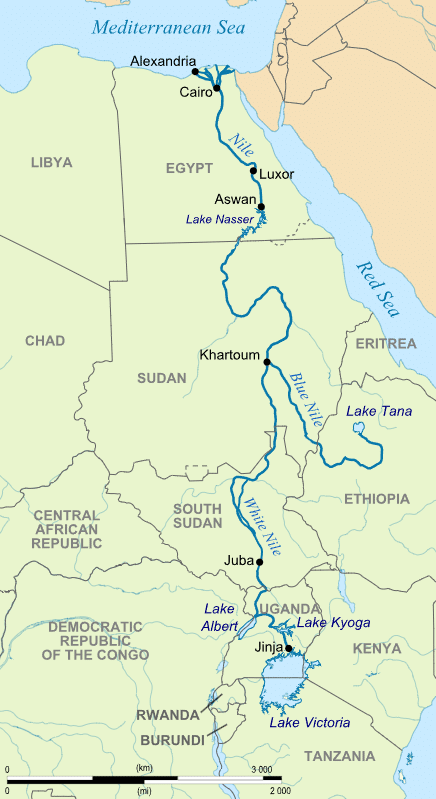
Ethiopia, a nation prone to devastating droughts, has positioned the GERD as its flagship project for sustainable development. By harnessing the Blue Nile, Addis Ababa is not only attempting to pull millions out of energy poverty but is also asserting its right to equitable utilization of transboundary waters—a stance that directly challenges the colonial-era water allocations that have long granted Egypt and Sudan primary control.
A Chronology of Conflict
The tension surrounding the Nile is rooted in a history of unequal treaties and shifting power dynamics:
- 1959 Nile Waters Agreement: This framework, established between Egypt and Sudan, allocated 55.5 billion cubic meters and 18.5 billion cubic meters respectively, effectively excluding upstream nations from formal rights.
- 2011 Announcement: Ethiopia officially announced plans to construct the GERD, sparking immediate diplomatic pushback from Cairo.
- 2015 Declaration of Principles: Ethiopia, Egypt, and Sudan signed a framework in Khartoum, where Addis Ababa pledged not to cause "significant harm" to downstream nations. However, the lack of a precise definition for "significant harm" left the door open for future dispute.
- 2020 Stalled Negotiations: U.S.-led mediation attempts failed to produce a legally binding agreement, leading to the withholding of $100 million in U.S. aid to Ethiopia.
- 2025 Inauguration: The GERD reached full operational status, marking a point of no return. Egyptian officials labeled the move "illegal" and "a unilateral act of aggression."
- 2026 Expansion: Ethiopia announced three additional hydropower projects, signaling a continued commitment to large-scale water infrastructure.
Data-Driven Realities: The Scarcity Gap
The core of the dispute lies in the stark disparity between the two primary players. Egypt is one of the most arid countries on earth, receiving a mere 15.6 millimeters of annual rainfall. With 97% of its population living in the Nile Delta and agriculture accounting for 16.6% of its GDP, Egypt is hyper-dependent on the river for 88% of its water needs.
In contrast, Ethiopia receives up to 986 millimeters of rain annually. For Addis Ababa, the GERD is an economic engine; it is expected to boost GDP by up to 3.5% annually and generate roughly $1.2 billion in yearly electricity exports. Recent data from the state-owned Ethiopian Electric Power confirms this growth, with export revenues jumping from $101.2 million in 2022 to $475.7 million in the most recent fiscal year.
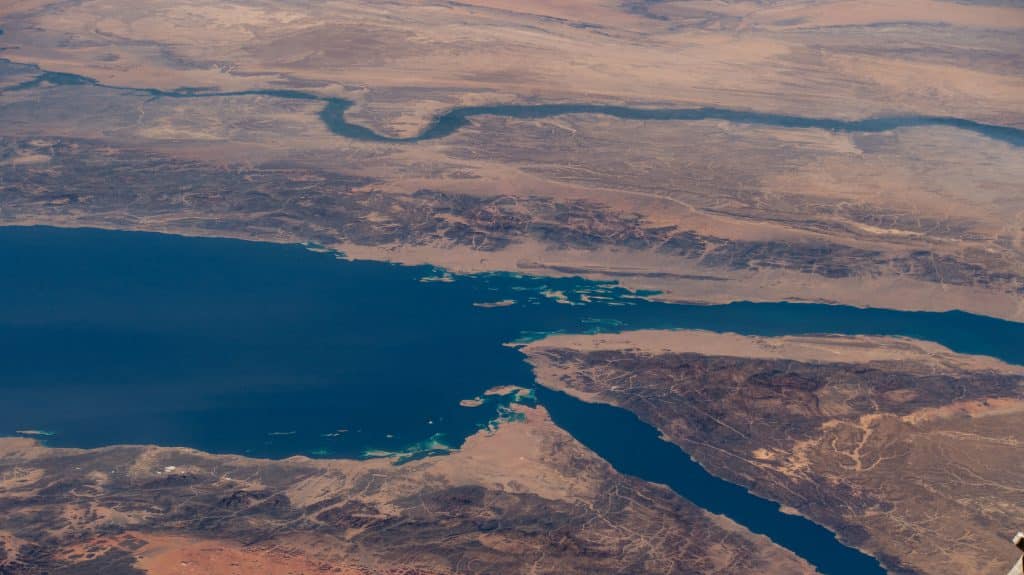
However, the hydrological math is harrowing for Egypt. Under full operation, the GERD could reduce annual downstream flows by 8 to 20 billion cubic meters. Given that Egypt already faces a supply deficit of 33.75 billion cubic meters, any reduction in flow pushes the country closer to the "absolute water scarcity" threshold of 500 cubic meters per person annually, a level the UN expects Egypt to reach by 2033.
Official Responses and Diplomatic Friction
The diplomatic theater has been equally volatile. Egyptian Foreign Minister Badr Abdelatty has repeatedly appealed to the United Nations Security Council, characterizing the dam as an "existential threat" to 150 million citizens in Egypt and Sudan. Egypt’s 2014 Constitution explicitly binds the state to protect its "historic rights" to the Nile, making any compromise on water volume politically suicidal for the administration of President Abdel Fattah el-Sisi.
Conversely, Ethiopian Prime Minister Abiy Ahmed has framed the dam as a symbol of national rebirth. In his view, the GERD ends centuries of geopolitical stagnation. Addis Ababa argues that the 1959 agreement is a relic of the colonial era and does not align with the 1997 UN Watercourses Convention, which promotes "equitable and reasonable use." Ethiopia’s position is that it is not withholding water, but regulating a resource that has been historically mismanaged by downstream powers.

The Militarization of Sustainability
As diplomacy reaches a stalemate, the rhetoric has drifted toward security. Ethiopia has bolstered its defenses around the dam with sophisticated hardware, including Russian-made Pantsir systems and Israeli SPYDER surface-to-air missiles.
Egypt, meanwhile, has engaged in aggressive regional "soft power" and military posturing, forging security alliances with Eritrea and Somalia to encircle Ethiopia. Analysts from the International Crisis Group note that Egypt’s goal is to exert enough pressure to force an agreement, or alternatively, to destabilize the Ethiopian government to the point of collapse—a strategy that carries the risk of plunging the entire Horn of Africa into conflict.
The "Nationalization of Sustainability"
The European Parliament has warned of a dangerous trend: the "nationalization of sustainability." When countries treat sustainable energy projects as national security assets rather than shared regional resources, the result is a zero-sum game.
This transformation of sustainable development into a geopolitical weapon is detrimental to the global climate agenda. The environmental costs of potential military conflict—including the destruction of infrastructure and the massive carbon footprint of mobilized armed forces—would likely exacerbate the very climate impacts both nations are trying to adapt to.
Implications for the Future
The path forward is narrow. Egypt’s reliance on "virtual water"—the water embedded in imported agricultural products—suggests that its long-term survival depends on a stable, conflict-free Nile Basin that allows for regional trade. If Egypt continues to view the Nile solely through the lens of its 1959 allocation, it risks being left behind in a new, multipolar African reality where upstream countries are no longer willing to accept the status quo.
For Ethiopia, the challenge is to prove that its "Renaissance" does not come at the expense of its neighbors. Transparency in dam management, data sharing regarding water release, and a move toward a cooperative management framework are the only ways to prevent a regional catastrophe.
As the population of the Nile Basin heads toward one billion, the choice is increasingly clear: either the riparian states move toward a system of benefit-sharing—treating the river as a shared asset for energy, agriculture, and industry—or they face a future defined by environmental degradation and resource-driven conflict. The "Grand" Renaissance Dam was built to power a nation, but its true legacy will be determined by whether it eventually serves as a bridge for regional integration or a monument to the failure of cooperation.
Summary of Key Findings:
- Economic Impact: The GERD is projected to increase Ethiopia’s GDP by 2.1% to 3.5% annually.
- Water Scarcity: Egypt is on track to hit extreme water scarcity by 2033, with per capita availability already below international standards.
- Legal Conflict: Ethiopia rejects the 1959 Nile Waters Agreement; Egypt views it as a non-negotiable legal basis for its survival.
- Security Risk: The presence of air defense systems around the dam signals that both nations view the project as a critical military target and asset.
- The Path Ahead: Sustainable development must transition from a nationalistic endeavor to a basin-wide cooperative model to avoid long-term regional instability.