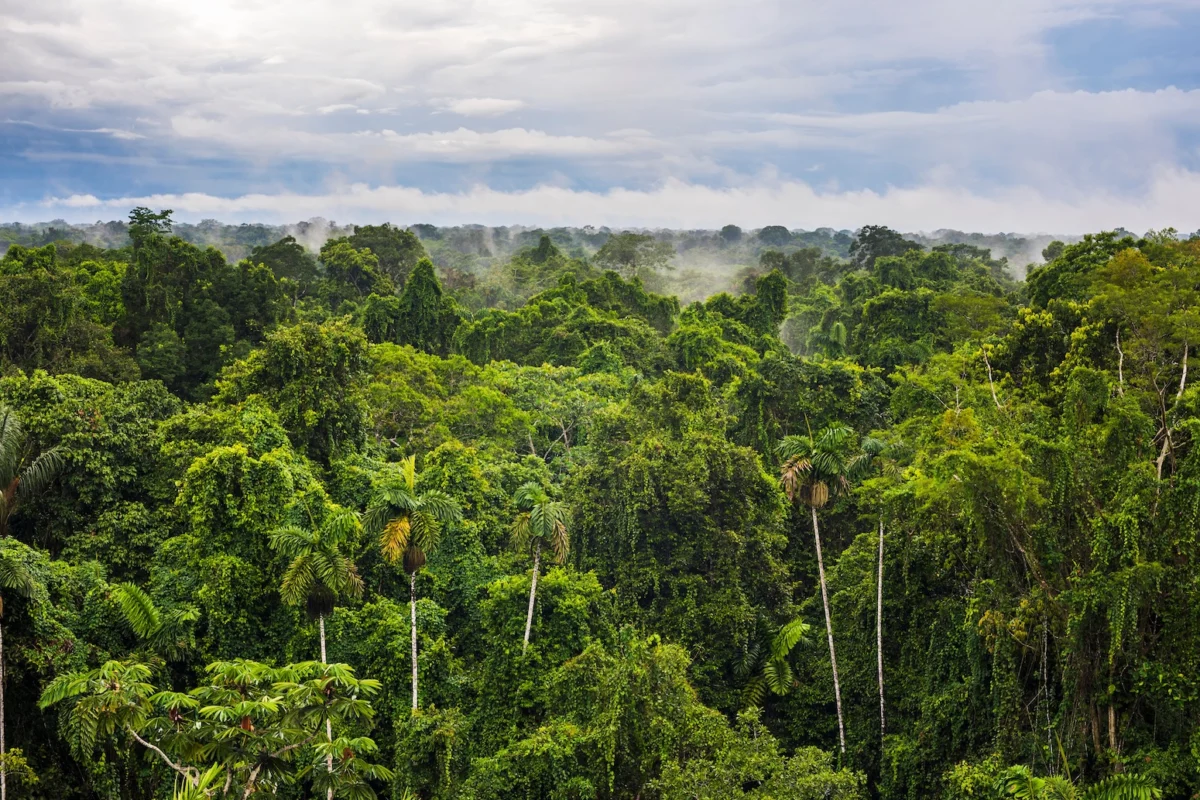
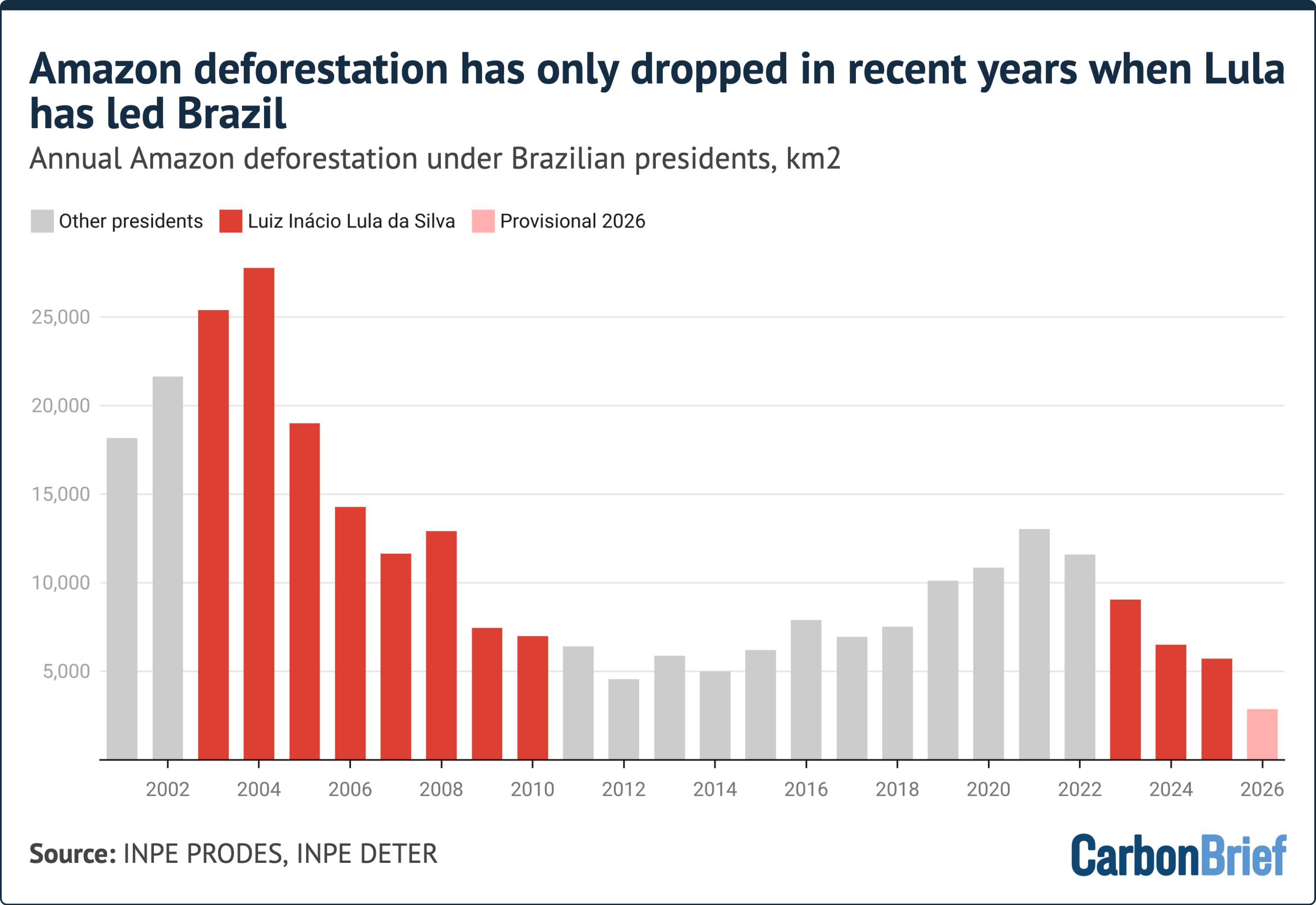
In a landmark environmental victory for the Amazon basin, new analysis from Carbon Brief reveals that Luiz Inácio Lula da Silva’s administration has successfully kept an area of forest roughly the size of the U.S. state of New Jersey standing since he assumed the presidency in 2023. By prioritizing robust environmental enforcement and reversing the deregulation that characterized his predecessor’s tenure, Lula has steered Brazil toward what is projected to be the lowest level of annual Amazon deforestation on record.
As of late October 2026, following a closely contested election cycle, Lula has secured a historic fourth term. This victory ensures a continuation of his "zero deforestation by 2030" agenda, a policy framework that has become the cornerstone of Brazil’s climate strategy. However, the political landscape remains fraught with tension, as the nation grapples with a powerful opposition and a global climate crisis that demands immediate, consistent action.
The Chronology of Change: From Destruction to Recovery
The fate of the Amazon has long been synonymous with the political trajectory of Brazil’s leadership. During the presidency of Jair Bolsonaro (2019–2022), the Amazon faced an era of unprecedented devastation. Bolsonaro’s administration championed the expansion of the agribusiness sector at the direct expense of the rainforest, systematically weakening environmental regulations, slashing the budgets of federal oversight agencies like IBAMA, and fostering an environment where illegal mining and logging flourished.
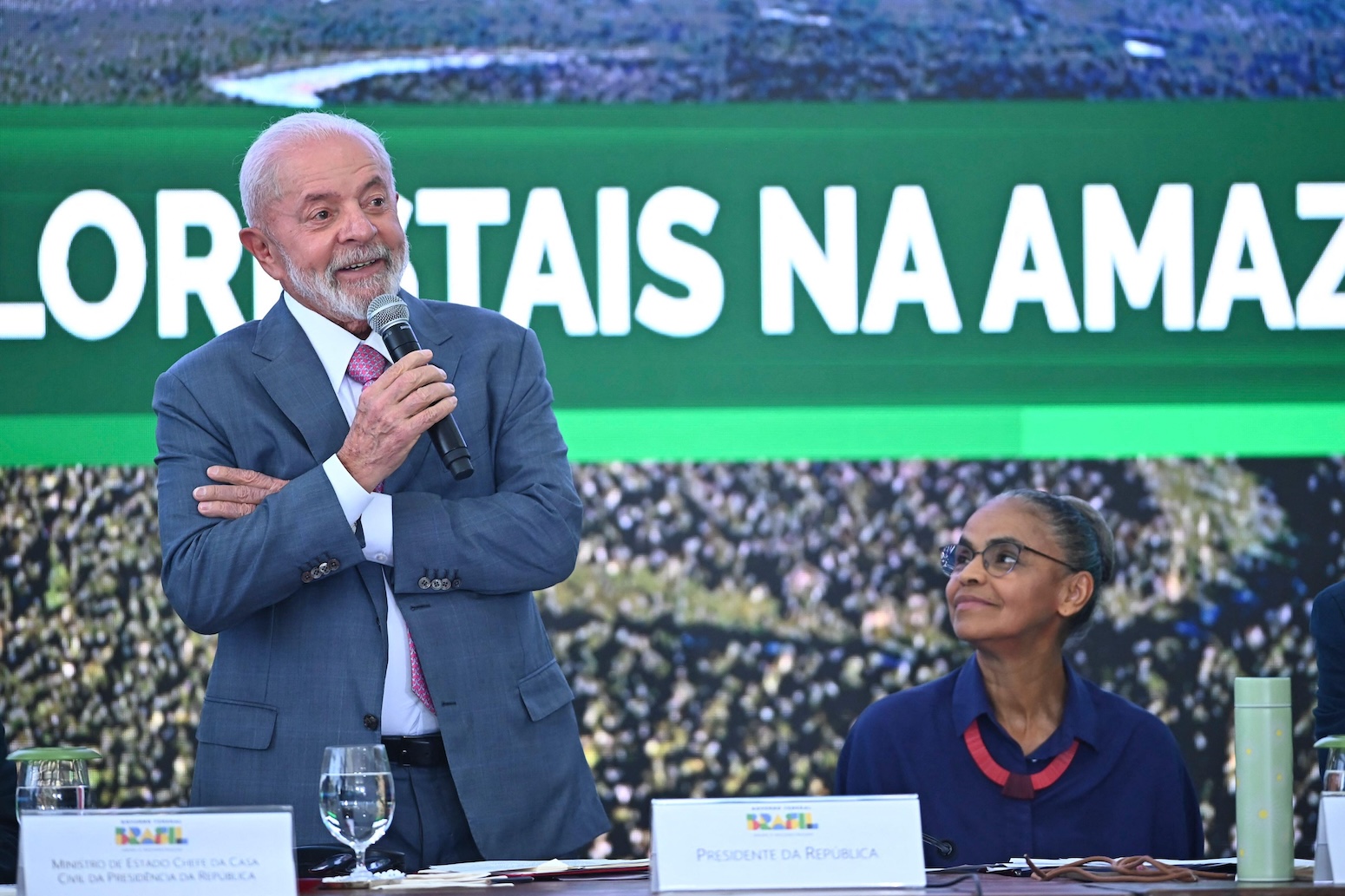
When Lula defeated Bolsonaro in the 2022 election, he inherited a landscape of environmental degradation. His inauguration speech at COP27, where he famously declared, "Brazil is back," signaled a seismic shift in governance. Under the guidance of Environment Minister Marina Silva, the administration reinstated the Action Plan for the Prevention and Control of Deforestation in the Legal Amazon (PPCDAM), scaled up federal policing, and rolled back the previous administration’s wave of deregulation.
The results were swift and measurable. Annual deforestation plummeted from 11,594 square kilometers (km²) in 2022 to 5,731 km² by 2025. Preliminary satellite alerts for the 2025–2026 period suggest that the final figures will likely mark an all-time low since data collection began in 1988, underscoring the direct correlation between political will and environmental preservation.
Supporting Data: The "New Jersey" Metric
The Carbon Brief analysis utilized sophisticated modeling—refined from 2018 and 2023 studies involving the University of Oxford, the International Institute for Applied Systems Analysis, and Brazil’s National Institute for Space Research (INPE)—to quantify the impact of the current administration.
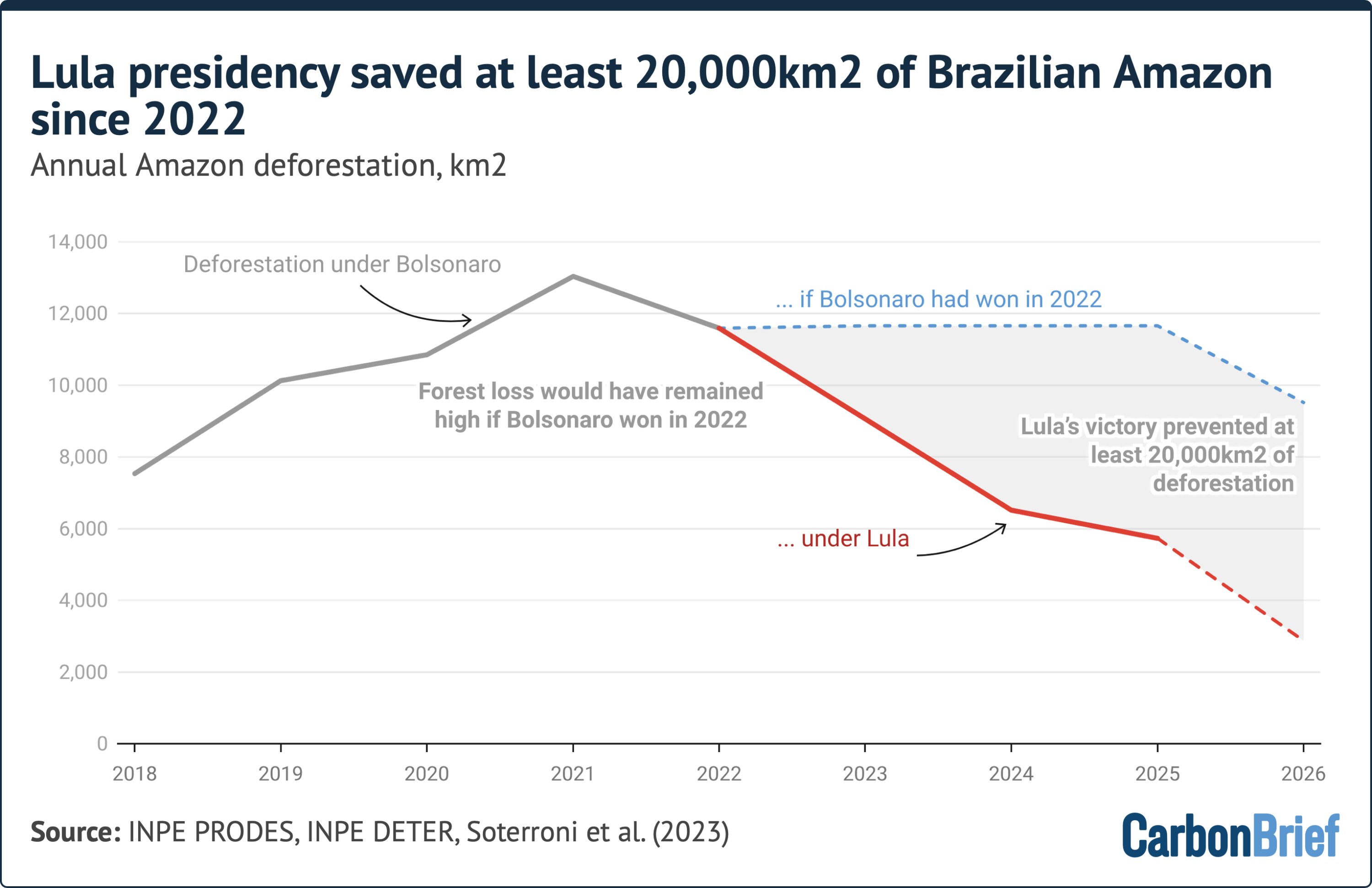
By comparing the actualized forest code enforcement against a "baseline" scenario where environmental laws remained ignored (a proxy for the Bolsonaro years), researchers determined that at least 20,000 km² of forest has been saved. To put this into perspective, this area is equivalent to the size of Wales, Belize, or the U.S. state of New Jersey.
Dr. Aline Soterroni, who led the research at Oxford, notes that this, while significant, is a "conservative" estimate. "The reversal seen under Lula shows how quickly deforestation can respond to political will," she says. "However, our modeling is cautious. The scenario of ‘no enforcement’ does not fully account for the potential for illegal forest clearing that often surges in response to weak governance."
The Political Horizon: A Fragile Future
The 2026 election cycle presented a stark binary for the future of the rainforest. With Jair Bolsonaro imprisoned for his role in plotting a post-election coup in 2022, his son, Senator Flávio Bolsonaro, emerged as the primary opposition candidate. The campaign was characterized by a fierce divide: on one side, a commitment to the climate-conscious, zero-deforestation model; on the other, an "anti-environmental" platform that explicitly favored the expansion of extractive industries.
Opinion polls showed the two candidates in a dead heat for much of the cycle, reflecting a deeply polarized Brazilian electorate. Experts warned that a victory for the younger Bolsonaro would have been a "tremendous disaster." Dr. Patricia Pinho, of the Amazon Environmental Research Institute, stated, "I don’t think we can afford four years of increasing deforestation and violence against Indigenous peoples."
The threat of a right-wing reversal was compounded by the regional context. Across the Amazonian nations of Bolivia, Colombia, Ecuador, and Peru, similar political shifts toward right-wing governments—all of which prioritize mining and industrial agriculture—have created a precarious environment. Experts estimate that nearly 95% of the Amazon could have fallen under the management of leaders favoring development over conservation had the Brazilian election taken a different turn.
Challenges and Structural Hurdles
Despite the electoral success of the current administration, the road ahead is far from smooth. Two major structural issues continue to threaten the Amazon: the erosion of supply chain protections and a combative legislature.

The End of the Soy Moratorium
A critical development in 2026 was the withdrawal of major grain traders from the Amazon soy moratorium, a voluntary agreement that had been in place since 2006. This pact prevented the purchase of soy grown on land deforested after 2008. Its collapse is viewed by experts as a significant setback, with some research indicating that the end of this moratorium could lead to an additional 14,000 km² of deforestation by 2036.
The Legislative Conflict
Brazil’s Congress remains a bastion of opposition. With half the seats in both chambers held by right-leaning parties—including those aligned with the Bolsonaros—the executive branch has faced constant friction. In 2025, for instance, lawmakers bypassed a presidential veto to pass the "devastation bill," a piece of legislation that significantly weakened environmental licensing.
Dr. David Lapola, an ecologist at the University of Campinas, emphasizes that the legislative environment forces the administration into a constant defensive posture. "The Bolsonaro administration proved that the deconstruction of environmental policies can be done very quickly," he says. "In a matter of months, they can destroy what has been constructed over decades of activism and policy-building."
Implications: A Global Responsibility
The implications of Brazil’s environmental policy extend far beyond its borders. As the fourth-largest greenhouse gas emitter in the world, Brazil’s emissions are inextricably linked to its deforestation rates. Lula’s commitment to a 59–67% reduction in emissions by 2035 (relative to 2005 levels) is contingent upon maintaining these gains in the Amazon.
While the climate crisis is often sidelined in domestic economic debates, the scientific consensus is clear: the Amazon is nearing a critical tipping point. The "greenest" policy platform in the current political field remains the one led by the current administration, but as the Climate Observatory noted, most candidates have largely ignored the urgency of the environmental crisis in favor of short-term economic and security rhetoric.
The challenge for the next four years is not just to maintain the current trajectory, but to institutionalize these protections so that they become independent of the shifting tides of political cycles. As Dr. Lapola aptly summarized, "Land pillage, the destruction of precious biodiversity, and the scorning of Indigenous peoples simply cannot be a nation’s project in the 21st century. We have to be smarter than that."

With his victory secured, President Lula enters his fourth term with a mandate that is as much about global survival as it is about national legacy. The 20,000 km² of saved forest stands as a testament to what is possible, but the ongoing battle against institutional inertia and industrial interests suggests that the fight for the Amazon is far from over. The international community, watching closely, remains both hopeful and wary, knowing that the lungs of the planet depend on the stability of a single nation’s political commitment.