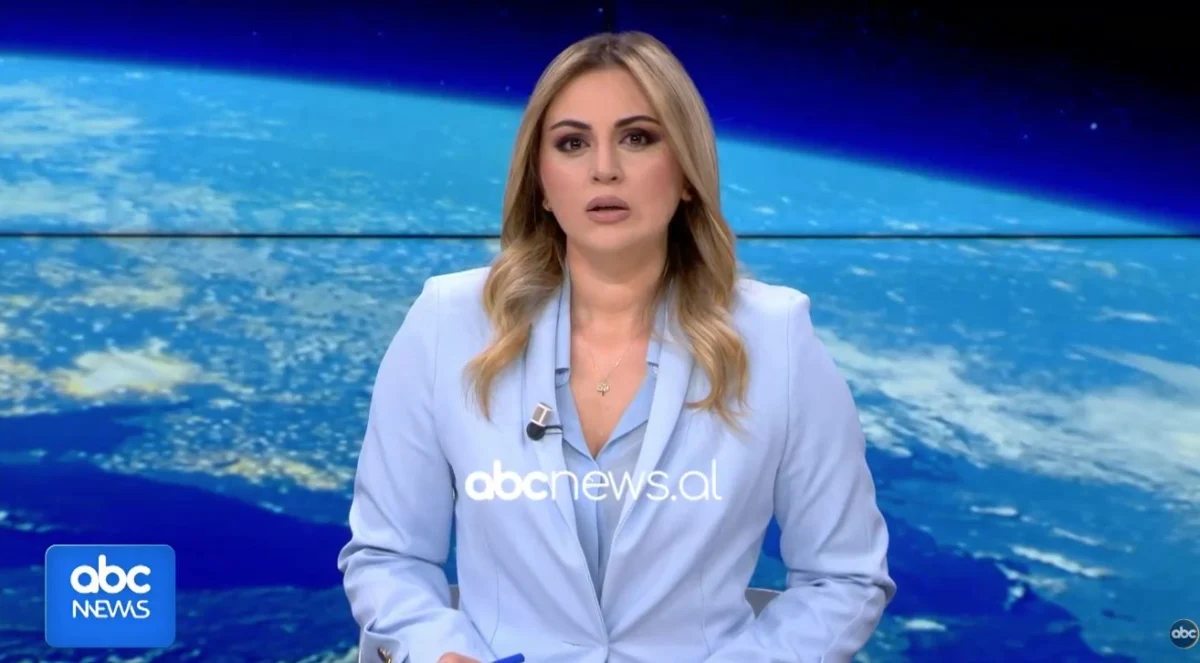
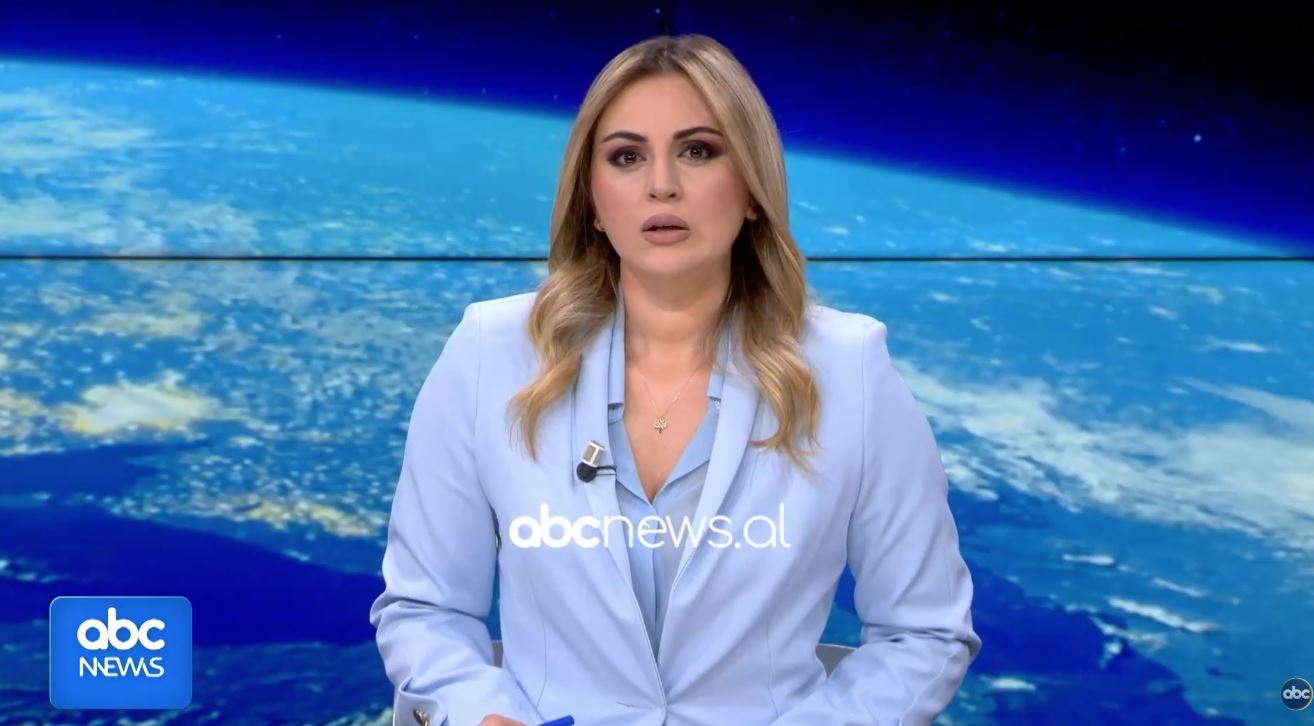
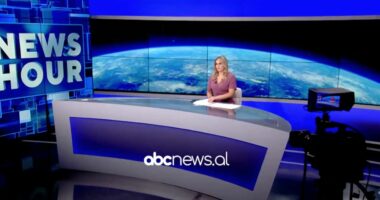
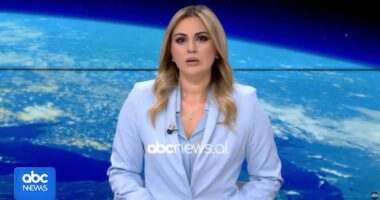
Tirana, Albania – October 26, 2026 – Albania finds itself navigating a precarious political landscape, where the intensity of domestic opposition clashes directly with the nation’s steadfast ambition for European Union membership. This critical juncture was the central theme of a compelling edition of ABC News’ "News Hour," hosted by the renowned journalist Habi Hoxha, broadcast on October 26, 2026, at 16:35. The program, a cornerstone of political analysis, delved into the profound question currently resonating across Albanian society: "Opposition violence versus European integration, how should the government react?" This question, also posed in an ongoing public poll by ABC News, underscores the deep divisions and high stakes defining Albania’s path forward.
The broadcast highlighted the increasing tension between a vocal and often confrontational opposition and a government committed to its reform agenda and the ultimate goal of EU accession. While the specifics of the opposition’s actions – whether parliamentary boycotts, street protests, or other forms of civil disobedience – were not detailed in the available summary, the framing of "violence" implies a degree of disruption that has captured public and international attention. Habi Hoxha’s segment aimed to dissect this complex interplay, bringing to light the potential ramifications for Albania’s democratic stability, economic development, and, crucially, its European future.
The Core Dilemma: A Nation’s Aspirations Held Captive by Internal Strife
The poll question itself—"Opposition violence versus European integration, how should the government react?"—serves as a stark reflection of the prevailing sentiment in Albania. It encapsulates a public yearning for progress and stability, juxtaposed against a political reality marked by persistent internal friction. For a nation that has tirelessly pursued EU membership, any perceived impediment, particularly one stemming from its own political actors, raises significant concern.
The "News Hour" likely explored various facets of this dilemma:
- The legitimacy and effectiveness of the opposition’s tactics.
- The government’s responsibility to maintain order while respecting democratic freedoms.
- The impact of political instability on investor confidence and economic growth.
- The perception of Albania by its international partners, especially Brussels.
Habi Hoxha, known for her incisive questioning and balanced approach, would have guided discussions through these contentious areas, aiming to provide viewers with a comprehensive understanding of the challenges and potential solutions. The program’s timing, in late October 2026, suggests that these issues have been simmering for some time, perhaps reaching a critical boiling point that necessitated an in-depth journalistic examination.
The Unfolding Political Drama: A Chronology of Discontent and Dialogue
Albania’s journey towards European integration has been a protracted one, often punctuated by periods of intense political polarization. The events leading up to the October 26, 2026, "News Hour" segment likely followed a familiar pattern of escalating tensions.

Background to the Opposition’s Stance
For several years leading into 2026, the Albanian political opposition, primarily composed of a fragmented but determined right-wing bloc, has voiced profound dissatisfaction with the ruling Socialist Party’s governance. Their grievances often center on allegations of corruption, electoral irregularities, state capture, and a perceived authoritarian drift. These concerns, whether substantiated or not, have fueled a strategy of confrontational politics, including:
- Parliamentary Boycotts and Disruptions: The opposition has frequently resorted to boycotting parliamentary sessions, hindering legislative processes, or disrupting proceedings with protests inside the assembly hall. This tactic, while aiming to delegitimize the government, often draws criticism for undermining democratic institutions.
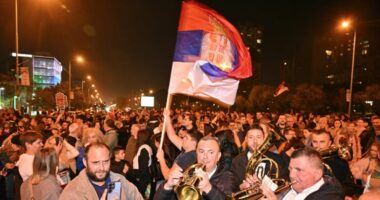
- Mass Public Protests: Large-scale demonstrations in Tirana and other major cities have been a hallmark of the opposition’s strategy, designed to showcase public discontent and exert pressure on the government. The term "violence" in the poll question could refer to instances where these protests have escalated beyond peaceful assembly, leading to clashes with law enforcement or property damage, as seen in past political cycles.
- Demands for Early Elections or Government Resignation: A recurring demand has been the call for snap elections or the resignation of key government figures, predicated on the belief that the current administration lacks democratic legitimacy or has failed the country.
Government’s Response and Integration Push
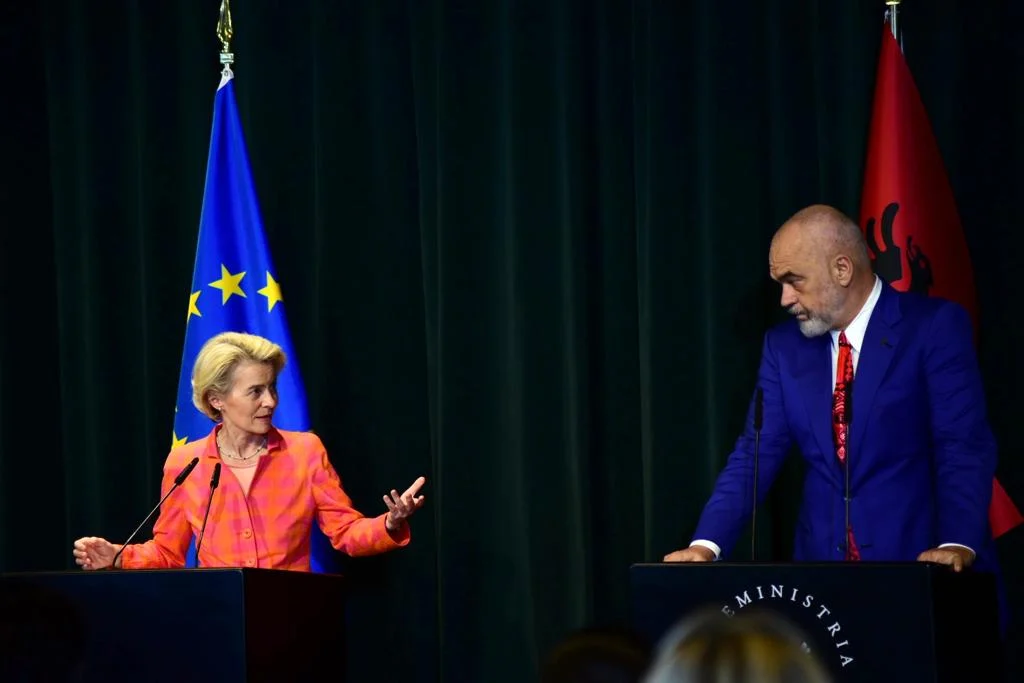
The Socialist Party government, led by Prime Minister Edi Rama, has consistently framed its agenda around two pillars: continued reforms for EU integration and economic development. Its response to opposition tactics has often been characterized by:
- Emphasis on Stability and Rule of Law: The government typically highlights the need for political stability to attract foreign investment and implement crucial reforms, often portraying opposition actions as destabilizing and detrimental to national interests.
- Commitment to EU Dialogue: Despite domestic turbulence, the government has maintained a consistent narrative of unwavering commitment to the EU accession process, often using progress in Brussels as a counter-narrative to internal criticism.
- Calls for Constructive Dialogue: Publicly, the government frequently extends invitations for dialogue with the opposition, albeit often under conditions that the opposition finds unacceptable, leading to a deadlock.
Key Events Leading to October 26, 2026
In the months preceding the "News Hour" broadcast, Albania likely witnessed a series of events that intensified the political climate:

- Summer 2026: A period of heightened parliamentary activity saw key legislative reforms related to justice or public administration being debated, potentially leading to fierce opposition resistance and accusations of government overreach.
- September 2026: The annual European Commission Progress Report on Albania might have been released, offering a mixed assessment. While acknowledging progress in some areas, it likely highlighted persistent challenges in the rule of law, anti-corruption efforts, and the need for a more constructive political dialogue – inadvertently fueling both sides of the domestic debate.
- Early October 2026: A major opposition-led protest or a significant parliamentary incident, possibly involving physical altercations or severe disruptions, could have occurred, prompting the public poll and the "News Hour" discussion on ABC News. This event would have crystallised the "opposition violence versus European integration" dilemma.
- Mid-October 2026: Statements from EU officials, perhaps expressing concern over the political climate, would have further underscored the international community’s unease and the potential impact on Albania’s integration prospects.
This chronological backdrop sets the stage for the crucial discussion on Habi Hoxha’s program, reflecting a nation grappling with its internal political differences while striving for a unified European future.
Deep Dive: Analyzing the Content of ‘News Hour’ with Habi Hoxha
The "News Hour" segment with Habi Hoxha on October 26, 2026, would have served as a critical platform for dissecting the core dilemma facing Albania. Through interviews with political analysts, government representatives (or their proxies), opposition voices, and perhaps even civil society leaders, the program aimed to shed light on the multifaceted nature of the crisis.
The Core Dilemma: Violence vs. Integration
The central question—how should the government react to opposition actions in the context of European integration—is fraught with complexity.

- From the government’s perspective: Maintaining public order and ensuring the functionality of state institutions is paramount. Allowing disruptive or violent protests to derail the reform agenda, particularly those reforms mandated by the EU, would be seen as a failure of governance and a capitulation to anti-democratic forces. Their reaction, therefore, would likely be to uphold the law, continue reforms, and appeal for international understanding of their efforts to stabilize the country.
- From the opposition’s perspective: Their actions, even if deemed "violent" by some, might be justified as the only effective means to challenge a government they perceive as corrupt or unresponsive. They might argue that true European integration requires robust democracy, accountability, and the protection of civil liberties, which they claim are under threat. Their reaction would be to intensify pressure until their demands for political change are met.
- The public’s perspective (as hinted by the poll): The public is caught between these two poles. While frustration with the government might be high, there is also a deep-seated desire for European integration, which is seen as a guarantor of better governance, economic prosperity, and a more secure future. The poll question suggests a desire for a government response that somehow balances stability with progress towards Europe, implying that violent opposition tactics are seen as counterproductive to this goal.
Expert Perspectives and Public Opinion
Hoxha’s program would have featured a panel of experts offering diverse viewpoints:
- Political Analysts: Some analysts might argue that the government must demonstrate firmness to ensure the rule of law and protect the reform process, emphasizing that appeasement could embolden disruptive elements. Others might suggest that a more inclusive approach, even towards a confrontational opposition, is necessary to de-escalate tensions and strengthen democratic legitimacy. They might also point out that the definition of "violence" itself can be subjective, ranging from verbal abuse and obstruction to physical clashes.
- Sociologists/Pollsters: Insights into the public poll results would have been crucial. If a significant portion of the public favors a firm government response, it would suggest a weariness with political instability. Conversely, if there’s sympathy for the opposition’s underlying grievances, it might indicate a broader societal dissatisfaction that needs addressing beyond mere law enforcement.
- Legal Scholars: Discussion would inevitably turn to the legal boundaries of protest and the state’s legitimate use of force, examining whether the government’s reactions have been proportionate and in line with international human rights standards.
Debating the Opposition’s Tactics
The effectiveness and legitimacy of the opposition’s methods would have been a hot topic.
- Are confrontational tactics truly achieving their goals of holding the government accountable, or are they merely alienating the public and international partners?
- Does the opposition have a clear, viable alternative program, or are their actions primarily reactive and destructive?
- How do these tactics compare with democratic opposition movements in other transitioning European countries?
The Stakes of European Integration
The program would underscore that Albania’s EU integration process is not merely a bureaucratic exercise but a transformative national project.
- Benefits: Accession brings significant economic benefits (structural funds, market access), strengthens democratic institutions, enhances the rule of law, and provides a framework for societal development.
- Challenges: The EU itself has strict conditionalities, and political instability or a perceived lack of commitment to democratic principles can significantly delay progress, as seen with other Western Balkan nations.
- Geopolitical Context: In a region still grappling with various challenges, a stable, democratically functioning Albania committed to Europe is vital for regional security and prosperity. Any internal strife that jeopardizes this path is viewed with concern by Brussels and Washington.
Supporting Data and Contextual Evidence
To fully contextualize the discussions on "News Hour," supporting data and broader regional and international trends would have been vital.
Economic and Social Indicators
Political instability has tangible economic costs.
- Foreign Direct Investment (FDI): Sustained political turmoil typically deters foreign investors seeking predictable and stable environments. The "News Hour" might cite recent dips in FDI or warnings from business associations about the impact of political friction on economic growth and job creation.
- Tourism: Albania’s burgeoning tourism sector, a significant contributor to its GDP, is particularly sensitive to perceptions of instability. Reports of protests or clashes can lead to travel warnings and a decline in bookings.
- Youth Emigration: A lack of confidence in the political future and economic prospects often exacerbates the issue of youth emigration, a critical demographic challenge for Albania.
- Public Trust: Data from local or international NGOs on declining public trust in institutions (parliament, judiciary, political parties) would paint a grim picture of the democratic deficit, which often fuels both government authoritarianism and opposition radicalism.
Regional Stability and European Aspirations
Albania’s political situation is not isolated; it exists within a complex Western Balkan context, where EU integration remains the primary strategic goal for all nations.
- US State Department on Serbia: The news of the US State Department expecting continued partnership with "new leadership in Serbia" (dated October 26, 2026) suggests ongoing political transitions and diplomatic engagement in the region. This highlights that while other countries are moving forward, Albania’s internal disputes could cause it to lag. The US and EU consistently advocate for regional stability and constructive political dialogue across the Balkans.
- Hungary’s Orban and the UN: The Wall Street Journal’s speculation about Viktor Orban as a potential UN chief (also October 26, 2026) reflects a broader trend of shifting global political dynamics and the rise of strongman leaders. While not directly related, it could serve as a point of comparison or contrast regarding leadership styles and democratic norms within the European sphere.
- Ukraine and US Missile Aid: Zelensky’s statement about waiting for US missile supplies (October 26, 2026) underscores the ongoing geopolitical tensions in Eastern Europe. This context reminds that the EU and its allies have pressing external challenges, making internal stability and democratic maturity in aspiring member states like Albania even more crucial.
Historical Precedents of Political Confrontation in Albania
Albania has a history of intense political rivalries and confrontational politics, particularly since the fall of communism. Recalling past periods of political crises, boycotts, and protests could provide valuable historical context for the "News Hour" discussion, showing whether current events are a continuation of old patterns or represent a new, more dangerous phase. This historical perspective could also highlight successful (or unsuccessful) strategies for de-escalation and dialogue.
Official Responses and Stakeholder Perspectives
The "News Hour" segment would have meticulously presented the positions of all key players, or at least provided a platform for their arguments.
Government’s Official Stance
The Albanian government would likely reiterate its commitment to:
- Rule of Law: Emphasizing its duty to maintain order, protect public and private property, and ensure that protests remain within legal boundaries. Any "violence" would be condemned as unacceptable and anti-democratic.
- Democratic Institutions: Stressing the importance of parliament as the primary arena for debate and decision-making, and calling for the opposition to return to constructive engagement within these institutions.
- European Path: Reaffirming that the country’s future lies unequivocally with the EU and that reforms will continue regardless of domestic political challenges. They would likely argue that opposition actions, especially disruptive ones, only serve to undermine Albania’s credibility in Brussels.
- Dialogue: Offering, perhaps conditionally, to engage in dialogue with the opposition on matters of national interest, but likely rejecting any preconditions that involve the government’s resignation or early elections.
Opposition’s Justification
The opposition would present their actions as a necessary response to what they perceive as:
- Government Corruption and Authoritarianism: Arguing that the government has captured state institutions, manipulated elections, and is systematically undermining democratic norms, leaving them with no recourse but street protests.
- Lack of Dialogue Channels: Claiming that the government is unresponsive to their concerns and unwilling to engage in genuine, meaningful dialogue, thereby forcing them into more confrontational tactics.
- Defense of Democracy: Portraying themselves as defenders of democracy, fighting for the rights and interests of citizens against an increasingly autocratic regime. They might dispute the characterization of their actions as "violence," instead framing them as legitimate acts of civil disobedience against an unjust system.
International Community’s View
The international community, particularly the European Union and the United States, would likely express a consistent message:
- Call for De-escalation and Dialogue: Urging both sides to exercise restraint, cease inflammatory rhetoric, and engage in meaningful political dialogue to resolve differences within democratic institutions.
- Emphasis on Reforms: Reaffirming that Albania’s EU path is contingent on continued progress in reforms, especially in the rule of law, anti-corruption, and good governance, and that political stability is crucial for these reforms.
- Respect for Democratic Processes: Stressing the importance of respecting election results, parliamentary procedures, and the independence of state institutions. They would likely issue implicit or explicit warnings that political instability could jeopardize Albania’s European prospects.
- Concerns about Regional Implications: International actors are keenly aware that instability in one Western Balkan country can have ripple effects across the region, making a peaceful resolution in Albania a priority.
Broader Implications for Albania’s Future
The political deadlock and confrontational atmosphere discussed on "News Hour" carry profound implications for Albania’s long-term trajectory.
Impact on Democratic Institutions
Persistent boycotts and disruptions degrade the functionality and legitimacy of parliament, undermining its role as a forum for legislative debate and oversight. This can lead to:
- Weakened Accountability: A less effective parliament struggles to hold the executive accountable, potentially fostering unchecked power.
- Erosion of Public Trust: Citizens lose faith in the political system when they see their elected representatives failing to engage constructively, leading to cynicism and disengagement.
- Constitutional Crises: Protracted political crises can sometimes push the boundaries of constitutional norms, creating dangerous precedents.
Economic Repercussions
Beyond direct investment, political instability can have broader economic effects:
- Credit Ratings: International rating agencies often downgrade countries perceived as politically unstable, increasing borrowing costs for both the government and private businesses.
- Development Projects: Delays in legislative processes or changes in government priorities can halt or postpone critical infrastructure and development projects, impacting growth and job creation.
- Brain Drain: The perception of a country unable to resolve its political differences constructively can accelerate the emigration of skilled professionals and young talent, further depleting the national human capital.
The Path to European Union Membership
This is perhaps the most significant implication.
- Delayed Accession: The EU prioritizes stability, rule of law, and a functioning democracy. Persistent political crises directly contradict these criteria, leading to delays in opening or closing negotiation chapters, and potentially freezing the entire accession process.
- Reputational Damage: Albania’s image as a reliable and serious candidate for EU membership can be tarnished, making it harder to garner support from member states.
- Conditionalities: The EU might impose additional, more stringent conditionalities on Albania’s progress, requiring tangible improvements in political dialogue and institutional functioning before further steps are taken.
Social Cohesion and National Unity
Deep political polarization can spill over into society, exacerbating divisions along political, regional, or even social lines. This can:
- Increase Social Tensions: Create an environment where public discourse becomes increasingly aggressive and intolerant.
- Distract from Real Issues: Divert national attention and resources from pressing social issues such as healthcare, education, environmental protection, and poverty reduction.
- Hinder Reconciliation: Prevent the development of a shared national vision and the ability to unite behind common goals, even those as universally desired as EU integration.
In conclusion, the "News Hour" with Habi Hoxha on October 26, 2026, brought into sharp focus the profound dilemma confronting Albania. The nation stands at a critical juncture, where the choices made by its political actors—both government and opposition—will determine not only its immediate stability but also the long-term viability of its European aspirations. The public poll, questioning the appropriate government response to opposition actions amidst the integration drive, reflects a collective yearning for a path that reconciles domestic political differences with the overriding national goal of a European future. For Albania to move forward, a concerted effort towards constructive dialogue, institutional strengthening, and a shared commitment to democratic principles, even in disagreement, remains paramount. The eyes of both its citizens and its international partners are fixed on how this delicate balance will ultimately be struck.