In the high-stakes world of modern commerce, most businesses suffer from a dangerous myopia: they are obsessed with the "acquisition" phase. Marketing budgets are poured into top-of-funnel strategies—paid social ads, influencer partnerships, and SEO—all designed to secure that elusive first sale. Yet, the moment the transaction is complete, the focus evaporates.
This oversight is costly. When a customer finishes a purchase, they enter a silent, critical window. In this space, the brand-customer relationship is fragile. Will the customer feel supported, or will the brand fade into the background noise of their inbox? The answer often lies not in the volume of emails sent, but in the precision of their timing.
The Paradigm Shift: Why Frequency is a Vanity Metric
For years, the conventional wisdom in digital marketing suggested that "more is better." If sales dipped, the knee-jerk reaction was to increase email frequency, blast out more promotional codes, and shout louder. However, recent data suggests this strategy is fundamentally flawed.
Customers do not disengage because they receive too few emails; they tune out because the emails they do receive lack context. A promotional discount for a product a customer just bought isn’t just ineffective—it’s an annoyance. In the eyes of the consumer, timing is the ultimate arbiter of relevance. When an email arrives out of sync with a user’s journey, it is categorized as clutter. When it arrives in alignment with their needs, it is perceived as a service.
The Power of Automated Context
The numbers support this pivot toward behavioral triggers. According to Omnisend’s 2025 ecommerce data, automated email flows are drastically outperforming manual, broad-spectrum campaigns. The data reveals a striking discrepancy: automated flows account for roughly 37% of total email-driven revenue, despite representing only 2% of the total email volume. This efficiency underscores a simple truth: behavior-triggered communication is not just "better" than generic marketing—it is exponentially more profitable.
The Psychology of Timing: Why It Trumps Tactics
To understand why timely emails are so effective, one must look beyond the screen and into the psychology of the consumer. Purchasing decisions are rarely cold, logical calculations; they are deeply influenced by emotion, habit, and situational context.
1. The Principle of Recognition
When a customer receives a communication that acknowledges their specific behavior—such as a guide on how to use a product they just purchased—it signals that the brand is paying attention. This recognition builds trust. It shifts the dynamic from a "transactional" relationship to a "relational" one. When a customer feels seen rather than sold to, their psychological resistance to further interaction drops significantly.
2. Maintaining Momentum
Post-purchase is the period of highest emotional engagement. The customer has invested their time and money; they are mentally primed to interact with your brand. This "momentum" is a perishable asset. If a brand waits too long to follow up, that spark of interest cools. If they follow up too quickly with an aggressive upsell, they risk buyer’s remorse. Timely emails act as a bridge, sustaining that momentum by providing reassurance and added value exactly when the customer is most receptive.
3. Reducing Decision Fatigue
Modern consumers are inundated with choices. By injecting helpful, timely prompts into their inbox, businesses can simplify the customer’s journey. Instead of forcing the customer to wonder "What’s next?" or "Do I need more of this?", a well-timed email provides the answer. When the decision is already half-formed, the customer is far more likely to take the path of least resistance: returning to your store.
The Lifecycle Chronology: Mapping the "Return" Journey
To build a sustainable retention strategy, you must map your email communication to the three critical stages of the customer lifecycle.
Stage 1: The Post-Purchase Reassurance
The seconds and days immediately following a first purchase are critical. This is not the time for another hard sell. Instead, this window should be dedicated to "Confirmation and Confidence." Your goal here is to reduce anxiety. Did they make the right choice? Is the product going to arrive on time?
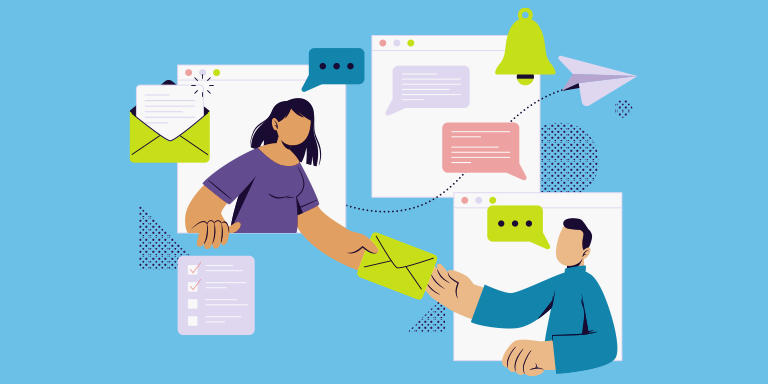
Emails in this phase should focus on:
- Support: Providing resources or tutorials that help the customer get the most out of their purchase.
- Expectation Setting: Keeping them informed about shipping and product care.
- Validation: Reaffirming that they have joined a community of like-minded, satisfied customers.
Stage 2: The "Quiet Period"
Most brands make the mistake of going silent after the purchase is delivered. The "Quiet Period" is actually a golden opportunity to build brand equity. This is when you offer content that adds value—not as a sales tactic, but as a brand-building exercise. Share insights, industry news, or "pro-tips" that don’t require an immediate purchase. This keeps your brand at the top of their mind without triggering "marketing fatigue."
Stage 3: The Re-Entry Moment
The final stage is the "Re-Entry." This is the point where the customer is naturally ready to return, based on their usage cycle. If you sold them a product that lasts for 30 days, your re-entry email should arrive around day 25. By aligning your communication with the product’s lifecycle, you move from being a "vendor" to being a "partner." The message feels intuitive, not persuasive.
Implications for Modern Founders
The shift toward timely, behavior-based marketing has profound implications for how businesses are managed. It signals the death of the "batch and blast" era of email marketing.
Operational Efficiency
For the time-strapped founder, the move toward automated, triggered emails is a massive efficiency win. Instead of spending hours crafting weekly newsletters that have diminishing returns, founders can invest that time into building high-quality, evergreen automated flows. Once set up, these systems work in the background, treating every new customer as a priority without requiring constant manual intervention.
Brand Integrity
In an era of high customer acquisition costs (CAC), retention is the only path to long-term profitability. Timely emails protect your brand’s integrity. By respecting the customer’s context, you prevent the "unsubscribes" that inevitably follow spammy, irrelevant communication. You are essentially building an audience that looks forward to your emails, rather than one that actively avoids them.
A Practical Framework: Building the Perfect Retention Email
If you are looking to audit your current strategy, consider these three pillars of an effective retention email:
- The Subject Line of Relevance: Avoid clickbait or artificial urgency. Your subject line should reference the specific interaction or the next logical step in the user’s journey.
- The "Value-First" Body: If you are asking for a second purchase, lead with a "why." Did they like their first purchase? Offer a tip on how to maintain it, then suggest a complementary item that makes their life easier.
- Low-Friction CTA: Keep the Call to Action (CTA) simple. Whether it’s a link to a blog post, a support video, or a simple "Buy Again" button, ensure the user knows exactly what the next step is.
Moving Forward
The future of ecommerce isn’t about finding more people; it’s about better serving the people you’ve already found. As the digital marketplace becomes increasingly crowded, the brands that win will not be the ones with the loudest megaphones, but the ones with the best timing.
By shifting your mindset from "campaign-based marketing" to "lifecycle-based connection," you align your business goals with the human behavior of your customers. This alignment is the bedrock of loyalty. It transforms a simple, one-time buyer into a repeat customer, and eventually, a brand advocate.
In the end, customers don’t come back because you sent them another email—they come back because you sent them the right email, at the right moment. Start building those moments today, and watch as your retention rates move from an afterthought to a core pillar of your business growth.
For those looking to implement these strategies, tools like Omnisend allow you to automate these critical moments, utilizing dynamic personalization and built-in social proof to ensure your brand always shows up exactly when it matters most.