When importing goods from overseas, the conversation between stakeholders is almost exclusively dominated by the "Big Three": price, lead times, and logistics. CFOs focus on margins, procurement teams fight for lower unit costs, and logistics managers obsess over getting the product from the factory floor to the warehouse shelf. In the rush to secure inventory, a critical safety net is often overlooked: who is actually insuring your goods, and what happens when they go missing or arrive damaged?
Many business owners operate under the dangerous assumption that because they have paid for shipping or have a "seamless" fulfillment process, their inventory is protected. However, in the complex web of global trade—involving manufacturers, freight forwarders, customs brokers, and third-party logistics (3PL) providers—an "everybody has insurance" mentality is a recipe for catastrophic financial loss.
The Illusion of Coverage: Main Facts and Risks
The primary risk for any importer is the "gap" in coverage. A freight forwarder’s liability is often limited by international conventions or contractual fine print. A warehouse operator’s insurance is designed to protect their facility, not necessarily the specific market value of your unique inventory.
If your goods are damaged, stolen, or lost during transit, you may find that the entity you assumed was liable is shielded by contract, or that your own insurance policy has specific exclusions regarding the location or status of the goods. The fundamental truth is this: Paying for transportation and being legally responsible for a shipment are two entirely different things.
Understanding the Incoterms Trap
The first step in mitigating risk is understanding where the "risk of loss" transfers. Incoterms (International Commercial Terms) define the responsibilities of buyers and sellers, but they are frequently misunderstood.
- The Point of Transfer: Risk can transfer when goods leave the factory, when they are loaded onto a vessel, or when they reach the destination port. If a container falls overboard while in transit, the party bearing the risk at that specific time is the one left to file the claim.
- Ownership vs. Risk: As the International Trade Administration highlights, Incoterms dictate risk, not necessarily ownership. Your contract must explicitly state when title passes, and your insurance must be aligned with the specific Incoterm used in your purchase order.
Chronology of a Shipment: Where Coverage Fails
To identify gaps, risk management experts recommend "walking through" an actual order. By mapping the journey of a shipment from a Chinese factory to a U.S. fulfillment center, we can identify exactly where the risk shifts and where typical policies fall short.
1. The Export Phase (Origin to Port)
Many importers rely on the supplier to arrange insurance. This is a common pitfall. If the supplier controls the insurance, you are often left in the dark regarding the policy’s breadth. Who is the beneficiary? What is the deductible? Most importantly, if a claim arises, you are dependent on a foreign entity to act as your intermediary. This "middleman" dynamic often results in delayed claims, lost documentation, and a lack of transparency that can stall your cash flow for months.
2. The Transit Phase (Ocean/Air)
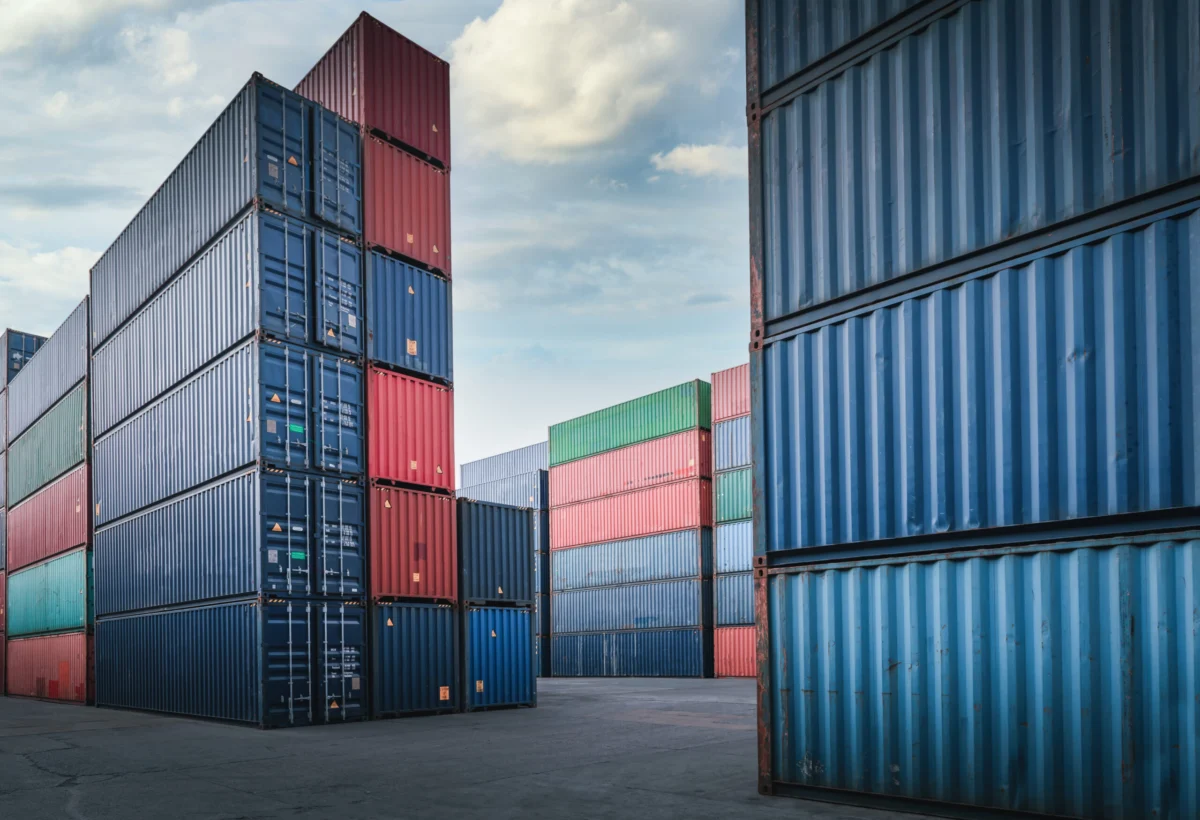
This is the period of highest risk. If you are relying on a forwarder’s "declared value," you are likely not covered by an insurance policy at all. A declared value simply increases the carrier’s legal liability limit; it is not a substitute for comprehensive cargo insurance. In the event of a total loss, the carrier may argue that their liability is limited to a small fraction of the product’s value, leaving you to absorb the rest.
3. The Import and Inland Phase
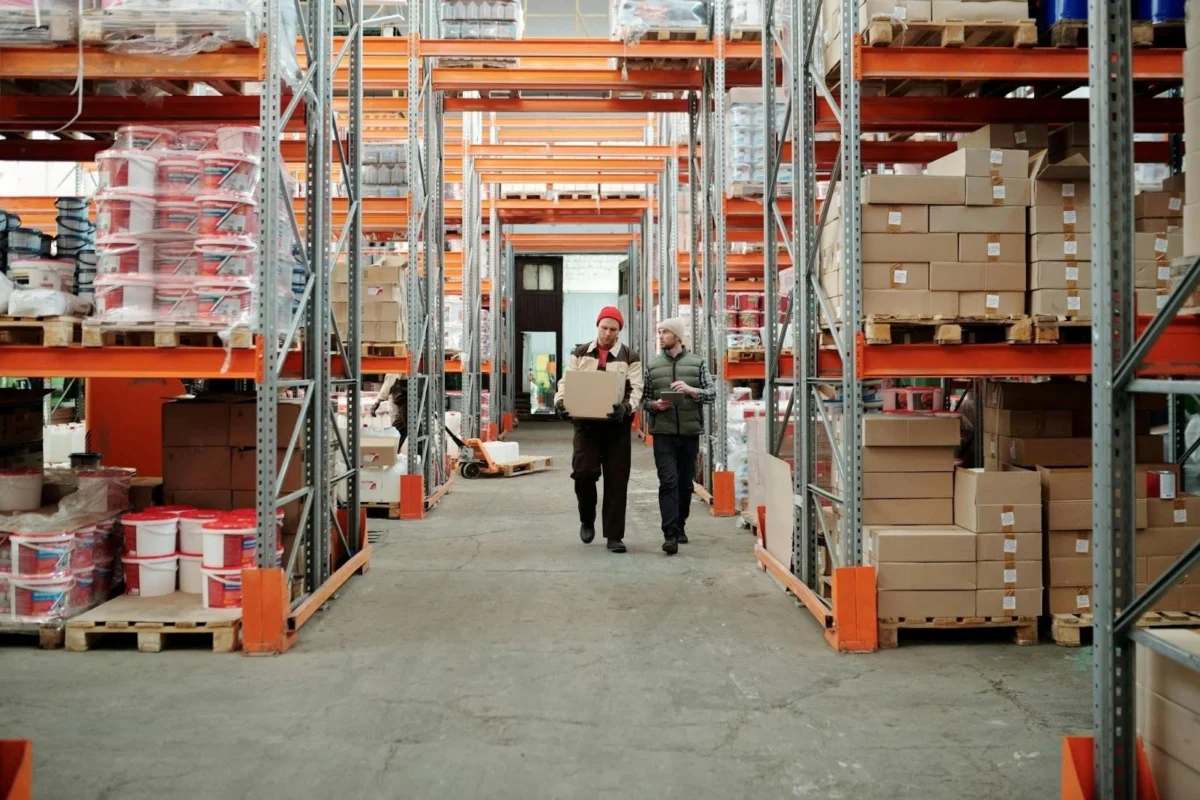
Once the container reaches the U.S. port, the journey is far from over. It must be drayed to a warehouse, potentially held in an overflow facility, and finally processed into inventory. If your policy only covers "transit," you may have no coverage during that crucial two-week window when the goods are sitting in a third-party warehouse.
4. The Inventory Phase
Once the goods are officially received, the policy must transition from a "cargo" policy to a "property" policy. If this transition is not seamless, a fire or theft in your warehouse could lead to a denied claim because the insurance provider argues the goods were technically still in the "transit" phase, or conversely, were not yet officially "inventory."
Supporting Data: The Case for Custom Policies
Business owners often struggle to determine if they need a standalone cargo policy or if they can rely on their existing commercial property insurance.
- Volume and Cost-Effectiveness: For high-volume importers, paying a "per-shipment" insurance fee to a freight forwarder is almost always more expensive and less effective than purchasing an annual cargo policy.
- The Claims Process: When you hold your own policy, you deal directly with your insurer and your broker. You aren’t reliant on a third party to "explain" your loss. You control the narrative, the documentation, and the negotiation.
- Inventory Valuation: This is the most dangerous area for the unwary. If your policy values goods at "purchase cost" but you are selling at "retail value," your insurance payout will not cover the loss of profit or the cost of replacing that inventory. You must ensure your policy defines the loss basis clearly—whether it is invoice cost, landed cost, or an agreed-upon market value.
Official Perspectives on Liability
According to commercial risk experts like Cory Fischer, the reliance on a 3PL’s Certificate of Insurance (COI) is a significant blind spot. "I wouldn’t rely on a forwarder’s or warehouse operator’s certificate of insurance as the answer," Fischer notes. Their liability coverage is designed to protect them against negligence, not to protect you against a lost shipment.
If a warehouse floods, they may not be legally responsible for your goods unless you can prove gross negligence. If you don’t have your own policy covering "stock throughput," you could lose your entire seasonal inventory without a path to recovery.
Implications for Modern Brands
The implications of poor insurance planning go beyond just losing a shipment.
Product Liability and Recalls
Importing adds a layer of complexity to product liability. If you are the "Importer of Record," you are the manufacturer in the eyes of U.S. regulators. If your product is defective, you are the one responsible for a recall, regardless of who made it in the factory.
A general liability policy is rarely sufficient for a large-scale product recall. You need dedicated recall coverage that defines the "triggering events"—such as mandatory government intervention or a voluntary withdrawal to prevent injury. Keeping batch and lot records is not just an operational necessity; it is a vital requirement for the claims process.
The Financial "Ripple Effect"
When you fail to account for the peak value of your stock, you leave your business exposed. If you have two large shipments on the water and a full warehouse during the peak holiday season, your total exposure might be triple what it is during the off-season. If your policy has a per-location limit that hasn’t been updated, you are effectively self-insuring the difference—a risk that could bankrupt a growing company.
Moving Forward: A Checklist for Importers
To protect your bottom line, take these steps before your next purchase order:
- Audit the Incoterms: Ensure your purchase order and your insurance policy are speaking the same language.
- Review the Valuation Clause: Does your policy cover the invoice price, landed cost, or retail value? Run a hypothetical "worst-case scenario" with your broker.
- Map the Journey: Track your goods from the factory door to the warehouse shelf. Identify every point of transfer and ensure there is no "coverage gap" during temporary storage.
- Decouple from Suppliers: Where possible, arrange your own insurance. Avoid relying on the supplier’s policy or the freight forwarder’s coverage limits.
- Review Product Liability: Verify that your liability coverage is specific to the goods you are importing, and confirm whether you have adequate recall insurance.
In the global economy, the distance between "profitable growth" and "catastrophic loss" is often just a few lines of insurance policy text. By treating your supply chain insurance with the same rigor you apply to product design and marketing, you ensure that when the unexpected happens, your business remains resilient enough to weather the storm.