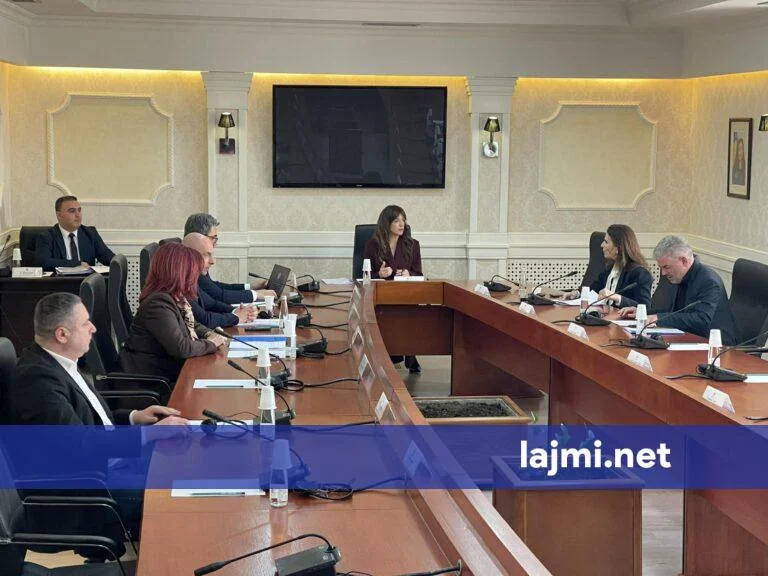
Pristina, Kosovo – The Presidency of the Assembly of Kosovo is poised to convene a pivotal meeting on Monday, October 26, at 11:00 AM, in room C-301. This forthcoming session is slated to tackle a comprehensive agenda, primarily focused on meticulously crafting the order of business for the next plenary session, alongside addressing a spectrum of other pressing parliamentary matters. The decisions made during this meeting are anticipated to significantly shape the legislative trajectory of Kosovo in the coming weeks and months, particularly concerning crucial financial legislation and the representation of minority communities.
The meeting holds considerable weight, acting as the primary gatekeeper for the Assembly’s legislative agenda. The Presidency, comprising the Speaker and deputy speakers from various parliamentary groups, is tasked with ensuring the efficient and orderly functioning of the legislative body. Their deliberations on Monday will not only determine the immediate legislative priorities but also reflect the ongoing political dynamics and the consensus-building efforts within the Kosovar parliament.
Setting the Stage: A Glimpse into the Upcoming Agenda
According to an official notification disseminated by the Directorate for Media and Public Relations of the Assembly, the meeting will commence with the procedural but essential task of reviewing and approving the minutes from the previous Presidency session. This standard practice ensures continuity and formalizes past decisions, laying the groundwork for the current discussions.
However, the core focus of the meeting will undoubtedly revolve around the proposition of the agenda for the subsequent plenary session. This item carries substantial political and legislative significance, as it dictates which draft laws, resolutions, and debates will occupy the Assembly’s time and attention. Among the key legislative items slated for discussion and potential inclusion in the plenary agenda is the second review of Draft Law No. 11/L-013, which proposes amendments and supplements to Law No. 10/L-001 concerning budget allocations for the Republic of Kosovo’s Budget for the year 2026. This particular piece of legislation is a cornerstone of the nation’s fiscal policy and its review process is often fraught with detailed scrutiny and robust debate.
Further items on the Presidency’s agenda include the approval of minutes from previous plenary sessions, a routine yet important administrative step to formalize the records of past parliamentary proceedings. Additionally, the Presidency will deliberate on proposals for "declarations outside the agenda," which allow deputies to raise issues of national importance that may not be directly tied to scheduled legislative debates, and "parliamentary questions," a vital mechanism for holding the executive branch accountable.
A politically sensitive item also awaiting discussion and a potential vote is the proposal put forth by the Parliamentary Group of the Serbian List regarding the appointment of its deputies to various parliamentary committees. This decision carries implications for inter-ethnic relations and the inclusive functioning of Kosovo’s legislative institutions. The meeting will conclude with the Presidency addressing any other proposals and requests that may arise from its members, underscoring its role as a central coordinating body within the Assembly.
Chronology of Legislative Action: Paving the Way for Key Decisions
The upcoming Presidency meeting is not an isolated event but rather an integral step in the broader legislative cycle of the Assembly of Kosovo. Understanding the chronological context provides deeper insight into the significance of Monday’s deliberations and the chain of events that will follow.
Pre-Meeting Preparations and the Weight of Precedent
Before the Presidency convenes, a flurry of preparatory work typically takes place. Parliamentary groups often meet internally to strategize their positions on various agenda items, particularly regarding the budget law and committee appointments. The Assembly’s administration, including the Directorate for Media and Public Relations, meticulously prepares documentation, reports, and minutes for review. The very act of scheduling the meeting on October 26 at 11:00 AM in C-301 indicates a readiness to move forward with the legislative calendar, suggesting that a significant plenary session is being prepared for in the immediate aftermath.
The approval of minutes from previous Presidency meetings, the first item on Monday’s agenda, is more than a formality. It serves to officially record and ratify decisions made in prior sessions, ensuring legal continuity and accountability. These previous decisions might include initial discussions on the budget timeline, preliminary considerations for committee structures, or directives regarding the processing of specific draft laws. The weight of these precedents informs the current discussions and sets the stage for new decisions.
The Immediate Agenda: What to Expect on Monday
As detailed, the meeting’s primary function is to consolidate and prioritize the legislative work of the Assembly. The sequence of discussions on Monday will be crucial:
- Approval of Previous Minutes: A quick but necessary step to validate past proceedings.
- Proposal of Plenary Agenda: This is where the real debate begins. Members of the Presidency, representing different political factions, will put forward their suggestions for the upcoming plenary. This often involves intense negotiation and compromise, as each group seeks to prioritize legislation aligned with its political platform. The inclusion of the 2026 Budget Law for its second review is almost certain to be a central point of this discussion.
- Second Review of Draft Law No. 11/L-013 (2026 Budget): This item, though part of the plenary agenda proposal, is significant enough to warrant focused discussion within the Presidency itself. The Presidency might discuss the procedural aspects of its review, allocate time for debate, and potentially identify areas requiring specific attention during the plenary.
- Approval of Previous Plenary Minutes: Similar to Presidency minutes, this ensures the official record of the Assembly’s main sessions is kept up-to-date.
- Declarations Outside the Agenda and Parliamentary Questions: The Presidency will allocate time slots for these crucial oversight mechanisms, ensuring that deputies have the opportunity to raise pertinent issues and question the government.
- Serbian List’s Committee Appointment Proposal: This item necessitates careful consideration, given its political implications. The Presidency will discuss the procedural aspects of the vote and the broader context of minority representation.
- Other Proposals and Requests: This catch-all item allows for flexibility, addressing unforeseen issues or urgent matters that require the Presidency’s immediate attention.
Beyond the Presidency: The Path to Plenary
The immediate outcome of Monday’s meeting will be the finalized agenda and schedule for the next plenary session. Once approved by the Presidency, this agenda will be communicated to all deputies, preparing them for the upcoming legislative work. The date of the plenary session itself will likely be set shortly after the Presidency meeting, potentially within the same week or the following one, demonstrating a concerted effort to maintain legislative momentum.
The second review of the budget law, should it be placed on the plenary agenda, will then proceed to a full debate and potential amendments by all deputies, followed by a final vote. Similarly, the proposal concerning the Serbian List’s committee appointments will be brought before the entire Assembly for a vote, reflecting the collective will of the legislative body. The chronology therefore moves from internal leadership deliberation (Presidency) to broader parliamentary action (Plenary), ultimately leading to the enactment or rejection of key legislation.
Deeper Dive into the Agenda: High-Stakes Discussions Await
The items on the Presidency’s agenda are not mere procedural formalities; they represent critical junctures for Kosovo’s governance, economic stability, and social cohesion. A closer examination reveals the profound implications of each point.
The 2026 Budget Law: A Pillar of Kosovo’s Future
The second review of Draft Law No. 11/L-013, amending and supplementing Law No. 10/L-001 on budget allocations for the Republic of Kosovo’s Budget for the year 2026, stands out as the most significant item on the agenda. The national budget is the financial blueprint for the country’s operations, detailing anticipated revenues and planned expenditures across all government sectors. Its approval is paramount for the functioning of state institutions, the provision of public services, and the implementation of development projects.
Economic Context and Fiscal Priorities
By 2026, Kosovo’s economy will likely continue to navigate a complex global and regional landscape. Factors such as global inflation, energy price fluctuations, supply chain disruptions, and geopolitical tensions could all influence the country’s economic outlook. Domestically, the budget for 2026 will need to address persistent challenges such as high unemployment, particularly among youth, the need for continued infrastructure development (roads, energy, digital connectivity), improvements in healthcare and education systems, and support for the private sector to foster economic growth.
The second review process implies that the draft law has already undergone an initial reading and perhaps committee-level scrutiny, where initial concerns, amendments, and recommendations would have been formulated. This subsequent review is a crucial opportunity for deputies to propose further refinements, ensuring that the budget accurately reflects national priorities, adheres to fiscal discipline, and addresses the needs of citizens across all regions and demographics. Key fiscal priorities for 2026 might include:
- Social Programs: Allocations for pensions, social assistance, and support for vulnerable groups.
- Infrastructure Investment: Funding for ongoing and new projects in transportation, energy, and public utilities.
- Human Capital Development: Increased spending on education, vocational training, and healthcare services.
- Economic Diversification: Incentives and support for key sectors such as IT, agriculture, and tourism.
- Public Administration Reform: Funding for initiatives aimed at improving efficiency and transparency in government.
- Security and Defense: Continued investment in the Kosovo Security Force and national security infrastructure.
The Legislative Journey of a Budget
The process of approving a budget law is inherently complex and often contentious. It typically involves:
- Government Proposal: The Ministry of Finance drafts the initial budget based on economic forecasts and government priorities.
- First Reading (Plenary): Deputies debate the general principles and overall framework of the budget.
- Committee Review: Specialized parliamentary committees (e.g., Budget and Finance Committee) scrutinize specific sections, invite expert opinions, and propose amendments.
- Second Reading (Plenary): This is where the draft law, including proposed amendments from committees, is debated in detail, article by article. Deputies can propose further amendments, and a vote is taken on each section. This is the stage the Presidency is preparing for.
- Final Vote (Plenary): The entire amended budget law is put to a final vote.
- Presidential Promulgation: Once approved by the Assembly, the law is sent to the President for promulgation.
The Presidency’s role on Monday is to ensure that the process for this second review is clearly defined, adequately scheduled, and allows for robust but efficient debate. Any delays or significant disagreements at this stage could impact the timely approval of the budget, potentially leading to a provisional funding mechanism and creating uncertainty for public institutions and citizens.
Representation and Inclusion: The Serbian List’s Committee Proposal
Another highly significant item on the agenda is the proposal from the Parliamentary Group of the Serbian List for the appointment of its deputies to parliamentary committees. This is not merely a bureaucratic detail but a matter deeply intertwined with Kosovo’s constitutional framework, minority rights, and the ongoing process of normalization with Serbia.
Significance of Minority Representation
Kosovo’s constitution guarantees representation for minority communities, including the Serb community, in its institutions. Parliamentary committees are crucial forums where legislation is shaped, government policies are scrutinized, and detailed work is conducted. Active participation of the Serbian List in these committees ensures that the concerns and interests of the Serb community are directly represented and considered in the legislative process. It also contributes to the legitimacy and inclusivity of the Assembly as a whole.
The Serbian List, as the largest political party representing the Serb community in Kosovo, often holds a unique and sometimes challenging position within the Assembly. Its decisions are frequently scrutinized through the lens of inter-ethnic relations and the Belgrade-Pristina dialogue.
Navigating Political Sensitivities
The process of appointing members to parliamentary committees is usually governed by the proportional representation of parliamentary groups. However, specific provisions often exist to ensure minority representation. The Presidency’s discussion and subsequent vote in the plenary on the Serbian List’s proposal will be watched closely.
Potential implications of this decision include:
- Strengthening Inclusivity: If the proposal is approved, it would signal a commitment to integrating minority representatives into the core legislative work of the Assembly, potentially fostering greater trust and cooperation.
- Political Bargaining: Such appointments can sometimes be the result of broader political agreements or compromises between the ruling coalition and opposition groups, including minority parties.
- Functional Assembly: The active participation of all parliamentary groups, including minority ones, is essential for the full and effective functioning of the Assembly’s oversight and legislative roles.
- International Perception: Kosovo’s commitment to protecting and promoting the rights of its minority communities is a key aspect of its democratic credentials and its path towards European integration. A smooth and fair process for committee appointments would positively contribute to this image.
The Presidency will need to ensure that the proposal adheres to the Assembly’s rules of procedure and that the process is transparent and fair. Any disagreements could highlight underlying political tensions or challenges in ensuring full integration of minority communities into the political life of Kosovo.
Parliamentary Scrutiny: Declarations and Questions
While perhaps less headline-grabbing than the budget or minority representation, the inclusion of "declarations outside the agenda" and "parliamentary questions" on the Presidency’s proposed plenary agenda underscores the Assembly’s vital role in democratic oversight.
- Declarations Outside the Agenda: These allow deputies to raise pressing issues that may not be directly related to the scheduled legislative items but are deemed important for public discourse or require immediate parliamentary attention. This mechanism provides a platform for deputies to articulate public concerns, condemn actions, or highlight achievements, often reflecting current events or emergent crises.
- Parliamentary Questions: This is a fundamental tool for holding the executive branch (the government) accountable. Deputies can submit written or oral questions to ministers or the Prime Minister, seeking clarification on policies, expenditures, decisions, or failures to act. The Presidency’s role is to allocate sufficient time for these questions, ensuring that the government is subject to rigorous scrutiny and that deputies can fulfill their oversight function effectively.
Together, these mechanisms ensure that the Assembly remains a vibrant forum for debate, accountability, and the representation of citizens’ diverse interests, extending beyond just the passage of laws.
Official Posture and Anticipated Responses
In the lead-up to and immediate aftermath of the Presidency meeting, various official and political statements are expected, reflecting the high stakes involved in the agenda items.
The Need for Consensus and Transparency
The Directorate for Media and Public Relations, in its initial notification, has already set a tone of transparent communication by announcing the meeting details. Following the meeting, it is anticipated that the Presidency, through the Speaker or a designated spokesperson, will issue a formal statement confirming the adopted agenda for the next plenary session. This statement will likely emphasize the importance of the upcoming legislative work, particularly the budget law, and underscore the commitment of the Assembly’s leadership to efficient and democratic procedures.
There will be an implicit, and often explicit, call for consensus among parliamentary groups, especially regarding critical legislation like the national budget. Given the fragmented political landscape often seen in parliamentary democracies, achieving broad agreement is crucial for stability and effective governance. The Presidency’s ability to forge such consensus will be a key indicator of its effectiveness.
Expected Statements from Political Groups
- Ruling Coalition: Members of the ruling coalition will likely express optimism about the adopted agenda, highlighting the strategic importance of the budget law for the government’s program and the country’s development. They might emphasize the need for timely approval to ensure financial stability and the implementation of planned projects. Regarding the Serbian List’s proposal, they might articulate a commitment to inclusivity and constitutional rights, provided the process adheres to established rules.
- Opposition Parties: Opposition parliamentary groups will undoubtedly scrutinize the Presidency’s decisions. They are expected to voice any concerns regarding the proposed plenary agenda, particularly if they feel their legislative priorities have been overlooked or if there are perceived procedural irregularities. Their statements on the budget law will likely focus on potential shortcomings, areas of overspending or underfunding, and alternative fiscal priorities. On the Serbian List’s proposal, opposition parties might comment on the broader implications for political stability and inter-ethnic dialogue, perhaps linking it to other political developments.
- Serbian List: Following the decision on their committee appointment proposal, the Serbian List will issue a statement reflecting their satisfaction or dissatisfaction. If approved, they will likely emphasize the importance of their representation for the Serb community and their commitment to working within Kosovo’s institutions. If rejected or delayed, they may voice strong objections, potentially highlighting perceived discrimination or lack of political will for genuine inclusivity.
These official and political responses will not only inform the public but also set the tone for the upcoming plenary debates, influencing how the critical legislative items are discussed and ultimately voted upon.
Far-Reaching Implications: Shaping Kosovo’s Trajectory
The outcomes of the Presidency meeting and the subsequent plenary session will have profound and lasting implications across various facets of Kosovo’s development.
Impact on Governance and Legislative Efficiency
The Presidency’s ability to efficiently organize the Assembly’s work is central to effective governance. A well-structured and timely agenda allows for productive debates, thorough scrutiny of legislation, and the prompt enactment of necessary laws. Conversely, delays, political gridlock, or procedural disputes can hinder the legislative process, undermine public trust, and create an impression of governmental instability.
The handling of the 2026 Budget Law, in particular, will be a critical test of the Assembly’s efficiency. Its timely approval is essential for the government to implement its policies, for public institutions to function without disruption, and for service delivery to citizens. Any prolonged uncertainty around the budget could force reliance on provisional funding, limiting new initiatives and creating operational challenges.
Socio-Economic Ramifications for Citizens
The most direct impact on the citizens of Kosovo will stem from the provisions of the 2026 Budget Law. The budget determines funding for essential public services such as healthcare, education, social welfare, and infrastructure projects. Decisions on allocations for these sectors will directly affect:
- Employment: Investments in infrastructure and economic development can create jobs.
- Healthcare Access and Quality: Funding for hospitals, medical equipment, and health programs.
- Educational Opportunities: Budgets for schools, universities, scholarships, and teacher salaries.
- Social Safety Nets: Support for pensioners, families in need, and vulnerable populations.
- Quality of Life: Investments in roads, public transport, energy supply, and environmental protection.
Furthermore, the budget reflects the government’s fiscal policy, including taxation and public debt management, which indirectly affects every household and business. A sound budget can foster economic growth and attract foreign investment, while an unstable one can deter it.
Inter-Ethnic Dialogue and Stability
The decision regarding the Serbian List’s representation in parliamentary committees carries significant weight for inter-ethnic relations within Kosovo and for the ongoing dialogue with Serbia. Inclusive political processes are fundamental for building a stable, multi-ethnic society. If the Serbian List’s participation is facilitated fairly, it can contribute to their integration into Kosovo’s political system and foster a sense of ownership over the legislative outcomes. Conversely, perceived exclusion or unfair treatment could exacerbate tensions, provide fodder for nationalist rhetoric, and complicate efforts towards normalization.
The way this issue is handled will also be observed by international partners, who consistently advocate for the protection of minority rights and the promotion of inter-ethnic dialogue as core tenets of Kosovo’s democratic development.
International Perceptions and European Integration
Kosovo’s journey towards full European integration is heavily dependent on its adherence to democratic principles, rule of law, and a functioning parliamentary democracy. The efficient operation of the Assembly, the transparency of its processes, and its commitment to inclusive governance are all factors that are closely monitored by the European Union and other international bodies.
The timely approval of a responsible budget, the robust oversight of the government through parliamentary questions and declarations, and the fair representation of all communities contribute to Kosovo’s international credibility. Positive progress on these fronts strengthens Kosovo’s case for further integration steps, such as visa liberalization (already achieved), candidate status, and ultimately, EU membership. Any setbacks or significant political instability, however, could delay these aspirations.
Conclusion: A Week of Deliberation and Decision
The upcoming meeting of the Presidency of the Assembly of Kosovo on Monday, October 26, is far more than a routine administrative gathering. It is a critical preparatory stage for a series of high-stakes legislative actions that will resonate across Kosovo’s political, economic, and social landscape. From charting the course for the nation’s 2026 budget – a document vital for every citizen’s well-being – to navigating the delicate balance of minority representation in parliamentary committees, the decisions made by the Presidency will set the tone and direction for the Assembly’s immediate future.
The coming days will be marked by intense deliberation, political maneuvering, and the imperative for consensus. The successful navigation of these challenges will underscore the maturity and functionality of Kosovo’s democratic institutions, paving the way for a more stable, inclusive, and prosperous future. As the nation watches, the Presidency’s leadership will be tested in its capacity to ensure an efficient, transparent, and ultimately productive legislative process.