By Jan Lee
October 6, 2026
As global temperatures continue to shatter records, with August 2026 marking the warmest month since records began in 1850, a hidden crisis is unfolding in delivery rooms and prenatal clinics worldwide. A groundbreaking new survey has revealed that 73% of maternal healthcare professionals are reporting an alarming surge in heat-related complications among pregnant patients.
UN climate leaders have officially classified this development as a "new faultline" in the climate crisis—a stark reminder that as the planet warms, the most vulnerable among us are bearing the heaviest burden. From the clinics of Australia to the rural health centers of Zimbabwe, the medical community is sounding the alarm: pregnancy and childbirth are becoming increasingly hazardous in a world defined by extreme heat.
The Rising Tide of Heat-Related Complications
The data, derived from a survey of 1,000 healthcare professionals across Australia, Brazil, India, the UK, and Zimbabwe, paints a grim picture. Nearly every respondent reported having cared for a pregnant woman or newborn whose health had been compromised by rising temperatures.
The physiological stress of pregnancy leaves women particularly susceptible to heat. As the body struggles to maintain thermoregulation, extreme ambient temperatures can trigger a cascade of negative outcomes. According to the survey, every 1°C rise in temperature is statistically linked to a 5% increase in premature births and a 7% increase in gestational diabetes.
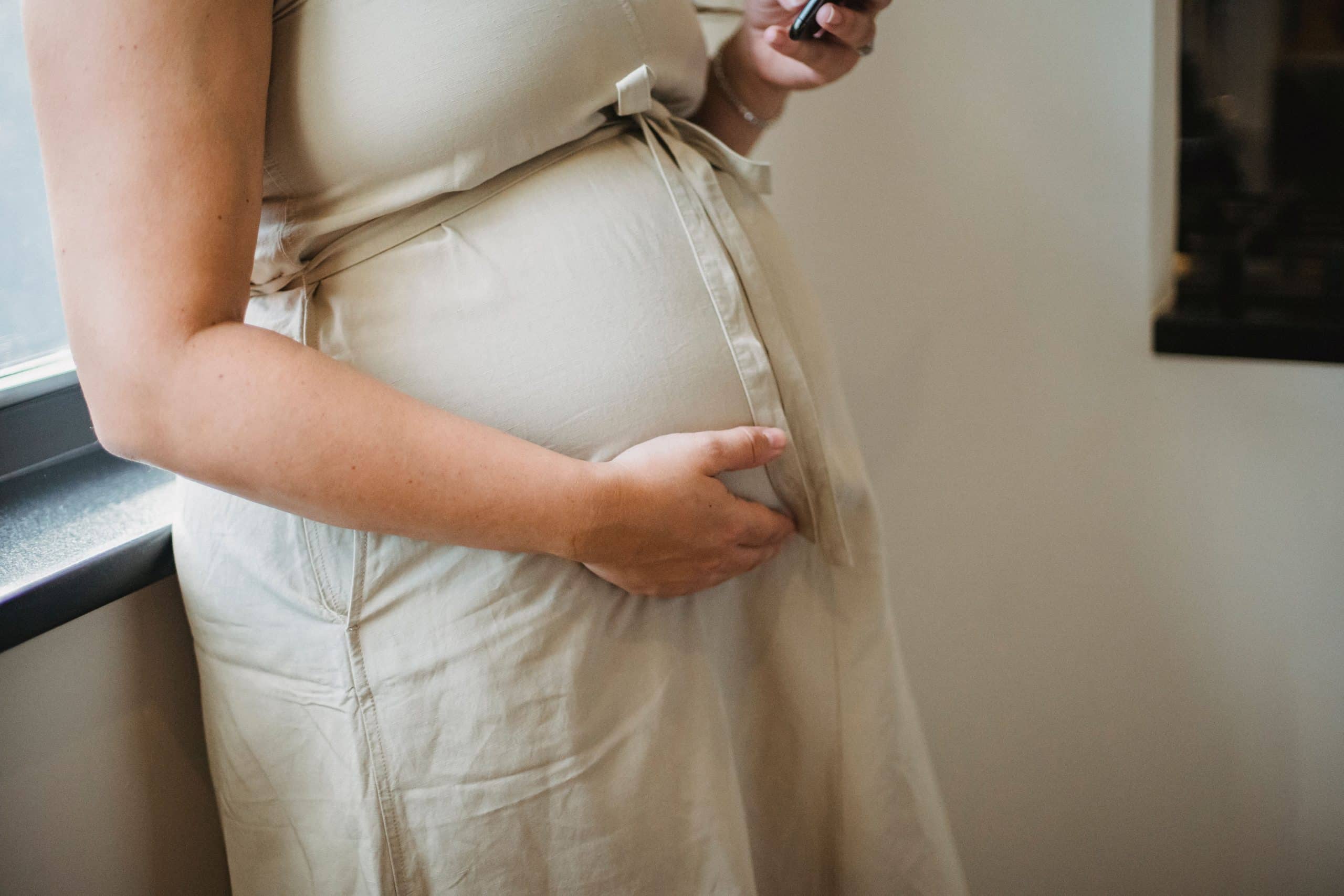
These are not merely abstract figures; they represent a fundamental shift in obstetric risk. Medical staff report that the environmental hazards are complicating every stage of the reproductive cycle, from fetal development to postnatal recovery.
A Chronology of a Mounting Crisis
The awareness of heat as a maternal health risk has been a slow-burning issue that has reached a tipping point over the last five years.
- 2021–2023: Early academic studies began to draw correlations between heatwaves and adverse birth outcomes, including low birth weight and preterm labor. However, these findings were largely confined to medical journals and climate policy white papers.
- 2025: Following the COP30 summit in Belém, Brazil, the international community adopted a new Gender Action Plan. This agreement sought to address the systemic exclusion of women in climate decision-making, setting the stage for a more focused look at gender-specific health impacts.
- Early 2026: As global surface temperatures consistently hovered 1.3°C above 20th-century averages, health professionals began reporting "surges" in emergency room presentations. This prompted the international survey of 1,000 practitioners to quantify the anecdotal evidence.
- October 2026: The survey results were released at a pre-COP31 event in Fiji, forcing the issue of maternal health into the center of the global climate conversation.
Quantifying the Danger: Supporting Data
The survey provides a detailed breakdown of the clinical challenges medical professionals are currently facing. The findings highlight the specific ways in which heat manifests as a clinical pathology:
- Developmental Risks: 34% of respondents noted an increase in cases of low birth weight and restricted fetal growth.
- Neonatal Illness: 36% of practitioners reported a rise in dehydration and heat-related illnesses among newborns, who are significantly less capable of regulating their internal temperature than adults.
- Postnatal Complications: 33% of healthcare providers observed new difficulties in breastfeeding, breathing, and temperature regulation among infants in the immediate postnatal period.
- Access Barriers: Perhaps most concerningly, 27% of respondents indicated that extreme heat prevents families from physically accessing medical facilities, while 29% reported an increase in emergency presentations that could have been prevented with better prenatal management.
The consensus among the 92% of surveyed professionals is clear: the current medical infrastructure is ill-equipped for this new reality. There is an urgent, unmet demand for specialized training, climate-resilient facilities, and standardized clinical guidance on how to manage pregnancy in a warming world.
Official Responses: A Call for Systemic Change
The launch of the survey in Fiji served as a catalyst for high-level political discourse. UN Climate Change Executive Secretary Simon Stiell, speaking to the urgency of the findings, did not mince words.
"We are in a new, hotter world, as the world continues to burn planet-heating fossil fuels," Stiell stated. "The picture is clear and very disturbing: as extreme heat worsens, pregnancy and birth are now a new faultline in the global climate crisis."
Stiell emphasized that the issue is inherently linked to social inequality. "A safe birth is already too often shaped by geography, income, and access to care," he noted, adding that for many, "staying cool is simply not an option when there is no cool place to go."
Julia Gillard, Chair of Wellcome and former Prime Minister of Australia, echoed these sentiments. "Midwives and doctors from countries across five continents are telling us that extreme heat is affecting the health of pregnant women and newborn babies. No woman should have to fear that extreme heat will harm the baby she is carrying."
The coalition behind the survey is now calling for three major policy shifts:
- Clinical Integration: The development of World Health Organization-backed clinical guidance specifically for heat, pregnancy, and the postpartum period.
- Infrastructure Resilience: The mandatory inclusion of maternal and newborn health in national climate adaptation plans.
- Data Surveillance: Improved monitoring systems to track the impact of heat on maternal health in real-time, allowing for early interventions.
Implications: The Intersection of Climate and Justice
The crisis is not uniform; it is filtered through the lens of socioeconomic status. Mabel Adinya Ade, Executive Director of the Adinya Arise Foundation in Nigeria, highlights the compounding nature of these risks.

"Climate change is increasingly becoming a maternal health crisis, particularly for women living in displacement and poverty," Ade explains. For these populations, the challenges are structural: inadequate shelter, limited access to clean water, and nutritional deficiencies all serve to lower the threshold at which heat becomes a lethal threat. When the climate is hostile, the "safety net" of basic healthcare often disintegrates.
Furthermore, the "Gender Action Plan" signed at COP30 is now being scrutinized for its ability to deliver on its promises. While the plan aims to improve the representation of women in climate decision-making, the current reality suggests that the health of women is still an afterthought in the broader climate finance conversation.
Looking Toward COP31: The Path Forward
As the world looks toward COP31 in Antalya, Turkey, this November, the pressure is mounting to move from rhetoric to action. The conference is scheduled to host a high-level gender event, with a dedicated "Gender Day" that will focus on the intersection of maternal health and climate policy.
The goal is to move beyond acknowledging the problem to implementing tangible solutions. This includes "climate-resilient" healthcare infrastructure—hospitals designed to stay cool without constant reliance on failing electrical grids—and the training of community health workers to recognize early signs of heat stress in pregnant patients.
However, the medical community remains cautious. They note that while local interventions are necessary, they are ultimately stopgaps. Without a rapid, global transition away from fossil fuels, the "new faultline" of maternal and infant health will only deepen.
As we approach the end of 2026, the message from the front lines of global health is unmistakable: the climate crisis is not merely an environmental or economic issue. It is a biological one, and the next generation is already being shaped by the heat of today. The question remains whether the global community will treat this as the emergency it truly is, or allow another generation of mothers and infants to face the rising heat without the protection they deserve.