In the traditional era of search engine optimization (SEO), success was binary: you either ranked in the top three blue links, or you were invisible. However, as Artificial Intelligence (AI) search engines like ChatGPT, Perplexity, and Google’s AI Overviews become the primary interface for information retrieval, the rules of the game have fundamentally changed.

You can hold the first-page ranking for a high-volume keyword and still be completely ignored by an LLM (Large Language Model). The reason lies in a complex background process known as "query fan-out." Understanding this mechanism is no longer optional for brands looking to maintain digital relevance; it is the new frontier of search visibility.
What Is Query Fan-Out?
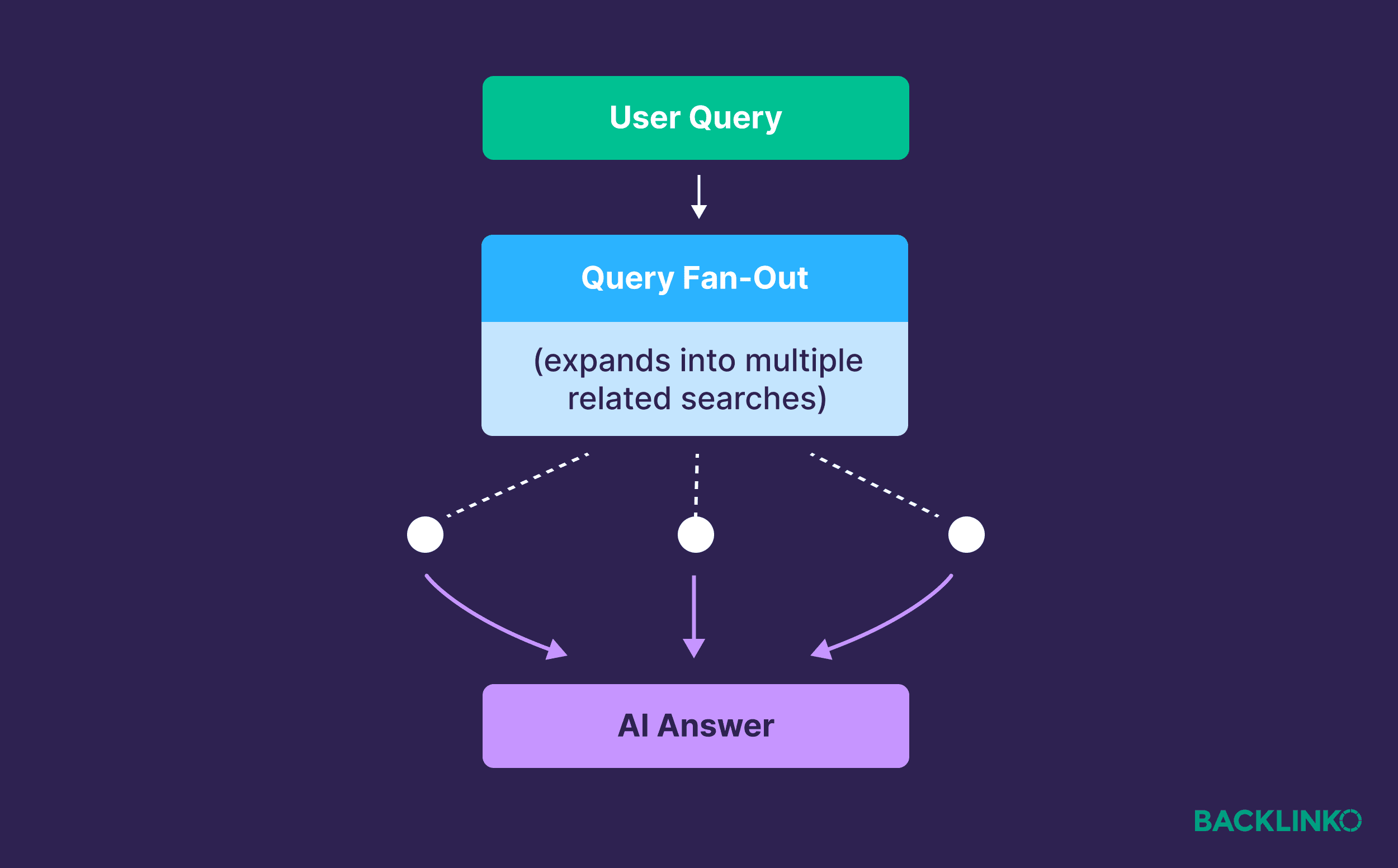
Query fan-out is the sophisticated process AI search systems use to decompose a single, often vague, user prompt into a series of granular sub-queries. Instead of defaulting to the "best-ranking" website, the AI acts as a research assistant, "fanning out" its search parameters to build a multidimensional, comprehensive answer.
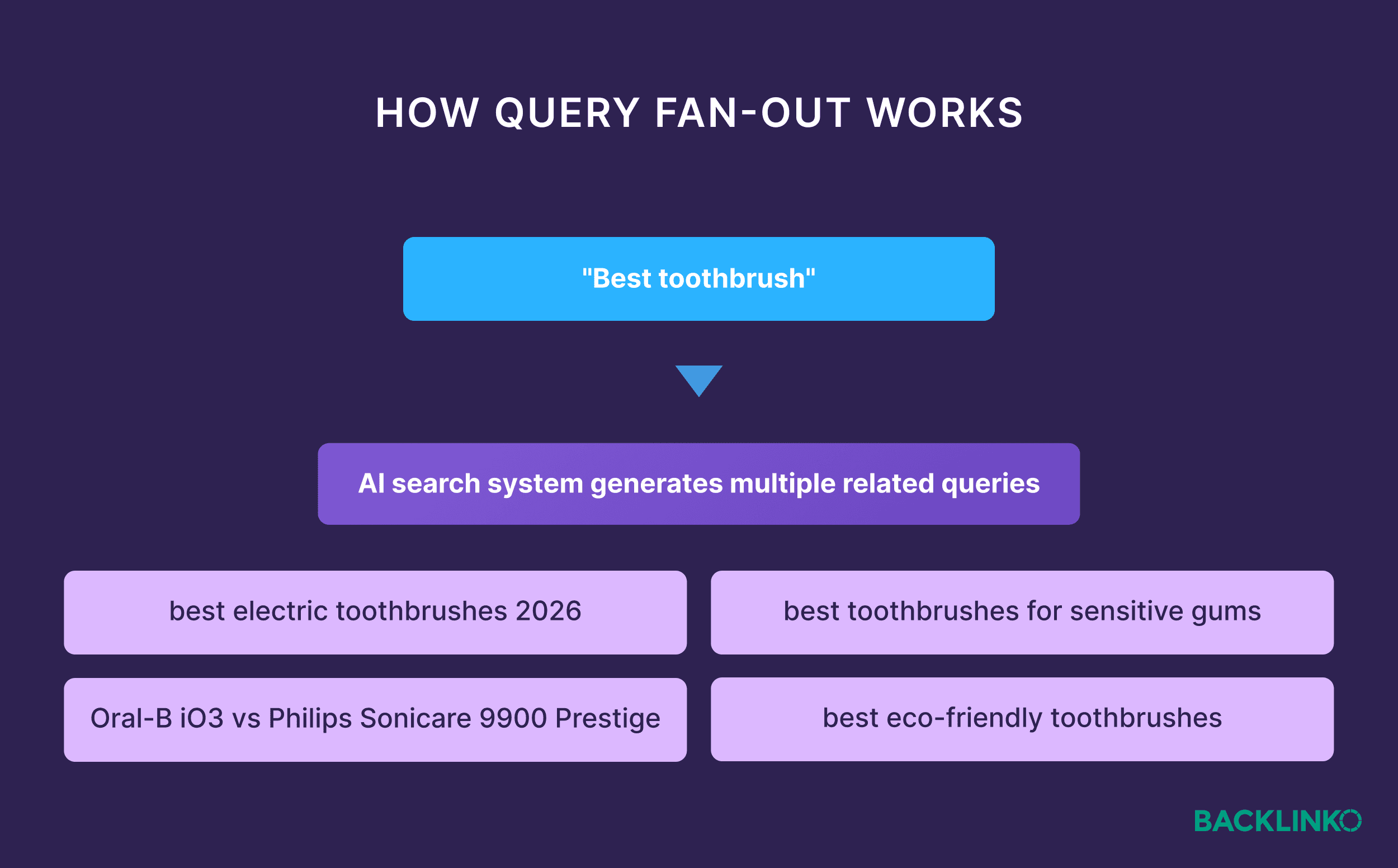
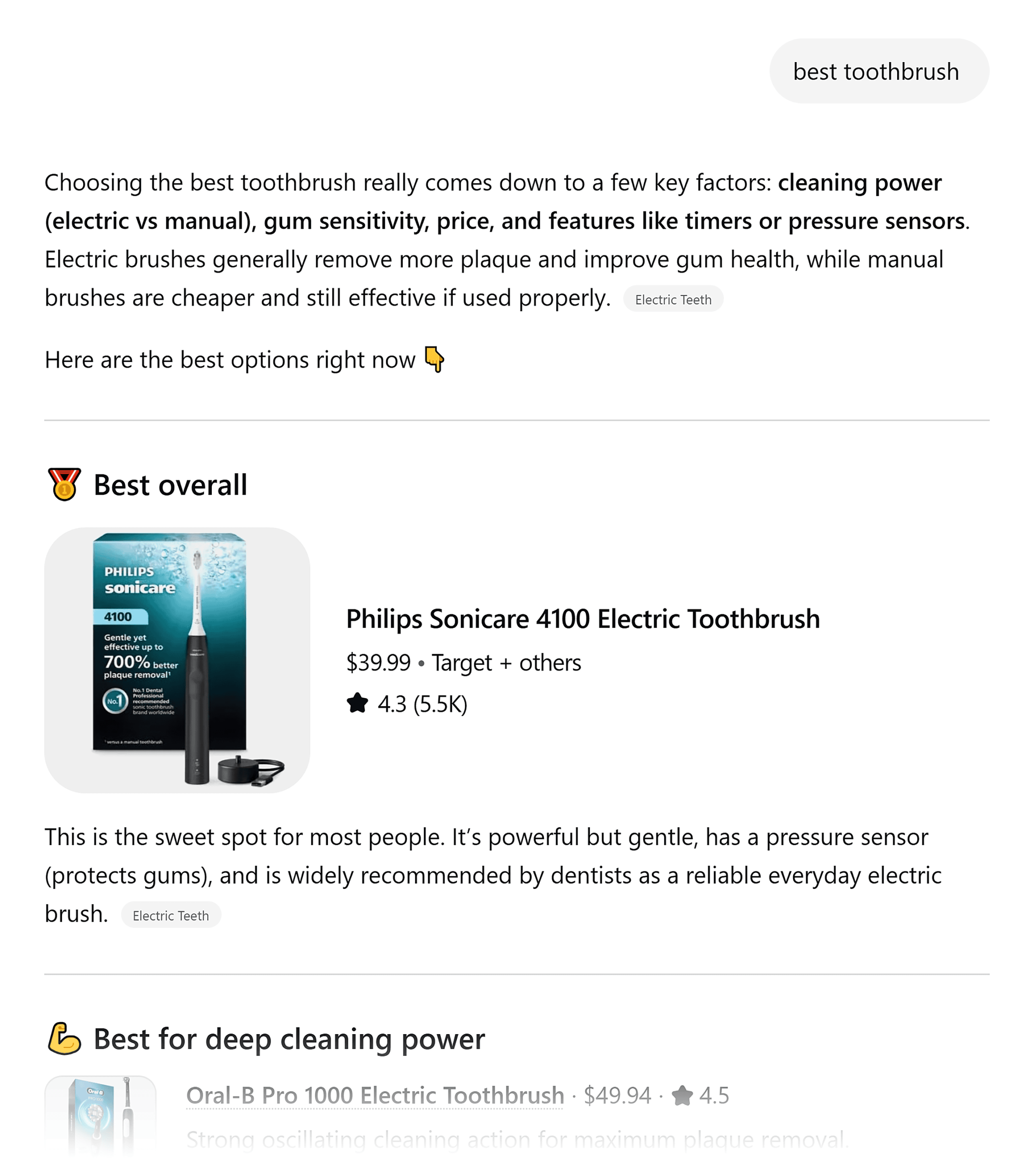
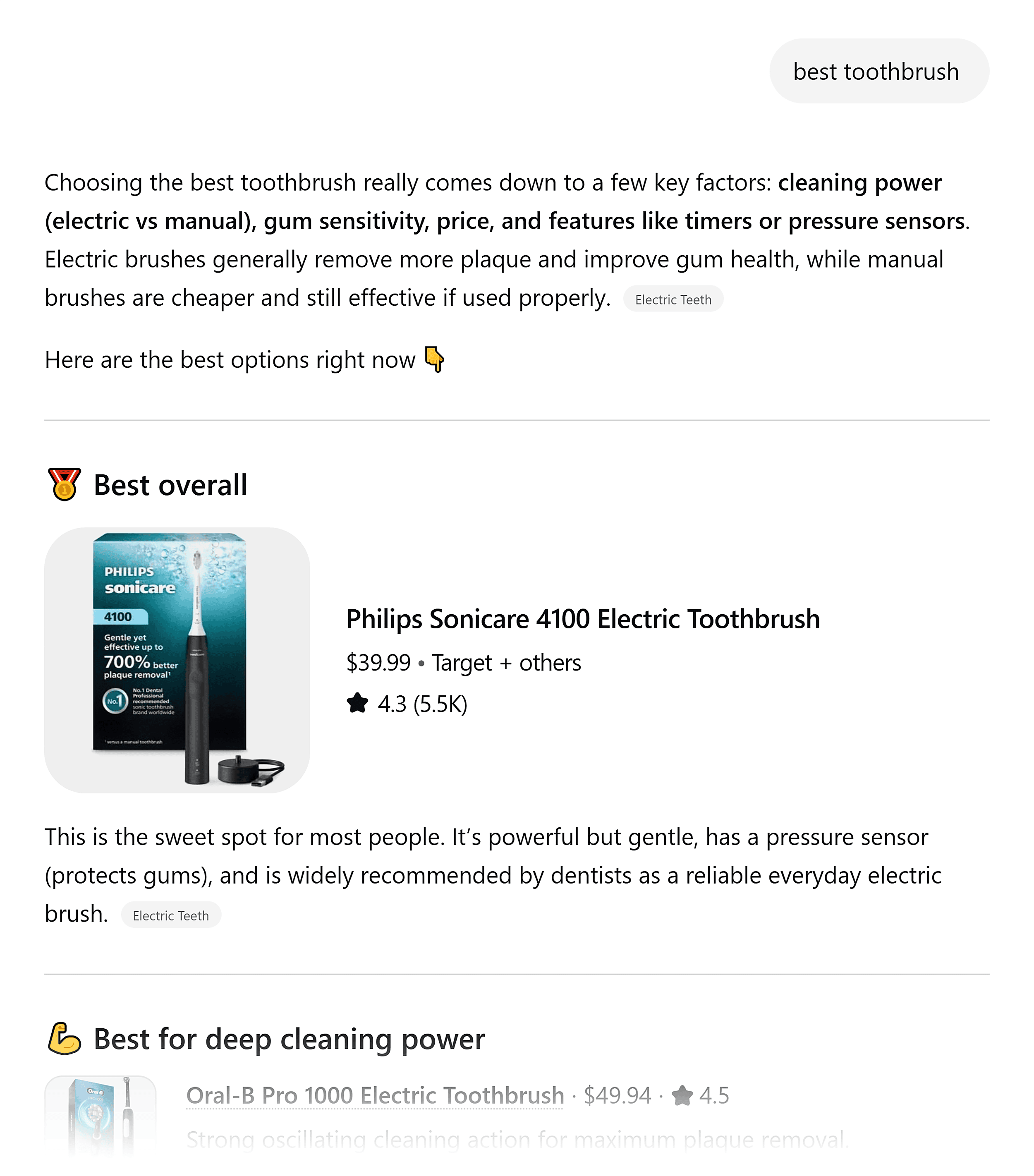
For instance, if a user types "best toothbrush" into a standard search engine, they receive a list of links. When they ask an AI the same question, the system internally generates a series of sub-queries: “best electric toothbrushes 2026,” “best toothbrushes for sensitive gums,” “Oral-B vs. Philips Sonicare,” and “best eco-friendly toothbrushes.”
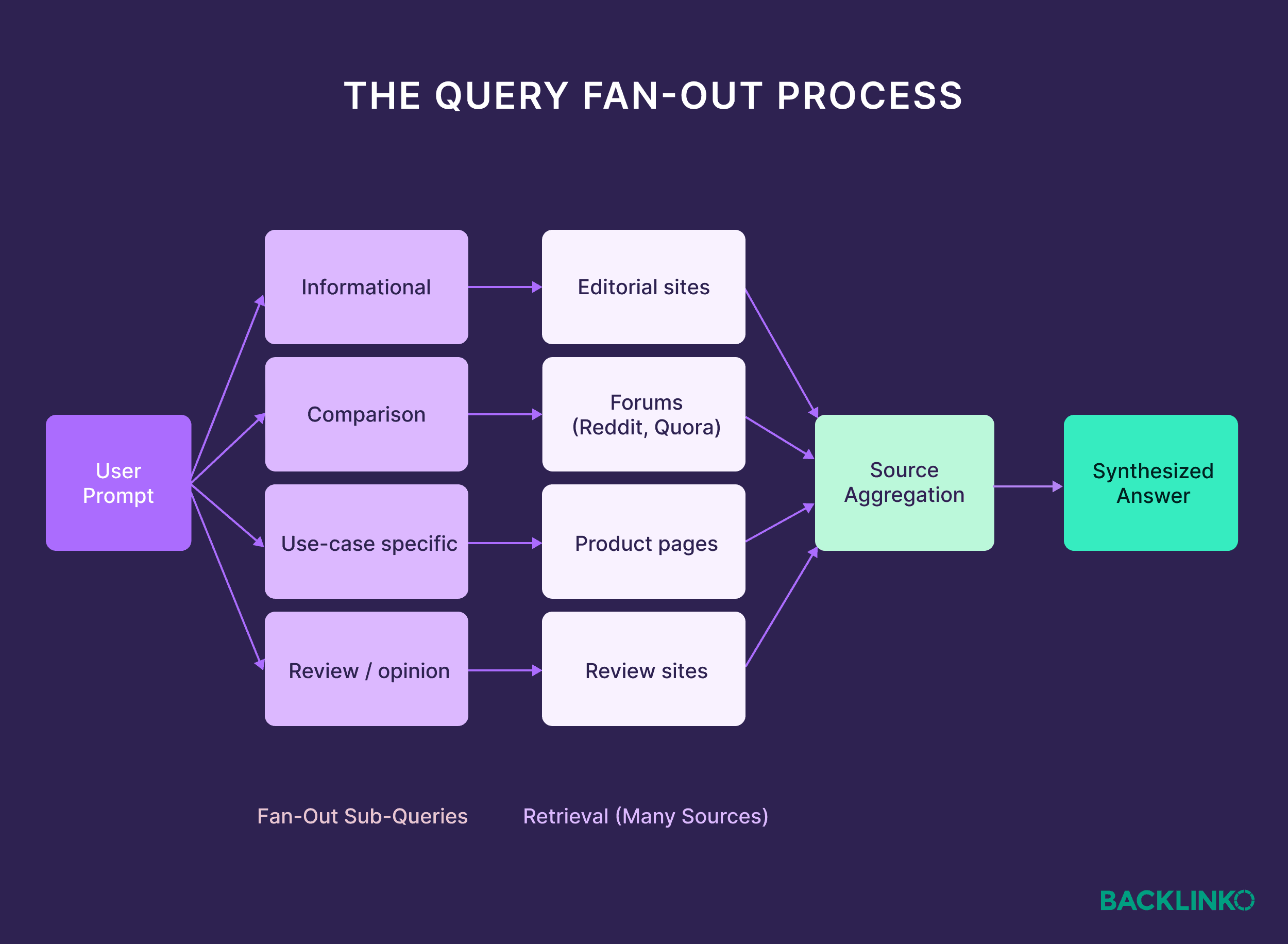
The AI then retrieves information from diverse sources—ranging from niche Reddit threads to high-authority editorial product reviews—and synthesizes these findings into a single, authoritative response. This allows the AI to anticipate the user’s latent needs before they are even explicitly stated.
The Chronology of an AI Search Interaction
To understand why traditional SEO is struggling, one must look at the timeline of an AI query:
- Intent Decomposition: The user enters a query. The AI immediately analyzes the semantic meaning, identifying the core intent and potential areas of ambiguity.
- The Fan-Out Phase: The AI breaks the primary prompt into 5–10 specific sub-queries. This is the moment where your content is either retrieved or discarded.
- Retrieval & Passage Extraction: Unlike traditional crawlers that look for "page-level" relevance, AI looks for "passage-level" relevance. It scans the content for the most accurate, concise, and trustworthy answer to the specific sub-query.
- Synthesis: The AI aggregates the extracted passages, removes redundancies, and formats the output into a readable, conversational answer.
- Attribution: The system assigns citations to the sources that provided the most critical pieces of the puzzle.
Why Rankings No Longer Equal Citations: Supporting Data
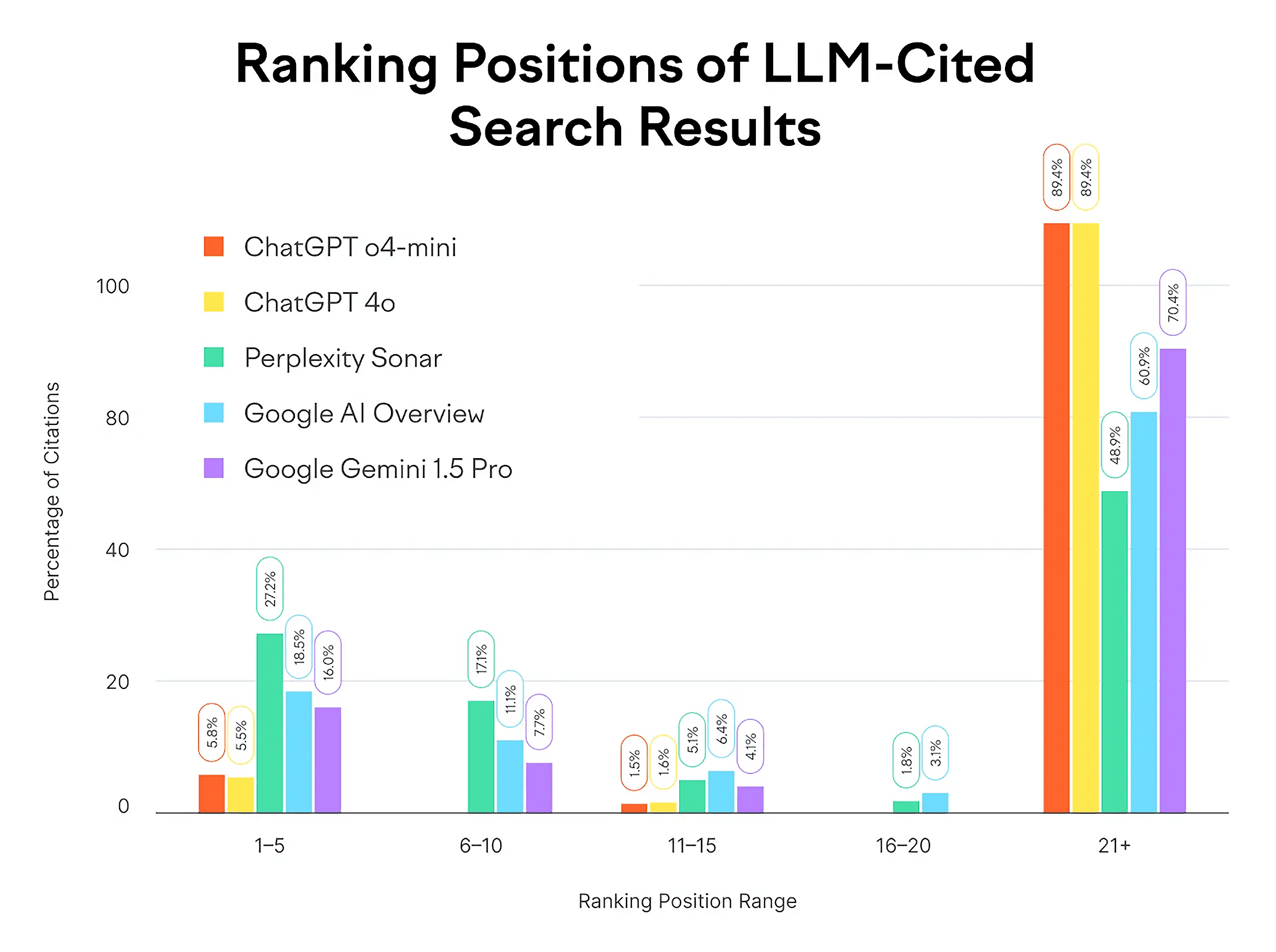
The most significant takeaway for content strategists is that top rankings do not guarantee AI citations. In fact, recent data suggests the opposite. A study conducted by Semrush revealed that ChatGPT frequently cites pages ranking in position 21 or lower nearly 90% of the time.
Why does this happen? Because the AI is not looking for the most popular page; it is looking for the most relevant answer to the specific sub-query generated during the fan-out process.
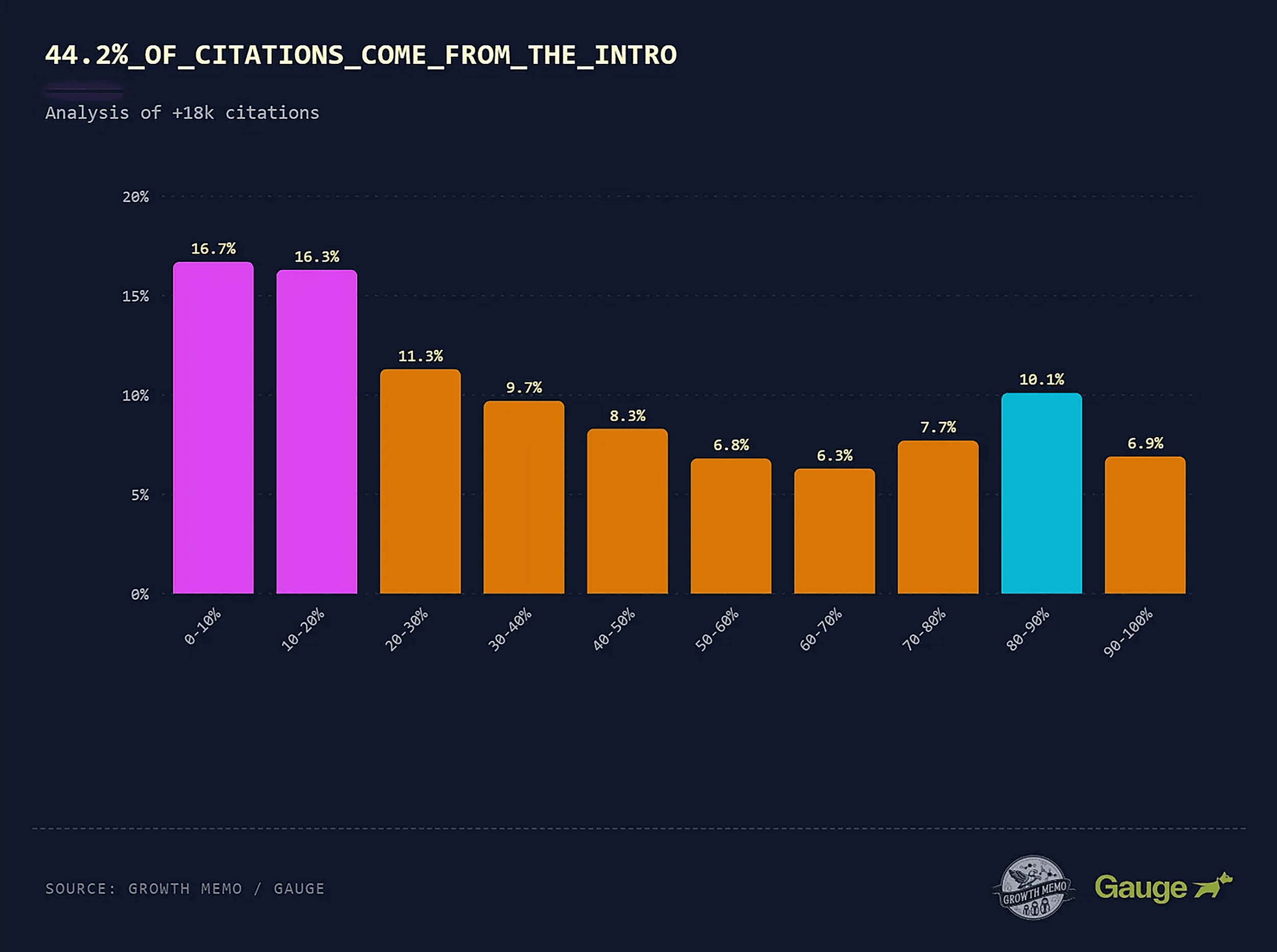
Furthermore, data from growth strategist Kevin Indig on 1.2 million ChatGPT responses indicates that positioning is everything within the page itself. Approximately 44.2% of all citations are pulled from the first 30% of a document. This suggests that AI models prioritize "front-loaded" content. If you bury your answer at the bottom of a 3,000-word article, the AI will likely ignore it, regardless of your domain authority.
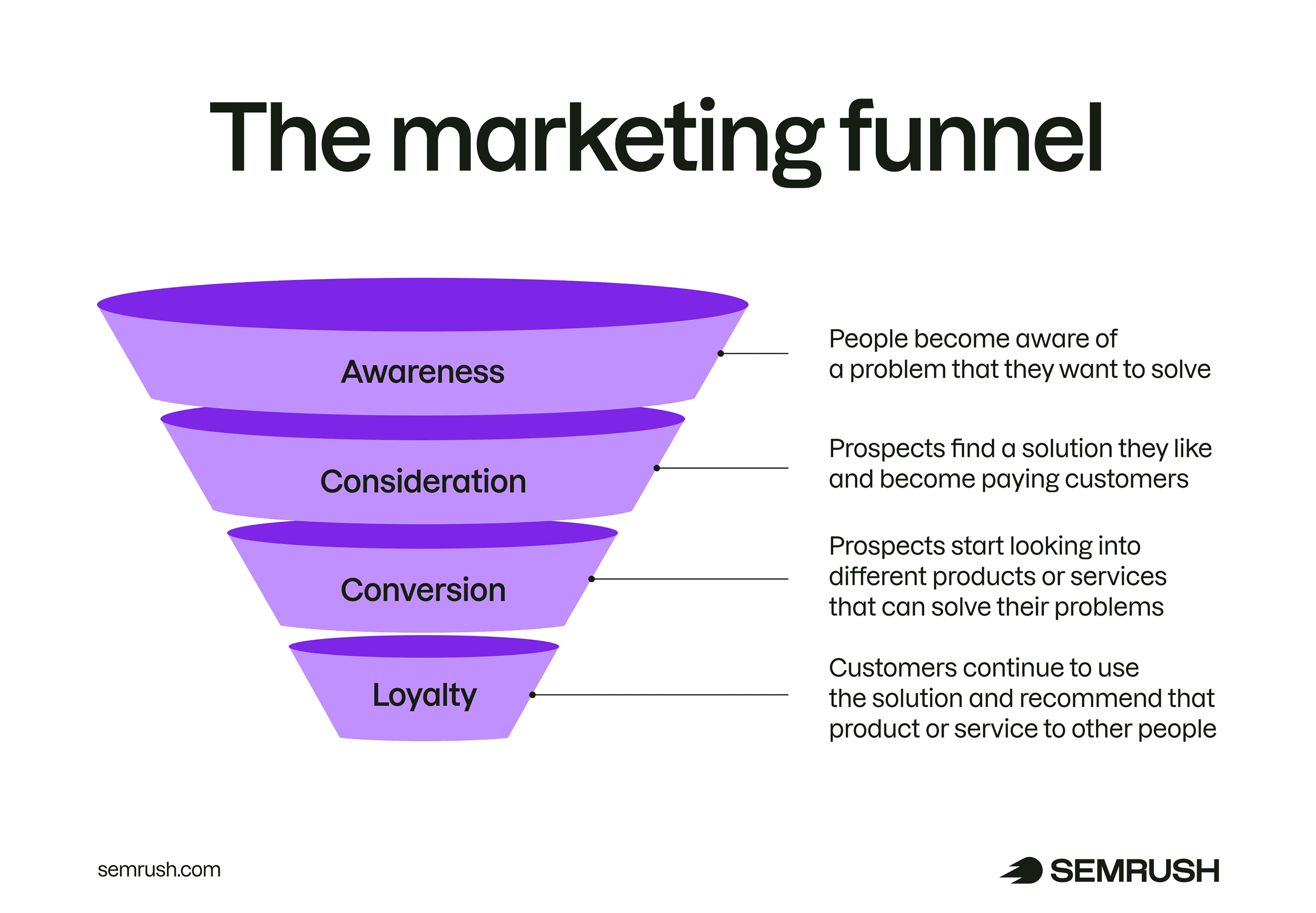
The Collapse of the Marketing Funnel
Historically, marketers were taught to view the buyer’s journey as a linear funnel: Awareness, Consideration, and Decision. Content was mapped to these stages accordingly. Query fan-out has effectively collapsed this funnel.
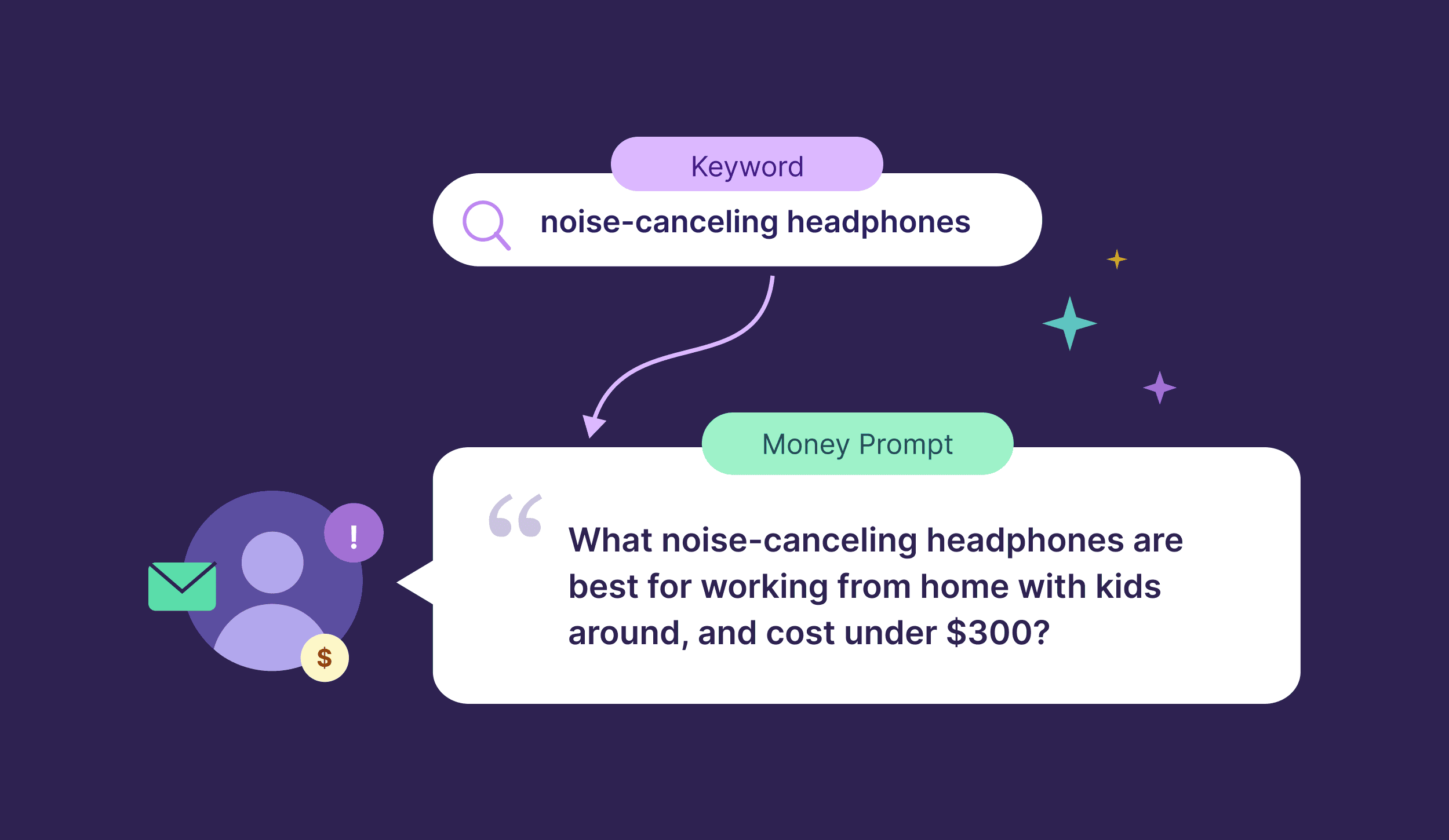
Because the AI provides a comprehensive answer in a single interaction, a user can transition from "I need a toothbrush" to "I am ready to buy this specific model" in seconds. Your content must now be "full-funnel" by design. A single page needs to provide the foundational definition, the comparative data, and the high-intent decision metrics simultaneously, as the AI will synthesize these elements regardless of how you have categorized your pages.

Implications for Modern Content Strategy
The shift toward AI-driven discovery requires a complete audit of how we produce and organize information.

1. The Rise of "Money Prompts"
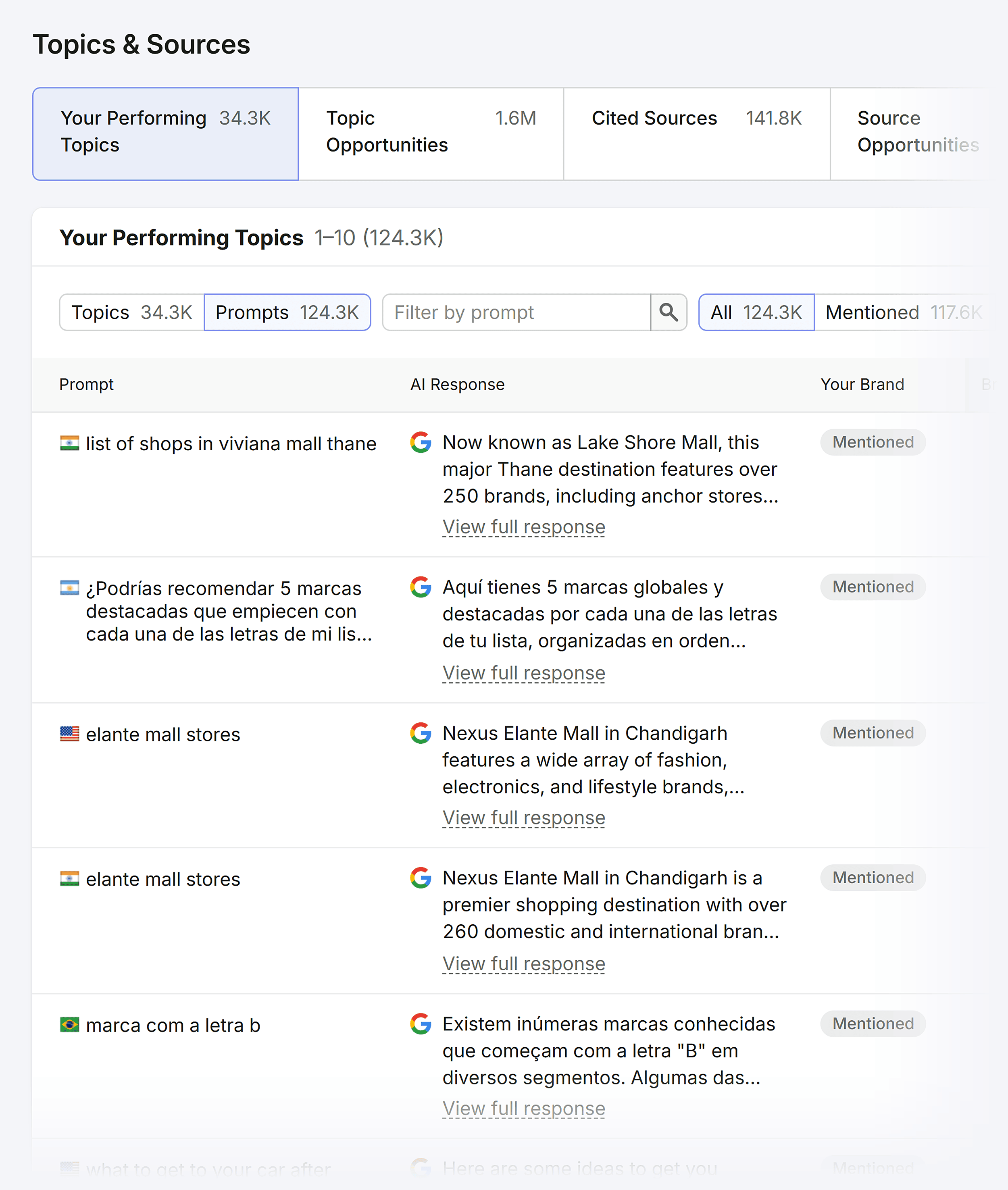
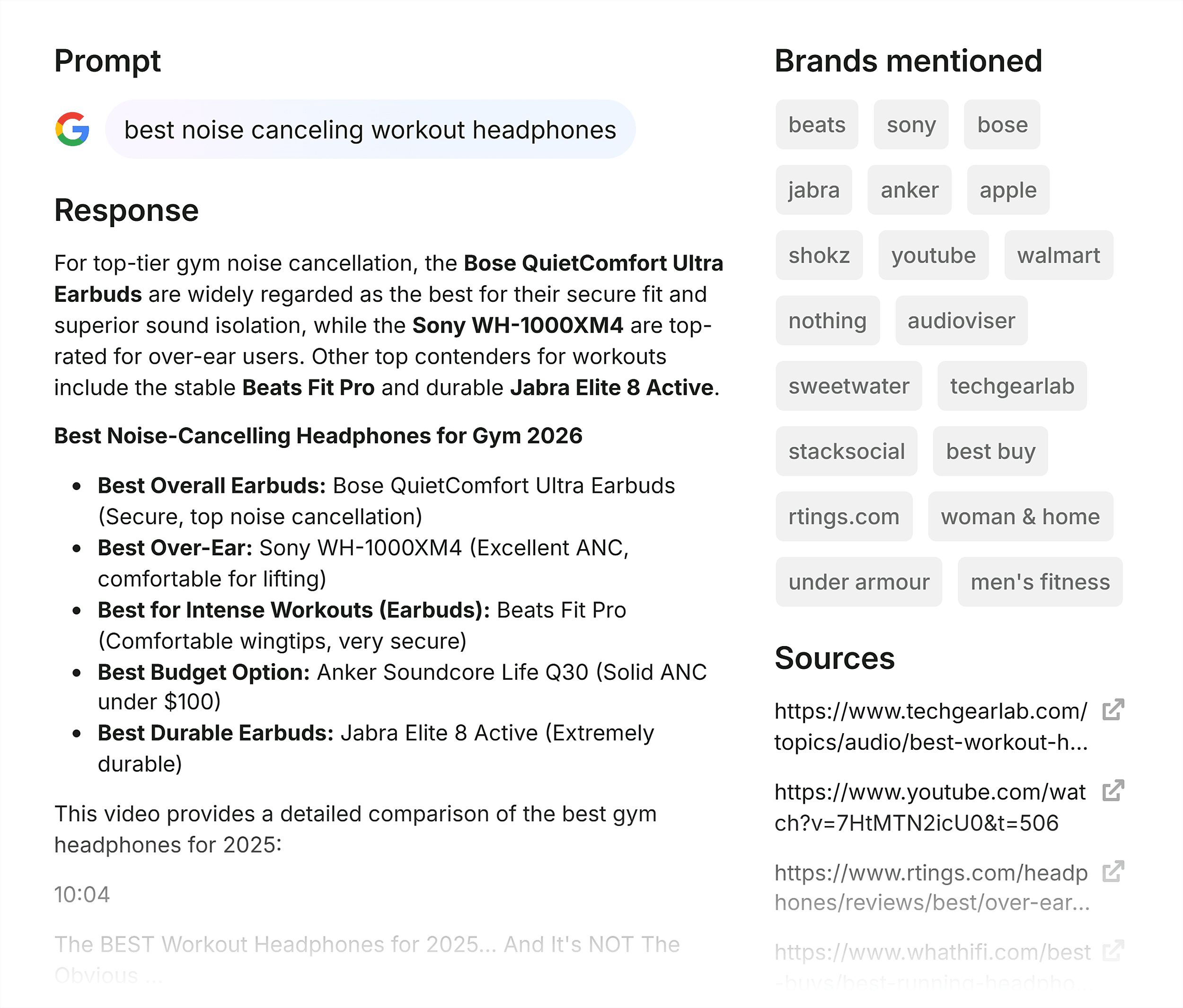
Forget money keywords; focus on "money prompts." These are the specific, conversational questions your target audience asks an AI. Instead of optimizing for "noise-canceling headphones," you should optimize for "what noise-canceling headphones are best for remote workers in a noisy home?" Identifying these prompts—often found in forum discussions or via AI-visibility toolkits—is the first step in capturing market share.
2. Passage-Level Optimization
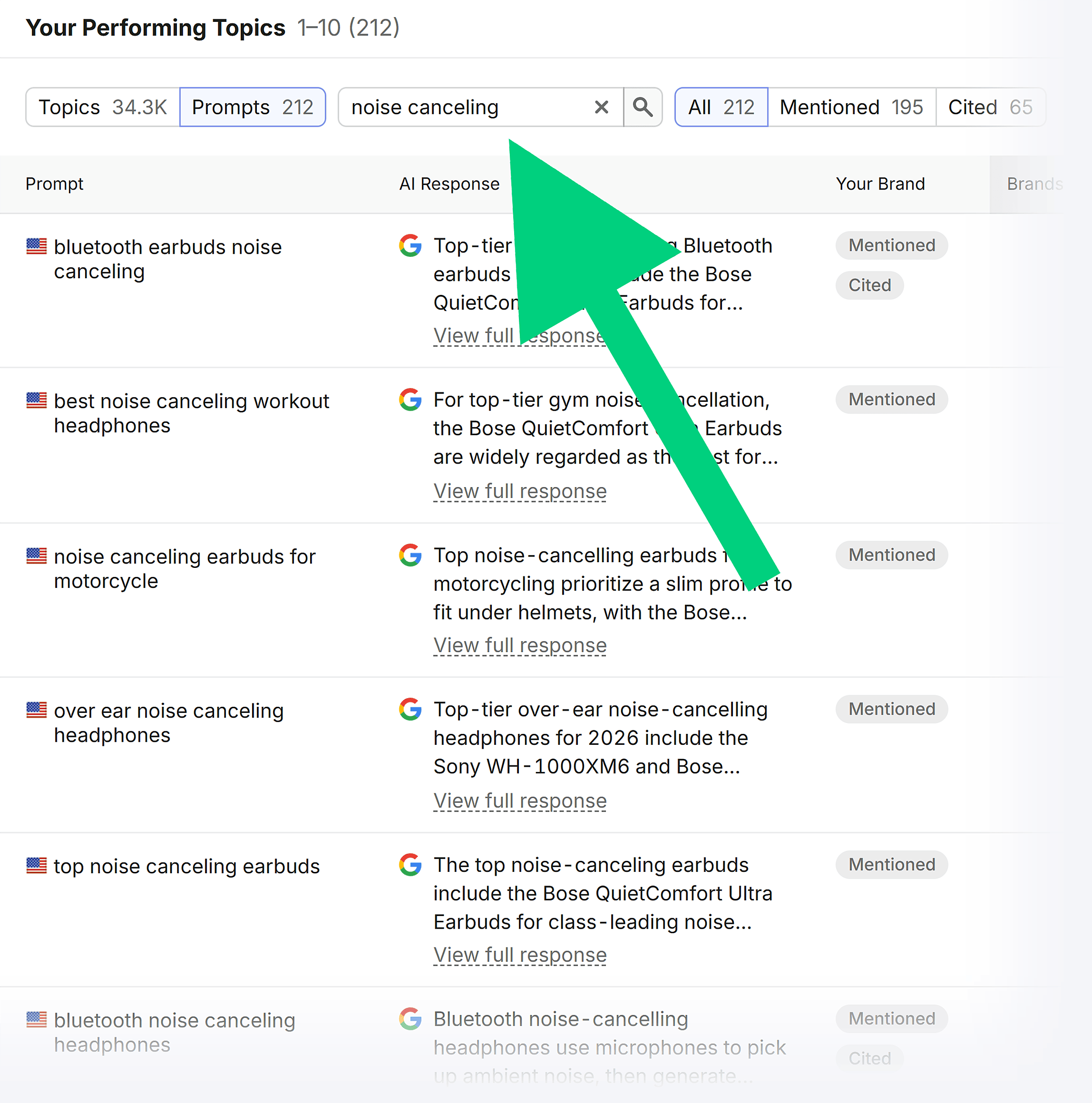
You must write for the "extraction." Ensure your content uses clear, descriptive subheadings and provides direct, concise answers immediately following those headings. Think of every H2 tag as a potential sub-query that the AI will use to navigate your page.
3. Comprehensive Topic Clusters
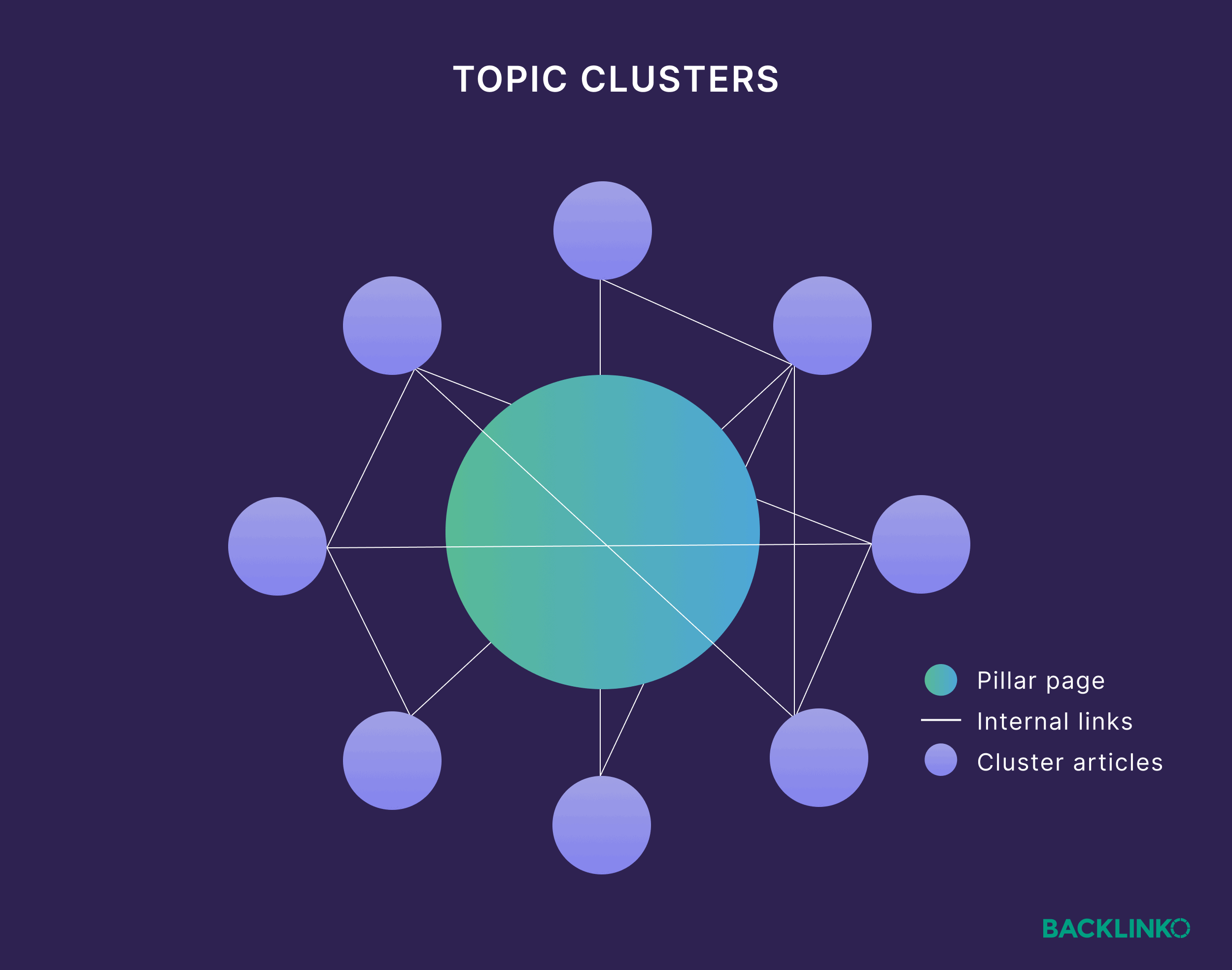
SEO is no longer about individual keywords; it is about building topical authority. If you cover a subject broadly and deeply, the AI is more likely to view your domain as a "source of truth." Pillar pages linked to detailed sub-topic clusters help the AI understand the relationship between different concepts, making your content more "retrievable."
The Future of AI Visibility
As AI platforms evolve, the "black box" of how they select sources will become increasingly transparent. We are moving toward a reality where SEO is less about gaming a search engine algorithm and more about providing structured, accurate, and easily parsed information for machine consumption.
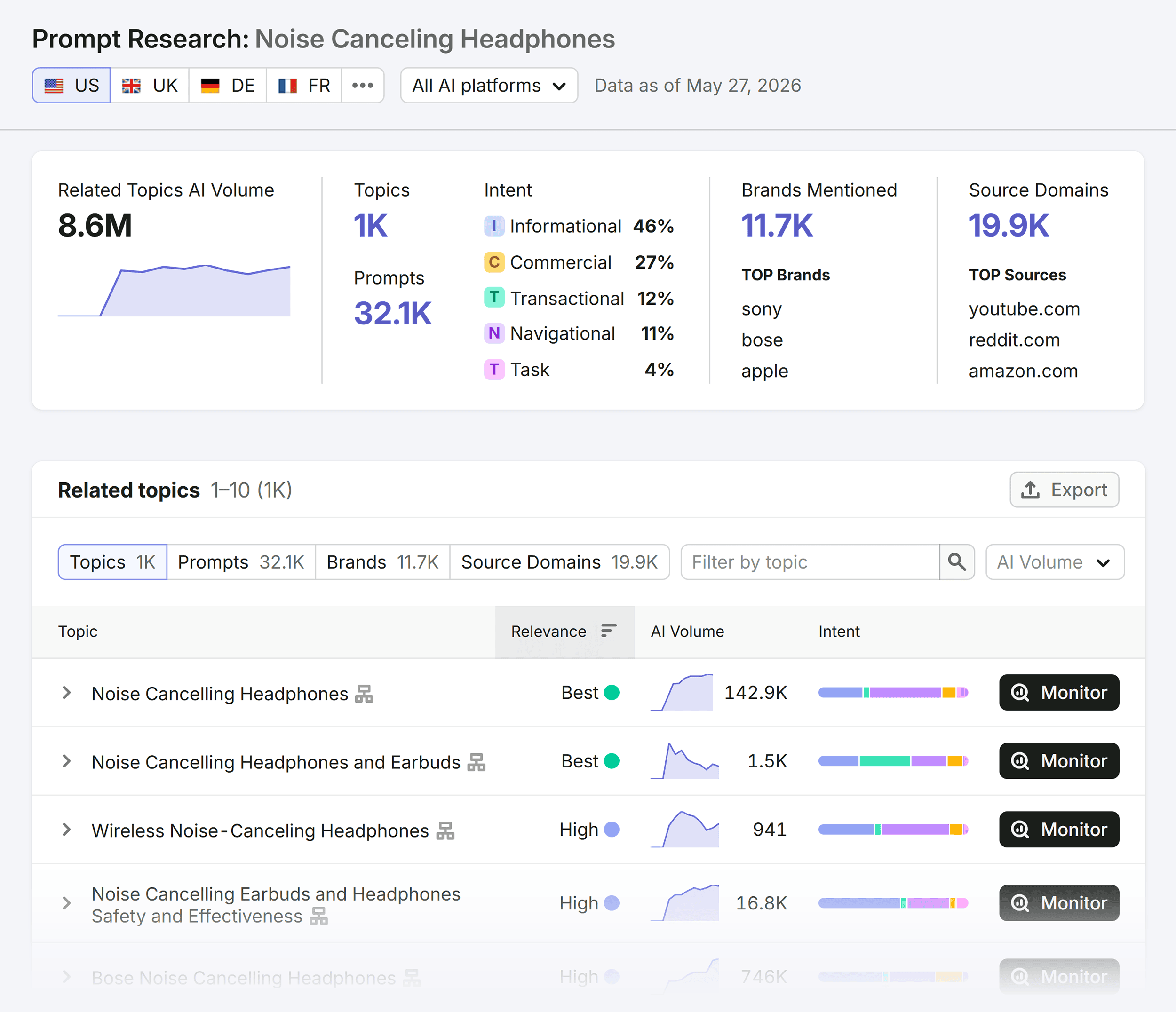
For brands, the message is clear: if your content is not built to be "fanned out" and extracted, you are effectively choosing to be invisible in the next generation of search. The path forward requires a blend of human-centric storytelling and machine-readable structuring. By identifying your money prompts, closing your content gaps, and front-loading your most critical answers, you can ensure that when the AI "fans out," your brand is always the one it pulls back in.