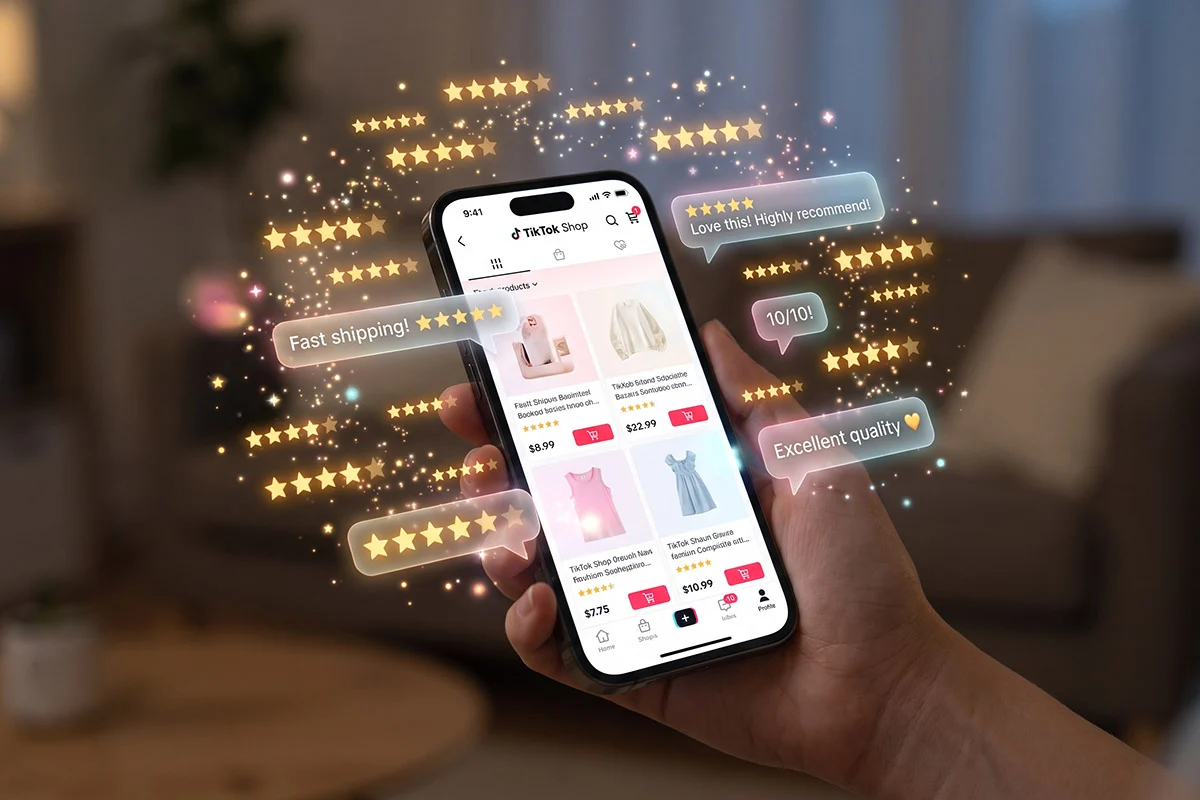
As the festive season approaches—a period historically defined by frantic high-street footfall and traditional e-commerce browsing—a seismic shift in consumer behavior is taking place. The digital storefront is no longer a static website; it is an algorithmic, video-first feed. TikTok has evolved from a platform for viral dances into a retail powerhouse, forcing legacy brands to rethink their entire sales strategy. However, while the reach of TikTok Shop is undeniable, new research from Bazaarvoice suggests that the platform’s path to long-term dominance is paved with a significant psychological hurdle: consumer trust.
The State of Play: TikTok Shop’s Rapid Ascent
TikTok Shop has rapidly transitioned from a novelty feature to a cornerstone of the UK retail landscape. According to recent data from NielsenIQ, the platform has surged to become the fourth-largest beauty retailer in the United Kingdom. This rapid climb has forced even the most traditional retailers to adapt.
Last month, high-street titan Boots joined the fray, launching an official storefront on the platform. By partnering with TikTok, Boots—a brand built on a century of bricks-and-mortar reliability—is attempting to translate its "trusted beauty expertise" to a demographic that views social media as their primary search engine. Boots joins a roster of prestige retailers, including Sephora and Marks & Spencer, all vying for the attention of a generation that prefers discovery-based shopping over intent-based search.
The scale of this adoption is reflected in the latest Bazaarvoice study, which surveyed thousands of UK consumers. The findings are stark: 66% of UK shoppers now make purchases directly through TikTok Shop, with one in five engaging with the platform’s commerce features at least once a week.
Chronology of a Retail Disruption
To understand how we arrived at this tipping point, one must look at the evolution of "social commerce."
- The Discovery Era (2020-2021): TikTok emerged as a destination for product discovery. The "TikTok Made Me Buy It" phenomenon began organically, with users showcasing products that later sold out globally.
- The Integration Era (2022-2023): TikTok launched "Shop" features, removing the friction of external links. Brands began to move from simply paying for advertising to hosting live-shopping events and setting up native storefronts.
- The Validation Era (2024-Present): We are currently in the phase where the novelty has worn off, and consumers are demanding the same levels of security, authenticity, and accountability on TikTok as they do on Amazon or traditional brand websites.
The entry of major retailers like Boots marks the end of the "Wild West" phase of TikTok commerce and the beginning of a standardized, institutionalized era of social shopping.
Supporting Data: What Drives the TikTok Consumer?
Bazaarvoice’s research offers a granular look at the psychology behind these clicks. The data highlights a fascinating dichotomy: while TikTok is the engine of discovery, it is not yet the engine of absolute trust.
- The Power of Discovery: 64% of respondents use TikTok specifically to find new brands and emerging trends. Perhaps most significantly, 75% of shoppers admit to having purchased a product on TikTok Shop that they would never have considered buying through traditional channels. This suggests the platform is uniquely effective at breaking consumers out of their "brand bubbles."
- The Trust Deficit: Despite the excitement, trust remains a significant barrier. While shoppers are willing to experiment with new items, they are increasingly skeptical of the glossy, high-production influencer content that initially defined the platform.
- The Preference for "Real" People: When asked what influences their final purchase decision, 68% of shoppers stated they are more likely to trust an everyday customer than a paid influencer.
The hierarchy of decision-making on the platform is clear:
- Star Ratings and Customer Reviews: 74% of shoppers cite these as their most important factor.
- Customer Photos and Videos: 56% rely on non-professional, user-generated content to verify the quality of a product.
- Influencer Endorsements: Only 31% cite these as a primary driver, suggesting that while influencers are excellent at driving traffic and interest, they are less effective at closing the sale for a skeptical consumer.
Official Responses and Strategic Implications
The findings from Bazaarvoice serve as a wake-up call for retail executives. The strategy of simply throwing budget at "mega-influencers" is yielding diminishing returns. David McIntosh, General Manager EMEA at Bazaarvoice, underscores that the current landscape requires a pivot toward authenticity.
"TikTok Shop creates a fantastic opportunity for retailers to reach new customers," McIntosh explains. "However, this research highlights that whilst shoppers discover products through creators, they look to other customers before they buy. One of the most important elements of the sales process is trust in the brand and product."
McIntosh suggests that the next phase of retail success will belong to those who treat their review sections with the same importance as their creative marketing campaigns. "There is a great opportunity now for brands to focus on building authentic relationships with their customers through the use of trusted user-generated content, such as customer reviews and ratings, and customer photos and videos. Actions like this could go a long way to turning prospective shoppers into long-term customers."
Implications for the Future of Retail
As we look toward the 2024 festive season and beyond, the implications for brands are threefold.
1. The Death of the "Influencer-Only" Model
Brands that rely solely on polished, high-production influencer campaigns are finding it harder to convert viewers. The modern TikTok consumer is hyper-aware of sponsorship disclosure. When a creator is paid to promote a product, their credibility is often filtered through the lens of the transaction. Brands must shift their spend toward incentivizing real customers to share their unvarnished experiences.
2. Social Proof as a Competitive Advantage
The research suggests that the "Amazon-ification" of TikTok is inevitable. To compete, brands must ensure their TikTok Shop storefronts are integrated with robust review management systems. If a shopper finds a product on a video but cannot find a reliable history of customer sentiment, they will likely navigate away from the app to verify the product elsewhere. Integrating authentic, verified user-generated content (UGC) directly into the shop interface is no longer optional—it is a conversion requirement.
3. The New Customer Journey
The retail funnel has been completely restructured. It no longer flows from Awareness to Consideration to Purchase. On TikTok, Awareness and Purchase often happen simultaneously. A user might see a video and buy in under thirty seconds. Because this process is so compressed, the "trust indicators"—star ratings and reviews—must be immediately visible and undeniably authentic.
Conclusion: The Path Forward
The entry of legacy retailers like Boots onto TikTok Shop signals a maturing market. The platform is no longer just a trend-driven discovery tool; it is a vital sales channel that is becoming essential for survival. However, the data from Bazaarvoice makes it clear that the platform’s growth is currently outpacing its reputation for reliability.
For brands, the message is simple: you can use TikTok to get in front of the customer, but you need authentic social proof to close the deal. The companies that will thrive in this environment are those that stop treating the consumer as a passive viewer of advertisements and start treating them as a participant in a broader, transparent community of shoppers.
As we approach the busiest shopping season of the year, the brands that win will not be those with the loudest videos, but those with the most trusted voices—the voices of their own customers. The future of retail on TikTok is not just about the "viral" moment; it is about the long-term, trust-based relationships built one review, one photo, and one honest video at a time.