In the crowded landscape of high-fidelity audio, Fyne Audio has carved out an enviable reputation in less than a decade. Known primarily for their sophisticated passive loudspeaker lineups that span from accessible entry-level options to high-end, bespoke engineering, the Scottish brand has become a shorthand for quality. However, the release of the Fyne Audio Cubitt 5 marks a pivotal shift for the company: it is their first foray into the world of active wireless stereo speaker systems.
At a price point of $749 (£549 / AU$1,499), the Cubitt 5 enters a fiercely competitive market. It aims to bridge the gap between convenient, lifestyle-oriented wireless speakers and the uncompromising detail of traditional audiophile equipment. While the system succeeds in delivering a sonic performance that punches well above its weight, a handful of baffling design choices regarding user interface and hardware refinement keep it from achieving perfection.
The Core Facts: Engineering and Specifications
The Cubitt 5 is not just another pair of Bluetooth speakers; it is a serious attempt to bring Fyne’s proprietary "IsoFlare" technology to a compact, powered form factor.
The IsoFlare Advantage
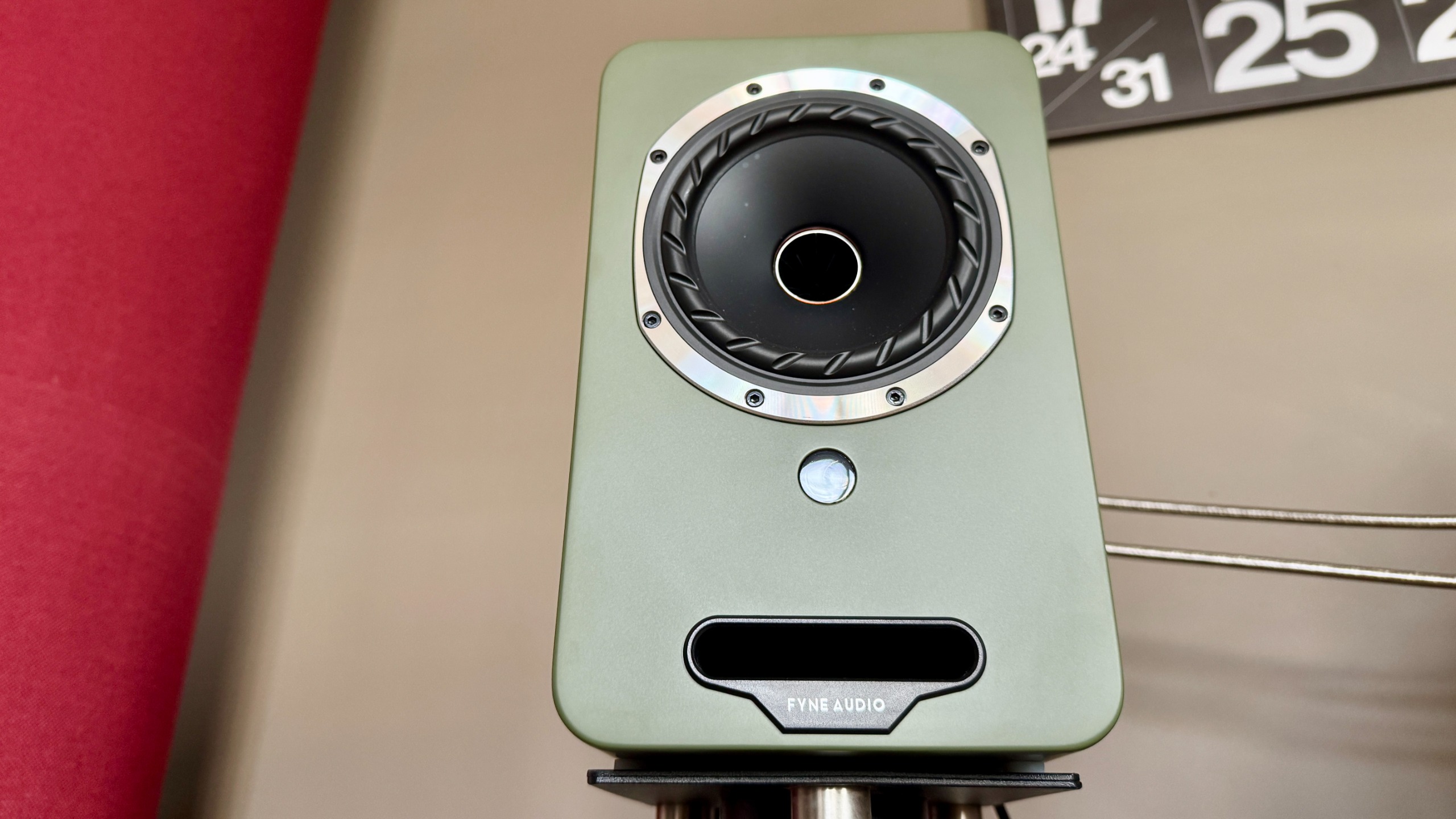
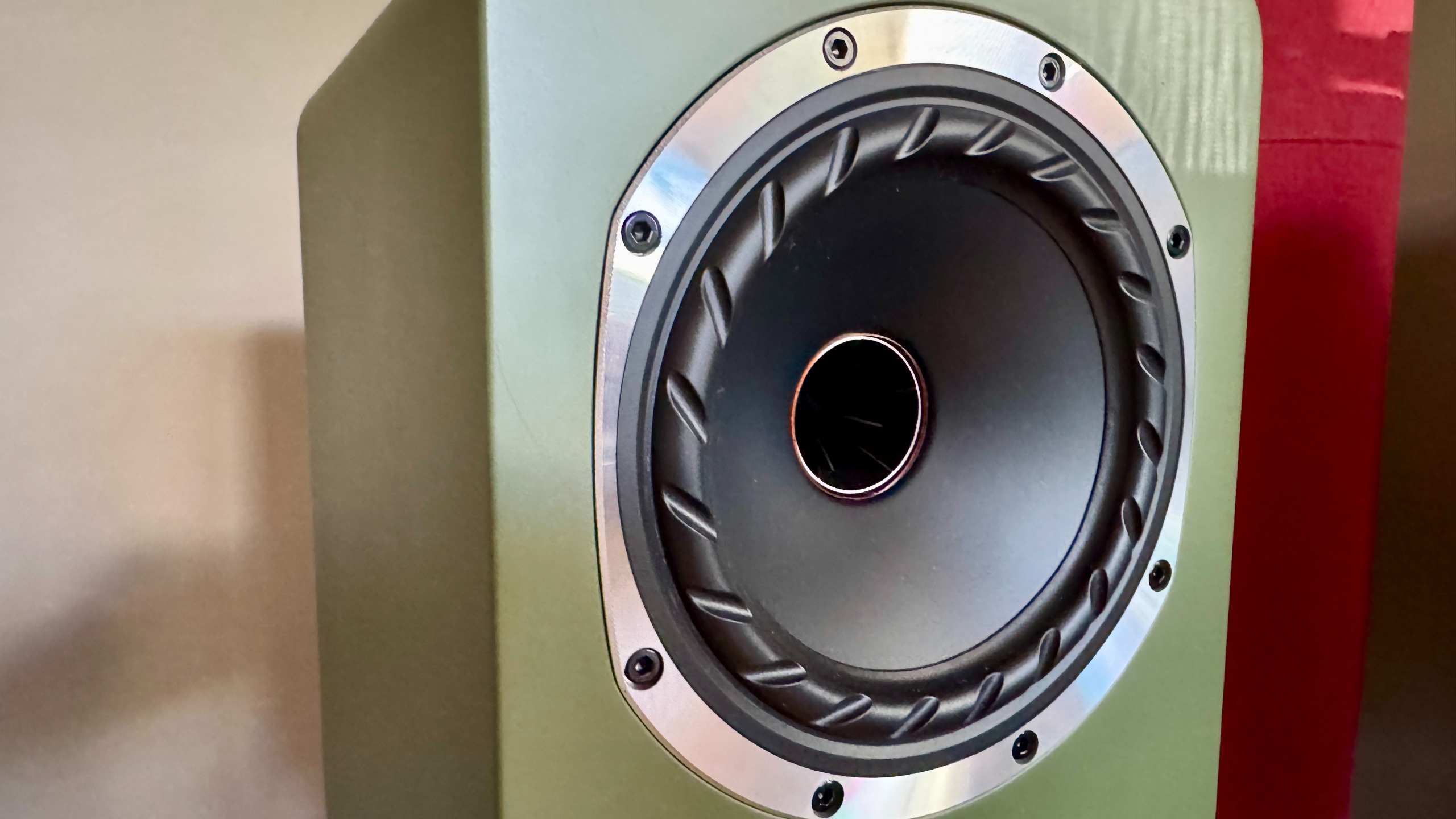
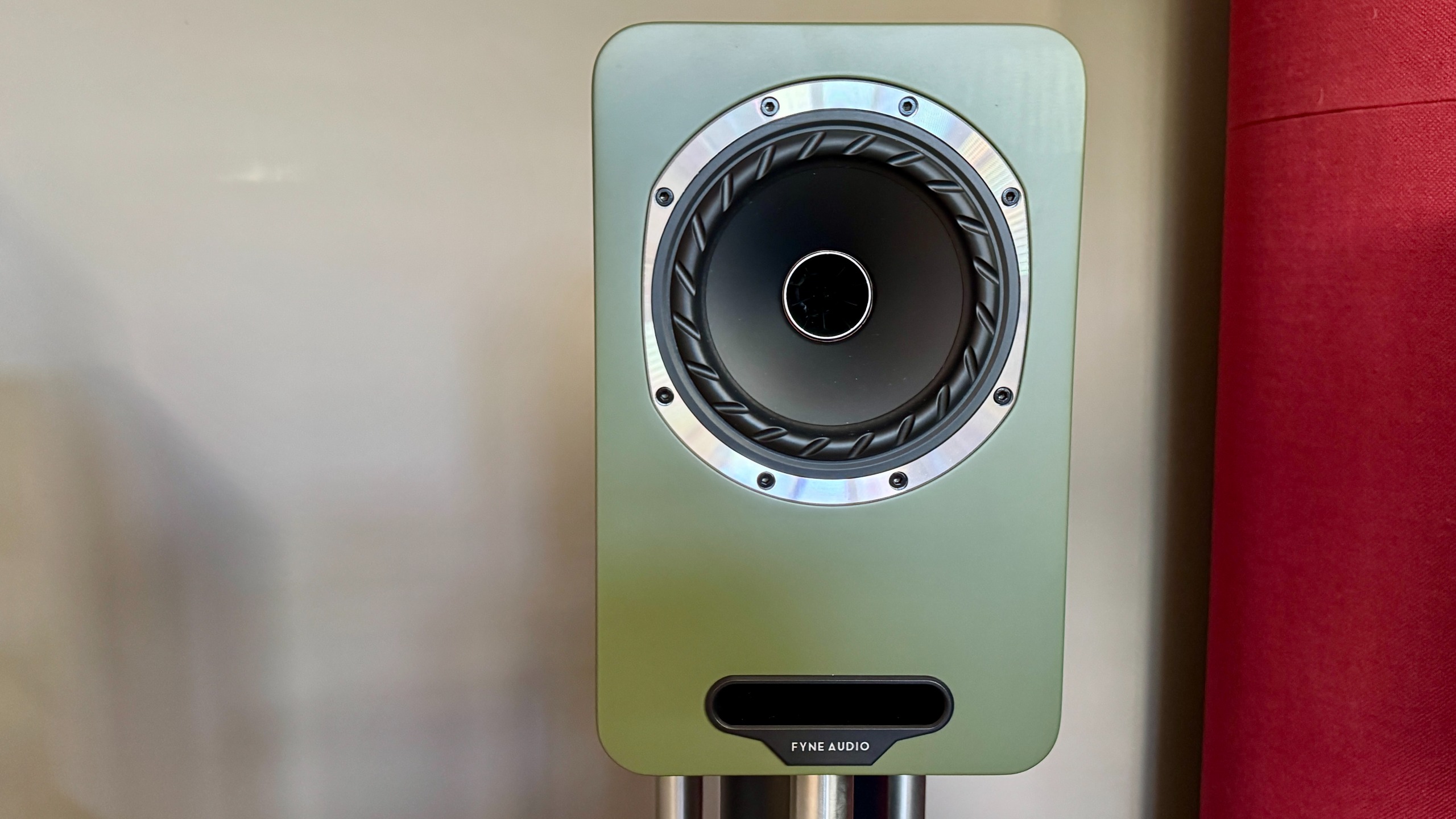
The centerpiece of the Cubitt 5 is the point-source driver array. By positioning a 19mm titanium dome tweeter directly into the acoustic center of a 127mm multi-fiber mid/bass driver, Fyne Audio creates a single, coherent point-source of sound. This design philosophy is intended to optimize driver integration and improve sound dispersion, ensuring that the listener receives a consistent sonic image regardless of their exact position in the room.
Power and Connectivity
Under the hood, the system is driven by 240 watts of total Class D amplification, with 60 watts dedicated to each of the four individual drivers. This power is routed through a front-firing bass reflex slot, a choice that adds to the system’s visual character and aids in low-frequency projection.
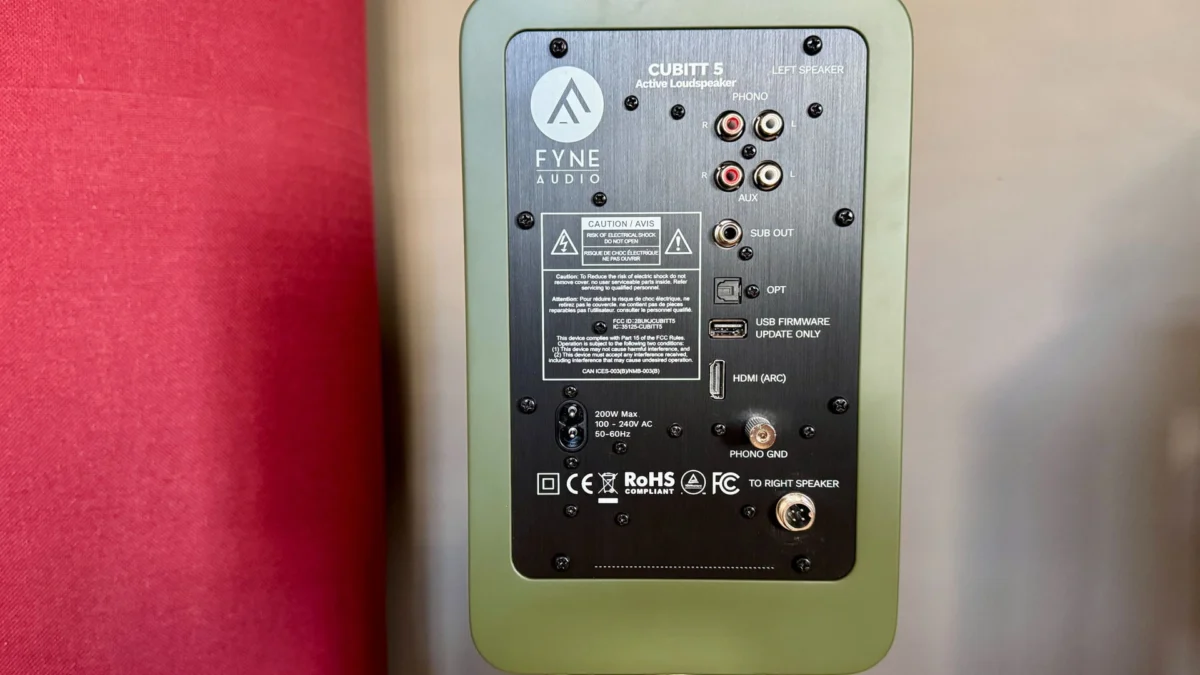
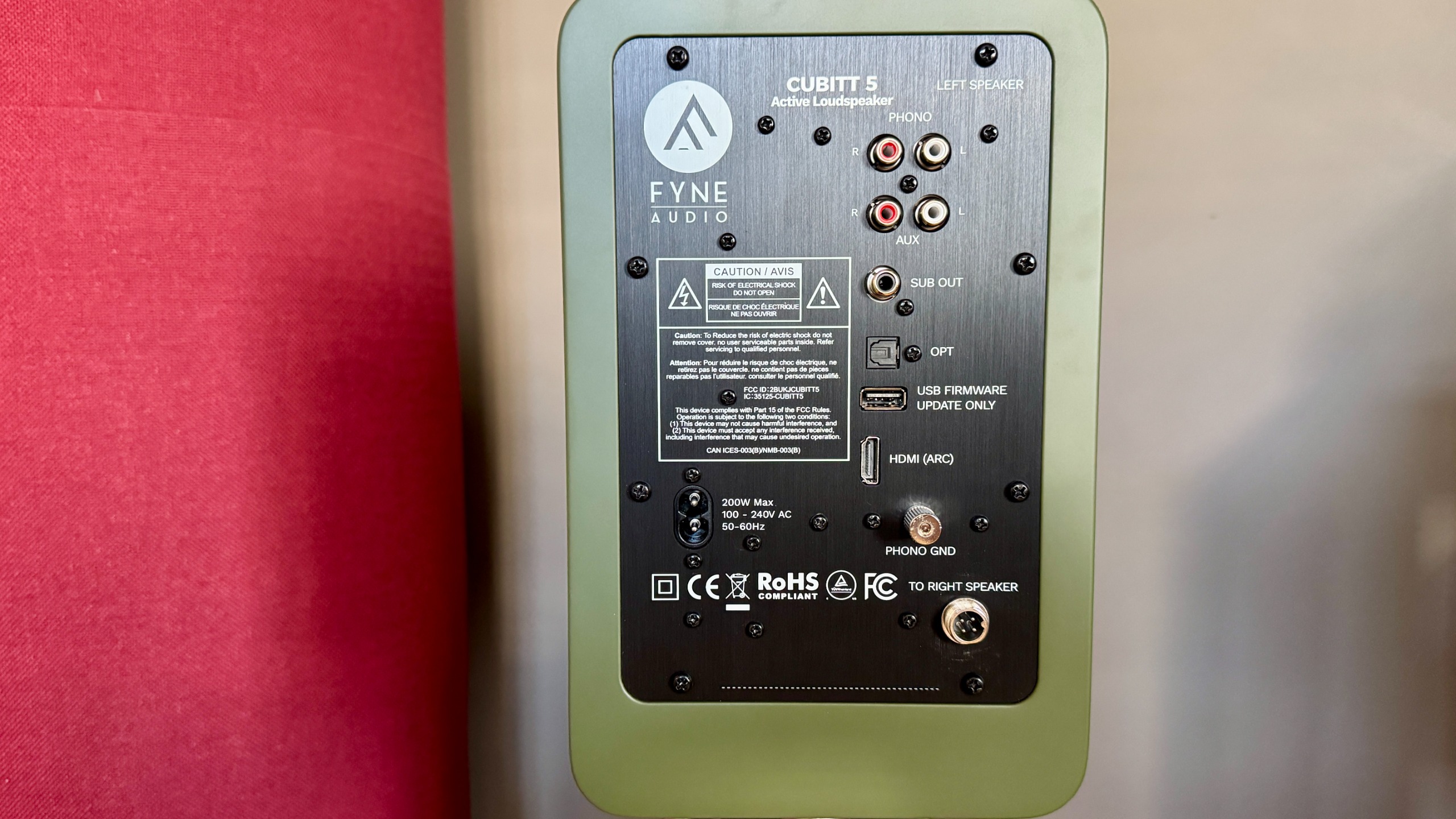
Connectivity is handled by the primary speaker, which acts as the system’s hub. It features:
- Wireless: Bluetooth 5.0 with aptX HD support.
- Analog: Stereo RCA inputs for both line-level and Moving Magnet (MM) phono stages, making it a plug-and-play solution for vinyl enthusiasts.
- Digital: Optical input and HDMI ARC, allowing it to integrate seamlessly with modern televisions.
- Resolution: A 24bit/96kHz internal DAC ensures that high-resolution digital files are handled with appropriate fidelity.
A Chronology of the Testing Process
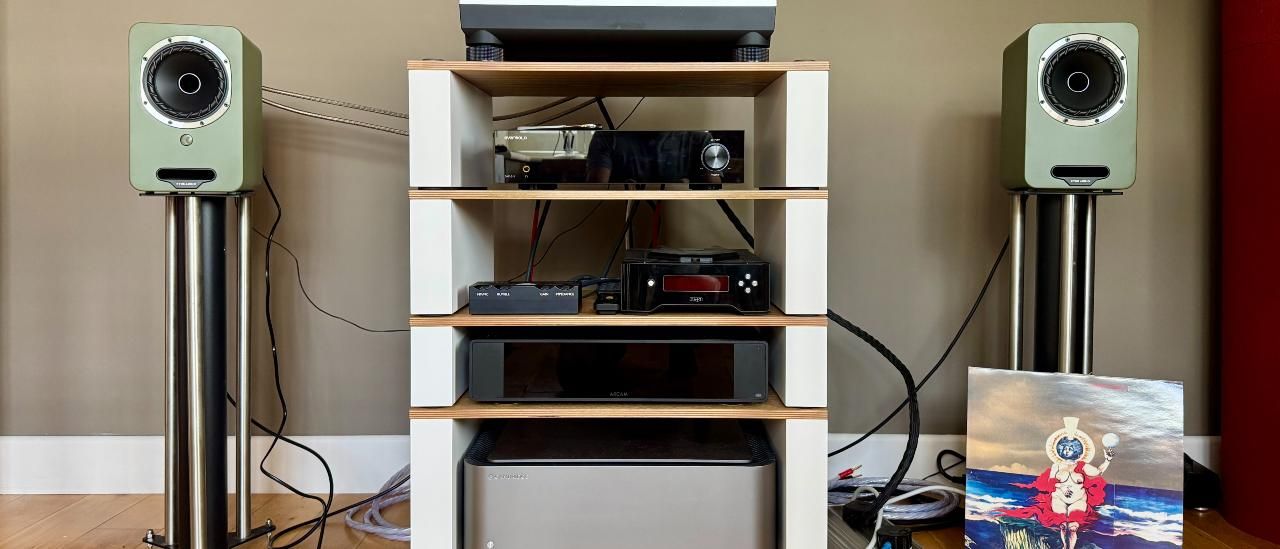
To evaluate the Cubitt 5, we subjected it to a rigorous, week-long testing protocol. Testing was conducted in a dedicated listening room, with the speakers mounted on high-quality Soundstyle S2 stands to ensure optimal isolation and placement.
Setup and Initial Impressions
The setup process is intentionally streamlined. The primary speaker, which houses the amplification and input processing, connects to the secondary speaker via a provided four-core umbilical cable. This cable handles both power and audio data, meaning only one wall outlet is required for the entire system.
However, the experience of "living with" the system began with a noticeable, persistent hiss emanating from the speakers while in idle mode. While this noise floor is inaudible once music begins to play, it is a persistent reminder that this is, at its heart, a first-generation product. For users looking to place these on a near-field desktop setup, this background hiss may prove distracting.

Listening Sessions
Over the course of five days, we fed the Cubitt 5 a variety of sources. We used a FiiO M15S digital audio player for high-res wireless streaming, a Technics SL-1300G turntable equipped with a Goldring 1022 cartridge for analog vinyl playback, and a Philips OLED806 television via HDMI ARC for cinematic testing. The system proved remarkably consistent across all inputs, maintaining its core sonic signature regardless of the medium.
Supporting Data: Sonic Performance Analysis
The Fyne Audio Cubitt 5 is, in terms of pure audio fidelity, a stellar performer.
Soundstage and Coherence
The IsoFlare design pays dividends immediately. The soundstage is impressively expansive, far exceeding the physical constraints of the compact cabinets. There is a tangible sense of "air" around instruments, and the coherence between the tweeter and the mid/bass driver is seamless.
Tonal Balance and Dynamics
When playing a record like Julian Cope’s Peggy Suicide, the speakers exhibit remarkable detail retrieval. They manage to highlight the nuances of the performance without losing the overall cohesion of the track. The midrange is particularly articulate, providing a warm, communicative home for vocals.
While Fyne Audio claims a frequency response extending down to 43Hz, our testing suggests this might be an optimistic figure in real-world room conditions. Nevertheless, the low-end is punchy, tight, and well-controlled. The system handles rapid shifts in volume with significant dynamic headroom, refusing to distort or change its character even when pushed to higher volumes.
The "Treble-Happy" Characteristic
The titanium tweeter is capable of a sharp, clear attack. While this creates a high-energy, exciting sound, those sensitive to harshness might find the upper frequencies slightly "forward." It is rarely unruly, but it is certainly a system that makes its presence known in the top end.
Official Responses and Design Philosophy
In our discussions and research regarding the design, it is clear that Fyne Audio prioritized "democratizing" their high-end technology over luxury aesthetics in the user interface.
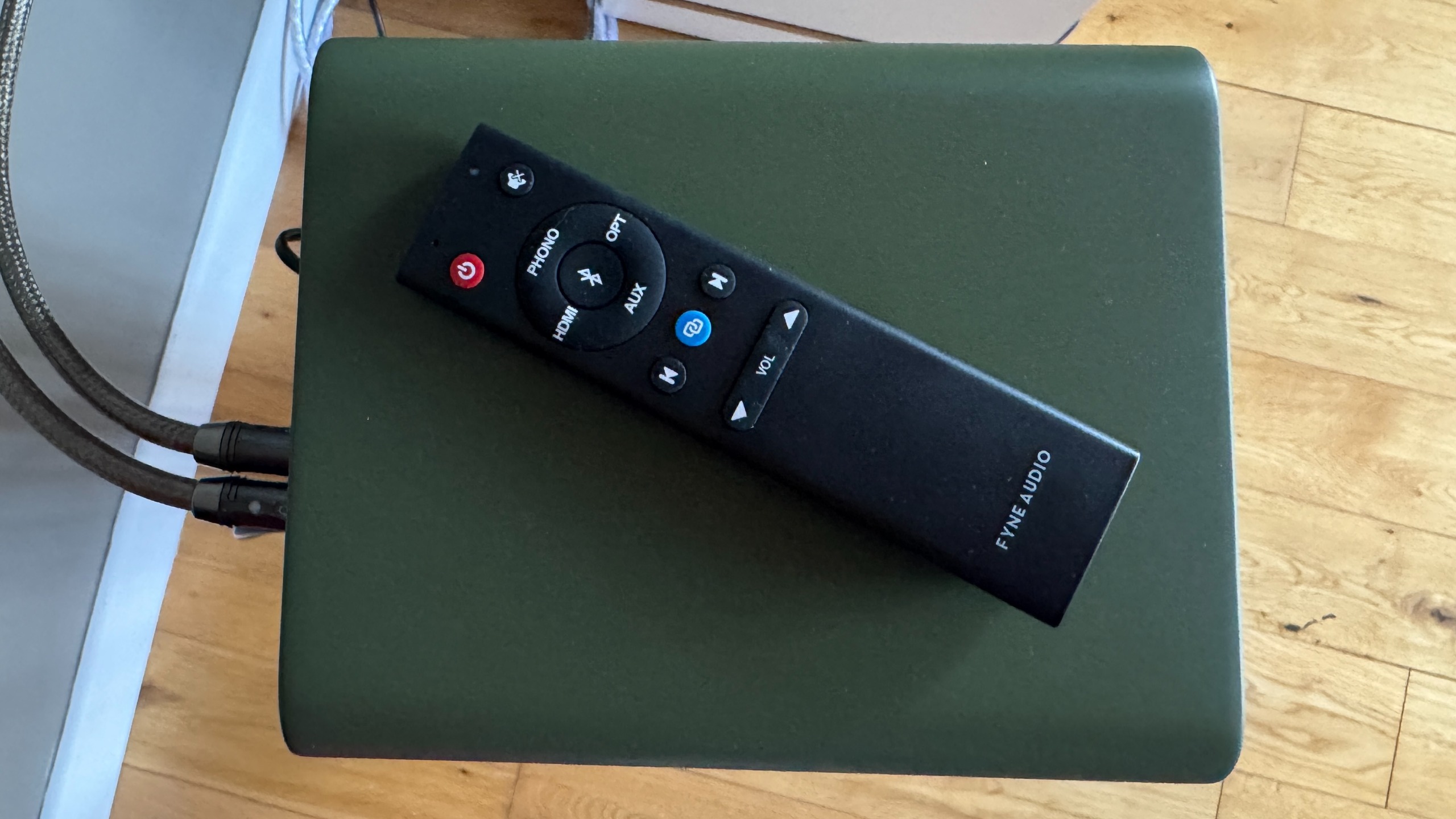
The decision to exclude on-unit controls is a deliberate design choice aimed at maintaining the minimalist, sleek look of the cabinets. However, this relies entirely on the included remote control handset. Unfortunately, this is where the system stumbles. The remote feels remarkably "low-rent," lacking the tactile satisfaction one would expect at this price point. Furthermore, the absence of an on-unit display or LED indicators for source selection and volume levels creates an opaque user experience. You are often left guessing what input is active or how much volume has been set, which feels at odds with the high-precision engineering of the drivers themselves.
Implications: Where the Cubitt 5 Fits in the Market
The Fyne Audio Cubitt 5 is a product of contradictions.
The Good:
If you value sonic purity, engineering excellence, and a "set it and forget it" lifestyle, these speakers are arguably among the best sub-$750 options on the market. They are physically beautiful, available in five distinct finishes—including a stunning "olive green"—and offer a level of audio refinement that puts many mass-market smart speakers to shame.
The Bad:
If you are the type of user who values interface feedback, app-based control, or absolute silence in a desktop environment, the Cubitt 5 may frustrate. The lack of visual confirmation for settings and the "cheap" feeling of the remote control detract from the pride of ownership.
Competitive Alternatives
Potential buyers should weigh the Cubitt 5 against:
- Cambridge L/R S: These offer a more refined control experience and a distinct aesthetic that may appeal to those looking for a more "integrated" feel.
- Ruark Audio MR1 mk3: If your primary goal is a desktop-friendly, compact system that is less expensive and perfectly suited for near-field listening, the Ruark remains the gold standard in this tier.
Conclusion
The Fyne Audio Cubitt 5 is a triumph of acoustic engineering wrapped in an inconsistent package. It succeeds where it matters most—the music sounds balanced, expansive, and authoritative. However, the user experience is hampered by a lack of thoughtful interface design and a disappointing remote control.
If you are a music lover who wants a "plug-in-and-play" system that delivers high-fidelity sound without the need for a separate amplifier and streamer, the Cubitt 5 is a compelling purchase. If, however, you prefer a system that offers deep digital integration and tactile, premium control interfaces, you may want to look elsewhere. Fyne Audio has proven they can build an incredible active speaker; now, they just need to build a better way to control it.