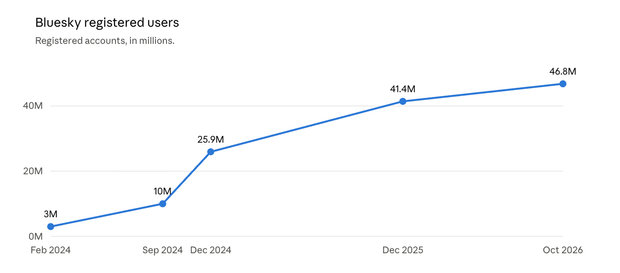
For many digital marketing teams, the question "Should we be on Bluesky?" has transitioned from a curious experiment to a strategic imperative. As the social media landscape fractures and evolves, Bluesky has emerged as a distinct, decentralized alternative to the traditional algorithmic giants. With over 46.8 million registered users as of October 2026, the platform is no longer a niche hobbyist space—it is a legitimate arena for brand engagement, thought leadership, and community building.
However, Bluesky does not play by the rules of X (formerly Twitter) or Instagram. Success on this platform requires a fundamental shift in mindset, moving away from high-budget ad spend toward authentic, value-driven interaction.

The Evolution of a Decentralized Network
To understand why a bespoke strategy is necessary, one must first understand what Bluesky is. Born from a project originally initiated during Jack Dorsey’s tenure at Twitter, Bluesky operates on the AT Protocol—an open-source, decentralized framework.
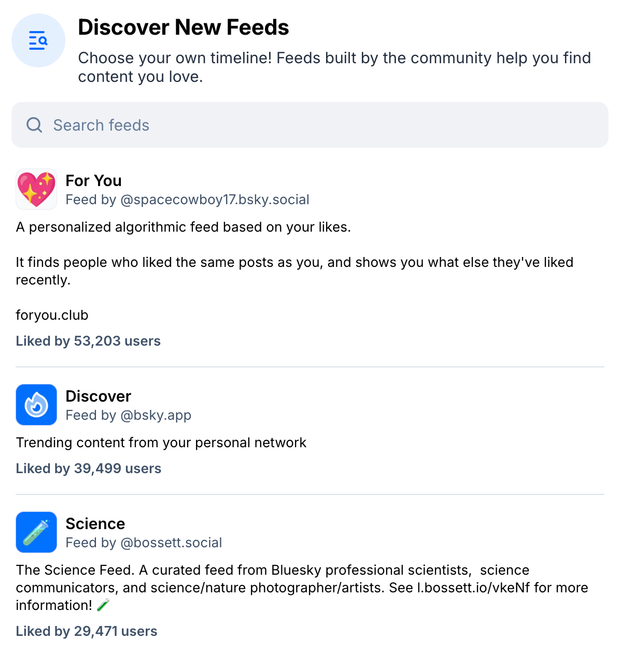
Unlike legacy platforms where a singular "black box" algorithm dictates visibility, Bluesky offers a more democratic experience. Users have the agency to curate their own feeds, pinning specific interests—from astrophysics to gardening—to their home screens. This decentralization is not just a technical feature; it is the core of the user experience. For brands, this means that "going viral" is not achieved by gaming an opaque algorithm, but by providing genuine value that earns placement within curated community feeds.

A Chronology of Rapid Adoption
Bluesky’s growth has been marked by sudden, explosive surges rather than steady, linear adoption. The platform saw its most significant momentum shifts during periods of high geopolitical volatility.
- 2025 Milestones: The platform concluded 2025 with approximately 41.41 million registered users, a growth rate of nearly 60% year-over-year.
- The Post-Election Surge: Following the U.S. election in November 2024, the platform saw millions of new users sign up within a single week, signaling a mass migration of users seeking a more stable, user-controlled environment.
- 2026 Expansion: By October 2026, the user base surpassed 46.8 million. This expansion solidified its status as a critical hub for journalists, researchers, tech innovators, and industry experts.
This trajectory suggests that Bluesky is not merely a "Twitter clone," but a resilient, growing ecosystem that appeals to users who prioritize control over their digital environment.

Supporting Data: Understanding the Audience
Who exactly are you reaching on Bluesky? Data from 2026, compiled via Similarweb, provides a clear demographic profile of the average user.
- Gender Split: The platform currently leans toward a male demographic, comprising 64% of the user base compared to 36% female.
- Age Range: The largest segment of visitors falls within the 18 to 24-year-old range, representing 32% of total traffic.
- Geographic Concentration: The United States remains the primary driver of traffic at 49%, followed by the United Kingdom (9%), Japan (6%), Germany (6%), and Canada (5%).
For brands, this data is vital. The audience is young, globally distributed, and highly concentrated in professional and intellectual sectors. This is not the platform for broad-reach, low-intent advertising; it is a space for high-intent, targeted thought leadership.
Why Brands Are Pivoting to Bluesky
The absence of an advertising marketplace on Bluesky is perhaps its most compelling feature for marketers. In an environment where every brand starts on an equal footing—regardless of budget—the barrier to entry is creativity and utility, not the size of one’s ad spend.
The "Equal Footing" Advantage
On platforms like X or LinkedIn, large corporations can effectively "buy" their way into a user’s feed. On Bluesky, visibility must be earned. As Ben Metcalfe, Founder of BlackFire Marketing, notes, "I would encourage brands to think of Bluesky as a community-building channel rather than a paid acquisition channel." Because there are no ad budgets to lean on, growth is entirely organic. Brands that succeed here are those that integrate into conversations, contribute to custom feeds, and solve problems for their followers.
Hub for Thought Leadership
Bluesky has become the de facto "water cooler" for the tech, media, and research industries. For companies that rely on B2B marketing or high-level brand authority, Bluesky offers a direct line to the people who shape industry trends. By positioning internal experts—founders, lead developers, or product managers—at the forefront of communication, brands can foster a human-centric presence that resonates with this sophisticated audience.
Developing a Strategic Framework
Building a strategy for Bluesky requires a departure from the "copy-paste" method often used when repurposing content from other platforms.
1. The 80/20 Content Mix
Brands should adhere strictly to the 80/20 rule: 80% of your output should provide genuine value, education, or entertainment, while only 20% should be promotional. GitHub, for instance, has excelled by posting technical tips and human-centric content, such as behind-the-scenes looks at their developers.
2. The Power of Custom Feeds
Custom feeds are the most potent discovery tool on the platform. Unlike traditional feeds, these are often curated by community members based on specific hashtags or interests. By ensuring your content uses relevant tags (e.g., #womeninbusiness or #techtrends), you can land in these feeds, reaching an audience that is already interested in your niche but may not yet follow your brand.

3. Consistency and the Chronological Feed
Because the "Following" feed on Bluesky is strictly chronological, your content has a shorter shelf life than on algorithmic platforms. It does not get "rediscovered" days later. Therefore, consistency is the key to maintaining visibility. Using tools like Hootsuite’s Perch, teams can schedule posts to align with their audience’s most active hours, ensuring maximum reach without requiring 24/7 manual monitoring.
Common Pitfalls to Avoid
Many brands fail on Bluesky because they treat it like a traditional megaphone. The most common mistakes include:
- Over-promotion: Pushing sales-heavy content in a space that values community.
- Inconsistency: Abandoning the account for weeks, which causes your brand to disappear from the chronological timeline.
- Ignoring Custom Feeds: Failing to engage with the very tools that provide the most discovery potential.
Managing the Strategy: Data-Driven Success
As the platform matures, the need for robust management tools has become apparent. Hootsuite provides a tripartite solution for teams managing a complex Bluesky strategy:
- Perch: Facilitates seamless scheduling and planning, allowing teams to maintain a steady presence on the chronological feed without the burnout of manual, real-time posting.
- Lumen: Provides high-level social listening. By tracking brand mentions and sentiment across 30+ networks, Lumen allows brands to identify emerging industry trends and craft timely responses that fit perfectly into the Bluesky conversation.
- Wisdom AI: Perhaps the most significant innovation, Wisdom allows marketers to query their own performance data in plain language. Instead of digging through static reports, teams can ask, "What topics are resonating with our followers?" and receive actionable insights to inform their next cycle of content.
Implications for the Future
Bluesky represents a shift toward a more modular, user-centric internet. For brands, the implication is clear: the era of "set it and forget it" advertising is waning. The future of social media marketing lies in community participation, intellectual contribution, and the ability to adapt to decentralized ecosystems.

As the platform continues to grow, it will likely introduce more advanced creator tools and potentially experimental monetization models. However, the core value proposition—an open, chronological, and community-led environment—will remain. Brands that commit to understanding the unique culture of Bluesky today will be the ones that hold the most authority and trust when the platform reaches its next phase of maturity.
For those willing to move beyond the traditional playbook, Bluesky offers a rare opportunity to build a brand presence that is not just seen, but heard and valued.