By Global News Desk
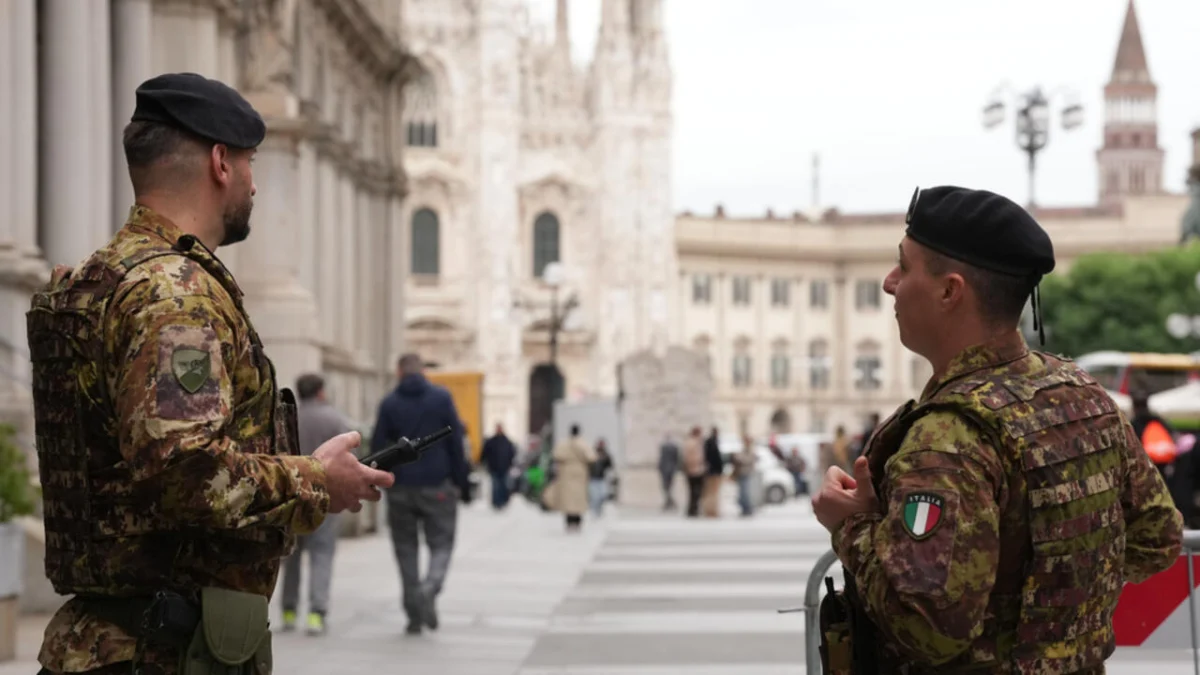
Italy is bracing for a weekend of heightened tension as security forces move to “saturate” major urban centers, from Rome to Milan, in anticipation of widespread protests. Following a week of civil unrest that saw clashes between demonstrators and police, the Italian government has opted for a strategy of deterrence, deploying hundreds of soldiers and utilizing advanced surveillance technology to prevent a repeat of last weekend’s violence.
The protests, which have drawn a diverse coalition of students, farmers, and truck drivers, are primarily fueled by a growing frustration over Italy’s deteriorating cost of living, soaring fuel prices, and the government’s recent austerity-leaning budget cuts. As the “October 17 Movement” prepares for coordinated rallies across eight cities, the nation remains on a knife’s edge, balancing the democratic right to dissent against the state’s commitment to public order.
The Context: A Nation Under Economic Strain
The current wave of unrest is not a sudden eruption but the culmination of months of simmering economic grievances. Italy, like much of Europe, is grappling with a volatile inflationary environment that has hit the most vulnerable populations hardest.
Students are leading the charge, demanding greater investment in education and a reduction in the soaring costs of student housing. Simultaneously, the backbone of Italy’s economy—its transport and agricultural sectors—has been paralyzed by rising fuel costs. The blockade of major transit routes by truck drivers recently reached a critical threshold, leading to the disruption of supply chains and impacting iconic industries, such as the production of buffalo mozzarella, which reportedly suffered losses exceeding €3 million due to distribution failures.
The protesters’ demands are varied but united by a central theme: the perceived failure of the current economic policy to protect working families from the realities of a tightening budget. While the government has introduced limited relief measures for fishermen and haulers, many demonstrators argue these interventions are "too little, too late."
Chronology of the Unrest
The Spark: Last Weekend’s Clashes
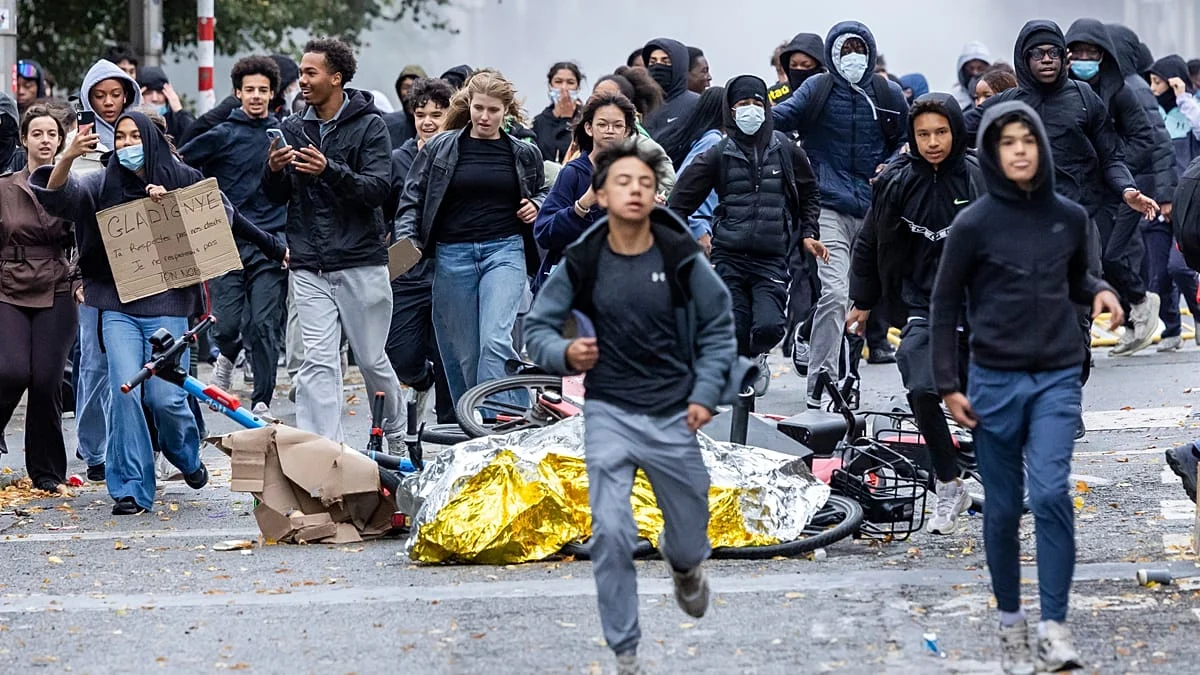
The current security posture is a direct response to the events of last weekend, where initially peaceful demonstrations in Milan devolved into chaotic riots. Boutique stores in the city’s high-fashion district were looted, prompting businesses to board up windows and, in some cases, cease operations entirely. The intensity of the violence—and the fact that many of those arrested were minors—sent shockwaves through the political establishment.
The Government’s Rapid Response
- Early Week: Prime Minister Giorgia Meloni’s administration convened an emergency security council, resulting in the rapid approval of a new security decree. This legislation is designed to serve as a deterrent: it eases detention rules for minors, establishes a specific legal classification for "violent participation in a demonstration," and mandates that parents be held financially liable for property damage caused by their children during protests.
- Mid-Week: Police launched a series of pre-emptive raids across the country, targeting individuals suspected of orchestrating the previous weekend’s riots.
- Friday: Mayor Giuseppe Sala of Milan addressed the public, urging business owners to keep their doors open. He acknowledged the previous lapses in security, stating, "Last weekend there weren’t enough of us. We will simply try to be more numerous," while emphasizing that a total shutdown of the city would only serve to amplify the chaos.
- Saturday: A massive, multi-city deployment of military and police personnel was finalized. Authorities confirmed that drones and helicopters are currently monitoring the situation in real-time, aiming to preemptively identify potential flashpoints.
Strategic Surveillance: The "Physical and Virtual" Lockdown
Rome’s police force has adopted a high-tech approach to crowd management. In an official statement, officials declared their intention to “saturate both physical and virtual territory.” This terminology highlights a shift in modern protest policing, where the digital footprint of organizers is treated with the same scrutiny as the physical presence of crowds.
The use of drones and overhead aerial surveillance marks a significant escalation in how the state manages dissent. By monitoring the movement of protesters from the sky, law enforcement can adjust the positioning of military personnel on the ground in real-time. Despite these measures, the police statement maintained a diplomatic tone, asserting that they “aimed to safeguard the full exercise of the right to express one’s views, including dissent, but strictly in compliance with the law.”

The “October 17 Movement” has countered this surveillance by employing a decentralized strategy. They have announced that in each of the eight cities, three separate protest groups will form, only to converge at a single, undisclosed location revealed just 30 minutes before the start time. This "guerilla protest" tactic is designed to stretch police resources and complicate the government’s ability to maintain a static perimeter.
Supporting Data and Economic Realities
The economic data underpinning the protests paints a grim picture. According to recent reports, the cost of living crisis has pushed inflation to levels not seen in decades, with energy prices disproportionately affecting the transport sector.
| Sector | Impact of Crisis |
|---|---|
| Logistics/Trucking | Significant supply chain halts; estimated multi-million euro losses. |
| Students | Rising rent prices in urban centers; demand for educational funding. |
| Agriculture | Increased operational costs due to diesel prices; reduced profit margins. |
| Retail | Fear of looting and loss of revenue due to early closures in major hubs. |
The government’s decision to target minors with the new security decree is particularly controversial. Sociologists suggest that the high participation of young people in these protests indicates a deep-seated intergenerational divide, where the youth feel that their future economic stability is being sacrificed for the sake of immediate budget austerity.
Official Responses and Political Implications
Prime Minister Giorgia Meloni faces a delicate balancing act. Her government, which campaigned on a platform of law and order, is under immense pressure to show that it can maintain control of the streets without stifling the democratic process.
The "Anti-imperialist Axis," an anti-war group, has also scheduled a rally in Rome, adding a layer of geopolitical complexity to the weekend’s events. The government’s security decree has been criticized by opposition figures as an authoritarian overreach, arguing that the legislation effectively criminalizes youth activism.
However, government spokespeople defend the decree as a necessary protection for small business owners and the public. By holding parents accountable for their children’s actions, the government hopes to curb the participation of minors in what they term "criminal vandalism" under the guise of protest.
Future Implications: What Lies Ahead?
The outcome of this weekend will likely dictate the tone of Italian politics for the remainder of the year. If the security measures successfully prevent violence, the government will likely use the results to justify its "tough-on-crime" legislative package. Conversely, if the heavy police presence leads to further confrontations or perceived abuses, it could serve as a catalyst for a larger, more unified national movement.
The protests have exposed a fractured social contract. While the government has successfully negotiated an end to the major truck blockades that paralyzed the south, the underlying issue of the cost of living remains unaddressed. The current situation in Italy serves as a microcosm of a broader European trend: how do states manage a disillusioned population when the economic levers of power seem beyond their immediate control?
As the sun sets over Milan and Rome, the nation waits to see whether the strategy of "saturation" will bring peace or if the simmering anger will find new, more volatile ways to express itself. For now, the streets of Italy remain a stage where the right to dissent and the duty to govern are locked in a high-stakes, real-time confrontation.