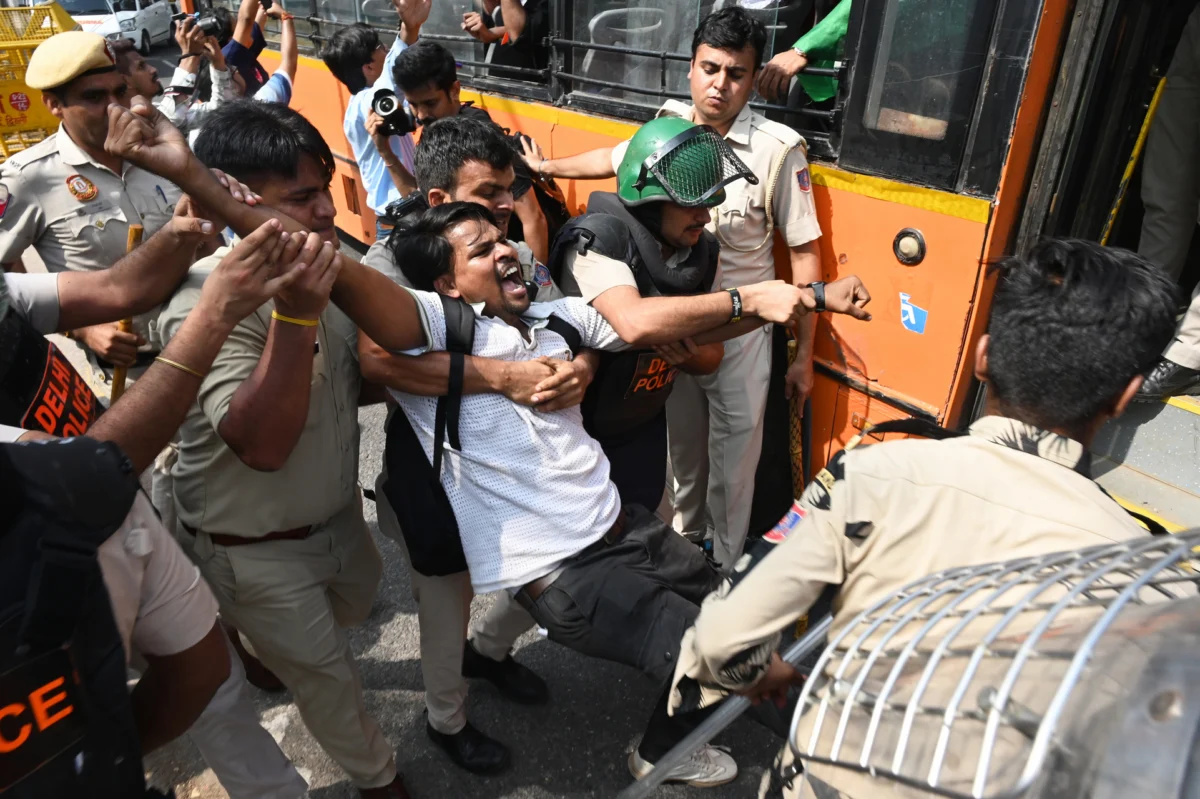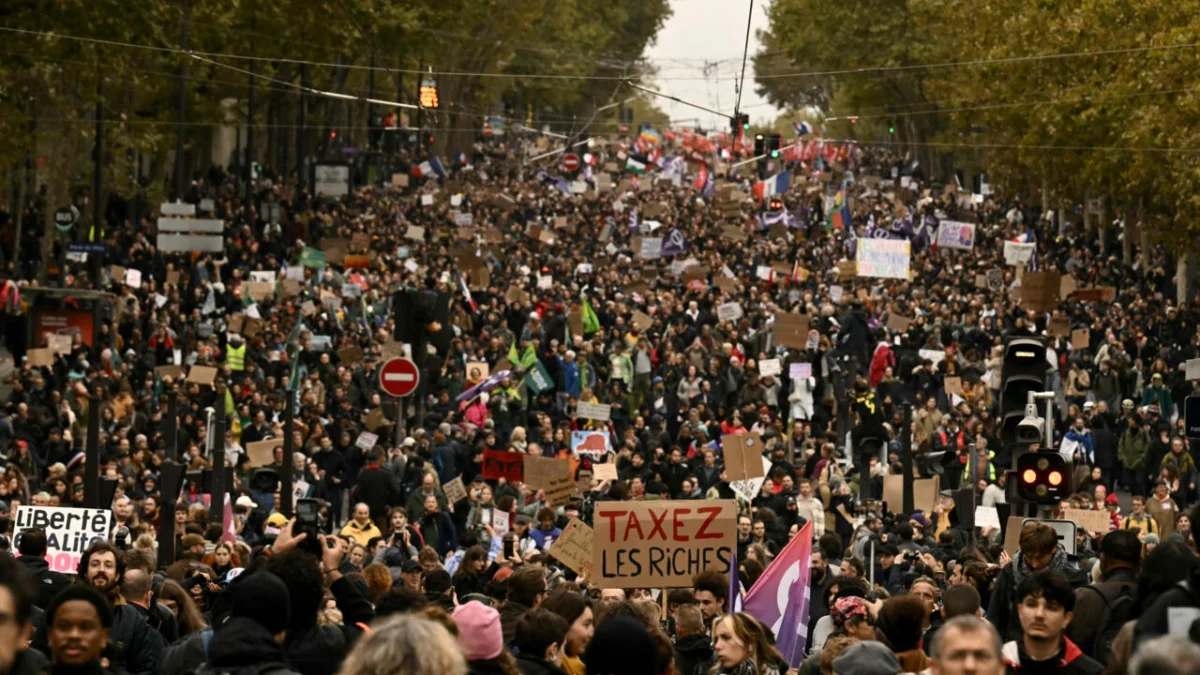
PARIS, October 24, 2026 – Major European cities are bracing for a day of widespread protest and civil unrest, as citizens across the continent take to the streets to voice grievances ranging from economic instability to systemic inequality. At the heart of the turbulence is France, where the government has launched an unprecedented security mobilization in a bid to forestall a repeat of the violent looting and property destruction that marred the previous three weekends of demonstrations.
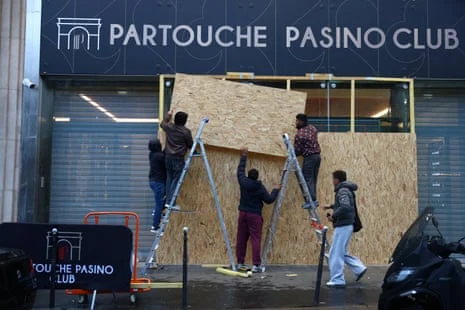
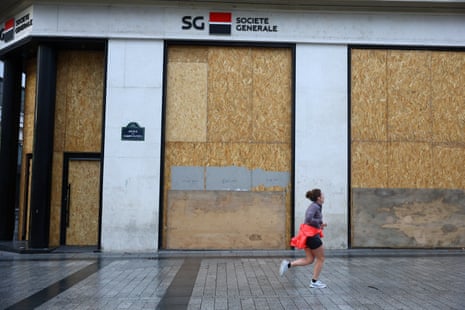
As the sun rose over Paris, the rhythmic sound of power tools and hammers echoed through the capital’s central and eastern districts. Shopkeepers, exhausted by the recurring cycles of vandalism, spent the early hours boarding up storefronts with wooden panels. From high-end fashion boutiques on the Champs-Élysées to local pharmacies and grocery stores, the city is fortifying itself against what many fear will be another volatile Saturday.
The State of Play: A Nation on Lockdown
In France, the mobilization is staggering in scale. Authorities have deployed 70,000 police officers and soldiers to the streets—an increase of 20% compared to last weekend. This massive force includes a blend of specialized elite units tasked with counter-terrorism and crowd control, bolstered by trainee officers brought in to bolster the numbers.
The strategy is clear: containment and prevention. In a drastic move to limit the movement of potential agitators, 24 major metro stations in Paris have been shuttered, including key transport hubs like Charles de Gaulle – Étoile, Concorde, and Franklin D. Roosevelt. Major museums and prominent tourist landmarks have also been ordered to close, effectively putting the heart of the French capital into a state of suspended animation.
The unrest is driven by a broad coalition of high school students, labor unionists, and the enduring "Yellow Vest" movement. Their demands are multifaceted: increased state funding for public education, comprehensive housing reform, and urgent government intervention to mitigate the soaring cost of living that has squeezed household budgets across the country.

Chronology of the Crisis: A Rapidly Escalating Situation
The origins of this weekend’s heightened state of alert can be traced back to the chaotic events of the previous two weekends, where the fringes of peaceful demonstrations were exploited by agitators to loot hundreds of businesses in Paris, Marseille, and Bordeaux.
- Earlier this week: Municipal authorities in Marseille initially attempted to suspend all public transport services to prevent demonstrators from congregating, but were forced to backtrack following a public outcry regarding the infringement on citizens’ rights to movement.
- Friday, October 23: The atmosphere of political tension reached a fever pitch following a deadly shooting west of Paris. A gunman deliberately targeted individuals of non-white backgrounds, resulting in one death and five injuries, including a child. President Emmanuel Macron condemned the incident as a "racist terrorist attack," further inflaming an already polarized national discourse.
- Saturday, October 24 (Early Morning): As dawn broke, the scale of the fortification became visible. In Orléans, where the far-right National Rally is holding its national conference, local authorities have suspended all tram services and removed bike-sharing stations from the city center in anticipation of up to 30,000 counter-demonstrators.
Supporting Data: The Economic and Human Toll
The economic fallout from the sustained unrest is becoming a critical issue for the French government. At a public meeting at Paris City Hall earlier this week, the human cost of the protests was laid bare as shop owners wept while describing their losses.
"I’m afraid there isn’t enough wooden board left to protect shops, and the demand is making it so expensive to board up shops," one optician located near Châtelet remarked. "We’ll close up and take all our stock of glasses out of the shop. There is no other way to ensure we survive this."
The scarcity of building materials and the astronomical costs associated with constant repairs have created a secondary crisis for small business owners. Many are now choosing to cease operations entirely on weekends, choosing the loss of revenue over the risk of total inventory destruction.
Furthermore, the geographic spread of the protests suggests a deepening of the divide between the French state and its periphery. While Paris is the symbolic focus, the unrest in Marseille and the gathering in Orléans indicate that the movement is not confined to the capital, but represents a systemic challenge to the current administration’s policies across the entire republic.

Official Responses and Strategic Shifts
The government’s response has been characterized by a "security-first" approach. By increasing police presence by 20% and implementing strict "authorization" requirements for protest groups, the Ministry of the Interior is attempting to isolate the "Yellow Vest" elements from those they perceive as professional agitators or looters.
However, these tactics are not without their critics. Civil liberty advocates have raised concerns that the suspension of public transport and the restriction of assembly sites—in both Paris and Orléans—border on an overreach that threatens the fundamental democratic right to protest.
In Orléans, the decision to effectively lock down the city center during the National Rally conference highlights the precarious balance the government is trying to strike: protecting the right of a political party to gather while preventing a violent clash between far-right supporters and the massive influx of counter-demonstrators.
Implications: A Continent in Flux
While France is currently the epicenter, it is far from alone. Protests are also being held today in Italy, Spain, Austria, Portugal, Albania, and Ireland. The synchronicity of these events points to a broader, pan-European struggle.
1. The Cost of Living Crisis
Across the continent, inflation and the rising cost of energy and basic goods have acted as a catalyst for social unrest. The "Yellow Vest" model of protest—decentralized, grassroots, and highly mobile—has proven to be an exportable template for other European nations facing similar economic pressures.
2. Rising Ethnic and Political Polarization
The tragic shooting west of Paris has added a layer of volatility to the protests. The targeting of non-white citizens has brought issues of race, immigration, and national identity to the forefront of the demonstrations. The coincidence of these protests with the National Rally’s conference in Orléans creates a powder-keg scenario, where the potential for inter-group violence is at its highest point in years.
3. The Future of Urban Governance
The decision to shut down 24 metro stations in Paris and suspend tram services in Orléans sets a concerning precedent for urban management in times of civil unrest. If such measures become the "new normal," it will inevitably lead to a degradation of public trust and a further alienation of the urban population from their municipal and national leaders.
Conclusion
As the day progresses, all eyes remain on the French capital. The success or failure of the government’s security operation will likely determine the trajectory of the protest movement in the coming weeks. If the authorities can prevent further looting while maintaining order without excessive force, they may manage to quell the immediate anger. However, if the demonstrations continue to spiral, or if the clashes between police and protesters turn violent, the government may find itself facing an existential crisis that far transcends the initial economic grievances.
For now, Europe holds its breath, watching as a continent grappling with its own internal contradictions tries to navigate a day that may define the political landscape for the remainder of the year. Stay with our live coverage for ongoing updates as the situation develops on the ground.