In the modern digital landscape, most email service providers (ESPs) are filled with a glaring paradox: brands are sending thousands of emails to thousands of people who, on paper, look exactly the same. You might see a segment of customers who all purchased a specific moisturizer in the last 90 days. To your automated system, they are a monolith—a single cohort to be hit with the same generic "check out our new serum" campaign.
But in reality, that list is a tapestry of distinct motivations. One customer bought that moisturizer for chronic dry skin; another purchased it as a last-minute birthday gift; a third has been battling a specific dermatological condition for years. When you treat these three distinct individuals with one generic broadcast, you aren’t just missing an opportunity—you are actively eroding the trust and relevance required to sustain a modern brand.
This is the chasm that zero-party data is designed to bridge. By moving away from the guesswork of inferred behavior and toward the clarity of direct communication, brands are finally evolving email from a broadcast channel into a personalized conversation.
What Is Zero-Party Data? The End of Inference
Coined by Forrester Research, "zero-party data" refers to information that a customer intentionally and proactively shares with a brand. Unlike first-party data—which tracks behavioral signals like clicks, page views, and purchase history—zero-party data skips the inference step entirely.
The Hierarchy of Marketing Data
To understand the significance of this shift, one must look at the data hierarchy:
- Third-Party Data: Data collected by external entities and sold to advertisers. With the death of the third-party cookie and tightening privacy regulations from Apple and Google, this data is effectively a relic of the past.
- First-Party Data: Behavioral information collected directly from your own site. It tells you what a user did, but it requires a leap of faith to guess why they did it.
- Zero-Party Data: The "holy grail" of personalization. When a user tells you, "I have oily skin, a budget of under $50, and I prefer emails once a week," you are no longer guessing. You are acting on truth.
In an era of heightened privacy awareness, consumers are increasingly wary of being tracked. Zero-party data flips the script: it turns the act of data collection into a value exchange. The customer provides information because they expect a better, more tailored experience in return.
Chronology of the Shift: From Mass Marketing to Hyper-Personalization
The evolution of email marketing can be broken down into three distinct eras:
- The Broadcast Era (Pre-2010): The "batch and blast" approach dominated. Success was measured by list size, and personalization was limited to "Hi [First Name]."
- The Behavioral Era (2010–2020): Marketers began leveraging CRM data and cookies. We started segmenting by purchase history and browsing behavior. We became good at stalking our customers with retargeting ads and "abandoned cart" emails.
- The Zero-Party Era (2020–Present): With the rise of privacy-first browsers and a consumer base demanding transparency, brands have had to pivot. The current gold standard is the "Relationship Era," where the brand asks questions rather than making assumptions.
This transition has been accelerated by the diminishing returns of traditional digital advertising. As customer acquisition costs (CAC) skyrocket, the brands that survive are those that maximize the lifetime value of their existing subscribers through deep, data-driven personalization.
Supporting Data: The ROI of Engagement
Why is this shift occurring now? The numbers tell a compelling story. According to recent industry benchmarks, segmented campaigns see significantly higher open rates and click-through rates compared to generic broadcasts.
When a brand uses a pre-purchase quiz to collect data, they are not just "extracting" information; they are creating an asset. A well-designed quiz acts as an interactive sales associate. By the time the user reaches the results page, they have been primed to buy, and the brand has a rich profile of that user’s specific pain points.
Key Metrics for Success:
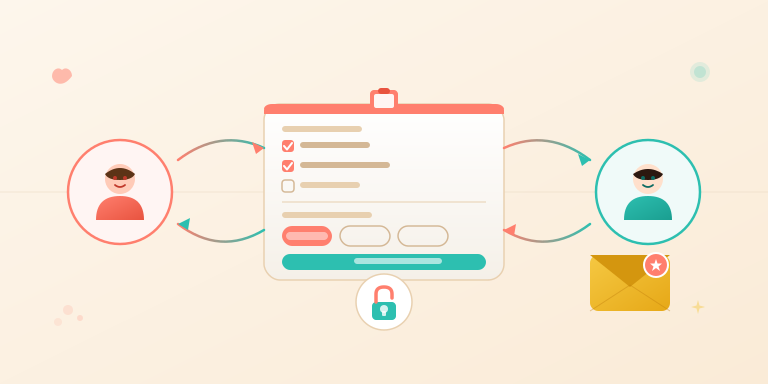
- Reduced Unsubscribe Rates: When subscribers control the cadence and content of their emails via a preference center, they are significantly less likely to churn.
- Increased Lifetime Value (LTV): By tailoring recommendations based on actual user needs, brands see higher repeat purchase rates.
- Lowered Operational Costs: Platforms like Omnisend allow for the seamless integration of custom properties into automated flows, ensuring that the manual labor involved in segmenting lists is reduced to near zero.
The Tools of the Trade: Quizzes, Surveys, and Preference Centers
To build a zero-party data strategy, brands must deploy the right mechanisms at the right stages of the customer journey.
1. The Pre-Purchase Quiz
Quizzes are the highest-return data collection tool in ecommerce. They offer value to the customer—a personalized recommendation—in exchange for their data.
- The Golden Rule: Keep it under eight questions. Every question must feel like it is leading the customer to a better, more useful result. If the output isn’t genuinely helpful, the conversion rate will plummet.
- The Mapping: Every answer should trigger a corresponding tag or property in your ESP. If you ask "What is your goal?" and the answers are "Muscle Gain" and "Weight Loss," those answers must immediately route the customer into separate, tailored email sequences.
2. Post-Purchase Surveys
While quizzes win at the top of the funnel, surveys are the key to retention. Sending a survey 48 hours after delivery allows a brand to capture "the why" behind a purchase.
- Contextual Intelligence: You may find that 40% of your customers are buying your product as a gift. This is a critical insight. If you treat those customers the same as repeat buyers, you lose the opportunity to create a "gift-giving" campaign during the holiday season.
3. Preference Centers
The unsubscribe link is often treated as the end of the road. A sophisticated brand uses a preference center as an "exit ramp" that keeps the customer in the ecosystem. By allowing users to choose their frequency (e.g., "Once a month" vs. "Weekly") or their interests, you demonstrate that you respect their inbox space.
Implications for the Future of Ecommerce
The implications of this shift are profound. We are moving toward a future where the size of your email list matters far less than the quality of the data associated with each subscriber.
Brands that ignore this will find themselves trapped in a cycle of diminishing returns. As tracking becomes more restricted, the brands that lack a direct, honest, and zero-party relationship with their audience will essentially be "blind" to their customers’ needs.
Conversely, brands that prioritize zero-party data will build an insurmountable competitive advantage. They will possess a "data moat"—a repository of insights that their competitors simply cannot access through tracking or scraping.
Official Recommendations: How to Start Today
If you are currently relying on generic, non-segmented campaigns, the transition to a zero-party strategy can feel daunting. However, it is an achievable process:
- Audit Your Current Flows: Identify which emails are the most generic. Start by adding a single-question survey to your welcome series.
- Integrate Your Data: Use a platform like Omnisend, which is built for this level of granularity. Ensure that the data you collect from quizzes and surveys feeds directly into subscriber profiles, allowing for dynamic segmentation.
- The Migration Path: If you are worried about the technical complexity of switching platforms, note that modern solutions have simplified this. Services are now available to migrate entire lists, flows, and templates in as little as five days, often at a lower cost than legacy platforms.
- Respect the Data: Once you have the data, use it. If a customer tells you their skin type is "Oily," never send them an ad for a heavy night cream for dry skin. Personalization is not just about using a first name; it is about respecting the information the customer entrusted to you.
Conclusion
The brands that win in the next five years will be those that treat their email list as a group of individuals rather than a spreadsheet of statistics. By implementing quizzes, leveraging post-purchase surveys, and empowering users through preference centers, you are doing more than just marketing. You are building an honest, value-driven relationship.
In the end, zero-party data is the ultimate signal of trust. When a customer tells you what they want, they are inviting you to be a part of their life. The most successful brands will be the ones that accept that invitation, act on the information with precision, and provide a customer experience that feels less like a transaction and more like a partnership.