By [Your Name/Journalism Desk]
The landscape of American renewable energy is facing a period of profound instability as the Trump administration intensifies its campaign to dismantle the offshore wind industry. In the latest move to halt large-scale clean energy deployment, the Department of the Interior has petitioned a federal judge to vacate and reconsider the construction and operations plan (COP) for the "New England Wind" project off the coast of Massachusetts.
This maneuver, filed by the Justice Department on Tuesday, marks the fourth major offshore wind initiative targeted by federal regulators in recent months. By seeking to remand the project’s permit—originally granted in 2024 during the Biden administration—to the Interior Department for a fresh review, the administration is effectively putting a major piece of the nation’s climate infrastructure into legal limbo.
The Core Conflict: Why "New England Wind" is in the Crosshairs
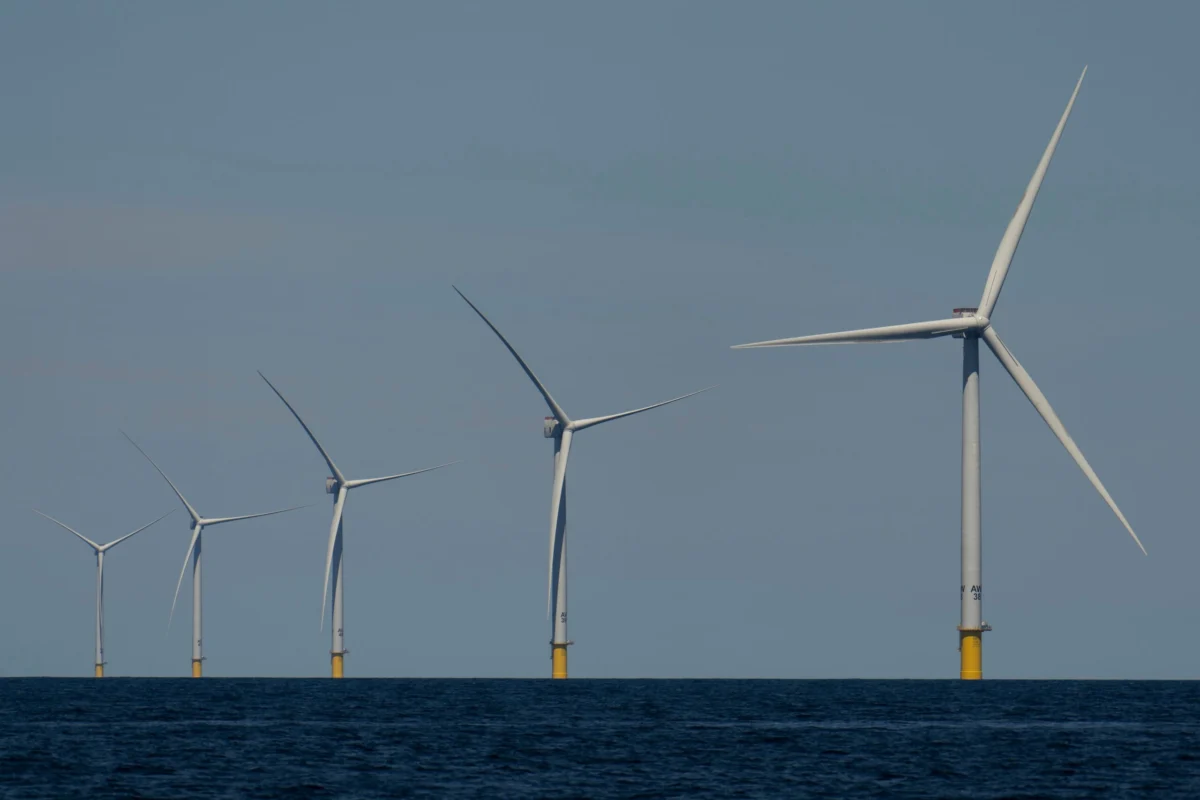
The New England Wind project, spearheaded by developer Avangrid, represents a significant investment in the regional energy grid. With plans to install up to 129 offshore turbines, the project is designed to generate approximately 2,600 megawatts of electricity—enough to power more than 900,000 homes annually.
However, the path forward has been complicated by litigation from "ACK for Whales," a Nantucket-based opposition group. The plaintiffs argue that the federal government failed to adequately comply with statutory environmental protections during the initial permitting process. In a strategic alignment with these critics, the federal government informed the District Court for the District of Columbia that a remand is necessary to address what it characterizes as "major adverse impacts" that were allegedly ignored or improperly mitigated in the original approval.
Chronology of an Escalating Regulatory War
The administration’s strategy against offshore wind has evolved from public rhetoric to a multi-front legal and bureaucratic offensive.
- 2025: Initial Friction: Following his return to office, President Trump signaled an immediate shift in energy policy, labeling offshore wind as "ugly" and an unreliable substitute for fossil fuels like coal and natural gas.
- August 2025: A federal judge granted the administration’s request to reconsider the permit for the Atlantic Shores project in New Jersey. The project faced an immediate existential crisis when co-owner Shell withdrew from the venture.
- Late 2025: The administration successfully petitioned to reconsider the SouthCoast Wind project permit, just days before the presidential inauguration.
- 2026 (Ongoing): The Interior Department has expanded its target list to include the completed Revolution Wind farm (serving Rhode Island and Connecticut) and the yet-to-be-constructed Maryland Offshore Wind Project.
- Tuesday’s Filing: The Department of Justice officially moved to reopen the review process for New England Wind, escalating the tension between the executive branch and clean energy developers.
Throughout this period, the administration has also experimented with novel tactics, including attempting to "buy back" existing offshore leases and citing nebulous "national security" concerns to pause construction on projects like the completed Vineyard Wind farm.
Supporting Data: The Scale of the Impact
The scale of the energy transition at stake is massive. Offshore wind is considered a pillar of the transition toward a carbon-neutral power grid, yet the industry currently operates in a state of high-alert.
- Economic Stakes: The uncertainty created by reopening settled permits introduces significant financial risk. Investors are hesitant to commit capital when the "Rules of the Road" can be altered by a change in executive administration.
- Energy Reliability: Supporters of the projects point out that the 2,600 MW capacity of New England Wind is essential for regional grid stability, particularly as states phase out aging fossil fuel plants.
- Market Signals: Despite the regulatory headwinds, the industry has seen some successes. Vineyard Wind, also developed by Avangrid in partnership with Copenhagen Infrastructure Partners, successfully reached completion in March 2026, serving as a rare bright spot for the sector during this period of intense opposition.
Official Responses and Political Fallout
The administration’s actions have sparked a sharp divide in Washington, pitting the executive branch against legislative efforts to streamline energy infrastructure.

The Congressional Perspective
Senator Sheldon Whitehouse (D-RI) issued a blistering critique of the administration’s tactics, suggesting that the move to reopen permits is a deliberate sabotage of broader energy policy. "This is how you blow up a permitting deal," Whitehouse stated, referring to the bipartisan legislative effort in the Senate to expedite energy reviews. He argues that by politicizing the permit process, the administration is jeopardizing the very legislative framework that industry leaders have been calling for to ensure long-term stability.
The Industry Perspective
The National Ocean Industries Association (NOIA), which represents a broad spectrum of energy stakeholders, has expressed deep concern. Erik Milito, president of the association, emphasized that the constant shifting of regulatory goalposts is detrimental to the entire U.S. energy sector. "The Senate has made meaningful progress on deep reforms that would provide greater certainty for energy projects across the board," Milito noted. He argued that the current administration’s volatility is exactly why Congress needs to codify permitting reforms into law, effectively taking the process out of the reach of executive overreach.
The Administration’s Defense
The Interior Department maintains that its actions are consistent and legally grounded. In a statement released Wednesday, the department clarified that the latest filing was a procedural step in response to the court briefing schedule rather than a change in core policy. The department maintains that its scrutiny of the New England Wind project is part of a standard review process intended to ensure that all federal mandates, including environmental protections, are strictly adhered to.
Implications: A "War" Backfiring?
The broader implications of these maneuvers are being watched closely by environmental organizations and energy economists alike. Pasha Feinberg, an offshore wind strategist at the Natural Resources Defense Council (NRDC), argues that the administration’s fixation on offshore wind is disconnected from the economic realities facing American households.
"It’s long past time for the Trump administration to realize its war on clean energy is backfiring," Feinberg said. She notes that as utility bills remain high, the public is increasingly looking toward lower-cost renewable options to insulate themselves from volatile fossil fuel markets. By stifling domestic clean energy production, critics argue the administration is inadvertently prolonging reliance on expensive and imported fuels.
Legal and Regulatory Precedent
The decision to allow the reconsideration of permits—especially for projects that are already under construction or fully operational—sets a precarious precedent. Legal experts warn that if federal agencies are permitted to retroactively challenge their own prior approvals without new, substantive evidence of wrongdoing, it could fundamentally undermine the "certainty" that the U.S. regulatory system is meant to provide.
For developers like Avangrid, the road ahead is uncertain. With the New England Wind project currently stalled, the company remains in a state of operational limbo. Should the court grant the Interior Department’s request to remand the permit, the project will likely face a lengthy period of re-evaluation, potential re-design, and further litigation.
Conclusion: The Path Ahead
The tension between the Trump administration’s fossil-fuel-centric energy policy and the burgeoning offshore wind sector shows no signs of abating. As the administration continues to use the judiciary and executive orders to systematically challenge the legal validity of clean energy projects, the conflict has moved beyond mere policy disagreement into a fundamental struggle over the future of the American power grid.
While the administration frames its actions as a defense against environmental impacts and an assertion of national interest, the industry and its proponents see a calculated effort to force a regression in energy policy. With bipartisan permitting reform hanging in the balance, the fate of New England Wind and other major projects remains tied to the outcome of these ongoing legal battles, signaling that the debate over the U.S. energy transition will remain at the forefront of the national agenda for the foreseeable future.