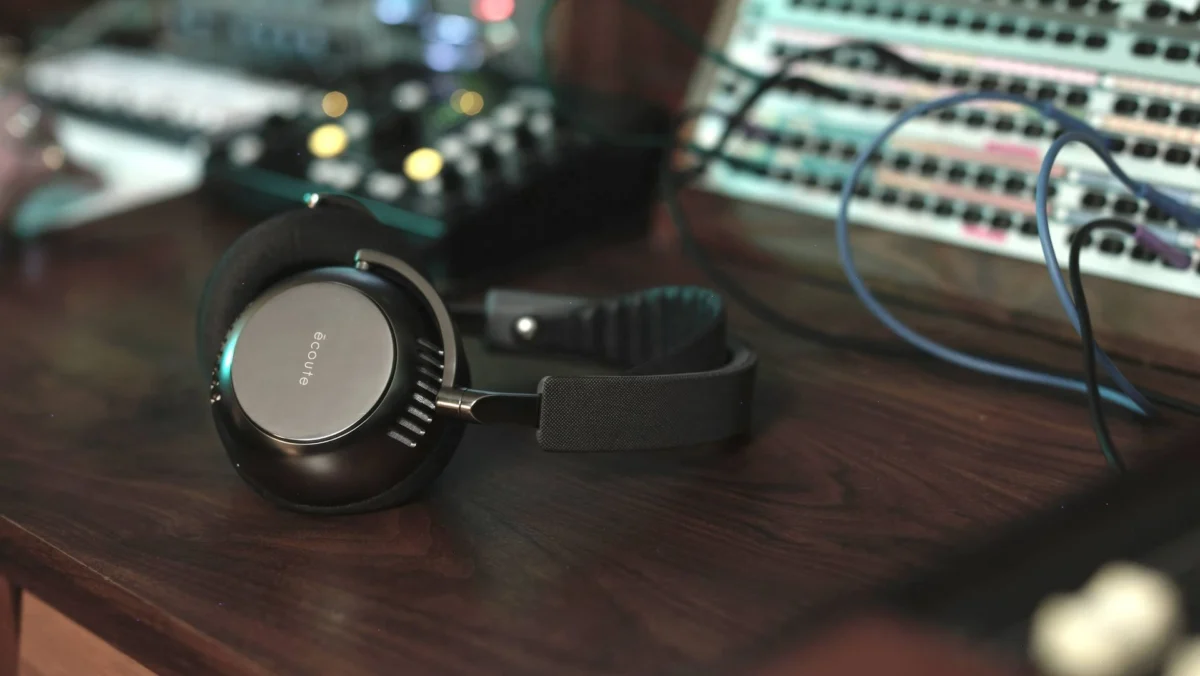
In an era dominated by mass-produced, software-driven consumer electronics, British audio brand Écoute is carving out a niche that feels remarkably rebellious. Following the successful, industry-defying launch of their debut valve-amplified headphones in early 2025, the company has returned with the TH2—a refined iteration of their "tube-on-your-head" concept. While the name might sound distinctly Gallic to the uninitiated, the brand is firmly British, and its latest release is a masterclass in blending vintage vacuum tube warmth with the practical demands of modern, high-fidelity wireless audio.
The Écoute TH2 is not a complete reimagining of the original design, but rather a sophisticated evolution. By addressing the primary technical challenges of integrating delicate analog components into a wearable form factor, the company is signaling its intent to dominate the ultra-premium audiophile headphone market.
The Core Concept: Why Vacuum Tubes?
To understand the appeal of the Écoute TH2, one must first understand the "warmth" that audiophiles so fervently pursue. Vacuum tubes—or valves—are a legacy technology, yet they remain the gold standard for many purists. Unlike modern solid-state transistors, which often provide a clinical, precise, and entirely linear amplification of sound, vacuum tubes introduce a subtle, harmonic distortion that the human ear perceives as organic, lush, and "warm."
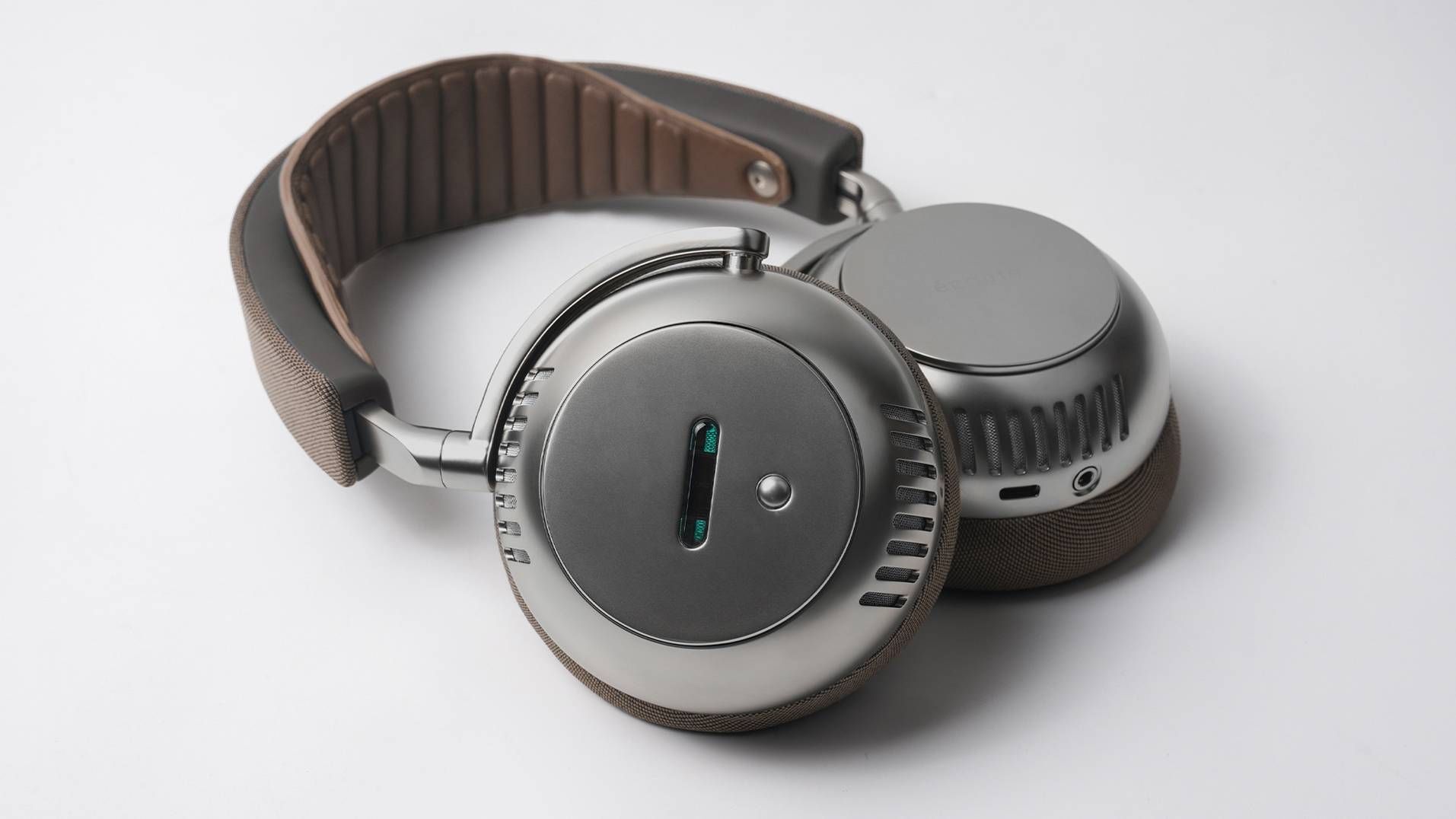
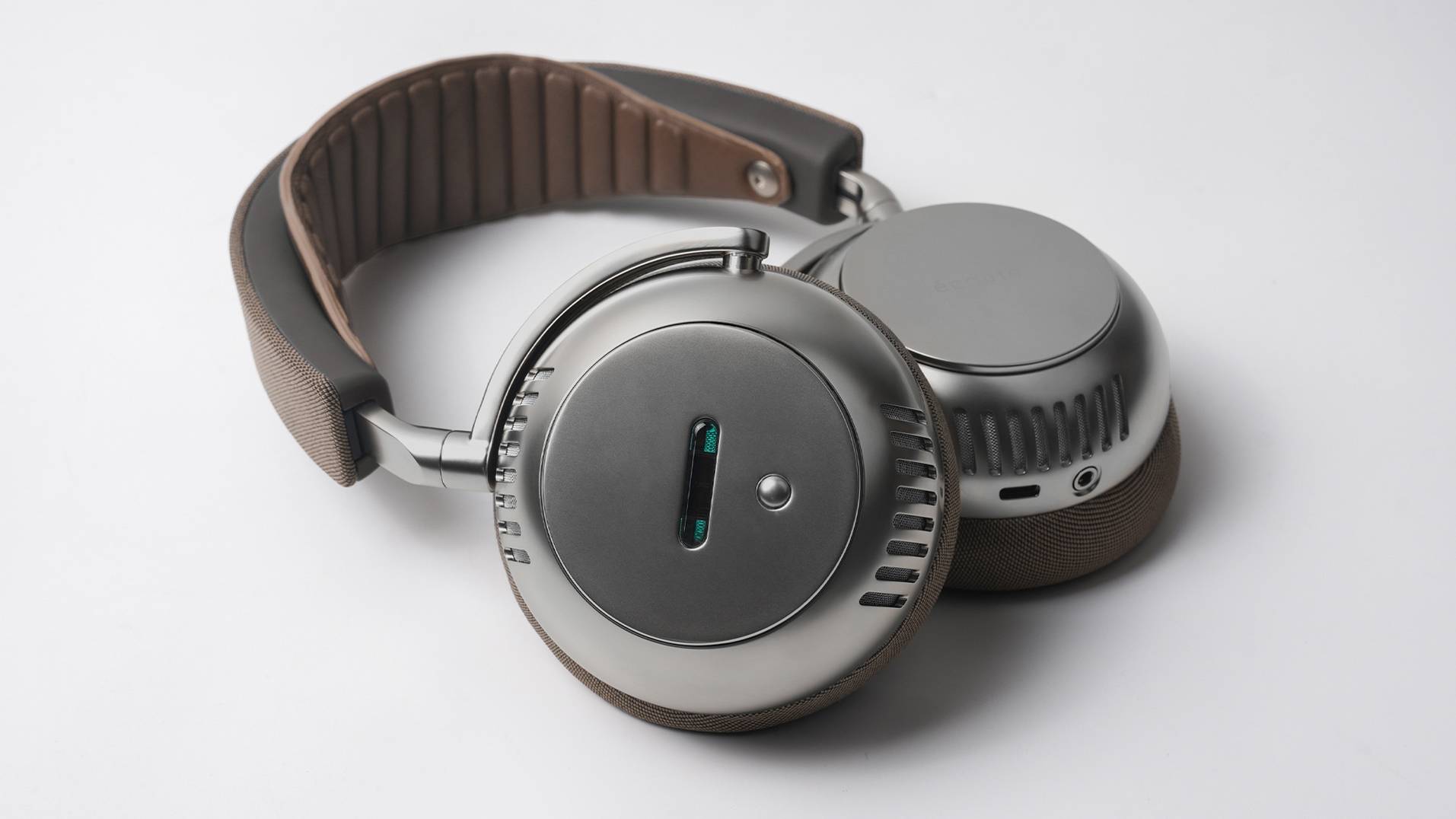
In traditional high-end audio setups, these valves are housed in heavy, stationary chassis. Écoute, however, has managed to miniaturize this experience using the Korg NuTube 6P1—a compact, low-power vacuum tube that offers the sonic signature of a full-sized valve without the excessive heat, power consumption, or fragility that would make a pair of headphones unusable. By placing these miniature tubes directly in the ear cups, Écoute promises an immersive, analog listening experience that bypasses the limitations of purely digital amplification.
A Chronology of Innovation: From Concept to TH2
The journey for Écoute began with a bold proposition: could the distinct, emotional resonance of a tube amplifier be made mobile? When the company first debuted its technology in early 2025, it was met with both skepticism and intrigue. The challenge was twofold: protecting the delicate internal tubes from the vibrations of daily movement and managing the interference between wireless signals and analog circuits.
- January 2025: The debut of the original Écoute headphones marked the brand’s entry into the spotlight, proving that valve-tech could indeed be made portable.
- Mid-2025: Throughout the year, the design team at Écoute gathered feedback from early adopters and critics. The consensus was clear: while the sound was unparalleled, there were mechanical improvements to be made regarding microphonic interference and low-frequency resonance.
- November 2025: The launch of the TH2. This release represents the brand’s transition from a proof-of-concept manufacturer to a refined player in the high-end audio space.
Technical Refinements and Architectural Changes
The primary criticism of the original model was its susceptibility to "microphonics"—a phenomenon where mechanical vibrations (such as walking or bumping the headphone frame) are picked up by the vacuum tubes and converted into audible noise. The TH2 tackles this head-on with a completely overhauled internal architecture.
Redesigned Resonance Chambers
The TH2 features a meticulously engineered resonance chamber within each ear cup. By adjusting the internal volume and dampening materials, Écoute has significantly deepened the bass response. The result is a soundstage that feels wider and more cinematic, providing a foundation for the "warm" mids and highs that the tubes are responsible for producing.
Advanced Shielding Protocols
Analog valves are notoriously sensitive to electromagnetic interference. Given that the TH2 supports Bluetooth 5.3 and high-resolution wireless streaming, the potential for digital noise to bleed into the analog signal path is high. The engineers have implemented reinforced electromagnetic shielding, effectively isolating the NuTube 6P1 from the digital circuitry. This ensures that the purity of the vacuum tube sound is preserved, even when the user is utilizing wireless connectivity.
DSP and User-Defined EQ
While the amplification remains analog, the TH2 offers a modern interface for sound customization. Unlike standard headphones that apply a "blanket" EQ filter—which can often degrade sound quality—the TH2 uses a high-fidelity Digital Signal Processor (DSP) that allows for nuanced frequency adjustments. This empowers users to tailor the output to their specific preference, whether they are listening to orchestral suites, jazz, or modern studio-produced tracks, without losing the essential tube "character."
Connectivity: A Bridge Between Eras
The versatility of the TH2 is one of its strongest selling points. Recognizing that true audiophiles may want to switch between sources, Écoute has equipped the TH2 with:
- Bluetooth 5.3: For high-bandwidth, stable wireless streaming.
- USB-C Input: Enabling a direct, high-resolution digital connection to smartphones, laptops, and dedicated audio players.
- 3.5mm Analog Input: For those who wish to use the headphones as a purely analog device, bypassing internal processing entirely.
Perhaps most impressively, the TH2 is designed to accommodate external amplification. For users who own a dedicated high-end home DAC (Digital-to-Analog Converter) or a desktop tube amplifier, the TH2 can act as a high-performance monitor, allowing the user to choose between the internal "house sound" of the NuTubes or an external source.
Market Positioning and Luxury Pricing
It is important to manage expectations: the Écoute TH2 is not designed for the commuter looking for a budget-friendly pair of noise-canceling headphones. It is a piece of luxury equipment, priced at $999 / £999 / AU$1,446.
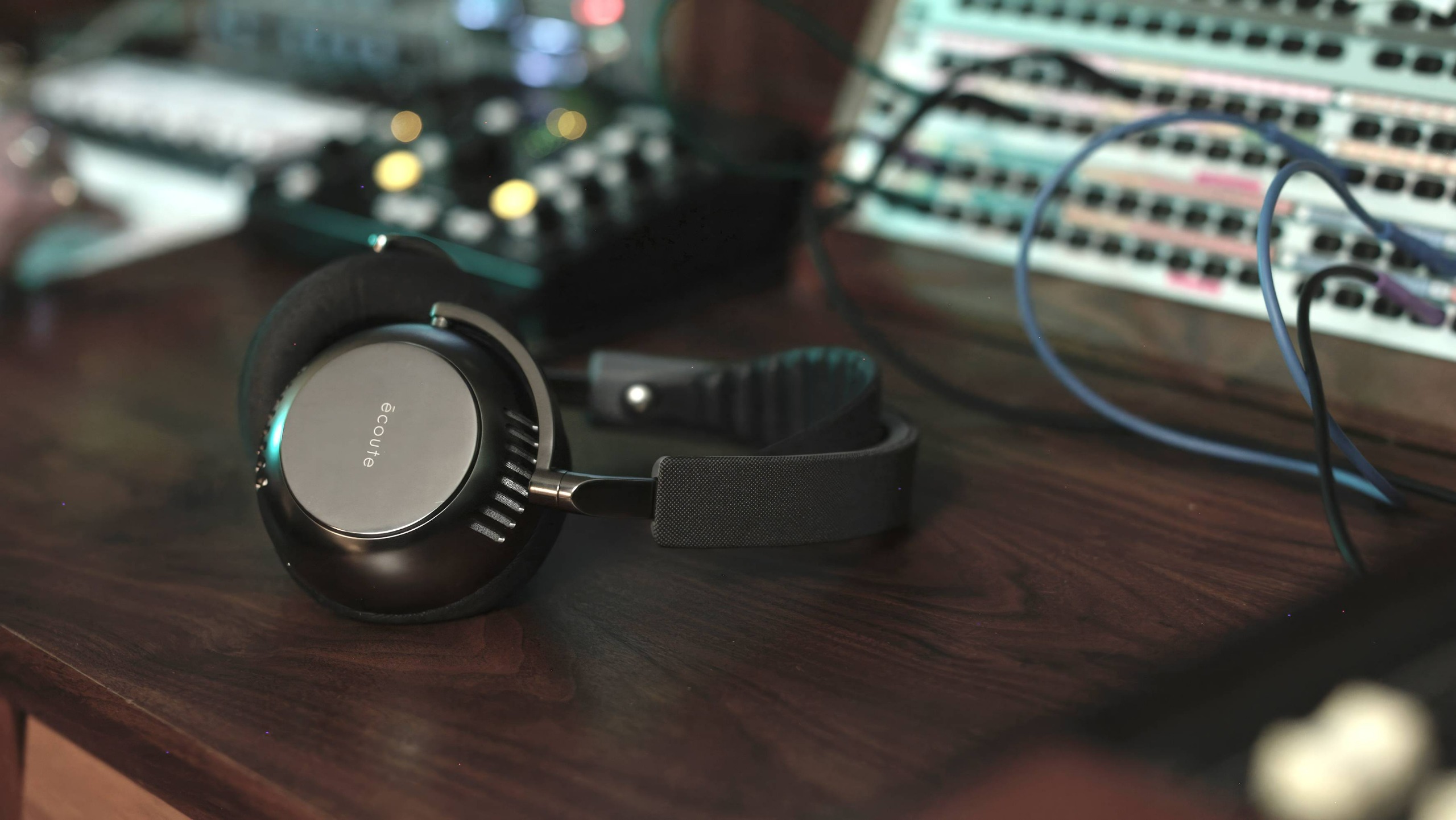
The tiered pricing structure reflects the materials used. The standard fabric-band model is aimed at the minimalist, while the premium leather-clad version—priced at £1,099 in the UK—is clearly positioned as a lifestyle statement. By entering the market at this price point, Écoute is placing itself in direct competition with heavyweights like Focal, Sennheiser, and Bowers & Wilkins.
Implications for the Future of Personal Audio
The existence of the TH2 poses an interesting question to the audio industry: is the future of high-end audio a return to the past?
For decades, the industry has pushed toward "perfect" sound—the lowest possible distortion, the flattest frequency response, and the most efficient digital processing. Yet, the persistent popularity of vinyl records and the resurgence of tube-based gear suggest that consumers are looking for more than just technical accuracy. They are looking for "soul."
If the TH2 succeeds, it could trigger a trend where other manufacturers look to "hybrid" designs. We may soon see a wave of headphones that combine the convenience of modern ANC (Active Noise Cancellation) and wireless protocols with the sonic "imperfections" that make analog audio so beloved.

Final Thoughts: Who is the TH2 For?
The Écoute TH2 is a device of contradictions. It is a piece of vacuum-tube technology that you can wear on the bus. It is an analog-focused system that includes modern Bluetooth connectivity. It is a product that prioritizes the "character" of sound over the clinical precision of modern digital metrics.
For the casual listener, the price tag will likely be a barrier to entry. But for the enthusiast who has grown tired of the "sterile" sound of modern consumer headphones, the TH2 represents a rare opportunity to own something truly unique. It is a statement piece that bridges the gap between the golden age of hi-fi and the digital-first reality of the 21st century.
As these headphones begin shipping this November, all eyes (and ears) will be on how the market responds. Will the TH2 be a niche curiosity, or will it redefine the standard for what we expect from premium, portable audio? If the build quality and sonic improvements are as significant as the technical specifications suggest, Écoute may well be at the forefront of a new, warmer era of personal high-fidelity.