In the high-stakes world of corporate finance, mergers, acquisitions, and divestitures (M&A) are often viewed through the lens of investment banking, legal due diligence, and executive restructuring. Yet, for the Chief Procurement Officer (CPO), an M&A event represents a tectonic shift in supply chain architecture, operational synergy, and cultural alignment.
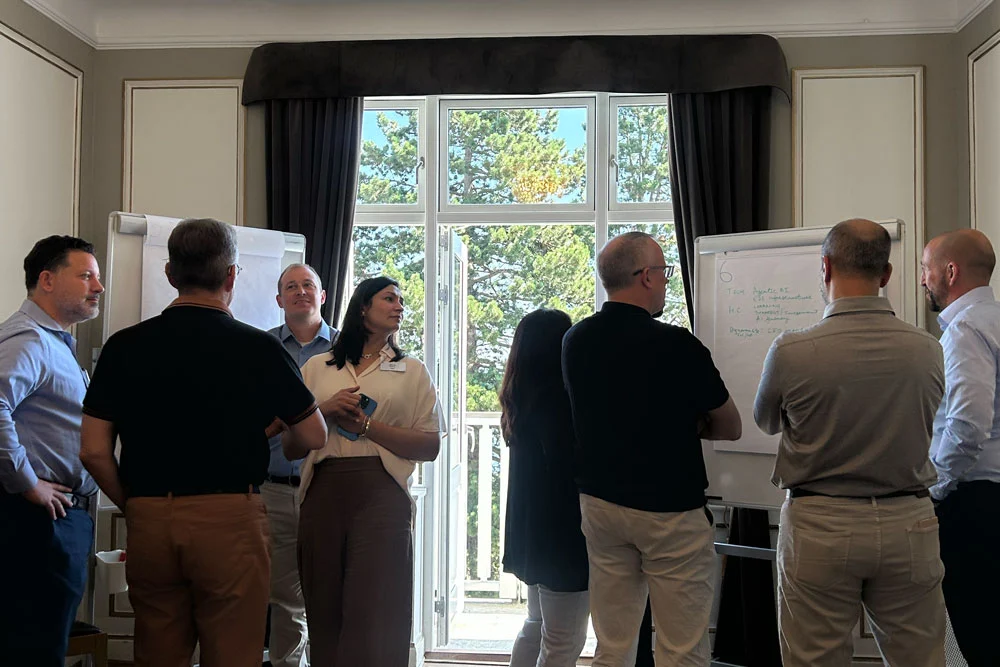
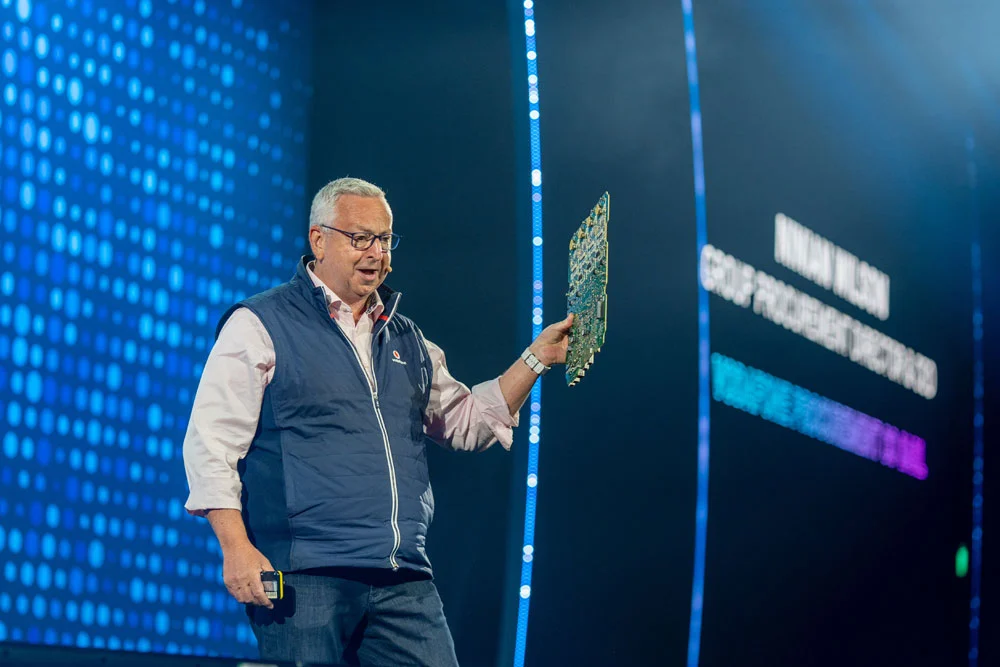
Recently, the global procurement community convened to dissect the nuances of these transformations. The consensus was clear: while M&A activity is a primary lever for growth, the procurement function is frequently the "unsung hero" tasked with realizing the value that deal-makers promised on paper. Drawing on the firsthand experience of Chandranath Chakraborty, former Asia-Pacific procurement head at The Walt Disney Company, this article explores the critical framework CPOs must adopt to navigate the complexities of integration.
The M&A Landscape: Why Procurement is the Linchpin
The recent discourse among CPOs revealed a stark reality: whether a firm is a serial acquirer or a first-time player, the procurement function is the engine of post-merger integration (PMI). When Disney embarked on its landmark $71.3 billion acquisition of 21st Century Fox—a deal designed to unlock $2 billion in synergies—the scale of the procurement challenge became immediately apparent.
Chakraborty, who played a central role in the Disney-Fox integration, suggests that CPOs often stumble not because of a lack of technical expertise, but because they fail to address fundamental questions at the outset of the integration process. By examining the lifecycle of such monumental deals, it becomes evident that success is not merely a matter of consolidating spend; it is a matter of strategic alignment.
Chronology: From Deal Announcement to Value Realization
To understand the rhythm of an M&A integration, one must look at the phases procurement must manage:
- The Due Diligence Phase: This is the "look before you leap" stage. Procurement must assess the target company’s supplier contracts, legacy liabilities, and procurement technology stacks.
- The Synergy Identification Phase: Immediately following the close, the focus shifts to validating the "synergy math." As Chakraborty noted, this is often where the first errors occur—setting targets based on theoretical spend data rather than operational reality.
- The Integration Execution Phase: This involves the messy work of harmonizing two distinct corporate cultures, supply bases, and procurement policies.
- The Steady-State Optimization: Once the integration is functionally complete, the focus shifts to long-term value creation and innovation, ensuring the combined entity operates more efficiently than the sum of its parts.
The Three Pillar Framework: Navigating the Integration Maze
Chakraborty’s framework centers on three seemingly simple, yet profoundly difficult, questions. For any CPO, these questions should serve as the "North Star" during the chaotic early days of an integration.
1. Validating the Synergies: Are We Chasing the Right Numbers?
The most common pitfall in M&A procurement is the "synergy trap." Executive leadership often sets aggressive cost-saving targets to appease shareholders long before procurement teams have performed a deep-dive analysis of the combined entity’s spend profile.
- The Risk: When teams are forced to chase a "goal" that hasn’t been validated against the reality of the supply market, they often resort to suboptimal decisions. For instance, they may force a vendor consolidation that ignores quality or service level agreements (SLAs), ultimately eroding value rather than creating it.
- The Strategy: CPOs must demand a seat at the table during the pre-deal phase. They must advocate for a "spend-first" validation strategy, where procurement data informs the synergy target, rather than the target dictating the procurement strategy.
2. Defining the Operating Model: Harmony in the Face of Complexity
Integrating two companies is akin to merging two separate languages. Each firm has its own culture, its own established supplier relationships, and its own unique geographical footprint.
- The Risk: The "loudest voice" syndrome. In many integrations, the more established or "dominant" company’s procurement practices are forced upon the target company, regardless of whether those practices are actually superior. This often happens because the team from the dominant firm is more vocal and entrenched in its own ways of working.
- The Strategy: The goal should not be assimilation, but an evolution toward an "elegant solution." This requires a neutral assessment of both procurement models. CPOs must be prepared to adopt the best-in-class processes from both organizations, even if it means admitting that the "target" company had a better approach to specific categories.
3. Human Capital: Leading the People Through the Transition
The third, and arguably most sensitive, pillar is the human element. An integration is not just a merger of balance sheets; it is a merger of talent.
- The Risk: The "brain drain." Uncertainty is the enemy of productivity. In the absence of clear communication regarding roles, leadership, and decision-making, the high-performers—those who understand the nuances of the supply base and are critical to the integration’s success—are often the first to exit.
- The Strategy: Transparency is paramount. CPOs must prioritize the creation of a clear, unified organizational structure. They must identify the "keepers" early and communicate a vision for the new procurement function that inspires rather than alienates.
Supporting Data and Industry Insights
The procurement community’s recent debate highlighted that M&A failure rates remain high, with many studies suggesting that over 70% of mergers fail to achieve their projected synergies. While the reasons vary, procurement-related issues—such as failing to integrate IT systems, clashing supplier contracts, and lost volume leverage—are consistent themes in these failures.
According to anecdotal data shared during the session, organizations that engaged their CPOs at the start of the M&A process were 40% more likely to meet or exceed their synergy targets. This data underscores a fundamental truth: procurement is not a back-office function to be consulted after the ink has dried; it is a strategic partner that can dictate the ultimate ROI of a deal.
Official Perspectives: The CPO’s Changing Role
The perspective of leaders like Chandranath Chakraborty reflects a broader shift in the CPO role. Historically, procurement was viewed as a transactional function focused on cost-cutting. Today, the CPO is increasingly viewed as a key strategist in corporate development.
Official responses from within the community emphasize that the CPO’s role in M&A is becoming as critical as the CFO’s. While the CFO tracks the financial flows of the deal, the CPO tracks the operational flows. The ability to bridge the gap between "paper synergies" and "operational reality" is now the defining characteristic of a world-class procurement leader.
Implications for Future M&A Strategy
What does this mean for the future of M&A integration? As businesses continue to pursue aggressive growth through acquisition, the procurement function must evolve in three key areas:
- Technological Agility: Organizations must be able to ingest and normalize spend data from acquired entities in near-real-time. Without a unified view of the combined spend, the synergy math will remain a guessing game.
- Cultural Intelligence: CPOs must act as change managers. They need to understand the cultural nuances of the organizations they are merging and be able to navigate the inevitable friction that arises when two different corporate identities collide.
- Proactive Risk Management: M&A creates massive supply chain exposure. Procurement must lead in mapping the new, expanded supply chain and identifying risks—geopolitical, financial, or operational—that were not present in the pre-deal state.
Conclusion: The Path Forward
The lessons shared by the procurement community are a sobering reminder that M&A is a complex, high-risk endeavor. However, by asking the right questions—validating synergies through data, fostering an objective operating model, and prioritizing human capital—CPOs can turn the tide.
The Disney-Fox deal remains a masterclass in scale, but the principles of that integration are applicable to businesses of any size. Whether a company is a global conglomerate or a mid-sized player looking to expand, the basics of procurement integration remain the same. The CPO who understands these fundamentals will not only save their organization millions in unnecessary costs but will also build a resilient, unified procurement function capable of driving long-term value.
As the industry moves forward, the message to CPOs is clear: start with the basics, engage early, and remain steadfast in your commitment to the long-term health of the organization. The success of the next great merger may very well depend on the questions you choose to ask today.
For more weekly insights from the global procurement community, including deep dives into M&A, digital transformation, and sustainable sourcing, sign up for the CPO Crunch newsletter.