As the 2026 midterm elections approach, the rapid proliferation of massive, energy-hungry data centers has transcended traditional industrial zoning debates to become a flashpoint of national political discourse. Across the United States, hundreds of municipalities are scrambling to implement moratoriums and stricter regulations, driven by a growing public outcry over the environmental and social costs of the digital infrastructure required to fuel the Artificial Intelligence (AI) revolution.
At the center of this storm is a stark reality: the very facilities that power our digital lives are significantly exacerbating the "urban heat island" effect. New, ground-breaking research from Arizona State University (ASU) suggests that these massive structures are not merely silent neighbors; they are active heat emitters capable of raising local temperatures by up to 4 degrees Fahrenheit, threatening the health and safety of surrounding communities in already climate-vulnerable regions.
The Policy Vacuum: A Crisis of Pace
For decades, data centers were treated as benign, light-industrial tenants. They occupied unassuming warehouses, humming quietly while processing enterprise data. Their impact on municipal infrastructure—power grids, water supply, and thermal output—was negligible. Consequently, local zoning codes across the country were left largely unchanged, treating these facilities with the same regulatory leniency afforded to logistics centers or light manufacturing.
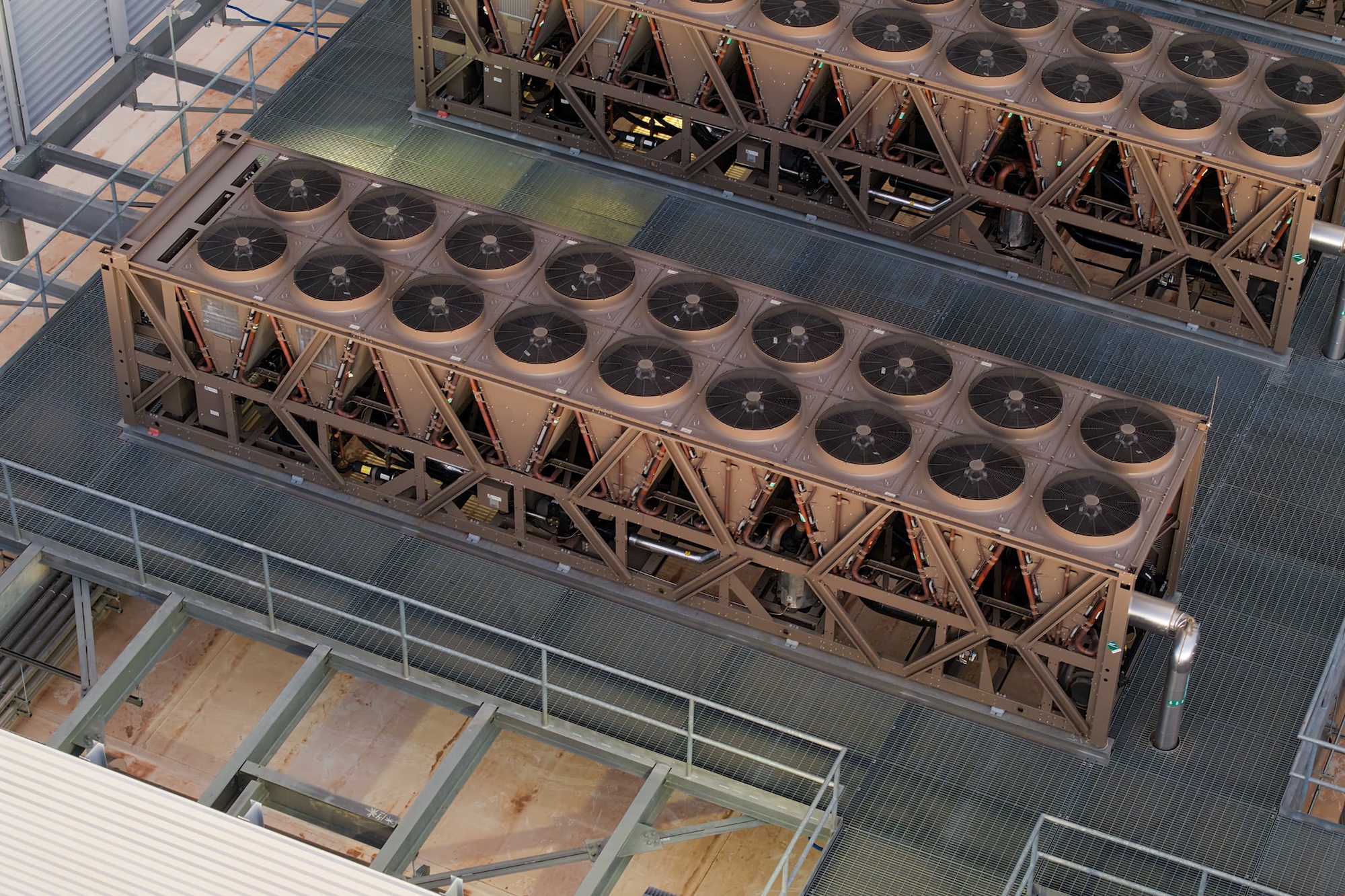
The rise of hyperscale AI computing has shattered this status quo. A single modern AI data center can consume electricity on a scale comparable to a small city. This surge in demand has caught urban planners off-guard. According to a 2026 report by the Bipartisan Policy Center, the development of these facilities has proceeded at a pace that existing utility planning, regulatory frameworks, and community engagement practices were never designed to accommodate. This "policy vacuum" has left cities, particularly in the Sun Belt, in a precarious position.
Chronology of a Regulatory Reckoning
The current tension is best exemplified by the trajectory of Phoenix, Arizona—the hottest major city in the United States and a primary target for data center expansion.
- Pre-2025: Phoenix, like many cities, offered generous tax incentives to lure data center investment, viewing them as high-tech economic engines. Over 100 facilities were established during this period with minimal public scrutiny.
- Early 2025: Faced with mounting water-stress concerns and record-breaking heat waves, the Phoenix City Council finally adopted specific zoning definitions and design standards, requiring special permits and noise assessments for new projects.
- June 2026: Recognizing the environmental burden, Arizona state policymakers enacted a three-year moratorium on new data center tax incentives. However, the policy backfired momentarily, triggering a "gold rush" of 113 last-minute applications—a volume that surpassed the total number of applications received in the previous 13 years combined.
- March 2026 to Present: Following the city’s attempt to tighten zoning, at least 11 developers filed claims for compensation under "Prop 207," a state law allowing landowners to sue over property value loss due to regulation. The total liability to taxpayers is estimated at $753 million, forcing the city into complex, negotiated waivers to avoid fiscal catastrophe.
- Late 2026: As neighboring cities like Peoria now face their own influx of applications, the battle has shifted to the grassroots level, with residents demanding more stringent oversight and environmental protections.
Supporting Data: The Thermal Hazard
The most alarming development in this debate is the quantification of "waste heat." ASU’s School of Geographical Sciences and Urban Planning has provided the first empirical, ground-level study of how data centers influence local microclimates.

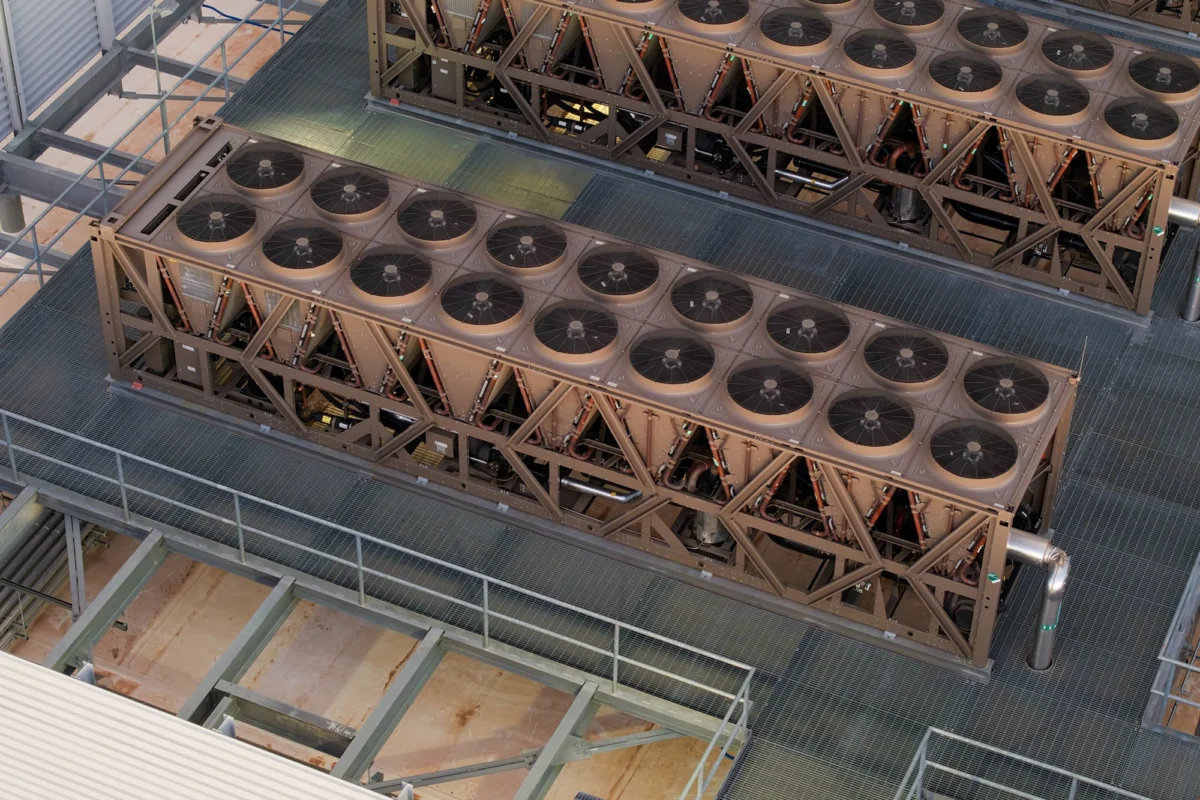
Using air temperature sensors placed upwind and downwind from hyperscale facilities, researchers determined that these centers produce waste heat equivalent to the output of 40,000 households. This heat does not dissipate immediately; it lingers, creating a thermal plume that affects areas up to five city blocks away.
"Even if these data centers only contribute to an additional heat island magnitude of one or two degrees, that can still have a very significant impact on our lives," says David Sailor, lead author of the study. This "previously undocumented urban thermal hazard" is forcing scientists and urban planners to rethink the placement of server farms in densely populated, heat-stressed urban corridors.
Official Responses and Grassroots Resistance
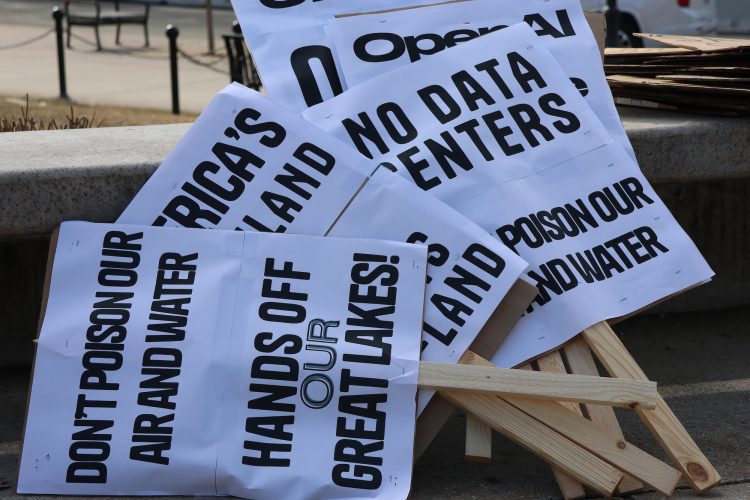
The disconnect between developers and the public is widening. In Aurora, Colorado, the proposed "Trident" data center project—which would utilize 28 emergency diesel generators—recently prompted a massive public outcry. During a marathon city council meeting, citizens of all ages voiced fears about air quality, noise pollution, and the aesthetic destruction of their residential neighborhoods.
"You on city council will one day settle into retirement, and I certainly hope you’re not betrayed by developers and government officials," said resident Dan Bergander, capturing the mood of a public that feels marginalized by administrative-level permitting processes that often bypass public votes.
In response to this pressure, the landscape of governance is shifting. Connected Capital, a firm monitoring the sector, currently tracks 399 local data center moratoriums across 44 states. Simultaneously, cities are looking abroad for solutions. The Global Urban Data Centres Pact, an initiative led by the C40 Cities network, now includes 42 global cities, including 20 in the U.S. This pact serves as a collaborative clearinghouse for best practices, such as mandating waste heat recovery—where heat from servers is diverted to warm water or buildings—and requiring stricter landscape buffers.
Implications for the 2026 Election and Beyond
The political implications of this infrastructure battle are profound. As voters head to the polls on November 3, 2026, the question of who holds the power—local residents or global tech developers—is central. The rising tide of "data center NIMBYism" has forced a reckoning in state legislatures, where the tension between economic growth and environmental stewardship has become a primary campaign issue.
For policymakers, the path forward requires a departure from the "hands-off" approach of the early 2020s. Future data center development will likely need to integrate:
- Strict Thermal Impact Assessments: Incorporating heat-modeling into initial permit approvals to prevent exacerbating urban heat islands.
- Resource Neutrality Mandates: Requiring facilities to be net-zero in water usage and to source 100% renewable energy, with direct investments in local grid resilience.
- Community-Centric Zoning: Moving away from broad industrial classifications to site-specific zoning that mandates significant setbacks, noise mitigation, and noise-pollution shielding.
The data center boom has undeniably brought economic investment to the American heartland, but the "silicon heat trap" has revealed a sobering reality: we cannot build the future of AI at the expense of our current climate. As cities struggle to balance the demands of the digital economy with the physical comfort and health of their citizens, the events of 2026 will likely be remembered as the moment the public reclaimed the right to determine the temperature of their own neighborhoods.
Ultimately, the lesson of the current era is clear: technological advancement must be subservient to human environmental needs. If the data center industry is to survive the current wave of regulation, it must transition from a model of extraction and emission to one of integration and community partnership. Anything less may find these massive, heat-generating monoliths increasingly unwelcome in the urban landscapes they aim to connect.