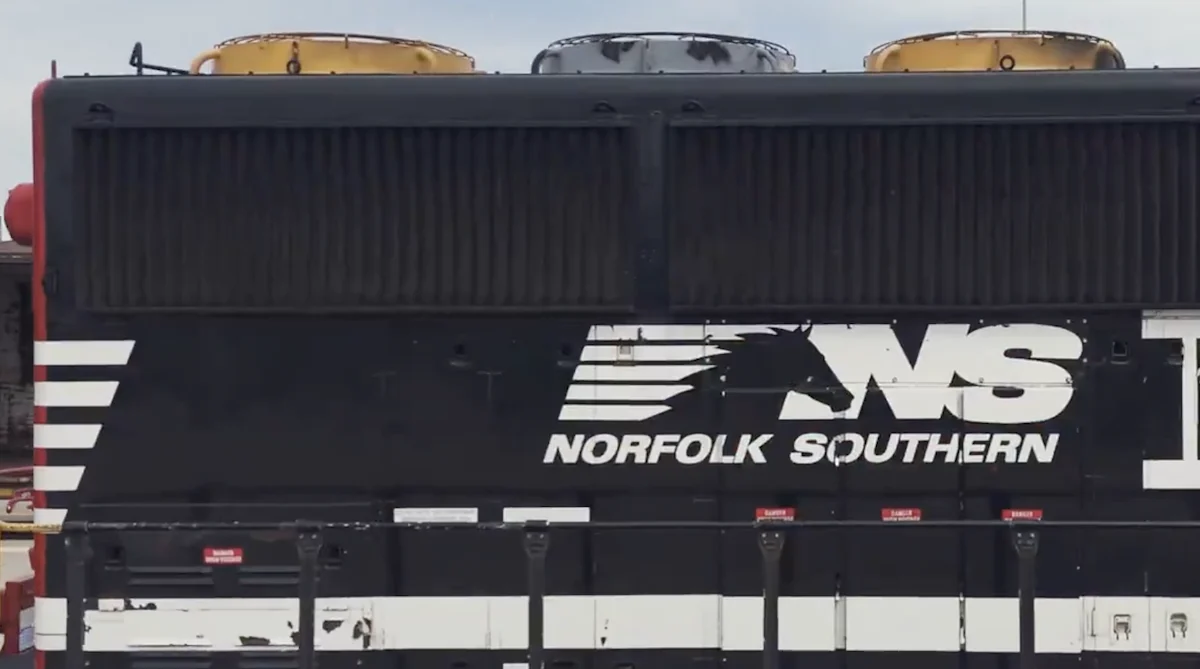
Norfolk Southern (NYSE: NSC) has delivered a robust financial performance for the third quarter of 2026, reporting record-breaking revenue fueled by a combination of higher shipping volumes, optimized pricing structures, and consistent fuel surcharges. Despite a challenging macroeconomic environment and the lingering financial weight of previous operational incidents, the railroad giant has signaled a period of sustained growth and internal efficiency.
The company’s ability to navigate the complexities of the North American logistics market—characterized by a tightening trucking sector and shifting energy demands—highlights a significant turnaround in operational focus. By prioritizing network fluidity and leveraging new digital customer tools, Norfolk Southern appears to be successfully transitioning from a phase of recovery to one of expansion.
The Financial Landscape: A Breakdown of Record Performance
The third quarter results underscore a strong fiscal trajectory for the carrier. Norfolk Southern reported total revenue of $3.52 billion, representing a significant 14% year-over-year growth. A substantial portion of this growth—roughly 8 percentage points—was directly attributable to fuel surcharges, reflecting the railroad’s ability to pass on the costs associated with the volatile energy markets influenced by ongoing geopolitical tensions in the Middle East.
Operating income saw a healthy 5% increase, reaching $1.15 billion, while earnings per share (EPS) climbed 7% to $3.37. These metrics provide a clear snapshot of a company effectively scaling its revenue streams to offset rising operational expenses.
The Operating Ratio Conundrum
The railroad’s reported operating ratio (OR) stood at 67.4%, an increase of 2.8 points compared to the same period last year. However, corporate leadership has emphasized the importance of looking beyond the headline figure. When accounting for the extraordinary costs associated with the February 2023 derailment in East Palestine, Ohio, and expenses related to the proposed merger with Union Pacific, the adjusted operating ratio drops to a more favorable 65.4%. This distinction is critical for investors, as it isolates the company’s core operational efficiency from the non-recurring financial burdens currently impacting the balance sheet.
Chronology of Recovery: From Second-Quarter Congestion to Third-Quarter Fluidity
The trajectory of Norfolk Southern’s operations in 2026 has been marked by a deliberate and calculated effort to restore network fluidity. The second quarter of the year presented significant hurdles, particularly regarding spot crew shortages that led to localized congestion and performance bottlenecks.
Q3 Operational Turnaround
Entering the third quarter, management implemented a rigorous recovery plan centered on four foundational pillars: improving train originations, reducing terminal dwell times, increasing overall velocity, and adhering to strict scheduling. The results have been palpable. Compared to the second quarter, train speed increased by 5%, and terminal dwell time improved by 3%. Most notably, on-time train originations surged by 18%.
Overcoming Meteorological Disruptions
The recovery was not without its trials. In August, the network faced significant weather-related disruptions, including historic wind and rain events. The impact was severe, causing washouts and widespread power outages along the company’s high-speed corridors.
The response, according to Chief Operating Officer Brian Barr, was both swift and strategic. The operations team activated pre-planned reroutes and repositioned resources with precision, clearing hundreds of downed trees and repairing damaged infrastructure. These actions ensured that the momentum gained earlier in the quarter was not lost, demonstrating a level of organizational resilience that was perhaps lacking in previous years.
Data-Driven Growth: Market Trends and Volume Analysis
Overall freight volume grew by 3% during the quarter, with balanced growth across core segments: merchandise, intermodal, and coal all recorded a 3% uptick.
Trucking Capacity and Intermodal Competition
A pivotal factor in this quarter’s success is the tightening of the U.S. truckload market. As capacity in the trucking sector remains constrained, shippers are increasingly looking to rail as a reliable and cost-effective alternative. This shift is particularly evident in the domestic intermodal and chemicals sectors.
Chief Commercial Officer Ed Elkins noted that the current macro environment is perfectly aligned with the railroad’s strategic goal of "highway-to-rail" conversion. As fuel costs remain elevated, the inherent fuel efficiency of rail becomes a major competitive advantage, particularly for forest products, consumer goods, and domestic intermodal traffic.
Sector-Specific Performance
While domestic intermodal and industrial chemicals show strong promise, other areas face different headwinds. International intermodal remains sluggish, largely due to ongoing global trade uncertainty. Conversely, the coal sector has been bolstered by a combination of export demand and the need for utility providers to replenish stockpiles that were depleted during recent peak usage periods.
Official Perspectives: Leadership’s Strategic Vision
During the earnings call, Norfolk Southern’s leadership team emphasized a culture of "thoroughbred" focus—a reference to the company’s brand identity—centered on safety, reliability, and customer-centricity.
"Our third quarter was strong with steady execution," said Chief Executive Mark George. "We have an outstanding team of thoroughbreds who remain focused on the fundamentals: operating a safe, reliable railroad, serving our customers, growing the business, and improving productivity across the network."
George’s sentiment is echoed by the commercial side of the house. Ed Elkins highlighted the rollout of new online customer tools designed to provide real-time shipment visibility and faster rate request processing. By reducing the "friction" of doing business, Norfolk Southern aims to capture a larger share of the freight market. "Our goal is simple: Make Norfolk Southern the easiest railroad to do business with so that we win more freight in competitive markets," Elkins stated.
Operational Innovations and Future Implications
The company’s focus on productivity is not merely about doing the same things faster, but about re-engineering processes to remove waste from the system.
Redesigning Terminal Operations
One of the most effective strategies employed this quarter was the redesign of car connections at major terminals. By eliminating unnecessary handlings, the railroad successfully removed 95 crew starts per week and reduced the total number of cars on the network by 200 per day, all while absorbing a 3% increase in carload volume.
Further consolidation efforts, such as merging smaller trains between Birmingham, Alabama, and Macon, Georgia, have yielded significant savings in locomotive and crew resources. Additionally, shifting switching operations from Enola, Pennsylvania, to Allentown Yard has not only lowered the cost-per-car but has also freed up vital capacity at the Enola facility, positioning the network for future growth.
Safety as a Metric of Success
Safety remains the paramount objective. According to the company’s report, personal injury and train accident rates have continued to trend downward throughout the first nine months of the year. The train accident rate, in particular, has reached a record low, serving as a powerful indicator that the company’s operational improvements are not coming at the expense of safety protocols.
Looking Ahead: The 2026 Outlook
As Norfolk Southern looks toward the remainder of 2026, the outlook remains cautiously optimistic. The confluence of manufacturing expansion—which has now continued for nine straight months—and robust industrial development suggests that the demand for rail services will remain elevated.
However, the company is not ignoring potential risks. The sustainability of consumer demand is currently under scrutiny, as prolonged high energy prices could eventually soften the appetite for goods, particularly in the consumer products sector. Furthermore, the company continues to monitor the potential impacts of the ongoing geopolitical conflict in the Middle East on energy prices and supply chain stability.
The Path to Market Leadership
For Norfolk Southern, the path forward is clear: continue to integrate digital innovation with disciplined network management. By transforming the "customer experience" and maintaining a high level of operational fluidity, the company is positioning itself to be more than just a transporter of goods—it is striving to be a strategic partner in its customers’ supply chains.
The combination of a disciplined operating ratio, a focus on high-growth segments like chemicals and domestic intermodal, and a demonstrated ability to recover from external disruptions suggests that Norfolk Southern is entering a new era of institutional maturity. If the performance in the third quarter serves as a bellwether, the company is well-prepared to handle the complexities of the modern global economy while delivering consistent value to its shareholders and customers alike.