The debut of the Apple iPhone Duo has ignited a firestorm of debate, carving out a unique space in the smartphone market that sits somewhere between revolutionary success and polarizing experimental hardware. Unlike the iPhone 18 Pro Max or the standard iterations of Apple’s annual hardware releases, the Duo has not received universal acclaim. Instead, it has sparked a divided discourse, with critics pointing to the omission of Face ID, the absence of a dedicated telephoto lens, and the device’s somewhat substantial weight when folded.
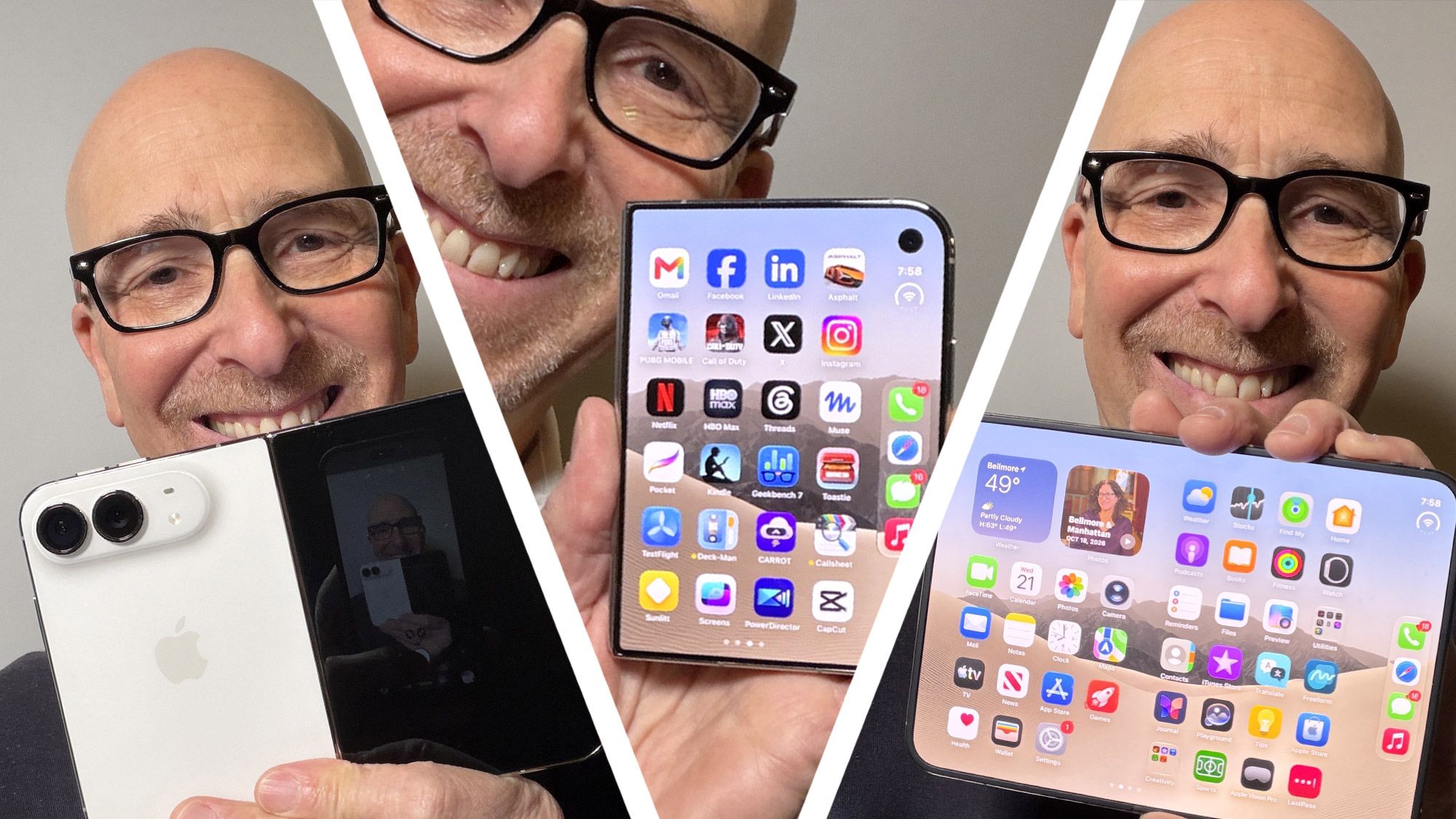
However, controversy is often the precursor to cultural impact. In the weeks following my initial, balanced assessment of the device, I hosted a series of "Ask Me Anything" (AMA) sessions on Threads and X. The response was overwhelming, with over 1,300 comments on my primary Threads post alone. While many participants were curious about the minutiae of my personal life, the vast majority were focused on the technical, ergonomic, and practical realities of Apple’s first foray into the folding category.
The Anatomy of the Curiosity: A Chronology of Discovery
The intense public interest suggests that the iPhone Duo is, if nothing else, the most discussed mobile device from Cupertino in years. Through the process of fielding these questions, I found that even after an exhaustive testing period, the real-world use cases discovered by the community provided insights I hadn’t initially considered.

The MagSafe Conundrum
One of the most immediate practical questions involved the device’s relationship with Apple’s established MagSafe ecosystem. In my review, I noted that the Duo—when folded—sits perfectly on standard MagSafe stands, often triggering the new, sleek Standby mode. However, a user prompted me to test the device in its unfolded state on a charging dock.
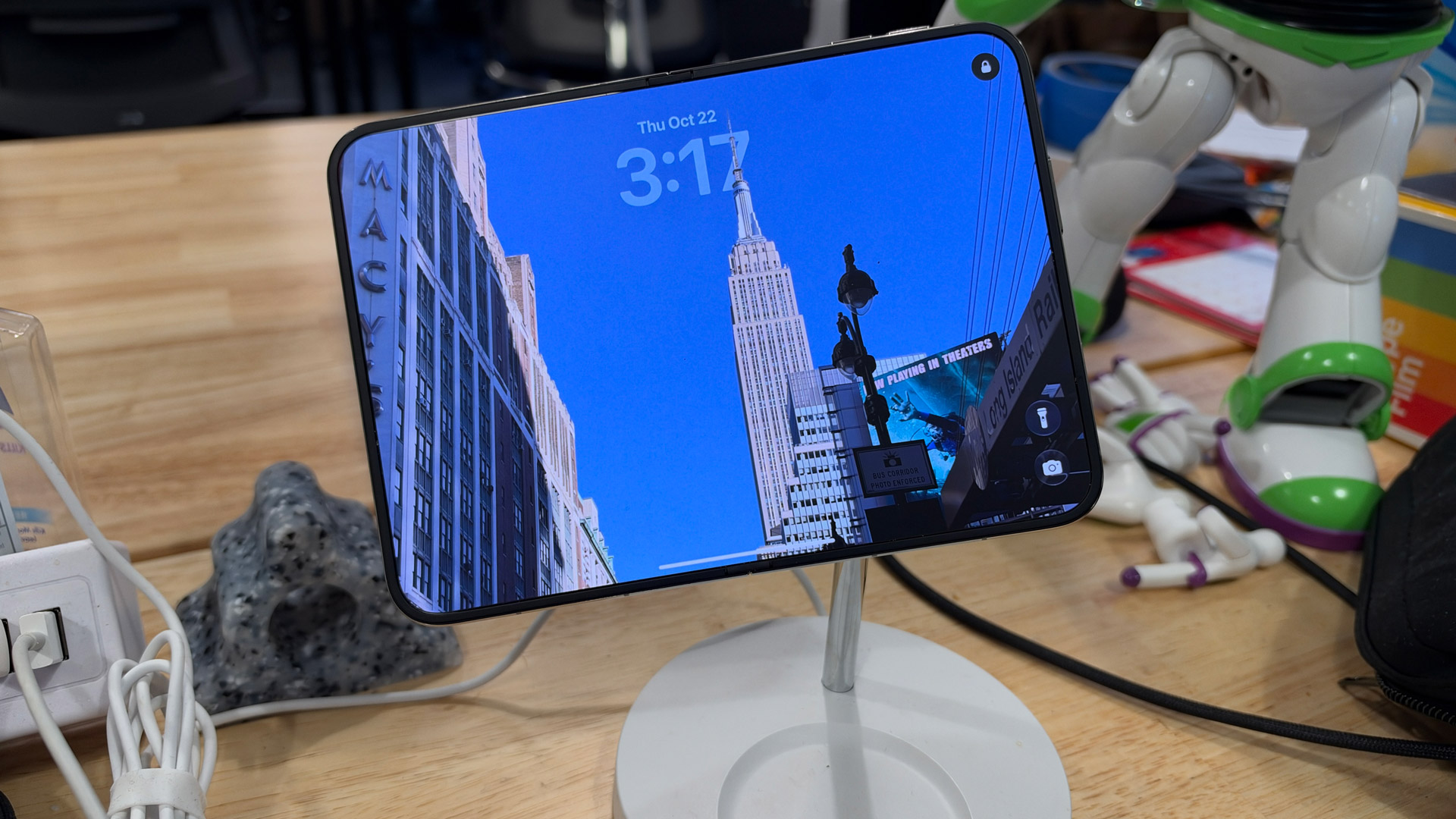
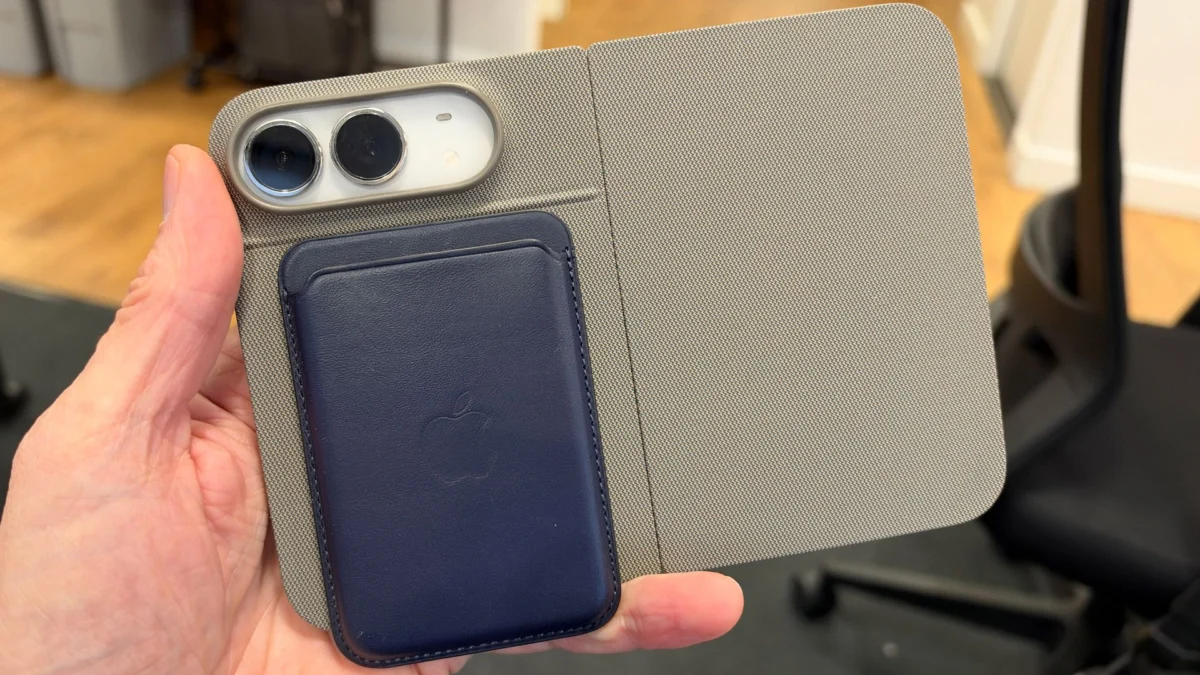
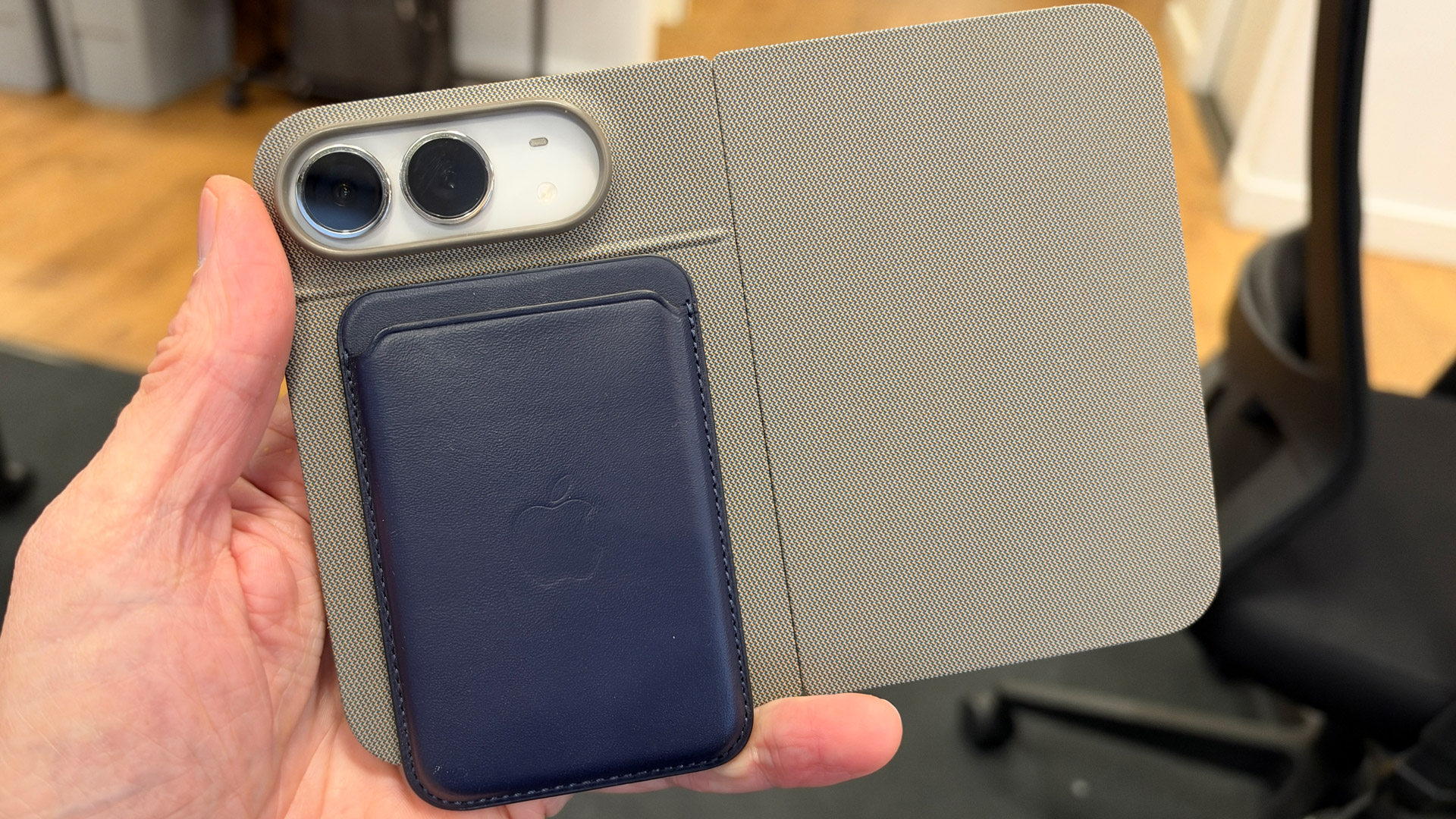
The result was a clear lesson in physics: because the magnetic array is located on only one half of the chassis, the weight distribution of the open device causes it to rotate slowly on the mount. While technically functional, it is a sub-optimal experience. Furthermore, prospective buyers were eager to know if the classic MagSafe Wallet would fit the device. It does not. The physical footprint of the Duo’s back panel is simply too short to accommodate the standard wallet, a subtle but important hardware limitation for those transitioning from a traditional slab phone.
The Wallpaper Handoff
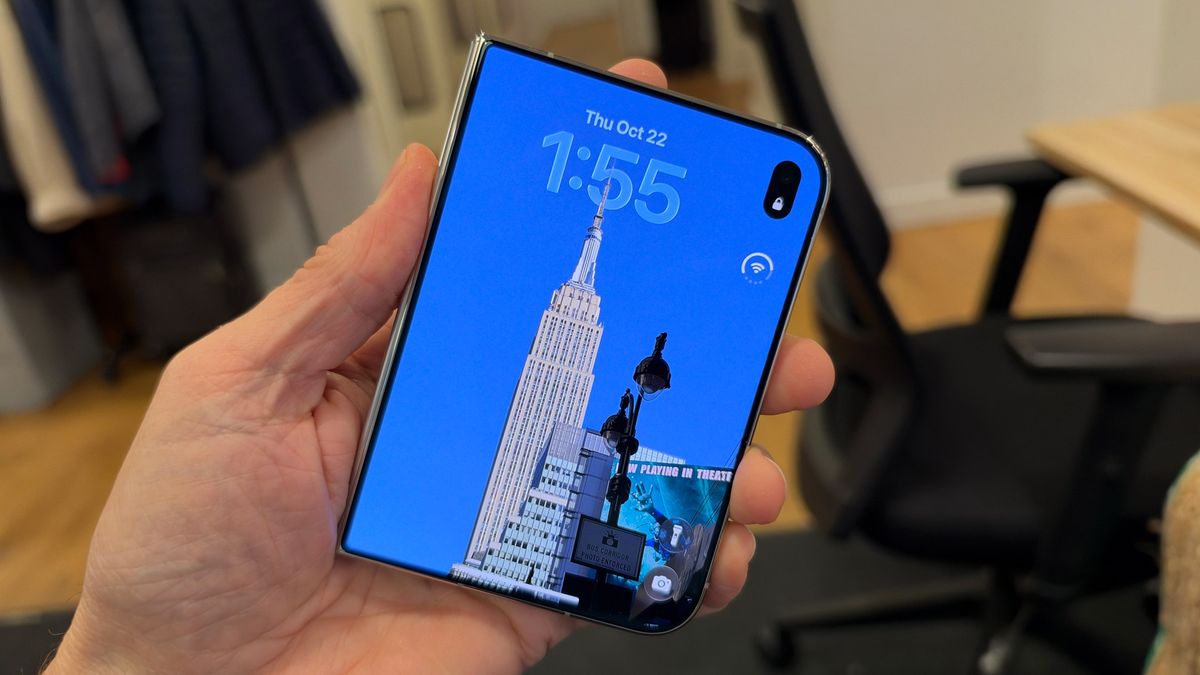
A point of significant intrigue was the interaction between the cover display and the primary inner screen. A reader specifically asked how vertical wallpapers handle the transition between the two displays. By setting a vertical photograph of the Empire State Building as my wallpaper, I discovered the beauty of the continuity software: the cover display presents the building, and as you unfold the device, the inner screen seamlessly expands the field of view, revealing more of the surrounding cityscape. It is a moment of "Apple magic" that justifies the device’s complex engineering.
Supporting Data: Usability and Multitasking
The "Duo" moniker leads to obvious questions about multitasking. Can it handle three apps? Is it truly a desktop-class experience?

The device does not currently support more than two active windows simultaneously, though it does allow for a Picture-in-Picture (PiP) video overlay, which provides a level of versatility that feels sufficient for most mobile power users. More impressively, the drag-and-drop functionality between the two screens is fluid. While you cannot run the same application on both screens at once, the ability to run two different social media platforms—such as TikTok and Instagram—side-by-side offers a level of multitasking that is, frankly, "turned up to 11."
App Optimization and the Ecosystem
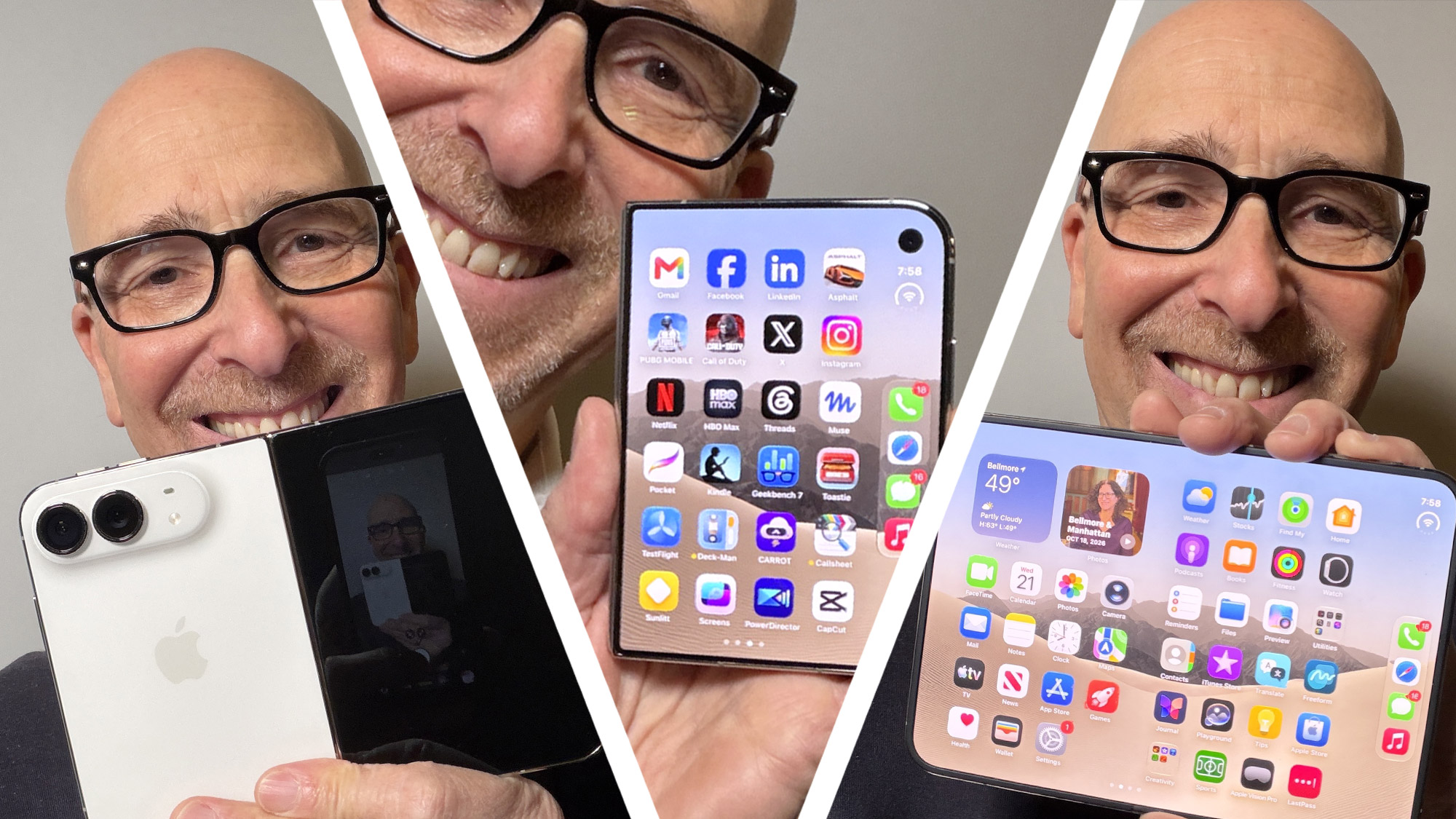
One of the most common concerns was software optimization. When the device launched, third-party apps like LinkedIn and Gmail felt claustrophobic or improperly scaled. However, the pace of developer adaptation has been rapid. Apps that struggled with the aspect ratio just days ago have already received patches.

A particularly delightful experience is the native "Books" app. When reading on the 7.6-inch inner display, the haptic feedback and the fluid animation of flipping pages feel like a true, transformative leap for digital literature. Conversely, the matte finish of the inner screen—which some users feared would feel "cheap" or attract excessive smudges—has proven to be exceptionally durable and resistant to fingerprints.

Official Stance and Hardware Limitations
Despite the innovation, there are clear "pain points" that users have been vocal about.

- The Face ID Omission: The lack of Face ID is, arguably, the single biggest misstep. While I have personally adjusted to the return of Touch ID, it remains a jarring departure for a flagship device in 2026. Many users have expressed hope that the second-generation Duo will rectify this, re-integrating facial recognition to bring the hardware in line with the rest of the iPhone family.
- The Dock Placement: The vertical placement of the Dock on the right-hand side has been a source of frustration. Because it is static and cannot be moved, it creates a sense of "wasted" pixel real estate on the cover display and creates ergonomic challenges for left-handed users.
- The Apple Pencil Dilemma: The most poignant moment of the AMA came when discussing the Apple Pencil. The device currently only supports the Apple Pencil USB-C. This is a point of contention for many who own the Apple Pencil Pro, which requires an iPad to charge. Since the iPhone Duo lacks reverse wireless charging, users are left with an expensive, incompatible accessory.
Implications for the Future of Mobile Computing
The questions I received highlight a broader truth: the market is ready for a change, but it is not willing to sacrifice the "Apple standard" to get it. When compared to the Samsung Galaxy Z Fold 8, the iPhone Duo stands as a different philosophy of folding. Both devices essentially offer a wide and ultra-wide camera array, making the comparison a "wash" on paper. However, the iPhone’s image processing keeps it competitive with the best of the industry.

The comparison to the long-defunct Microsoft Surface Duo was a fascinating historical touchpoint. I had to clarify that while the Surface Duo used a dual-screen hinge, the iPhone Duo utilizes a single, seamless, flexible OLED panel. The difference in user experience—the lack of a "gap" in the middle of your content—is the defining feature of Apple’s current approach.

The Verdict on Battery Life
Battery anxiety is a staple of any new Apple launch. While some early reviewers suggested that relying on the large inner screen would decimate battery life, my experience has been consistent with a high-end flagship: the device comfortably provides all-day battery life across a variety of mixed-use scenarios.

Final Thoughts
Should you trade your iPhone 18 Pro Max for the Duo? That remains the million-dollar question. If you are a photographer who relies on the telephoto lens and the variable-aperture main camera of the Pro Max, the answer is likely no. The Duo is a device for those who prioritize screen real estate, multitasking, and the sheer novelty of a folding form factor over the raw photographic versatility of the Pro-tier slabs.

The iPhone Duo is not perfect. It is, however, a proof of concept that has successfully navigated the "Valley of Death" for new tech categories. By engaging with the community, it has become clear that while users are quick to critique the lack of Face ID or the specific placement of a dock, they are also deeply invested in seeing where this form factor goes next. The Duo has not just introduced a new piece of hardware; it has initiated a conversation about what the future of the iPhone should be—a conversation that is clearly far from over.