Across the rugged landscapes of the American West, the skeletal remains of the 19th-century gold rush persist as a silent, toxic legacy. The U.S. Bureau of Land Management (BLM) estimates that approximately 500,000 abandoned hardrock mines are scattered across the country. These sites, once the engines of industrial expansion, now serve as persistent sources of heavy metal contamination, leaching arsenic, lead, and mercury into vital watersheds and posing grave risks to public health and biodiversity.
For decades, well-intentioned environmental organizations and state agencies have been paralyzed by a cruel irony: the federal laws designed to protect the environment effectively prevent its restoration. Under the Clean Water Act and the Comprehensive Environmental Response, Compensation, and Liability Act (CERCLA), any entity that touches a polluted site to begin cleanup can be held legally liable for the entirety of the historical pollution. As Corey Fisher, public lands policy director at Trout Unlimited, poignantly notes: “We found that if we stepped in to clean up abandoned mines, we would be treated under federal law as if we were the ones who created the pollution to begin with. All we want to do is make it better.”
In 2024, a pivotal shift occurred. The passage of the Good Samaritan Remediation of Abandoned Hardrock Mines Act sought to dismantle this legal barrier, offering a limited liability shield for those who aim to heal the land. As the first pilot project under this act breaks ground at the Bodie Mine in Washington, a critical question remains: is this law a genuine solution to a multi-billion dollar crisis, or merely a "small potato" intervention in a field of systemic neglect?
A Legacy of Pollution: The Scale of the Crisis
The environmental cost of abandoned mining is not merely an aesthetic issue; it is a public health and ecological emergency. Mining tailings—the byproduct of crushed rock left over after the target minerals are extracted—often contain concentrated levels of hazardous substances. When these tailings are left exposed to the elements, rainfall and snowmelt wash them into local streams and rivers.
These "nonpoint source" pollution sites are widespread, but they are not the only challenge. Many abandoned mines also feature "point source" discharges, where acidic, metal-laden water pours directly from adits (mine entrances) or drainage pipes into the ecosystem. Currently, the cost to address the full spectrum of physical and environmental hazards associated with these sites is estimated at $60 billion.
Despite the staggering price tag, federal funding remains fragmented and insufficient. The Abandoned Hardrock Mine Reclamation Program is a step in the right direction, yet it operates with a mere $5 million annual budget—a drop in the bucket compared to the scale of the destruction. Unlike the coal industry, which is subject to the Surface Mining Control and Reclamation Act of 1977—a law that requires royalties to fund reclamation—the hardrock mining industry in the U.S. currently operates without a comparable "polluter pays" mechanism.

Chronology of the Good Samaritan Movement
The path to the 2024 legislation was paved by decades of frustration. The movement began with local watershed groups and conservation organizations who, like Trout Unlimited, were forced to navigate a labyrinth of complex legal settlements with the EPA just to move a pile of dirt or stabilize a streambank.
- 1990s–2010s: Advocacy groups consistently lobby Congress, arguing that "Good Samaritan" provisions are necessary to allow nonprofits and state agencies to perform basic remediation without the fear of becoming "PRPs" (Potentially Responsible Parties).
- 1999: Pennsylvania, recognizing the federal impasse, passes its own Environmental Good Samaritan Act, providing protection against civil lawsuits at the state level. While effective for local initiatives, it remains powerless against federal Clean Water Act enforcement.
- 2024: After years of debate, the Good Samaritan Remediation of Abandoned Hardrock Mines Act is signed into law. It is designed as a trial program: a seven-year experiment limited to 15 pilot projects.
- September 2026: The EPA issues the first-ever federal permit under the Act to Trout Unlimited for the Bodie Mine cleanup in Okanogan County, Washington.
The Bodie Mine: A Case Study in Progress
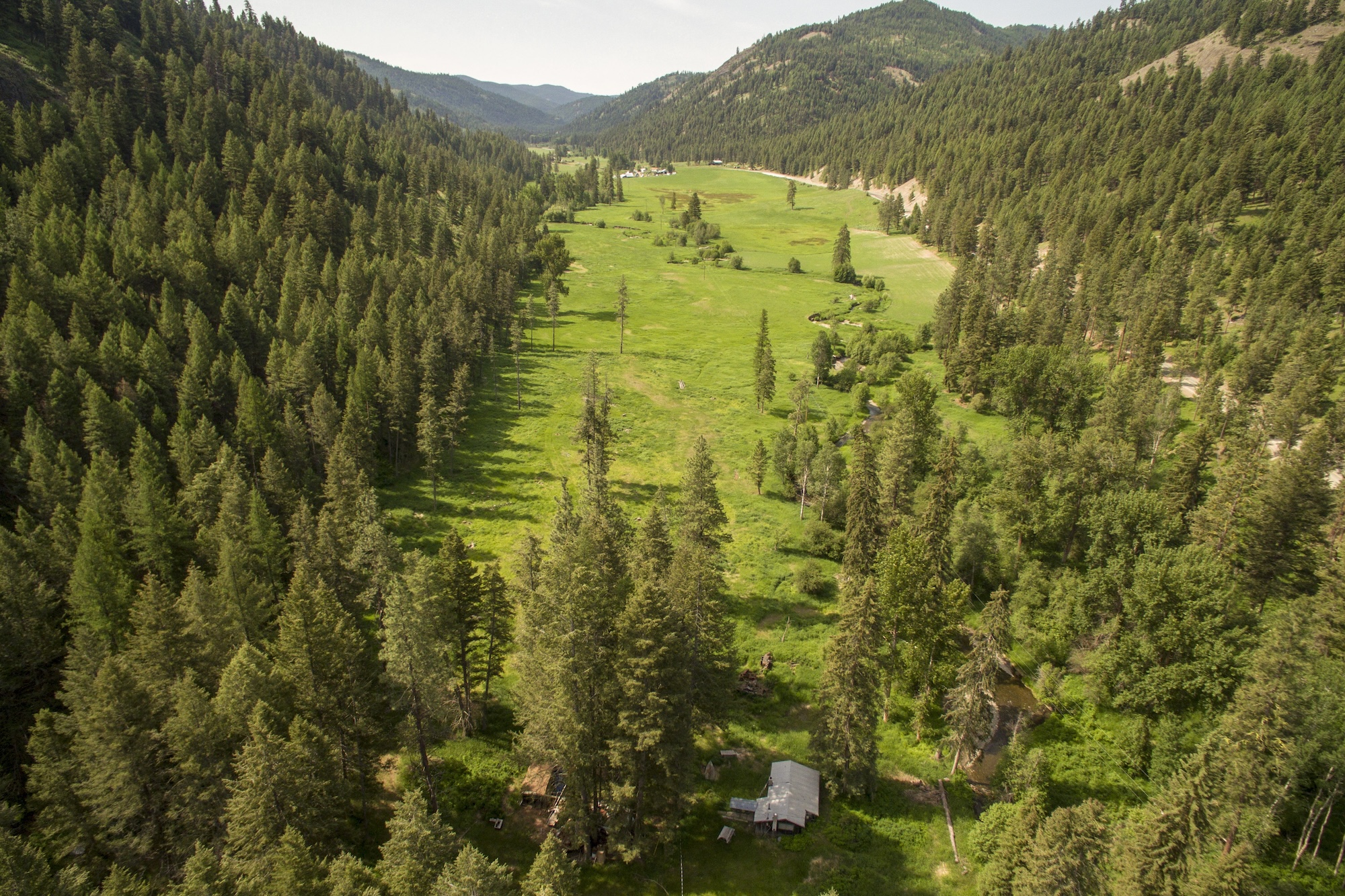
The Bodie Mine in Okanogan County represents the quintessential "low-hanging fruit" of remediation. It is a site of manageable size, with approximately 790 tons of tailings identified for removal. By standard mining operations, this is a minor undertaking, but for the local ecosystem, it is a significant victory.

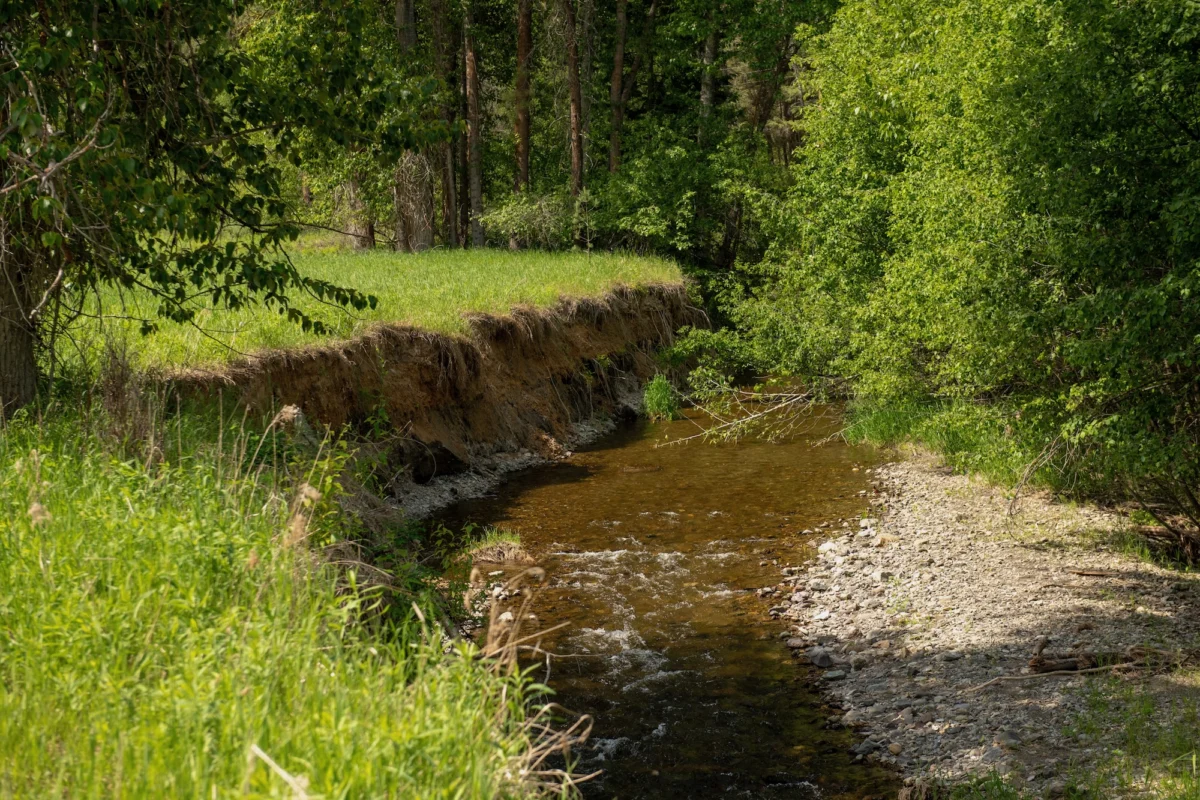
Trout Unlimited’s intervention aims to remove contaminated soil and sediment from the banks of Toroda Creek. The organization projects that this work will prevent 104 tons of tailings—laden with arsenic, lead, and mercury—from eroding into the water each year. With a budget of $500,000 sourced from private donations and public initiatives, the project serves as the test case for the new permitting process.
Fisher notes that while his team could have theoretically performed this work under the old, arduous settlement process, the new law dramatically reduces the time and administrative cost. By replacing bespoke legal agreements with a standardized permit, the Act creates a streamlined pathway for future projects.

Official Responses and Expert Skepticism
The implementation of the Act has been met with cautious optimism, though experts warn against viewing it as a panacea.
The EPA Perspective
The Environmental Protection Agency has signaled its support for the trial run. Mike Bastach, an EPA spokesperson, confirmed that while the agency has not yet received a flood of applications, interest is rising. The EPA’s goal is to have all 15 authorized pilot projects in the field within the next two to three years, gathering data that will inform whether the program should be made permanent.

The Legal and Policy Critique
Mark Squillace, a professor of natural resources law at the University of Colorado, offers a more sobering view. "Cleaning up some of these smaller sites is not a bad idea, and we could learn some things," Squillace admits. "It’s just that they’re really small potatoes in terms of the big problem that we have."
Squillace and other policy experts, such as Aaron Mintzes of Earthworks, argue that the fundamental issue isn’t just legal liability—it’s the lack of dedicated, long-term funding. "Everyone knows that the real solution is a funding source," Mintzes asserts. "The United States of America is the only nation in the world that receives zero royalties from hardrock mining."
Without a federal royalty system, states are left to rely on patchworks of grants and private fundraising. In Pennsylvania, for instance, the state-level Good Samaritan law is viewed as a "comfort layer," but the actual work of cleaning up over 350 mine drainage treatment systems was funded almost exclusively by public money.
Implications for the Future of Waterways
The true test of the Good Samaritan Act will be its ability to facilitate "point source" cleanups. Unlike the Bodie Mine project, which focuses on contaminated sediment, point source projects often involve active water treatment systems, which are much more complex and expensive.

Currently, if an NGO or state agency attempts to treat polluted water discharging from a mine, they risk triggering the National Pollutant Discharge Elimination System (NPDES) permit requirements. These permits are designed for industrial operators, not for nonprofits trying to improve water quality, and they are often economically and logistically impossible for a local watershed group to maintain.
Ryan Ellis, director of legislative and regulatory affairs at the Interstate Mining Compact Commission, believes the Act is essential for the future of water restoration. "Without Good Samaritan legislation, you could have all the hardrock abandoned mine funding you need and still not be able to do water treatment projects," Ellis says. "The program will allow states and third parties to be more active in that respect."

Conclusion: A Silver Bullet or a Starting Point?
As the machines begin their work at the Bodie Mine, the industry and environmentalists alike are watching closely. The project represents a fundamental shift in how the United States views its duty to clean up the ghosts of its industrial past.
Trout Unlimited’s leadership remains pragmatic. They acknowledge that the Act is not a "silver bullet" capable of erasing the $60 billion liability of half a million sites overnight. However, they view it as a vital catalyst. By reducing the legal risks and simplifying the bureaucratic path, the Act could unlock a surge of private and state-led activity.

If the 15 pilot projects prove successful, the program could pave the way for a more robust, federally funded, and legally protected framework for mine reclamation. The work at Toroda Creek is only the beginning of a much longer, necessary process of restoring the health of America’s watersheds. As the nation pivots toward a low-carbon economy and a greater emphasis on responsible mineral sourcing, cleaning up the mistakes of the past is not just an environmental obligation—it is an essential step toward a sustainable future. The "Good Samaritans" of the mining world are finally being given a seat at the table, and for the first time in history, the law is on their side.