By TechCrunch News Desk
October 22, 2026
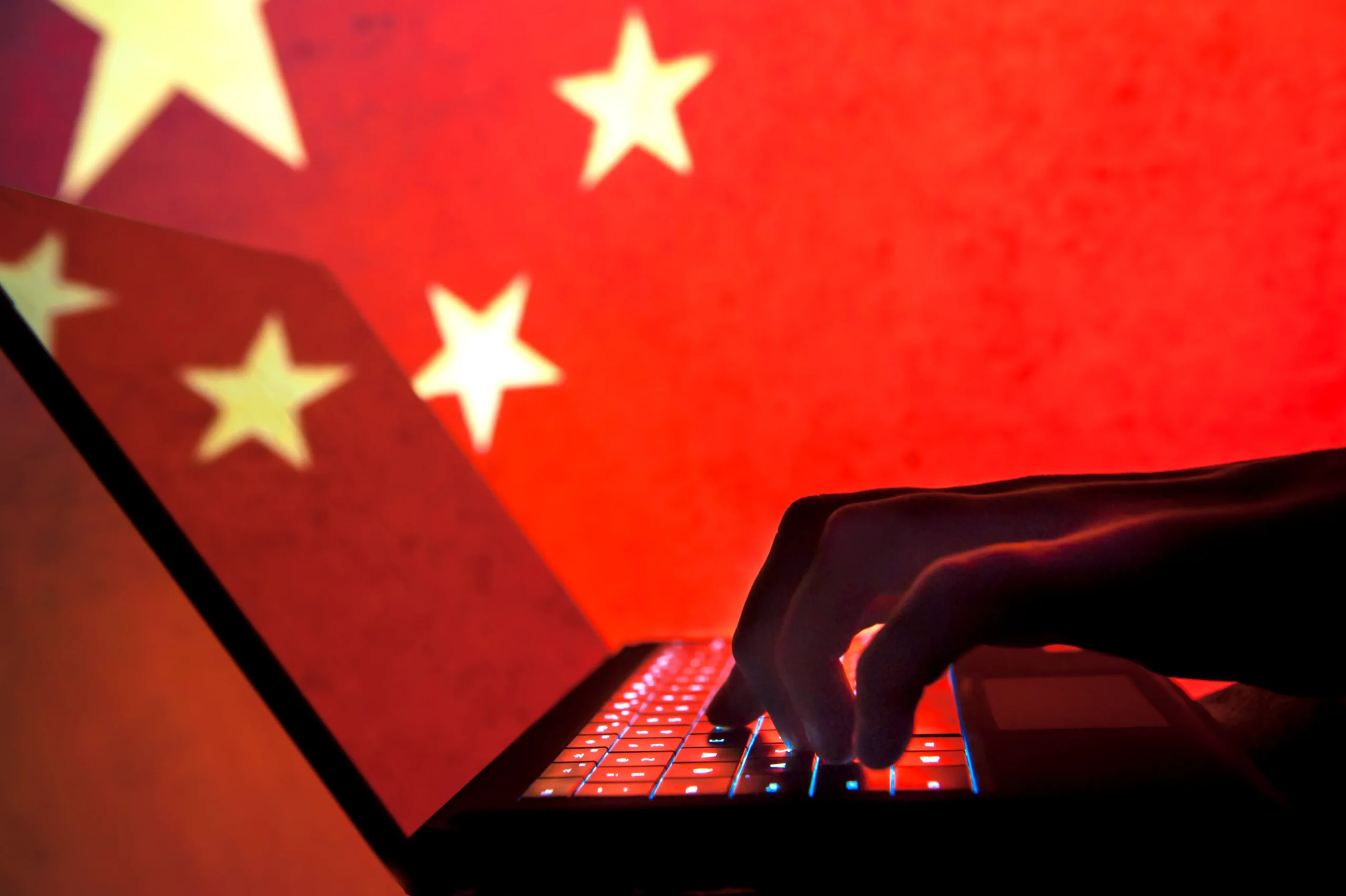
The global cybersecurity landscape has been rocked by a sophisticated and high-velocity supply chain attack that has compromised thousands of organizations worldwide. In an operation that marks a chilling evolution in state-sponsored cyber warfare, China-aligned threat actors have successfully breached ConnectWise, a dominant player in IT management and remote access solutions. By leveraging the company’s cloud infrastructure, the attackers gained unauthorized access to the internal environments of over 2,200 organizations, raising urgent questions about the vulnerability of the interconnected digital supply chain.
The Breach: A Cascade of Compromise
The security incident, which came to light following a series of alerts on October 21, 2026, centers on the compromise of ConnectWise’s cloud backup service. According to a detailed report published by Microsoft’s security intelligence unit, the threat actor—tracked as "Storm-0940"—successfully infiltrated the platform to harvest sensitive application credentials.
These credentials serve as the digital "keys to the kingdom," enabling the synchronization of data links between the service provider and its vast array of corporate clients. By obtaining these authentication tokens, the hackers were able to bypass standard perimeter defenses, masquerading as authorized personnel to gain unfettered access to their victims’ Microsoft-hosted environments.
Once inside, the attackers focused their efforts on data exfiltration, targeting highly sensitive corporate assets, including internal email communications, proprietary files, and strategic documents. The breach represents a textbook example of a "cascading" supply chain attack, where a single point of failure in a trusted vendor creates a domino effect, exposing thousands of downstream customers who believed their data was secured by enterprise-grade infrastructure.
Chronology of the Attack
The timeline of the operation suggests a high degree of planning and technical orchestration:
- Initial Infiltration: Analysts believe Storm-0940 began the reconnaissance phase weeks prior to the public discovery, identifying gaps in ConnectWise’s cloud backup architecture.
- Credential Harvesting: The attackers successfully breached the cloud backup service, extracting application-level credentials that allowed them to link their malicious infrastructure to the clients’ Microsoft environments.
- The AI-Driven Onslaught (October 21, 2026): Utilizing the ARTEX framework, the attackers initiated a massive, automated sign-in campaign. Microsoft observed a staggering rate of 3,000 attempted logins per minute. This velocity effectively overwhelmed standard security monitoring systems, rendering traditional manual threat hunting useless.
- Detection and Triage: Microsoft’s security telemetry identified the abnormal traffic patterns, triggering an industry-wide alert.
- Containment Efforts (October 22, 2026): ConnectWise issued an emergency advisory, effectively taking their cloud backup system offline to prevent further unauthorized access. As of Thursday, the company is in the midst of a forensic investigation and system restoration phase.
The Weaponization of AI: The Rise of ARTEX
Perhaps the most alarming aspect of the ConnectWise breach is the role of artificial intelligence. Microsoft has confirmed that the threat actor utilized "ARTEX," an open-source AI framework originally designed for legitimate cybersecurity stress-testing.
In the hands of state-aligned hackers, ARTEX was repurposed into an "agentic" tool capable of executing autonomous, high-speed attacks. Unlike traditional automated scripts, which follow rigid, predictable patterns, agentic AI can adapt to environmental variables in real-time. By automating the login process, the attackers were able to navigate complex authorization protocols at a speed that left security operations centers (SOCs) with virtually no window to detect or intercept the intrusion.
This is not the first time ARTEX has been weaponized. Earlier this month, the same framework was implicated in a devastating breach of financial institutions in South Korea. In that instance, the attackers exploited a lack of multi-factor authentication (MFA) and legacy infrastructure to siphon sensitive financial data. The ConnectWise incident confirms that ARTEX is rapidly becoming a preferred tool for threat actors looking to scale their operations across global networks.
Official Responses and Remediation
In the wake of the breach, ConnectWise has moved to contain the damage. In a statement released on their trust portal, the company acknowledged the compromise and confirmed they are working closely with law enforcement and cybersecurity partners.

"We have paused access to our cloud backup system as a precautionary measure," a ConnectWise spokesperson noted. "Our teams are currently engaged in a comprehensive forensic audit to determine the full scope of the breach and to implement enhanced security protocols before service is restored."
Microsoft, meanwhile, has issued a series of hardening recommendations for organizations affected by the Storm-0940 campaign. They are urging all customers to:
- Rotate all application credentials associated with third-party IT management tools immediately.
- Audit sign-in logs for unauthorized activity, specifically looking for high-velocity spikes from unrecognized IP ranges.
- Enforce conditional access policies that require strict device compliance and MFA, even for services that were previously trusted.
Broader Implications: The Fragility of Trust
The ConnectWise breach is a sobering reminder of the "trust deficit" currently plaguing the enterprise software industry. As companies outsource critical functions—such as data backup, remote management, and cloud hosting—to third-party providers, they are effectively outsourcing their risk.
Security analysts argue that the reliance on automated, AI-driven offensive tactics has fundamentally shifted the balance of power. If attackers can use AI to conduct thousands of intrusions in the time it takes a human analyst to sip a cup of coffee, the current model of reactive security is obsolete.
"We are entering an era of asymmetric warfare," says cybersecurity expert Dr. Aris Thorne. "When the attacker has the ability to scale their efforts infinitely through AI agents, the defender must shift from a posture of ‘detection’ to one of ‘intrinsic resilience.’ The ConnectWise incident isn’t just about a password leak; it’s about the reality that the tools we use to manage our networks have become the biggest threats to our security."
The Path Forward
The fallout from this incident is expected to be felt for months. Thousands of companies are now forced to undergo emergency forensic investigations to determine what data was accessed. For many, this will involve mandatory regulatory disclosures and potential legal liability regarding data privacy.
Furthermore, the incident is likely to spark a renewed debate in Washington and Brussels regarding the regulation of "dual-use" AI tools like ARTEX. While these frameworks are vital for the white-hat cybersecurity community to stress-test their own systems, their availability as open-source code provides a significant advantage to nation-state actors.
For now, the priority remains containment. As ConnectWise works to bring its systems back online, the cybersecurity community is on high alert. The "bad week" referenced by industry observers is a stark indicator that the digital supply chain is no longer just a vector for traditional malware—it is now the primary battlefield for a new generation of high-speed, AI-enabled espionage.
Organizations are advised to treat their third-party connections with the same level of scrutiny as their own internal networks. The era of blind trust in IT management platforms has come to a definitive, and costly, end.