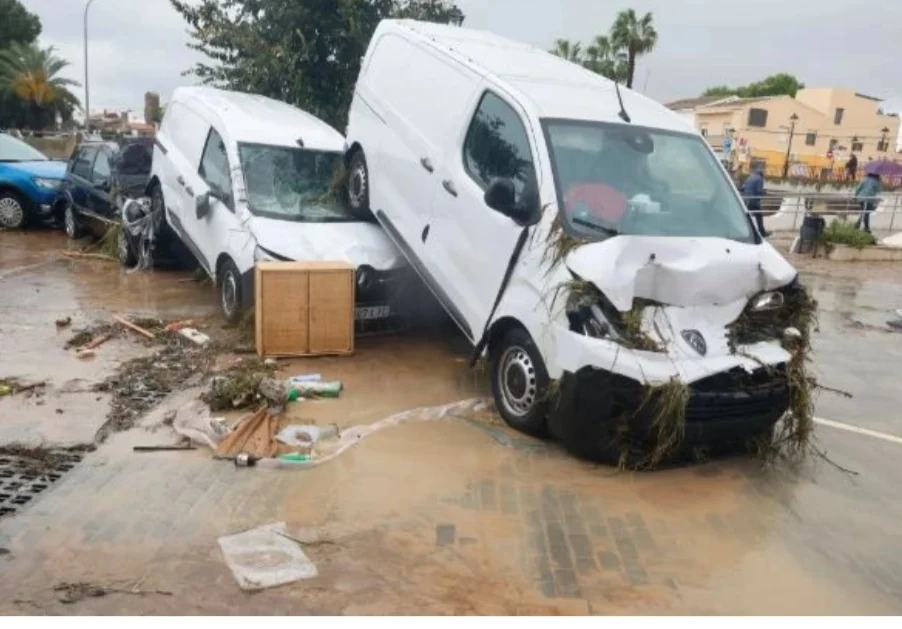
MARSEILLE, France – October 22, 2026 – A powerful and relentless weather system, dubbed Storm Adam, has unleashed catastrophic flooding across southern France and the island of Corsica, claiming the lives of at least four individuals and leaving one seriously injured. The torrential rainfall and raging waters have caused widespread disruption, submerging roads, severing transport links, and inflicting significant damage on infrastructure and homes. As emergency services continue their arduous search and rescue operations, the affected regions grapple with the immediate aftermath and the grim realization of the human and economic toll.
The storm, which commenced its destructive path on Tuesday, October 20th, 2026, brought an unprecedented deluge to areas already susceptible to extreme weather events. The swift escalation from heavy rainfall to widespread inundation caught many residents off guard, transforming picturesque landscapes into scenes of chaos and despair. Authorities have expressed grave concern over the continuing precarious situation, emphasizing the need for extreme caution as communities begin to assess the full extent of the devastation.
Main Facts
The devastating impact of Storm Adam has plunged communities across Southern France and Corsica into crisis. The confirmed death toll stands at four, with one person hospitalized due to injuries sustained during the deluge. Among the confirmed fatalities are two women, aged 86 and 26, who tragically drowned in the basement of a building in the Bouches-du-Rhône region of Southern France. Their discovery underscores the indiscriminate and brutal nature of the flash floods.
In Corsica, another life was lost when a vehicle was swept away by the powerful currents. While one occupant managed to escape to safety, the second individual was found deceased. Details surrounding the fourth victim remain scarce as authorities continue their investigations amidst challenging conditions. The storm’s fury manifested in unprecedented rainfall totals, leading to rapid water accumulation that overwhelmed drainage systems, burst riverbanks, and created dangerous torrents across roadways. Critical infrastructure, including major roads and bridges, suffered severe damage or became impassable, isolating numerous communities. Power outages affected tens of thousands of homes, compounding the misery for residents already battling the rising waters. The French government has activated crisis response units, deploying hundreds of emergency personnel, including firefighters, gendarmerie, and civil security forces, to assist in rescue efforts and provide aid to the displaced. The scale of the disaster has prompted calls for national solidarity and robust support for the affected regions as they face a long and challenging recovery.
Chronology of Disaster
The destructive trajectory of Storm Adam unfolded rapidly, leaving a trail of devastation that began with early warnings and quickly escalated into a full-blown emergency.
The Onset: Anticipating the Unprecedented
The first indications of a significant weather event emerged late on Monday, October 19th, when Météo-France, the national meteorological service, issued severe weather warnings for several departments in Southern France, including Bouches-du-Rhône, Var, and Alpes-Maritimes, as well as the entire island of Corsica. Forecasters highlighted the potential for an "épisode méditerranéen," a phenomenon characterized by intense, localized rainfall often leading to flash floods, exacerbated by warm sea temperatures in the Mediterranean. Initial alerts were raised to orange vigilance levels for heavy rain and thunderstorms, urging residents to exercise caution, secure outdoor items, and prepare for potential disruptions. Local prefectures activated their emergency planning units, advising municipalities to ready their response teams and keep communication channels open. However, the sheer intensity and rapid onset of the storm would soon prove to be beyond even these grave predictions.
Tuesday’s Fury: The Storm Strikes
As Tuesday, October 20th, dawned, the predicted storm arrived with brutal force. By mid-morning, rainfall rates had dramatically escalated, with some areas reporting over 100 millimeters of rain in just a few hours. Rivers and streams, already swollen from earlier seasonal rains, quickly overflowed their banks. Roads transformed into raging rivers, and underpasses became impassable lakes.
It was during this critical period that the first tragic incidents occurred. In the Bouches-du-Rhône region, reports began to surface of homes being rapidly inundated. Emergency services received desperate calls from residents trapped in their properties. The most heartbreaking discovery came later in the day: two women, aged 86 and 26, were found drowned in the basement of a residential building. It is believed they were unable to escape the rapidly rising waters that filled the subterranean level, highlighting the suddenness and ferocity of the flooding.
Simultaneously, Corsica was battling its own severe weather. The mountainous terrain and steep valleys funneled the torrential rain into powerful torrents, causing rivers to swell violently. Near a coastal town, a vehicle carrying two individuals was overwhelmed and swept away by a particularly fierce flash flood. While one occupant miraculously managed to escape through a window and cling to debris before being rescued, the other was tragically carried away and later found deceased, a stark reminder of the immense power of the water. Throughout Tuesday, transport networks across both regions ground to a halt. High-speed train services were suspended, flights were delayed or canceled at regional airports, and major highways were closed due to flooding and landslides. Thousands of households experienced power outages as electrical infrastructure succumbed to the storm.
Wednesday’s Aftermath: Search, Rescue, and Sobering Discoveries
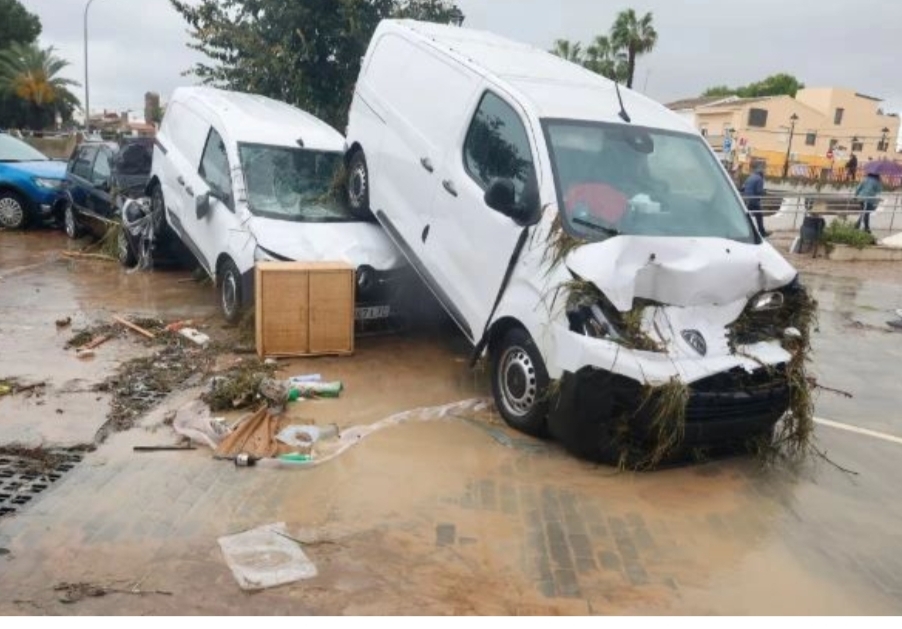
As Wednesday, October 21st, dawned, the immediate ferocity of Storm Adam began to recede in some areas, leaving behind a landscape scarred by mud, debris, and standing water. However, the crisis was far from over. Emergency teams, bolstered by reinforcements from unaffected regions, intensified their search and rescue operations. Helicopters hovered over isolated areas, assessing damage and evacuating stranded individuals. Divers were deployed to check submerged vehicles and properties for potential victims.
It was on Wednesday that authorities confirmed the discovery of the fourth victim. While specific details were not immediately released, it is understood that this individual was found in a separate incident, further underscoring the widespread danger posed by the storm. Search efforts continued throughout the day for any other missing persons, with particular focus on areas where vehicles were reported swept away or where homes were severely damaged. Local authorities began initial damage assessments, revealing widespread destruction to agricultural land, businesses, and public infrastructure. The focus shifted from immediate survival to providing aid, shelter, and support for the hundreds of people displaced by the floods, while also preparing for the long and arduous process of recovery.
Supporting Data and Context
The scale of the disaster wrought by Storm Adam is not merely a consequence of heavy rain but a complex interplay of meteorological phenomena, geographical vulnerabilities, and the escalating threat of climate change.
Meteorological Analysis of Storm Adam
Storm Adam exhibited the classic characteristics of an intense Mediterranean low-pressure system, often referred to as an "épisode cévenol" or "épisode méditerranéen." These events are notorious for their capacity to generate colossal amounts of rainfall over short periods, particularly when warm, moist air from the Mediterranean Sea encounters the cooler air masses and mountainous relief of the French mainland and Corsica. Météo-France reported unprecedented rainfall totals, with some localized areas in the Bouches-du-Rhône and Corsica receiving over 300-400 millimeters (approximately 12-16 inches) of rain in less than 24 hours. To put this into perspective, this amount often represents several months’ worth of average precipitation for these regions. The stationary nature of the storm front, coupled with the "training effect" (where successive bands of thunderstorms repeatedly pass over the same area), amplified the deluge, leading to a rapid saturation of soils and an immediate, overwhelming runoff into rivers and urban areas. The high sea surface temperatures in the Mediterranean during this autumn period likely contributed to the storm’s intensity by providing an abundant source of moisture, fueling the convective systems.
Geographical Vulnerability
Southern France and Corsica are inherently vulnerable to such extreme weather events. The topography, characterized by steep mountain ranges (like the Cévennes and the Corsican massifs) that descend sharply towards the coast, creates a natural funneling effect for rainfall. When heavy precipitation occurs, water rapidly flows down these slopes, transforming small streams into raging torrents and overwhelming rivers. Many urban areas in these regions have historically developed on floodplains or along riverbanks, increasing their exposure to flood risks. Furthermore, a combination of intense urbanization, which has replaced natural permeable surfaces with concrete and asphalt, and agricultural practices that can reduce soil’s water absorption capacity, exacerbates runoff and accelerates flash flooding. Corsica, with its rugged terrain and often narrow, winding roads, is particularly susceptible to landslides and road closures during heavy rains, making rescue and relief efforts exceptionally challenging.
The Human Cost: Profiles of the Victims
The human toll of Storm Adam is a stark and painful reminder of nature’s raw power. The loss of life in Bouches-du-Rhône, involving two women of vastly different ages, highlights the indiscriminate nature of such disasters. The 86-year-old victim likely had limited mobility, making escape from the rapidly rising waters in a basement almost impossible. The 26-year-old, in the prime of her life, faced an equally insurmountable challenge against the sudden deluge. Their deaths have sent shockwaves through their local community, serving as a tragic testament to the speed with which the floodwaters advanced.
In Corsica, the incident of the swept-away vehicle speaks to the terrifying speed and force of the flash floods. The narrow escape of one occupant underscores the fine line between life and death in such chaotic conditions. The person found deceased after this incident represents another family plunged into grief. While details of the fourth victim remain officially undisclosed, it is understood they were discovered in a separate, equally harrowing circumstance, possibly caught in a rapidly rising river or a collapsed structure. Each fatality represents not just a statistic, but a profound loss to families, friends, and communities, leaving behind a legacy of sorrow and shock. The ongoing grief and the sheer devastation left in the wake of Storm Adam will undoubtedly leave an indelible mark on the collective memory of these regions.
Official Responses and Relief Efforts
The immediate aftermath of Storm Adam has seen a massive mobilization of resources and personnel, as French authorities coordinate a comprehensive response to the unfolding crisis.
Government and Local Authorities
In the wake of the disaster, the French government swiftly moved to declare a state of "catastrophe naturelle" (natural disaster) for the most severely affected areas. This crucial declaration paves the way for accelerated insurance claims and provides financial assistance to individuals and businesses for damages not typically covered by standard policies. President Emmanuel Macron issued a statement expressing his profound solidarity with the victims and their families, assuring full government support for the affected regions. Prime Minister Jean Castex and Interior Minister Gérald Darmanin have been in constant communication with regional prefects, coordinating relief efforts and pledging national resources. Local prefectures, acting as the operational command centers, have implemented emergency protocols, including the activation of departmental crisis units (Cellules de Crise Départementales) to manage resources, disseminate information, and oversee field operations. Mayors of inundated towns and villages have worked tirelessly, often on the ground, to support their constituents, establish temporary shelters, and coordinate local volunteers.

Search and Rescue Operations
The scale and complexity of the search and rescue operations have been immense. Hundreds of firefighters from the Service Départemental d’Incendie et de Secours (SDIS), along with units from the Gendarmerie Nationale and specialized civil security brigades, have been deployed. Their efforts have been hampered by rapidly flowing water, submerged roads, and the presence of debris, making access to some areas extremely difficult. Specialized teams, including divers, canine units, and swift-water rescue experts, have been crucial in navigating the treacherous conditions. Helicopters from the Sécurité Civile and the Gendarmerie have performed numerous aerial reconnaissance missions and evacuations, airlifting stranded individuals from rooftops and isolated pockets of land. Rescue workers have faced the heartbreaking task of searching submerged homes and vehicles, often under perilous circumstances. Their bravery and dedication have been instrumental in preventing further loss of life and bringing relief to those trapped by the floods. Temporary shelters, equipped with basic necessities, have been established in municipal buildings and schools to accommodate hundreds of displaced residents.
Public Safety Directives
Throughout the crisis, authorities have issued continuous and urgent public safety directives. Residents in affected and at-risk zones were strongly advised to remain indoors, avoid all unnecessary travel, and under no circumstances attempt to drive through flooded roads. Warnings were broadcast via local radio, television, and social media channels, urging people to heed evacuation orders immediately if issued. Emergency services disseminated information on how to cut off power and gas in flooded homes and what to do if trapped. Psychosocial support teams have also been deployed to assist individuals and families traumatized by the events, providing counseling and a point of contact for those grappling with loss and displacement. Efforts to restore essential services like electricity, drinking water, and communication networks are underway, with technical teams working round the clock to repair damaged infrastructure, prioritizing critical facilities and residential areas. The coordinated response highlights the resilience of French emergency services and the solidarity of communities in the face of such a profound natural disaster.
Implications and Future Outlook
The immediate crisis of Storm Adam may eventually recede, but its long-term implications for Southern France and Corsica are profound, touching upon economic recovery, environmental resilience, and the urgent need for enhanced preparedness in an era of escalating climate challenges.
Economic Impact
The economic fallout from Storm Adam is anticipated to be substantial. Preliminary estimates suggest that damages to infrastructure, homes, and businesses could run into hundreds of millions of euros. Agricultural sectors, particularly vineyards and olive groves in the affected regions, have suffered significant losses due to submerged fields and soil erosion, threatening livelihoods for many farmers. Local businesses, already grappling with economic uncertainties, face extensive repair costs and prolonged closures. Roads, bridges, and other vital public infrastructure will require costly and time-consuming repairs or complete reconstruction, disrupting local economies and daily life for months to come. The tourism industry, a cornerstone of the regional economy, particularly in coastal areas and Corsica, will likely see a downturn as recovery efforts take precedence. Insurance companies are bracing for an unprecedented volume of claims, and the government’s "catastrophe naturelle" fund will be stretched to its limits, necessitating significant public investment in the recovery process.
Environmental Consequences
Beyond the immediate human and economic toll, Storm Adam has left a significant environmental footprint. The sheer volume of water has caused widespread soil erosion, particularly on steep slopes, leading to landslides and altering natural landscapes. Floodwaters have carried pollutants, debris, and sediment into rivers and coastal ecosystems, potentially impacting water quality and marine life. Localized sewage system failures could lead to contamination, posing risks to public health and the environment. The disruption to natural habitats, particularly wetlands and riparian zones, could have long-term ecological consequences, affecting local biodiversity. While the immediate focus is on human recovery, environmental rehabilitation will be a critical, albeit complex, part of the overall rebuilding effort.
Long-Term Preparedness and Climate Change
Storm Adam serves as a stark reminder of the increasing frequency and intensity of extreme weather events, phenomena that scientists increasingly link to anthropogenic climate change. Southern France and Corsica are on the front lines of these changes, experiencing more severe and unpredictable Mediterranean-type storms. This event will undoubtedly reignite discussions on long-term preparedness strategies. There will be renewed calls for more robust flood defenses, including the construction of higher riverbanks, improved drainage systems, and the restoration of natural floodplains. Urban planning will need to be re-evaluated, potentially restricting construction in high-risk zones and promoting resilient building practices. Early warning systems, while effective to a degree, may need further enhancement to provide even more precise and timely alerts, potentially integrating AI and advanced meteorological modeling. Investment in climate adaptation measures, such as green infrastructure and nature-based solutions, will become paramount to mitigate future risks. The challenge lies not only in rebuilding but in "building back better," integrating resilience and sustainability into every aspect of recovery to withstand future climatic shocks.
Community Spirit and Recovery
Despite the widespread devastation and profound grief, stories of remarkable community spirit and solidarity have emerged from the flood-affected regions. Neighbors helping neighbors, volunteers assisting emergency services, and local businesses offering support to those in need exemplify the resilience of the human spirit. The road to full recovery will be long and arduous, requiring sustained effort and resources from both local and national levels. It will involve not just physical reconstruction but also emotional healing and the rebuilding of shattered lives. As the waters recede and the scale of the damage becomes fully apparent, the focus will shift from immediate crisis response to a sustained commitment to supporting these communities through their journey of recovery, ensuring that the lessons learned from Storm Adam contribute to a safer, more resilient future for Southern France and Corsica.