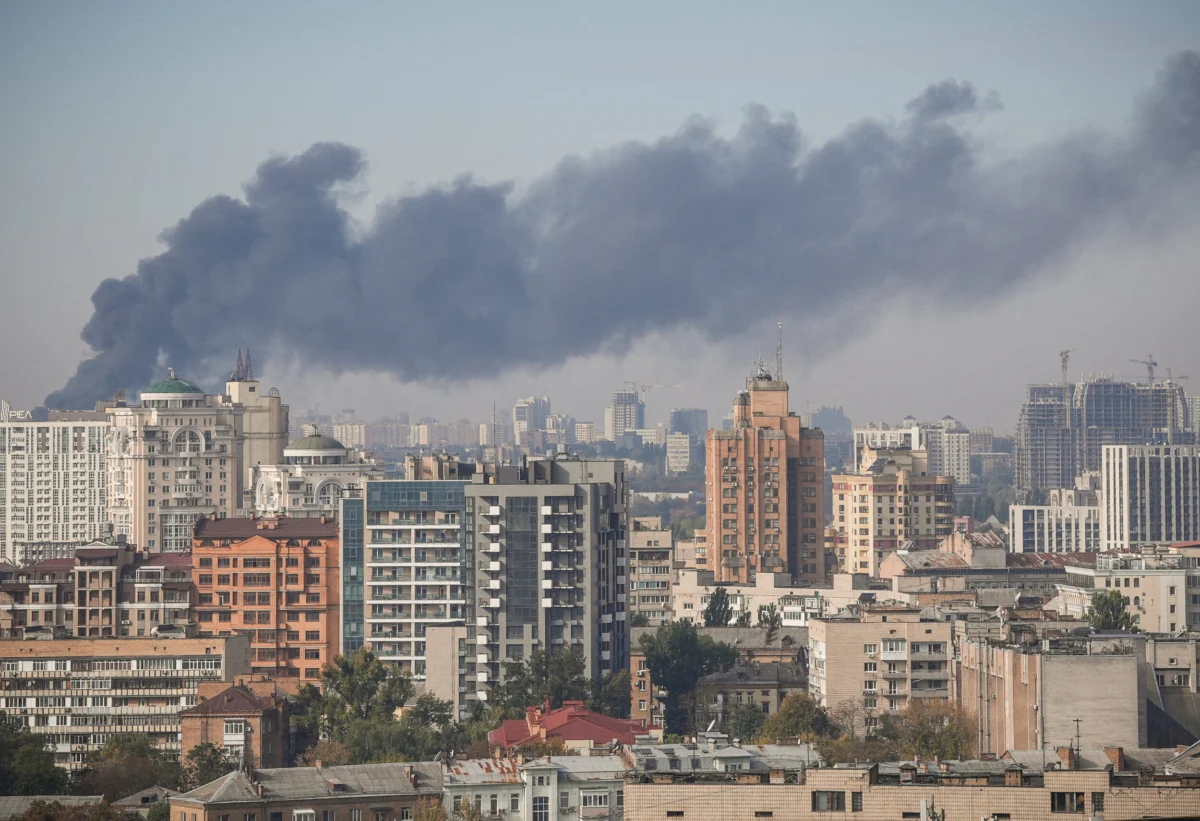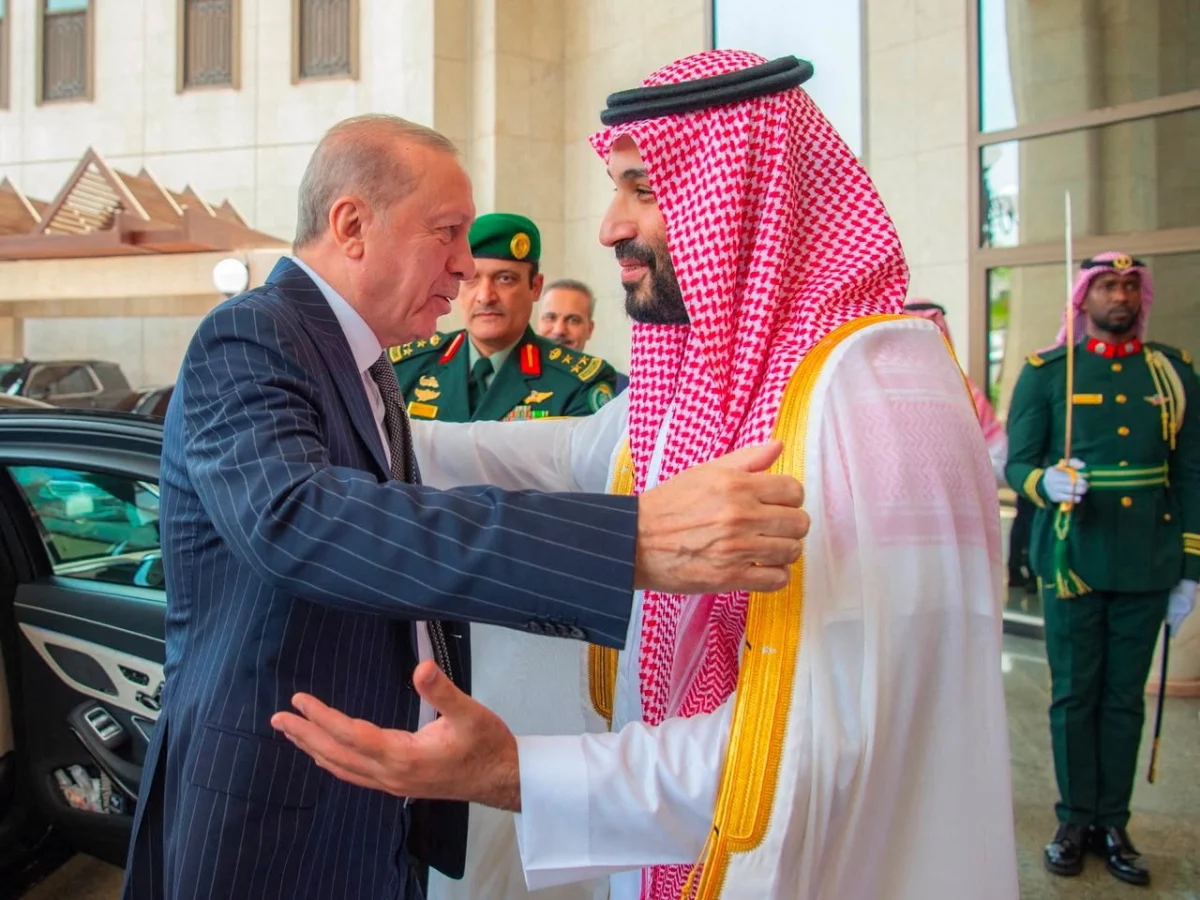
The prevailing narrative among Western foreign policy analysts—that the Middle East is rapidly crystallizing into two rigid, opposing blocs—is not only simplistic; it is fundamentally flawed. As the ongoing US-Iran war continues to reshape the regional architecture, commentators have frequently pointed to the emergence of the "Regional 4" (R4)—Saudi Arabia, Turkey, Pakistan, and Egypt—and a loose, Israel-anchored counter-alignment as evidence of a new bipolarity. However, a deeper examination reveals that the Middle East is not dividing into binary camps. Instead, regional powers are pursuing "modular alignment," a strategic posture defined by sector-specific cooperation and a fierce protection of national autonomy.
The Myth of the Two Blocs
The "two-bloc" narrative suggests a degree of cohesion that simply does not exist. On one side, proponents point to the "R4" grouping, bolstered by the August 2026 Mecca Joint Defense Agreement. This pact, designed to create a strategic counterweight to regional threats, is often cited as the foundation of a new, unified front. On the other side, the normalization of ties between Israel and the United Arab Emirates, accelerated by the 2020 Abraham Accords and intensified by recent security cooperation, is viewed as the anchor for a competing, pro-Western/pro-stability axis.
Yet, this framework ignores the messy, contradictory reality of Middle Eastern statecraft. A true bloc requires binding, systemic commitments that force members to subordinate their individual preferences to the collective good. Current regional dynamics exhibit the exact opposite. Every state in the Gulf is currently recalibrating its foreign and domestic policy to prioritize strategic autonomy, viewing inflexible alliances as a liability rather than an asset.
Chronology of Shifting Alignments
- 2020: The Abraham Accords are signed, formally codifying ties between Israel and the UAE, signaling a shift toward regional normalization.
- 2023: Turkey and Saudi Arabia sign a multibillion-dollar defense contract; Baykar begins establishing drone production lines within the Kingdom.
- 2024: India and Saudi Arabia conduct the first-ever joint army-to-army exercises, signaling Riyadh’s interest in expanding security partnerships beyond traditional Western allies.
- February 2026: The US-Iran war begins, triggering a cascade of security concerns across the region.
- April 2026: Pakistan deploys troops to Saudi Arabia, deepening the bilateral security bond.
- August 2026: The Mecca Joint Defense Agreement is signed by Saudi Arabia, Turkey, and Pakistan, establishing a new security framework.
- December 2026: Israel becomes the first nation to formally recognize Somaliland, while Pakistan finalizes a $4 billion weapons deal with the Libyan National Army (LNA)—a move that indirectly aids UAE-backed factions.
The Fragility of the R4: Internal Contradictions
The R4 alliance is held together by shared threat perceptions regarding Iran and growing frustration with the perceived inconsistencies of the US security umbrella. However, the bilateral relationships within this group are riddled with deep-seated conflicts that shared goals cannot erase.
Ankara and Cairo: A Marriage of Convenience
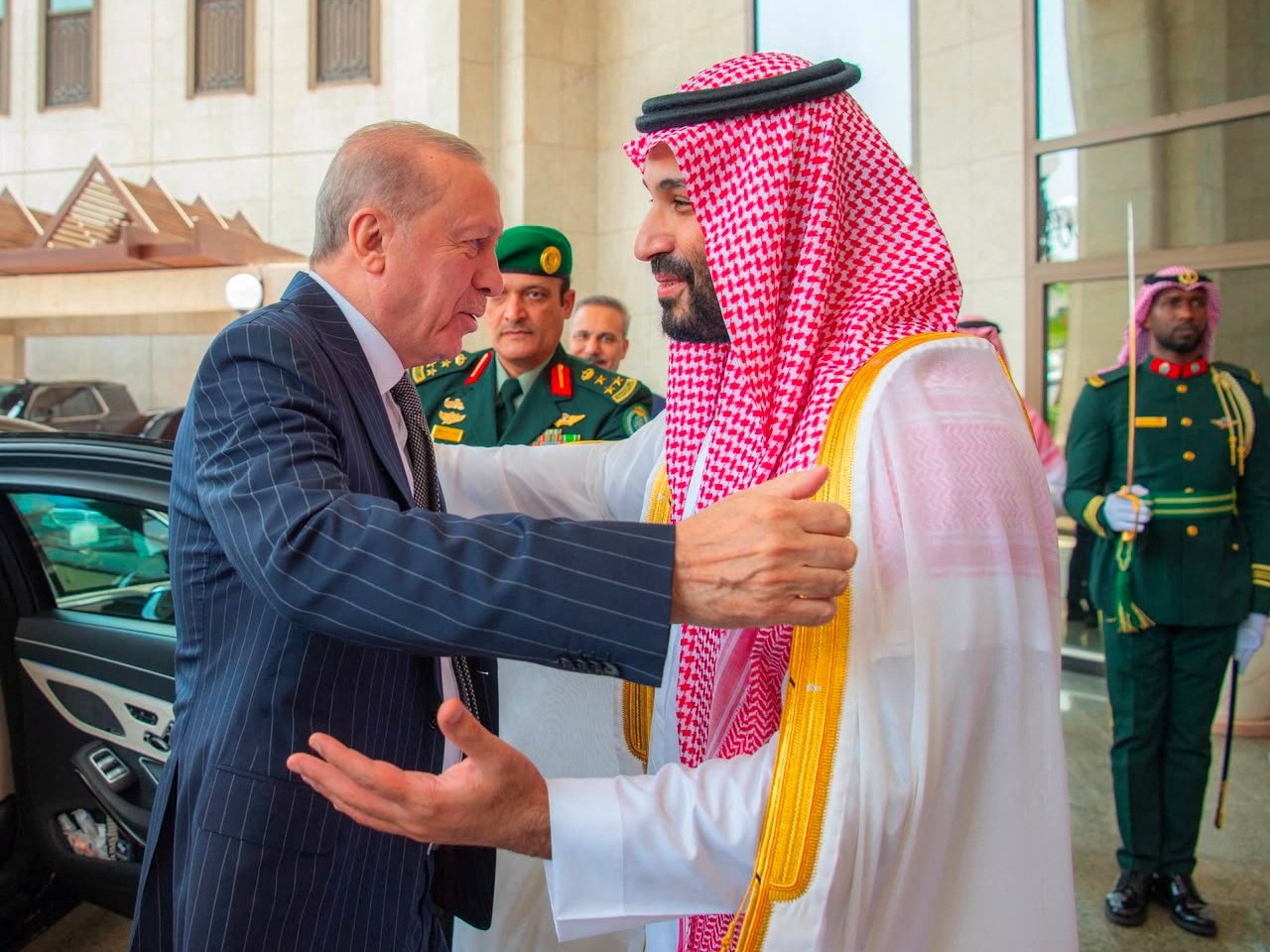
Turkey and Egypt restored diplomatic ties three years ago, but their rapprochement was born of economic desperation rather than strategic harmony. Ankara sought Gulf capital to stabilize the collapsing lira, and Cairo required trade markets to combat a severe foreign exchange crisis. Beneath this surface-level cooperation lie unresolved disputes over Libya—where they have backed opposing factions—and conflicting maritime claims in the Eastern Mediterranean. Furthermore, Egypt remains deeply suspicious of Turkey’s ideological ties to groups that Cairo classifies as terrorist organizations.
Riyadh, Ankara, and the Syrian Conundrum
While Saudi Arabia and Turkey have both supported elements in Syria, their visions for the country’s future are fundamentally incompatible. Riyadh fears the emergence of a Turkish-client state in the Levant, while Ankara remains wary of Saudi attempts to assert leadership over the Islamic world. Their cooperation is strictly limited to specific, transactional goals. When it comes to broader regional influence, their competition remains intense, rendering any "bloc-like" unity implausible.
The UAE-Israel Axis: Cooperation Without Commitment
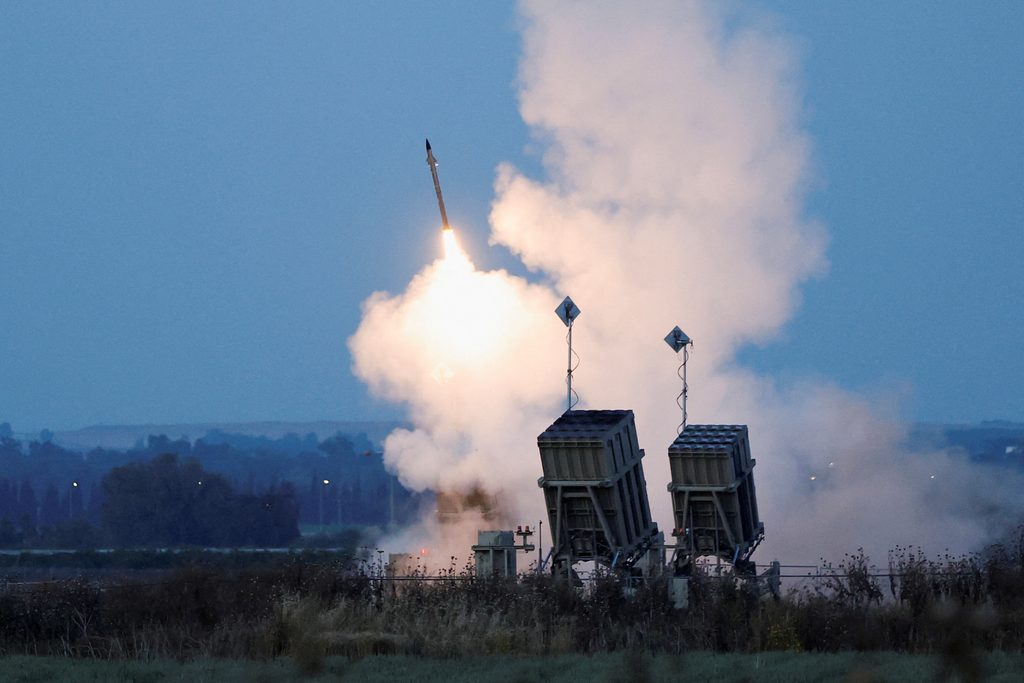
The notion of a UAE-Israel-led bloc is equally misleading. While the two nations have demonstrated high-level security cooperation—such as Israel’s deployment of Iron Dome batteries to the UAE during the conflict with Iran—these are tactical, bilateral responses, not systemic alliance commitments.
The UAE continues to pursue its own national interests, which often diverge from those of its partners. For example, Abu Dhabi remains a primary investor in Egypt, despite being on the opposing side of the conflict in Sudan. Furthermore, when Israel struck targets in Doha in late 2025, the UAE joined the Gulf Cooperation Council (GCC) in condemning the action as "cowardly," demonstrating that their security cooperation with Israel has clear, non-negotiable redlines regarding Palestinian sovereignty and broader Arab consensus.

Supporting Data: The Economic "Bloc-Killer"
The most significant barrier to the formation of rigid blocs is the interconnected nature of regional finance and trade. True blocs require economic insulation from the "other side," but Middle Eastern states are doing the opposite.
- Financial Interdependence: Egypt remains solvent largely due to a $35 billion investment from the UAE—a country that is supposedly in a different "bloc."
- Trade Volume: Trade between Turkey and the UAE has tripled under recent economic agreements, reaching over $45 billion in 2025.
- Fiscal Reality: Saudi Arabia, despite an oil revenue jump, recorded a $9 billion deficit in Q2 2026. The Kingdom is focused on Vision 2030 and is unwilling to act as a "benefactor" for its R4 allies. The expectation that Saudi Arabia will subsidize the economies of Pakistan, Egypt, or Turkey is fundamentally at odds with the Kingdom’s need to preserve capital for its own domestic transformation.
Implications for Washington: Leverage in a Modular World
For the United States, the realization that the Middle East is operating through modular alignment—not bloc formation—is both a challenge and an opportunity. Washington has lost the ability to command its regional partners as a unified entity, but it has not lost its fundamental leverage.
The Case for Sector-by-Sector Engagement
The US should abandon the attempt to force regional states into a binary choice between "pro-American" or "pro-China/other" camps. Instead, Washington should adopt the region’s own modular operating model. By competing sector-by-sector—leveraging its dominance in military training, intelligence, and cutting-edge technology—the US can remain the "partner of choice" without demanding total alignment.
Exploiting the Asymmetry
A critical advantage the US maintains over China is its capacity to act as a security guarantor. While Beijing is willing to sell military hardware, it lacks the regional force posture and historical security commitments that Washington provides. By engaging in frank, difficult conversations about "burden-sharing," the US can solidify its value proposition.
Conclusion: The Arrival of Strategic Autonomy
The era of relying on a single, overarching security umbrella is over. Middle Eastern states have achieved a level of strategic autonomy that is no longer emerging—it has arrived. The Mecca Agreement and the Abraham Accords are not the blueprints for a Cold War-style division of the region; they are tactical tools designed to provide flexibility in an uncertain environment.
For policymakers, the task is not to architect a bloc that the region does not want, but to navigate a landscape where relationships are built, maintained, or discarded on a case-by-case basis. In this new Middle East, the strongest partnerships will be those that respect the inherent need for flexibility. Those who mistake this modularity for weakness will find themselves marginalized; those who embrace it as the new reality will retain the influence necessary to shape the region’s future.