In the high-stakes theater of modern enterprise software, few companies have positioned themselves as strategically as Boomi. As the global digital ecosystem grapples with the "AI gold rush," Boomi—a data activation and integration powerhouse—is rapidly approaching a significant financial milestone: $1 billion in recurring revenue.
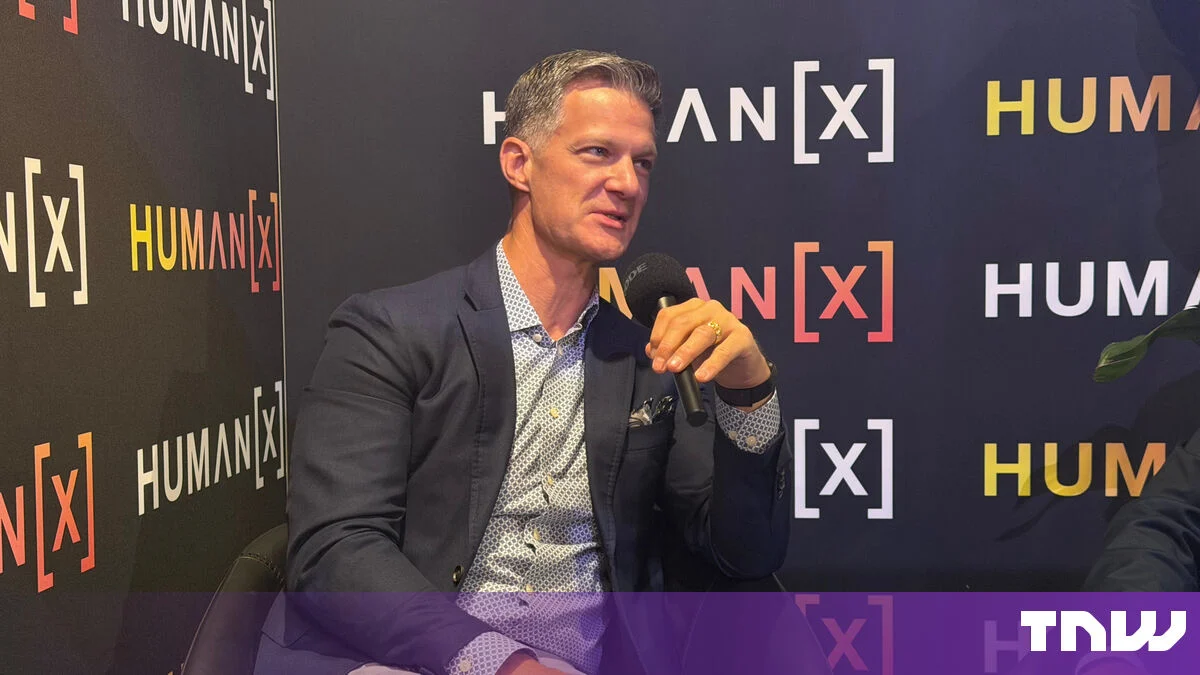
For Boomi’s Chairman and CEO, Steve Lucas, this growth is not merely a product of market tailwinds, but the result of a deliberate, long-term bet on the foundational necessity of data. As he recently articulated during an appearance on the TNW Podcast with Cristian Dina, Boomi has tripled its revenue in the four years since he took the helm in 2022. For Lucas, the math is simple: "AI needs data." With trillions of dollars being poured into artificial intelligence annually, Boomi sits at the vital junction where that capital meets practical, actionable infrastructure.
The Architect of Connectivity: A Professional Chronology
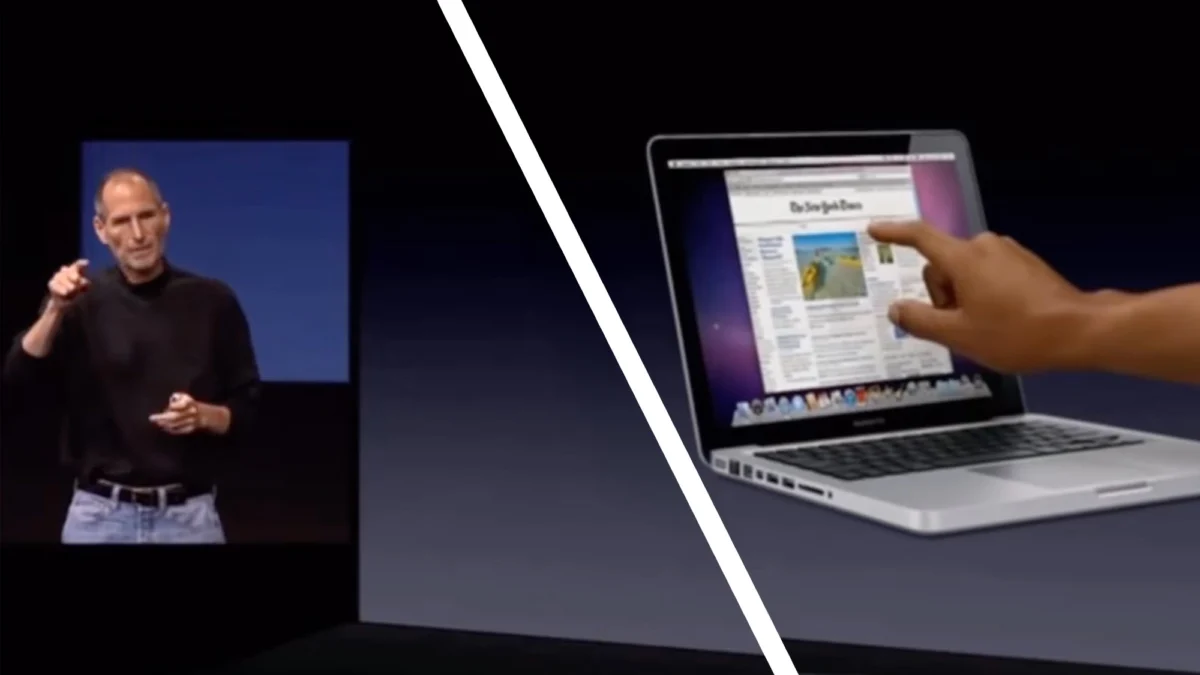
To understand Lucas’s pragmatic approach to AI, one must look at his trajectory, which spans the evolution of the modern software industry. His career began in the trenches of the 1990s, where he cut his teeth demonstrating Windows 3.1 and Office at trade shows while still a university student.
This early exposure to the birth of personal computing set the stage for a decade-long tenure at Business Objects and SAP, where he observed the complexities of enterprise-scale data architecture firsthand. His leadership roles subsequently expanded, serving as CEO of Marketo—eventually acquired by Adobe—and the recruitment software specialist iCIMS.
This deep-rooted experience in SaaS (Software as a Service) has given Lucas a unique vantage point on the current "AI hype cycle." In April 2025, he distilled these insights into his book, Digital Impact: The Human Element of AI-Driven Transformation. The book serves as a manifesto for leaders who are struggling to reconcile the promise of artificial intelligence with the realities of human-centric organizational change.
The "SaaS Apocalypse" and the Myth of Productivity
While many industry pundits warn of a "SaaS apocalypse"—a collapse triggered by AI making software creation trivial—Lucas remains unconvinced. He views the notion as overrated. Instead, he predicts a massive expansion in the sheer volume of software over the next five years.
"Don’t you find it ironic that productivity software is called productivity software?" Lucas asks, pointing to the reality that the average large enterprise currently juggles more than 350 disparate productivity applications.
For Lucas, the proliferation of AI-generated tools does not signify the end of SaaS; rather, it amplifies the need for the very thing Boomi provides: integration. As more software is built, the "spaghetti code" of enterprise operations becomes more tangled, not less. Boomi’s primary function—getting apps, databases, and APIs to communicate seamlessly—is becoming more critical as the surface area of enterprise technology expands.
The 10x Paradox: More Work Before Less Work
Perhaps the most provocative stance Lucas takes is on the future of labor. Despite the prevailing anxiety that AI will lead to widespread job displacement, Lucas argues that we are entering an era of expanded human responsibility.
"I think there’s going to be 10 times more work before there’s 10 times less work," he explains. He likens the arrival of generative AI to the industrial revolution’s assembly line or the later advent of robotics. Every time a transformative technology emerges, humans don’t simply cease working; they invent new categories of work that were previously inconceivable.
Lucas is currently applying this philosophy internally at Boomi. With a workforce of roughly 2,200 to 2,300, he is pushing to make his team ten times more productive, effectively operating with the output of a 10,000-person organization. He notes that roughly half of Boomi’s accounts payable process is now managed or generated by AI, with human oversight serving as the essential "final mile" of quality control. He cautions, however, that "telling staff to use AI" is a failing strategy. Instead, firms must identify specific, high-friction business problems and apply AI tools with surgical precision.
The Data-First Mandate
For companies seeking to deploy agents, Lucas offers a sobering reminder: a model is only as effective as the data it is fed. "Companies get stuck on data," he notes. "A model is only as good as its inputs." For AI to move beyond the realm of "buzzword compliance" and into genuine ROI, data must be high-quality, secure, and, above all, accessible.
He is notably skeptical of the industry’s obsession with the sheer number of AI agents deployed. "Anyone can have millions of agents deployed if they do meaningless work," he says. True value, according to Lucas, is derived from agents that drive strategic decisions and measurable business outcomes.
Regarding the existential goal of Artificial General Intelligence (AGI), Lucas adopts a pragmatic, almost dismissive stance. He suggests that, by many metrics, we have already reached the threshold. If today’s models from OpenAI or Anthropic had existed ten years ago, they would have been hailed as AGI. His personal benchmark for success is far more grounded: "I will know [we have reached AGI] when my job starts to get easier."
Integration as a Way of Life
For Steve Lucas, the importance of integration is not just a professional philosophy; it is a personal reality. Living with Type 1 diabetes, Lucas relies on a glucose sensor on his arm and an insulin pump on his back. His daily survival is predicated on the seamless communication—the integration—between these two devices.
"My life depends on integration, and it’s also what I do for a job," he reflects. This connection provides a profound, humanizing context to Boomi’s mission. The company, which takes its name from the Sanskrit word for "earth," was founded over two decades ago on the core tenet that everything is connected. Whether it is health-monitoring hardware or the vast web of enterprise APIs, the fundamental challenge of the modern age is ensuring that disparate parts function as a cohesive whole.
The Strategic Path Forward: Saying "No" to Scale
Managing a company at the scale of Boomi requires the discipline of omission. Lucas cites his hardest lesson as learning to say "no." Upon joining the company, he found dozens of competing projects and, in a move to consolidate focus, cut ten of them to ensure the firm remained laser-focused on its core competency: integration.
Looking ahead, Boomi is being pulled into the realm of AI infrastructure, particularly in the space of governance. As organizations rush to deploy AI, they are discovering that "watching the machines" is just as important as building them. Governance—the ability to audit, monitor, and verify that AI is operating within ethical and legal parameters—is the next great frontier for Boomi.
When asked for advice for the next generation entering this landscape, Lucas emphasizes the enduring value of foundational skills. He encourages students to continue learning to program, not because everyone needs to be a software engineer, but because understanding architecture is the only way to understand what AI is actually doing behind the curtain.
"Curiosity will be the number one skill set coming out of university," Lucas concludes. In a world where tools are changing by the day, the ability to synthesize information, manage complex systems, and remain relentlessly curious is the only true competitive advantage. As Boomi marches toward the $1 billion mark, its CEO remains focused on the human element: ensuring that as machines do more, humans remain the architects of the systems that define our future.