By Carl Bildt
October 21, 2026
The post-Cold War architecture, once defined by the unquestioned supremacy of the United States and the looming shadow of a resurgent Russia, is undergoing a profound structural metamorphosis. As we navigate the complexities of the mid-2020s, the rigid classifications of international relations—superpower, great power, and periphery—are proving increasingly inadequate.
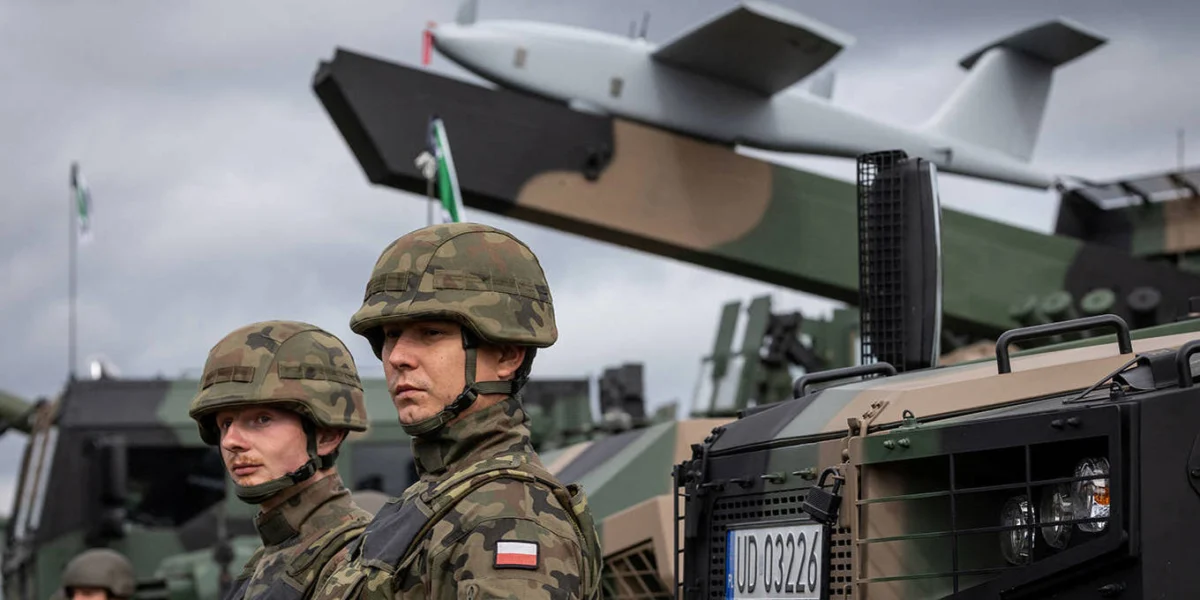
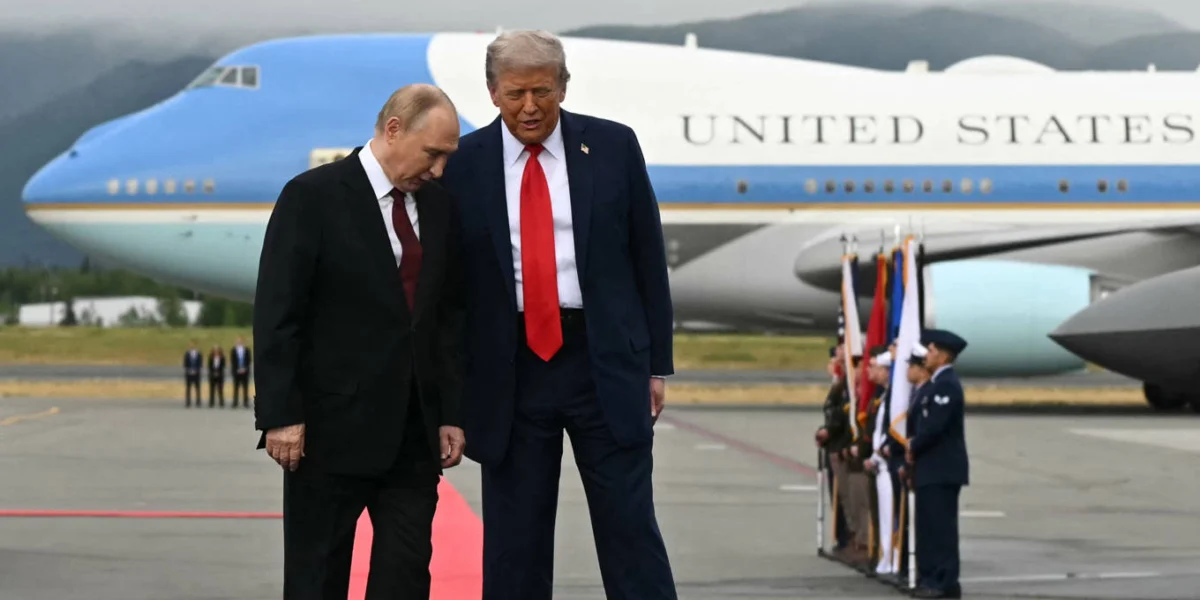
While the United States retains its unrivaled technological and financial leverage, and Russia continues to wield significant conventional and nuclear deterrents, both nations find their global influence increasingly tethered by internal stagnation and strategic overreach. We are witnessing a paradox: the world’s most potent military actors are being defined less by their capacity to dictate global outcomes and more by their vulnerability to failure and constraint.
In this new reality, the distinction between the "great" and the "middle" power is blurring. We must now consider the uncomfortable possibility that the United States and Russia are descending into a broader, more volatile grouping of middle powers—joining the likes of Canada, Brazil, and India in a world where influence is rented, not owned.
The Main Facts: A Convergence of Constraints
The traditional definition of a superpower required both the capability and the political will to project power across multiple theaters simultaneously. Today, both Washington and Moscow are struggling to maintain this mandate.
For the United States, the constraints are primarily institutional and economic. Despite a robust GDP, the U.S. faces crippling domestic political polarization, a massive sovereign debt load, and a crumbling consensus on the utility of international interventions. The "American Century" is being hollowed out by a systemic inability to achieve decisive policy outcomes in the Middle East, Eastern Europe, and the Indo-Pacific simultaneously.
Conversely, Russia’s constraints are systemic and demographic. Following the protracted conflicts of the early 2020s, the Russian state has been forced into a defensive posture. Its economy, increasingly reliant on a limited circle of partners, lacks the diversified innovative capacity to keep pace with the global digital and green transitions.
When both nations are forced to prioritize survival or internal stability over global leadership, the "superpower" label becomes a relic of the past. They are now competing for relevance in a multipolar ecosystem where their individual "yes" or "no" no longer guarantees a global result.
Chronology: The Erosion of Absolute Influence
To understand how we arrived at this inflection point, we must look at the timeline of the last decade:
- 2020–2022: The Pandemic Reset. The COVID-19 pandemic exposed the fragility of global supply chains and the limits of centralized state power. Both the U.S. and Russia were forced to pivot inward, marking the beginning of a decline in their capacity to manage international crises.
- 2023–2024: The Strategic Overstretch. As global tensions flared, both capitals attempted to exert "great power" pressure. However, the outcomes were largely inconclusive. U.S. influence in the Global South plateaued, while Russian territorial gains in Eastern Europe were met with economic isolation and long-term security dilution.
- 2025: The Rise of the "Middle-Power" Discourse. By early 2026, diplomatic circles in Stockholm, New Delhi, and Brasília began to openly discuss a world where "middle powers"—nations with regional clout but limited global projection—were becoming the primary drivers of international trade and climate policy.
- 2026: The Normalization of Constraint. As of October 2026, the term "middle power" has moved from academic debate to geopolitical reality. The realization has dawned that the old binary world has been replaced by a fluid landscape where even the traditional heavyweights must negotiate, lobby, and compromise on equal footing with emerging powers.
Supporting Data: The Metrics of Diminishing Returns
The shift in status is not merely a matter of perception; it is reflected in the data.
Military Spending vs. Strategic Outcomes
While U.S. defense spending has remained historically high, reaching nearly $1 trillion annually by 2026, the return on investment in terms of "strategic wins" has diminished. According to the International Institute for Strategic Studies (IISS), the U.S. now spends 30% more in real terms than it did in 2010, yet its influence over regional security architectures in the Indo-Pacific and the Middle East has become fragmented.
Economic Dependency
Russia’s transition toward an isolated economic model has led to a significant drop in its global trade integration. Since 2023, Russia’s share of global trade (excluding energy commodities) has fallen by 40%. Meanwhile, the U.S. share of global manufacturing has remained stagnant, while its reliance on third-party nations for critical minerals—the building blocks of the 21st-century economy—has reached record highs, forcing it into a position of trade-dependence similar to that of many middle powers.
Official Responses and Diplomatic Friction
The rhetoric from Washington and Moscow remains steeped in the language of exceptionalism, yet the actions tell a different story.
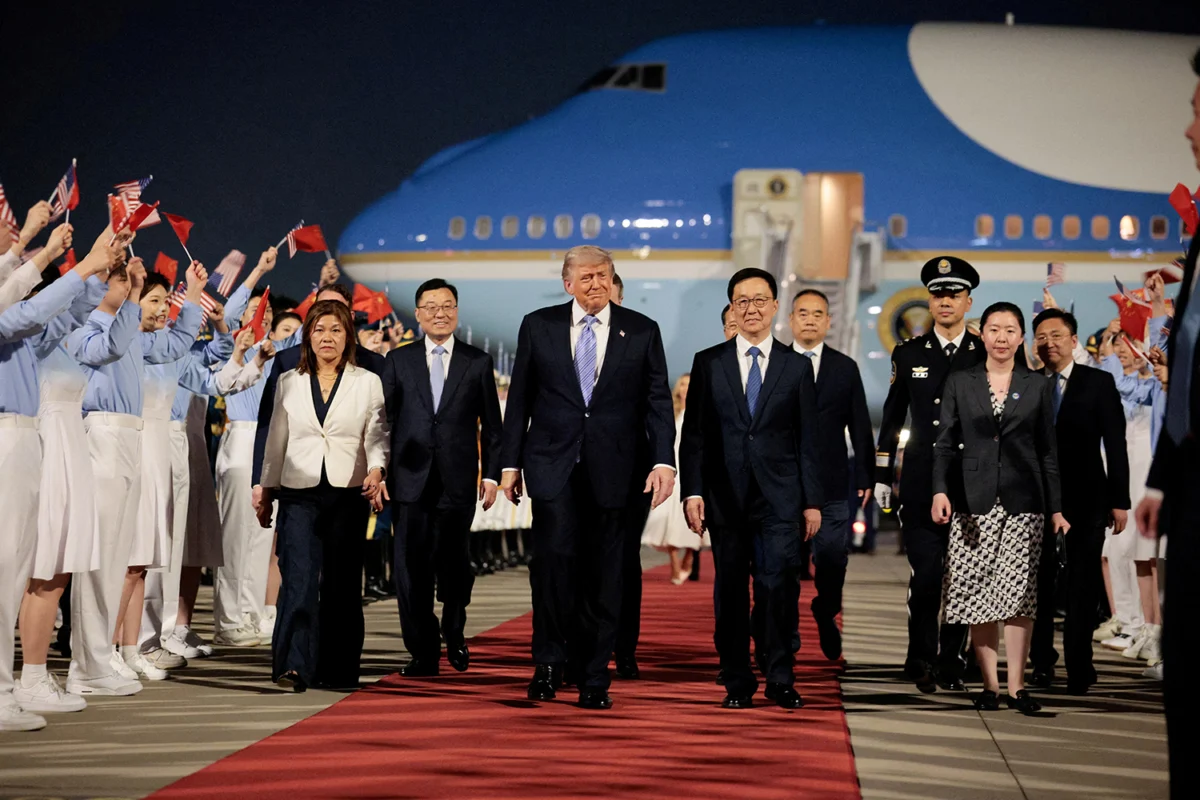
In Washington, the official stance remains that the U.S. is "the indispensable nation." However, recent White House briefings have shifted focus toward "coalition-building" and "partnerships of convenience." This is a tacit admission that the U.S. can no longer act as the world’s sole guarantor of security.
In Moscow, the Kremlin continues to utilize the rhetoric of a "multipolar world order" to justify its own geopolitical limitations. By framing the U.S. as a declining empire, Russia attempts to legitimize its role as a leader of the "non-aligned" block. Yet, in practice, Moscow is increasingly reliant on diplomatic and financial support from Beijing and New Delhi, effectively subordinating its strategic goals to the interests of larger, more stable regional powers.
Diplomats in Europe and the Global South have begun to treat both nations with a "transactional" approach. The days of deference are over; today, a nation like Brazil or India will engage with Washington or Moscow only if the specific policy proposal aligns with their own national interest, effectively treating the former superpowers as equal partners rather than systemic leaders.
Implications: The World of the "New Middle"
What does it mean for the world to move toward a "middle-power" global structure?
1. The End of Universal Security Guarantees
In a world of middle powers, regional security becomes a localized concern. We can expect a proliferation of mini-lateral security pacts, such as the ones currently forming in Southeast Asia and the South Atlantic. Without a superpower to act as the "police officer" of the world, nations will be forced to increase their own defense spending, leading to a more militarized, albeit fragmented, global landscape.
2. Economic Fragmentation
The era of globalized trade managed by superpower institutions (like the IMF or the WTO) is being replaced by regional trading blocs. As the U.S. and Russia become more preoccupied with their own internal constraints, they will have less influence over global trade rules, allowing nations like India, Brazil, and Indonesia to set the agenda in their respective regions.
3. A New Diplomatic Etiquette
The most significant change will be the tone of international relations. The binary "us versus them" narrative will continue to lose its potency. In its place, we will see a "diplomacy of the common denominator"—a focus on climate change, pandemic preparedness, and digital regulation—where the U.S. and Russia will be forced to compete for votes and influence alongside every other nation.
Conclusion: Adapting to the New Reality
We must move past the nostalgia of the 20th century. The idea that a single nation can "fix" the world is a dangerous myth that prevents us from addressing the real, complex challenges of our time.
If the United States and Russia truly belong to the same grouping of middle powers as Canada, Brazil, and India, then the international system is not in a state of chaos—it is in a state of transition. We are moving toward a world where no one has all the answers, and where every nation is responsible for the health of the global order.
The task for the next decade is not to restore the dominance of the past, but to build a system where middle-power cooperation can flourish. If we can accept that the era of superpowers has ended, we might finally start building a more stable, inclusive, and realistic global future. The labels we use matter; it is time to start using the ones that reflect the world as it is, not as we wish it to be.