By Kaarin Moore
Published October 21, 2026
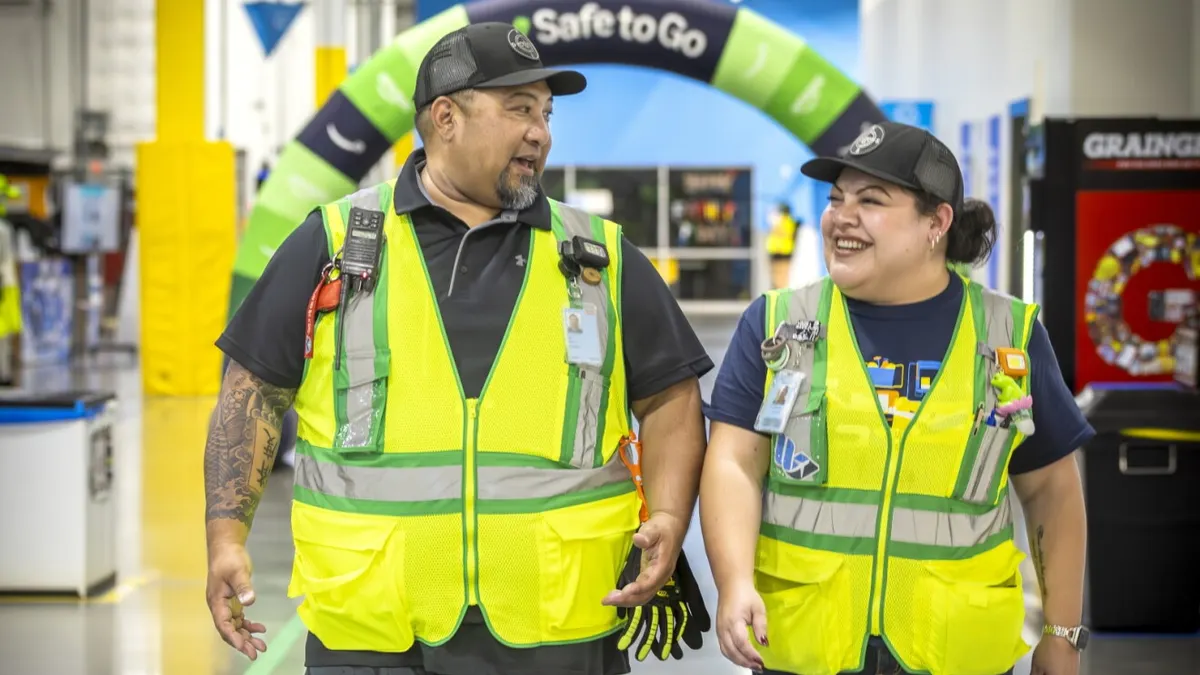
In a move that defies the prevailing trend of caution among major U.S. retailers, Amazon has officially announced a massive surge in its holiday hiring efforts. The e-commerce titan is increasing its seasonal staffing levels by 20% compared to the past three holiday seasons, signaling an aggressive push to secure logistics dominance during the most critical shopping period of the year.
While many competitors are scaling back on seasonal labor or remaining conspicuously silent regarding their workforce expansion plans, Amazon’s decision reflects both its operational scale and a strategic commitment to maintaining its reputation for rapid delivery. However, this expansion comes at a complex time for the tech giant, which is simultaneously navigating internal restructuring, targeted layoffs in its retail division, and a significant shift in its employee benefits philosophy.
Main Facts: The Scope of the Seasonal Surge
Amazon’s decision to boost its seasonal workforce is a significant operational pivot. By expanding its roster by 20% over recent historical averages, the company is ensuring that its fulfillment centers and delivery hubs have the necessary throughput to handle the anticipated surge in online orders between Black Friday and the New Year.
The company, which utilizes seasonal labor year-round to account for varying demand, has structured this latest hiring initiative to be as enticing as possible in a competitive labor market. Beyond the sheer volume of new hires, the company has made a landmark decision regarding compensation and benefits. As of January 1, 2026, seasonal employees working at least 30 hours per week will be granted access to healthcare coverage beginning on their very first day of work—a perk previously reserved exclusively for permanent, full-time staff.
This policy adjustment marks a major departure from industry standards, where seasonal workers are often treated as temporary fixtures with limited access to core corporate benefits. By extending "Day One" healthcare, Amazon is effectively positioning its seasonal roles as a more viable career pathway for workers who may have previously avoided temporary retail work due to the lack of security.
Chronology: A Season of Strategic Shifts
To understand the context of this hiring surge, one must look at the timeline of Amazon’s operational adjustments throughout 2026:
- Early 2026: Amazon focuses on operational efficiency, balancing the integration of AI-driven logistics with a need to streamline its corporate footprint.
- Summer 2026: The company begins testing new benefits packages, including expanded grocery discounts, to boost employee retention in its fulfillment centers.
- September 2026: Amazon announces a significant boost to its minimum hourly wage for eligible operations employees, setting a new baseline of $20 per hour, with average starting pay for these roles rising to approximately $24 per hour.
- Early October 2026: Reports emerge of layoffs within the company’s retail division, impacting hundreds of staff members as the company moves to restructure its physical and online store operations.
- October 21, 2026: Amazon formally announces the 20% increase in seasonal hiring for the upcoming holiday rush, alongside the extension of healthcare benefits to part-time seasonal staff.
Supporting Data: Wages, Perks, and the Cost of Labor
The economics behind Amazon’s hiring strategy are robust. With seasonal employees earning an average of $20 an hour, the company is attempting to outpace the average retail wage in many regions. However, the financial commitment goes beyond the hourly paycheck.
In addition to the healthcare expansion, Amazon has been aggressively layering on lifestyle benefits to increase the "stickiness" of its workforce:
- Grocery Benefits: Employees now receive an uncapped 10% discount on everyday essentials and groceries on Amazon.com and at Whole Foods Market online.
- Whole Foods In-Store Perks: A 20% discount applies to in-store purchases, a benefit aimed at lowering the cost of living for staff.
- Healthcare Coverage: By granting immediate access to healthcare for those working 30+ hours, Amazon is attempting to reduce the churn rate that typically plagues seasonal retail hiring, where training costs are high and employee turnover is rapid.
These investments are designed to ensure that when the "holiday crunch" arrives, the company is not scrambling to fill gaps caused by high attrition.

Official Responses: The Philosophy of "People Experience"
The company’s leadership has framed these changes as an evolution of its commitment to the workforce. J. Ofori Agboka, Vice President of People Experience and Technology at Amazon, underscored the significance of the healthcare update in a recent statement.
"That means anyone who joins us in these qualifying seasonal roles now or in the future will have access to healthcare—whether they join us for the holidays or at another point in the year," Agboka noted.
By removing the waiting period for health benefits, Amazon is attempting to rebrand the "seasonal worker" identity. Rather than viewing these roles as short-term, low-benefit stopgaps, the company is marketing them as accessible entry points into the broader Amazon ecosystem, which offers internal mobility and long-term career growth.
Implications: The Dual-Track Reality
The duality of Amazon’s current strategy—hiring aggressively in operations while simultaneously trimming its corporate and retail store staff—presents a complex image of the company’s health.
The Retail Restructuring
Earlier this month, Amazon confirmed layoffs affecting hundreds of employees in its retail division. While the company declined to detail specific roles, it noted that the layoffs are part of a broader "restructuring of its stores business." This suggests that even as the company pours money into the logistics backbone that powers its holiday sales, it is ruthlessly cutting costs in divisions where profitability is not meeting its stringent internal targets.

The AI Factor
The layoffs are not happening in a vacuum. A year ago, Amazon shed 14,000 corporate roles, citing a need to "stay nimble" and leverage AI to streamline operations. The current expansion in seasonal hiring is effectively the physical manifestation of this strategy: use technology to automate the corporate back-office, and use a high-quality, incentivized human workforce to handle the increasingly complex, high-velocity demands of last-mile delivery and fulfillment.
Industry Impact
Amazon’s move places immense pressure on other major retailers. If Amazon is offering $24 an average starting wage and immediate healthcare, smaller retailers—already struggling with thin margins and the high cost of debt—may find themselves unable to compete for talent. This could lead to a "hiring desert" for mid-sized retail chains, which may be forced to rely on automation or reduced operating hours during the holiday season.
Future Outlook
As we approach the end of 2026, the retail sector is watching closely to see if Amazon’s bet pays off. If the company successfully manages this 20% increase in staff without the typical administrative bloat, it will likely set a new benchmark for the industry.
However, the juxtaposition of "Day One" healthcare for seasonal workers and the recent layoffs in the retail division highlights a growing divide in the modern corporate workforce. For the thousands of warehouse associates, the upcoming holiday season may offer a more stable, benefits-rich experience than ever before. For the corporate and retail office staff, the focus remains on the looming shadow of structural reorganization.
Amazon is effectively attempting to build a high-velocity, high-retention labor force that is as scalable as its cloud computing services. Whether this human-centric investment will yield the necessary return on investment in a volatile economy remains the defining question for the 2026 holiday shopping season. For now, the company has made its stance clear: to win the holiday, you must first win the labor market.