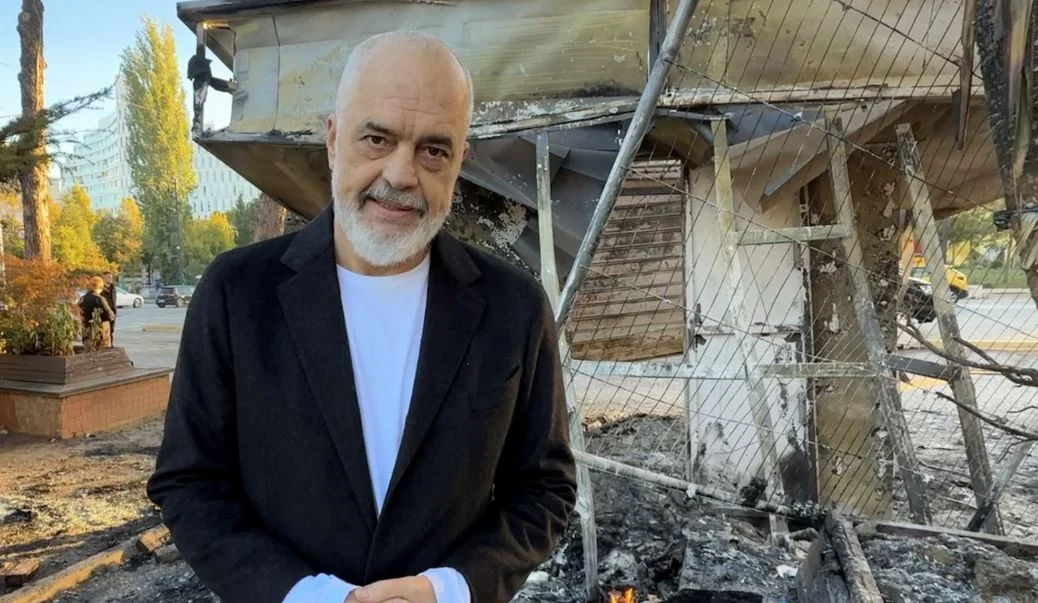
Tirana, Albania – October 27, 2026 – Prime Minister Edi Rama has sharply criticized the opposition and unnamed foreign entities, accusing them of orchestrating and escalating the recent violent student protests gripping the Albanian capital. Speaking from the charred remains of a kiosk in Tirana, Rama asserted that these disruptive actions are a calculated attempt to derail Albania’s progress towards European Union membership.
The Prime Minister sought to distance genuine student grievances from the acts of vandalism and violence that have marred recent demonstrations. He alleged that political adversaries are exploiting the frustrations of the youth for their own political agendas. "All of this is not a student flag," Rama declared. "All of this hijacking of the city with masks has nothing to do with the troubles, with the problems, with the legitimate aspirations of anyone who desires a better life."
A Pattern of Destabilization: Rama’s Accusations
Rama maintained that the unrest is driven by the same political forces he claims have previously instigated violence and instability in the country. "This is the same hand, the same old hand, the malevolent hand," he stated, referencing his political opponents. "This is the hand that has gripped the Albanian opposition by the throat and has burned and destroyed Albania not once, and is ready to burn and destroy it again to prevent it from moving forward."
The Prime Minister extended his accusations to include unspecified foreign actors, without providing concrete evidence during his address. He characterized these external influences as "backwards hands, old hands, evil hands… today supported by other hands, foreign hands, foreign hands that do not want a peaceful Albania." According to Rama, these foreign players are motivated by a desire to obstruct Albania’s European integration process. He questioned the timing of the unrest, noting that it coincides with significant steps towards EU accession. "Does it seem coincidental that just as Albania receives another green light, just as Albania closes another chapter, just as Albania moves closer to that ambition, to that historic objective, the flames erupt here? It is not coincidental at all!" Rama exclaimed.
The Involvement of Minors: A Cause for Concern
Furthermore, Rama raised concerns about the alleged involvement of minors in the clashes with law enforcement. He accused the organizers of the violence of exposing these young individuals to danger. "How can minors be incited, be made to wear masks, to uproot pavements that are laid and maintained daily with your taxes, and to provoke the police?" he questioned.
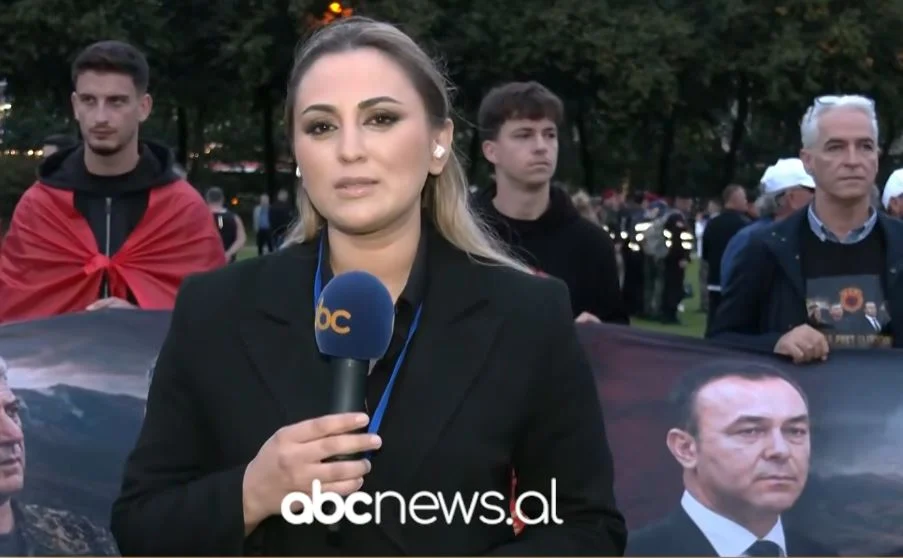
Rama’s statements come in the wake of several days of widespread student and citizen protests in the capital. These demonstrations have been punctuated by violent confrontations, damage to public institutions and private businesses, and the use of tear gas and water cannons by the police. Protesters are demanding improvements in educational conditions and the resignation of the government. They have also voiced concerns regarding the alleged disproportionate use of force by the police.
Chronology of Escalation
The recent surge in protests can be traced back to growing dissatisfaction within the student body regarding the state of higher education. Initially, the demonstrations were characterized by peaceful gatherings and demands for dialogue with the government. However, the situation began to escalate on [Insert Date of Initial Significant Escalation, e.g., October 23, 2026], when a planned march towards government buildings turned confrontational.
[Insert Date, e.g., October 24, 2026]: Reports emerged of a small group of protesters, some of whom were masked, engaging in vandalism. Objects were thrown at police lines, and several public trash bins and small kiosks were set ablaze. Law enforcement responded with tear gas and water cannons to disperse the crowds.
[Insert Date, e.g., October 25, 2026]: The protests continued, with a larger number of participants. While many remained peaceful, isolated incidents of violence and property damage persisted. The Prime Minister’s office released a statement condemning the violence and vowing to maintain order.
[Insert Date, e.g., October 26, 2026]: The situation reached a critical point. Major thoroughfares in Tirana were blocked, and significant damage was inflicted upon several public facilities, including the facade of the Ministry of Education and a public library. The visual impact of this destruction, particularly the burning kiosk from which Prime Minister Rama addressed the nation, underscored the severity of the situation.
[Insert Date, e.g., October 27, 2026]: Prime Minister Rama delivered his televised address, directly blaming the opposition and foreign actors for the escalating violence, attempting to shift the narrative away from the students’ core demands.
Supporting Data and Grievances
While Prime Minister Rama focuses on external forces, the root causes of the student discontent are multifaceted. Data from recent years indicates a decline in per capita spending on higher education in Albania compared to regional averages. Furthermore, student surveys have consistently highlighted issues such as overcrowded lecture halls, outdated curricula, a shortage of qualified academic staff, and limited research funding.
Specific demands articulated by student representatives include:
- Increased funding for universities: A call for a significant rise in the national budget allocated to higher education to improve infrastructure, resources, and faculty salaries.
- Curriculum reform: A push for modernizing academic programs to align with current industry needs and international standards.
- Improved living and learning conditions: Demands for better dormitory facilities, access to technology, and enhanced student support services.
- Government accountability: A call for greater transparency and dialogue between the Ministry of Education and student bodies.
The presence of minors in the protests, as raised by the Prime Minister, is a complex issue. While some argue that young people are naturally passionate and drawn to activism, others express concern about their potential manipulation by more radical elements or their exposure to dangerous situations. Independent observer reports have noted a mixed demographic in the protests, with both university students and younger individuals participating.
Official Responses and Reactions
The Albanian government, under Prime Minister Rama’s leadership, has consistently condemned the violence while emphasizing its commitment to democratic reforms and European integration. The Ministry of Interior has defended the actions of the police, stating that they were necessary to restore order and protect public property. However, human rights organizations have raised concerns about the use of force, calling for independent investigations into any alleged abuses.
The opposition parties have largely distanced themselves from the violent elements within the protests, while still voicing solidarity with the students’ legitimate grievances. They have accused the government of failing to address the underlying issues and of attempting to delegitimize the protest movement through inflammatory rhetoric.
International reactions have been cautious, with the European Union reiterating its support for Albania’s reform agenda and urging all parties to engage in constructive dialogue. The EU has consistently highlighted the importance of peaceful protest and respect for the rule of law.
Implications for Albania’s Future
Prime Minister Rama’s strong accusations against the opposition and foreign actors carry significant implications for Albania’s political landscape and its aspirations for EU membership.
Political Polarization: By framing the protests as an external attack orchestrated by adversaries, Rama risks further polarizing the political environment and hindering any potential for bipartisan cooperation on critical national issues. This rhetoric could also fuel nationalist sentiments and distrust towards international partners.
EU Integration Trajectory: The EU has repeatedly stressed the importance of democratic stability, rule of law, and a functioning civil society for Albania’s accession process. Escalating protests, coupled with accusations of foreign interference, could raise concerns among EU member states and potentially slow down the negotiation process. The EU’s emphasis on addressing the root causes of discontent, rather than solely focusing on the symptoms of unrest, will be crucial.
Student Movement and Public Trust: The Prime Minister’s attempt to delegitimize the student movement by attributing their actions to external manipulation could erode public trust in the government’s narrative. It also risks alienating a significant segment of the youth population, potentially leading to further disillusionment and disengagement from democratic processes.
Economic Impact: Prolonged periods of unrest and political instability can deter foreign investment and negatively impact the Albanian economy. The damage to public and private property, as well as the disruption of daily life, has tangible economic consequences.
In conclusion, the recent student protests in Tirana have exposed deep-seated societal grievances and have become a focal point of political contention. Prime Minister Rama’s pronouncements signal a determined effort to control the narrative and assign blame, but the long-term consequences of this approach for Albania’s democratic development and its path towards European integration remain to be seen. A sustained commitment to addressing the legitimate concerns of the student population, fostering open dialogue, and upholding the principles of democracy and rule of law will be paramount in navigating this challenging period.