In the modern digital landscape, having a polished website, high-quality long-form content, and a seamless user experience is no longer the finish line—it is merely the entry fee. You may have the most technically sound, visually stunning domain on the internet, yet still find yourself virtually invisible to the sophisticated algorithms powering Google and emerging AI-driven search engines like ChatGPT and Perplexity.
Why? Because search engines and Large Language Models (LLMs) have shifted from a link-based paradigm to an entity-based one. They no longer look at your website in a vacuum; they act like detectives, scouring the broader web to see what credible third parties say about you. They are searching for social proof, industry authority, and, ultimately, verification of your brand’s identity.
In this guide, we will dissect why brand mentions—both linked and unlinked—have become the most potent currency for digital growth, how they fuel AI search visibility, and the actionable strategies you can implement to ensure your brand is the one being recommended.
What Are Brand Mentions?
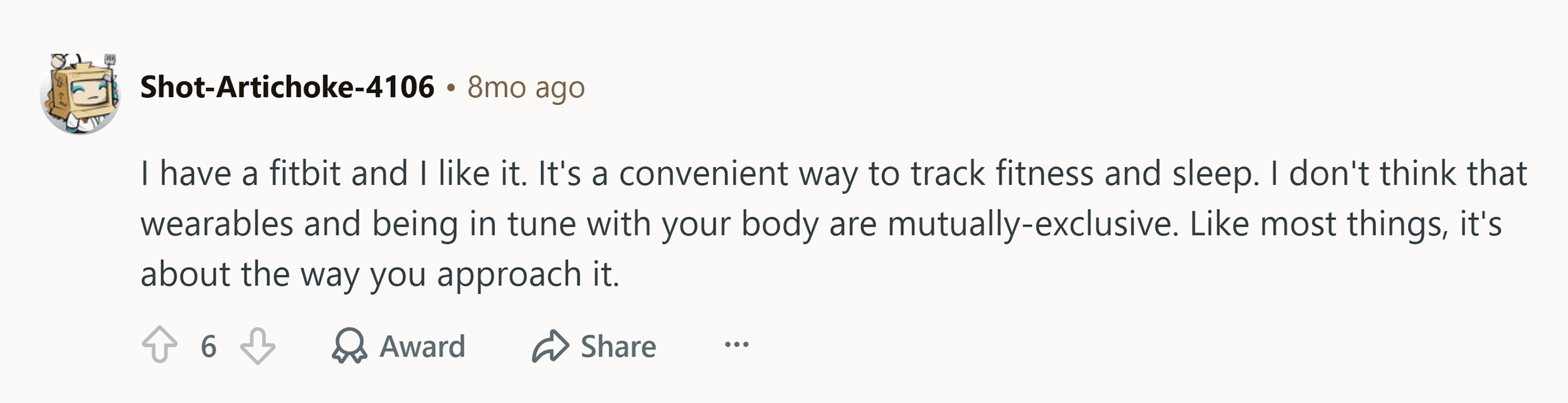
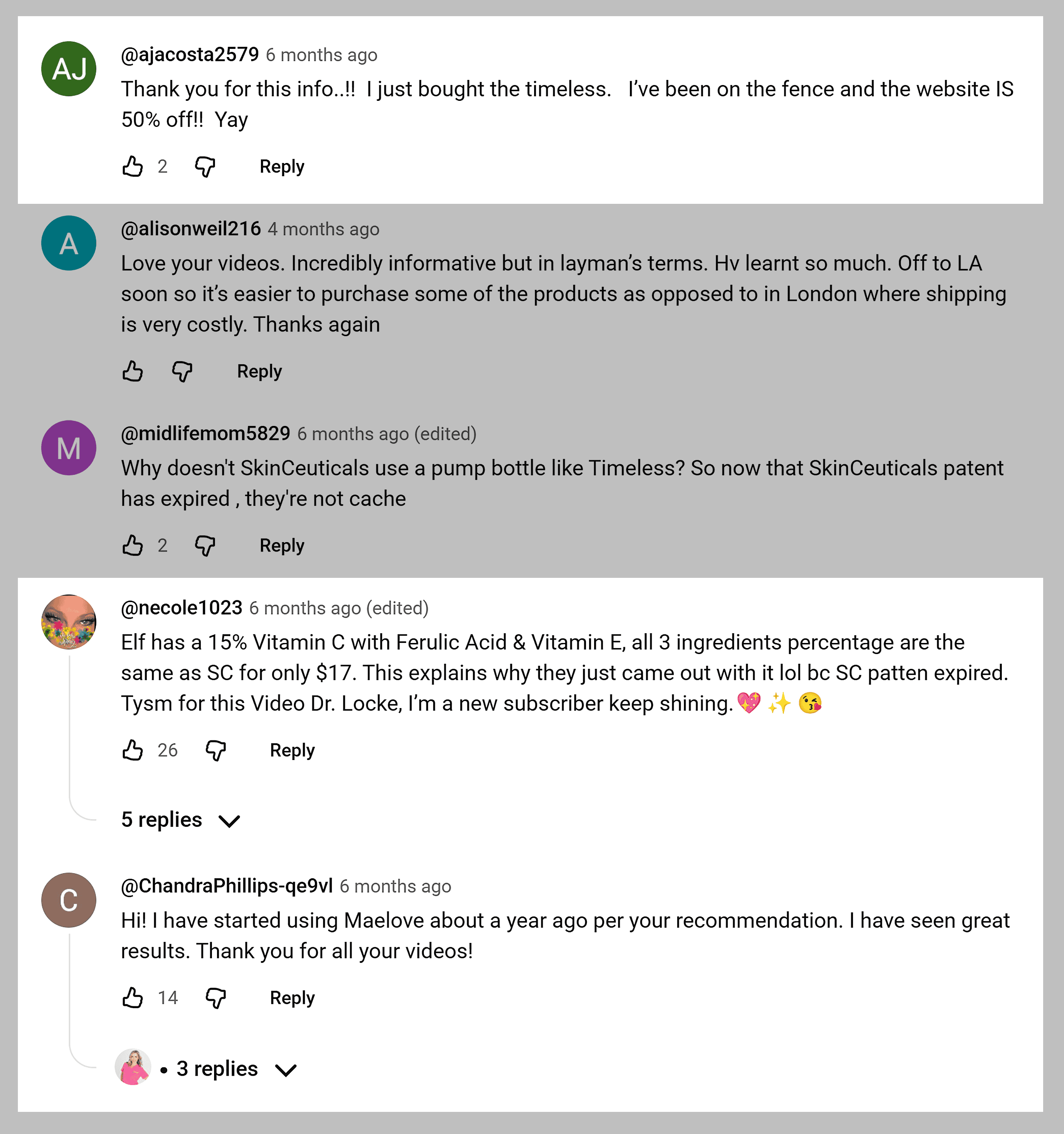
At its core, a brand mention is any reference to your company, product, or key personnel by a third party. These occur across a vast digital ecosystem: editorial articles, niche community forums, YouTube video scripts, industry podcasts, and social media commentary.
Broadly, these references fall into two categories:
- Linked Mentions: The gold standard of traditional SEO. These include a clickable hyperlink directing traffic to your site. They pass "link equity" or authority, directly influencing your ranking potential while driving referral traffic.
- Unlinked Mentions: The quiet powerhouses of modern SEO. These are references to your brand name without a direct link. While they don’t provide a direct "click-through" path, they are essential for building brand sentiment and entity context.
The Strategic Difference: While linked mentions are vital for traffic and authority, unlinked mentions are increasingly critical for AI. LLMs ingest vast amounts of text data; when they see your brand name associated with specific topics, features, or industries across hundreds of disparate sites, they build a mental map of your brand’s "expertise."

Web Mentions vs. LLM Mentions
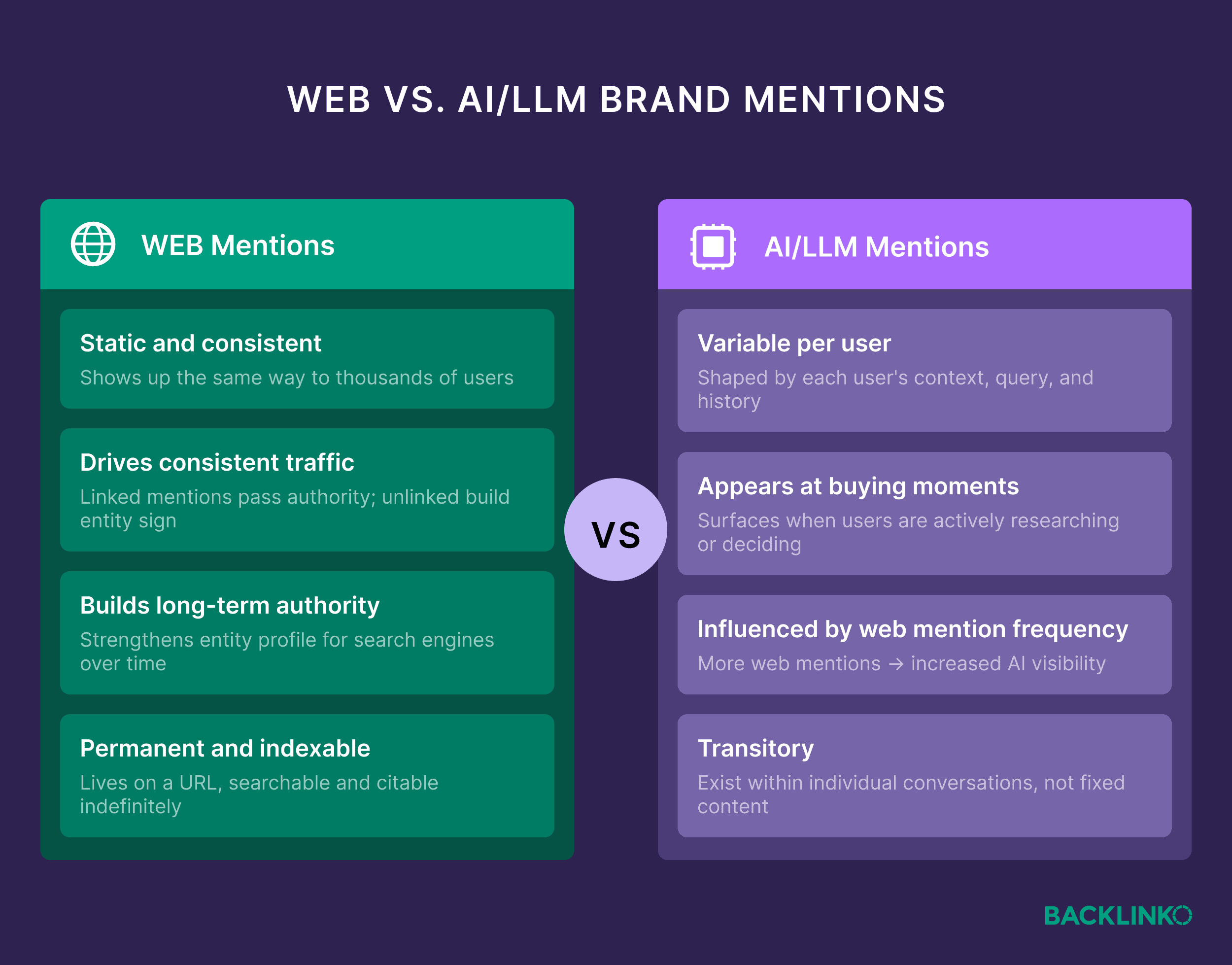
It is a common misconception that web-based SEO and AI-based visibility are the same. They are not.
Web mentions are static. An article written in 2024 remains on that page, visible to anyone who visits. It acts as a permanent ledger of your brand’s presence.
LLM mentions, however, are dynamic and personalized. When a user asks an AI tool for a recommendation, the answer is generated in real-time based on the model’s training data and current search context. Crucially, these mentions are fleeting—they exist only for that specific user in that specific session.
The goal for any modern marketing team is to use web mentions as the fuel to drive LLM mentions. By consistently appearing in relevant, high-trust digital spaces, you ensure that when an AI system is asked, "What is the best [product category]?" your brand is top-of-mind for the algorithm.
Why Brand Mentions Matter Now More Than Ever
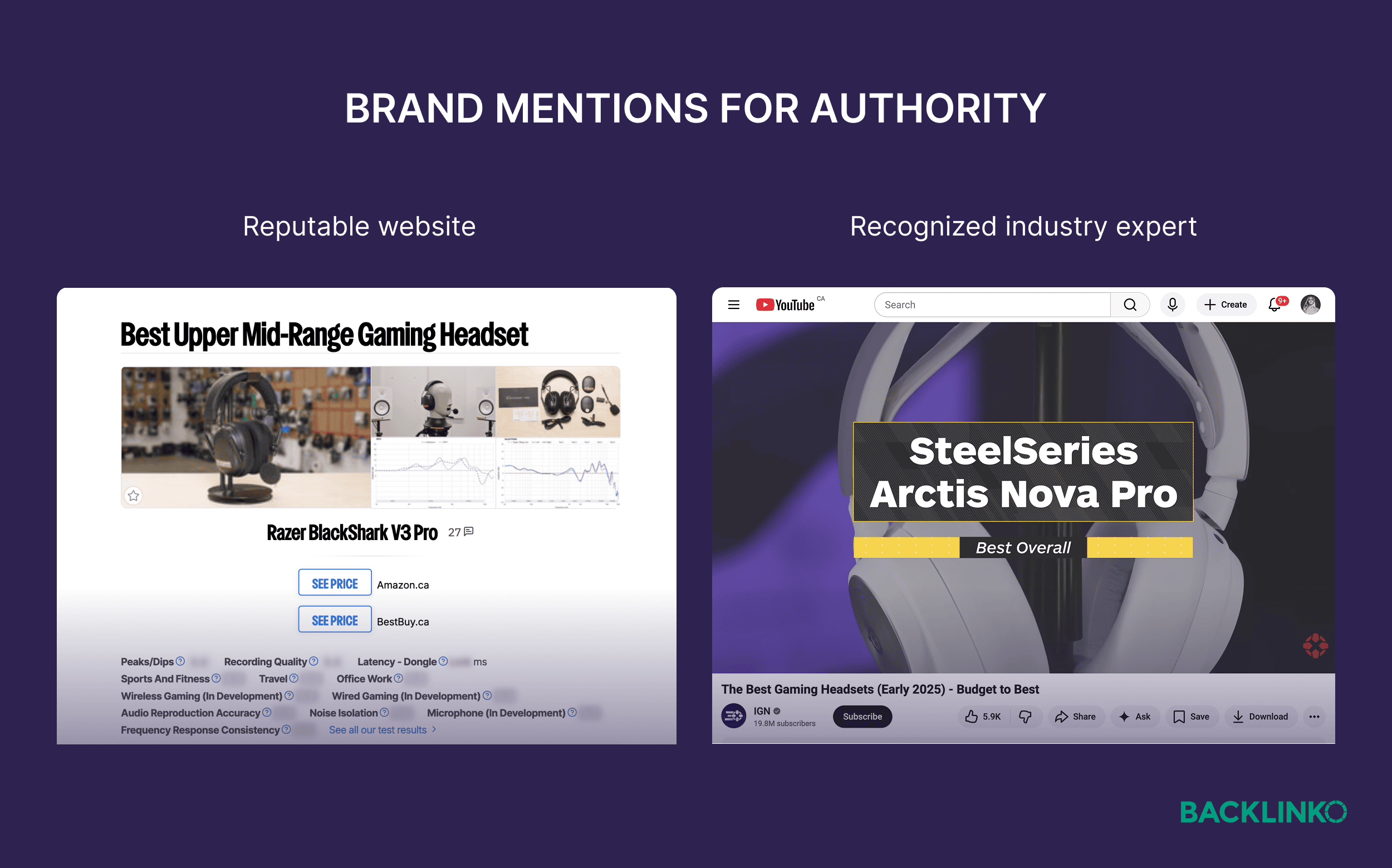
They Signal Authority to Search Engines
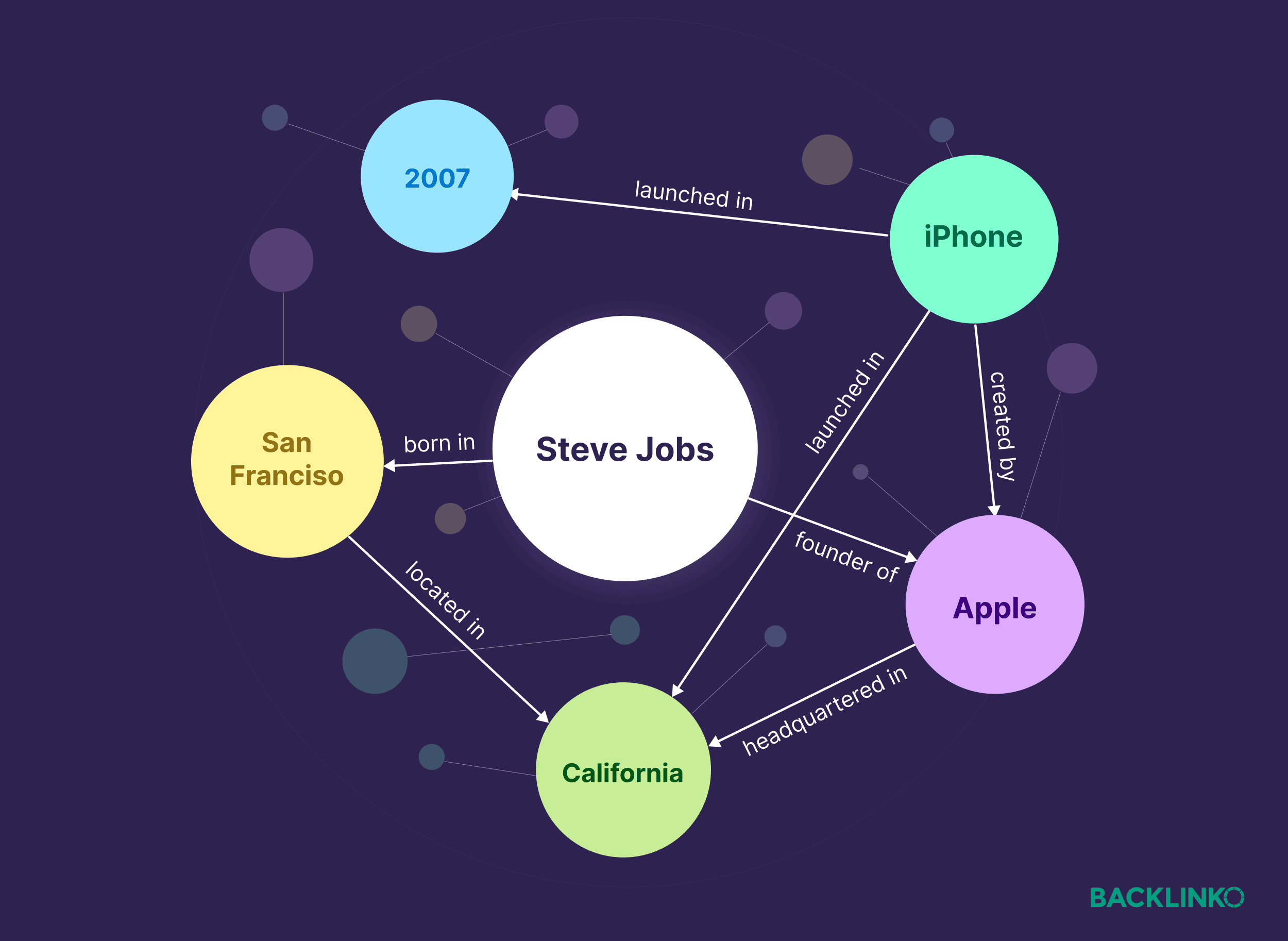
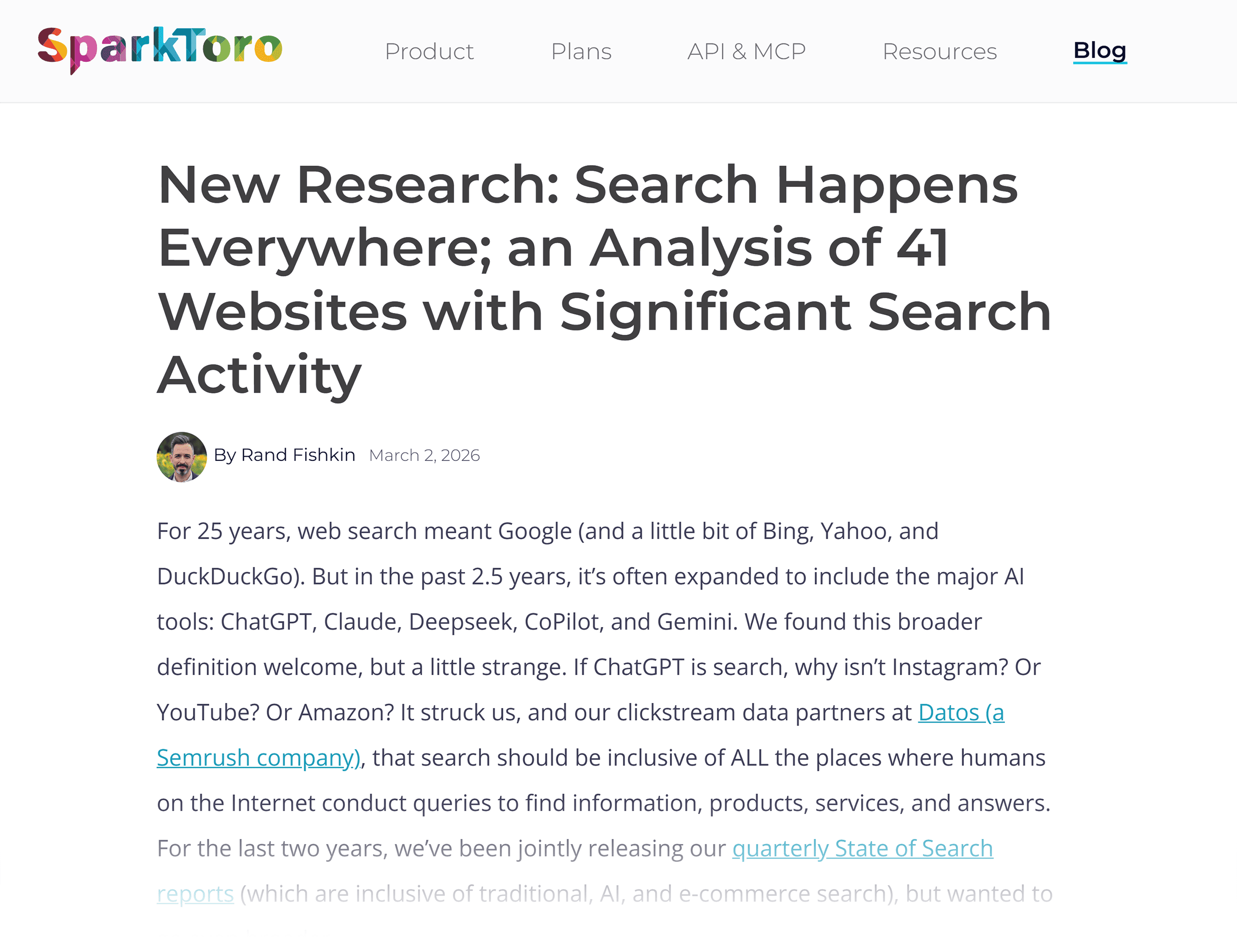
Google’s Knowledge Graph is a sophisticated database that maps the relationships between people, places, and organizations. Brand mentions are the primary data points used to refine this graph. If a trusted source describes your brand as a "leader in sustainable fashion," Google’s algorithm updates your entity profile to reflect that. The more consistent these signals are across the web, the more "truth" the search engine assigns to your status.
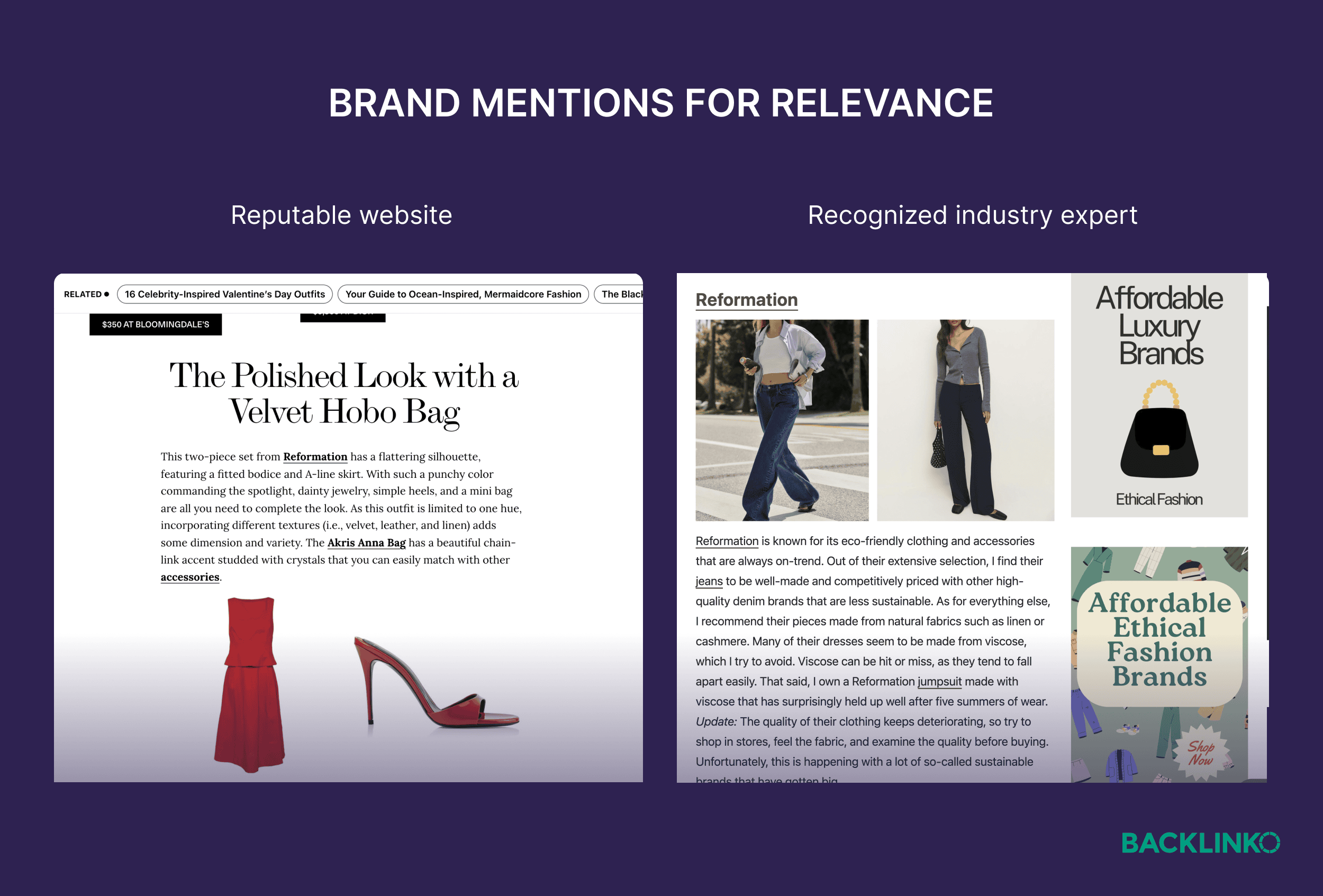
They Expand Visibility to New Audiences
Brand mentions allow you to tap into "borrowed" audiences. When an influential YouTuber or a respected industry blogger mentions your brand, you are no longer limited to your own subscriber list or email database. You are introduced to a community that already trusts that creator, providing a warm, high-intent introduction to potential customers who were not actively searching for you.
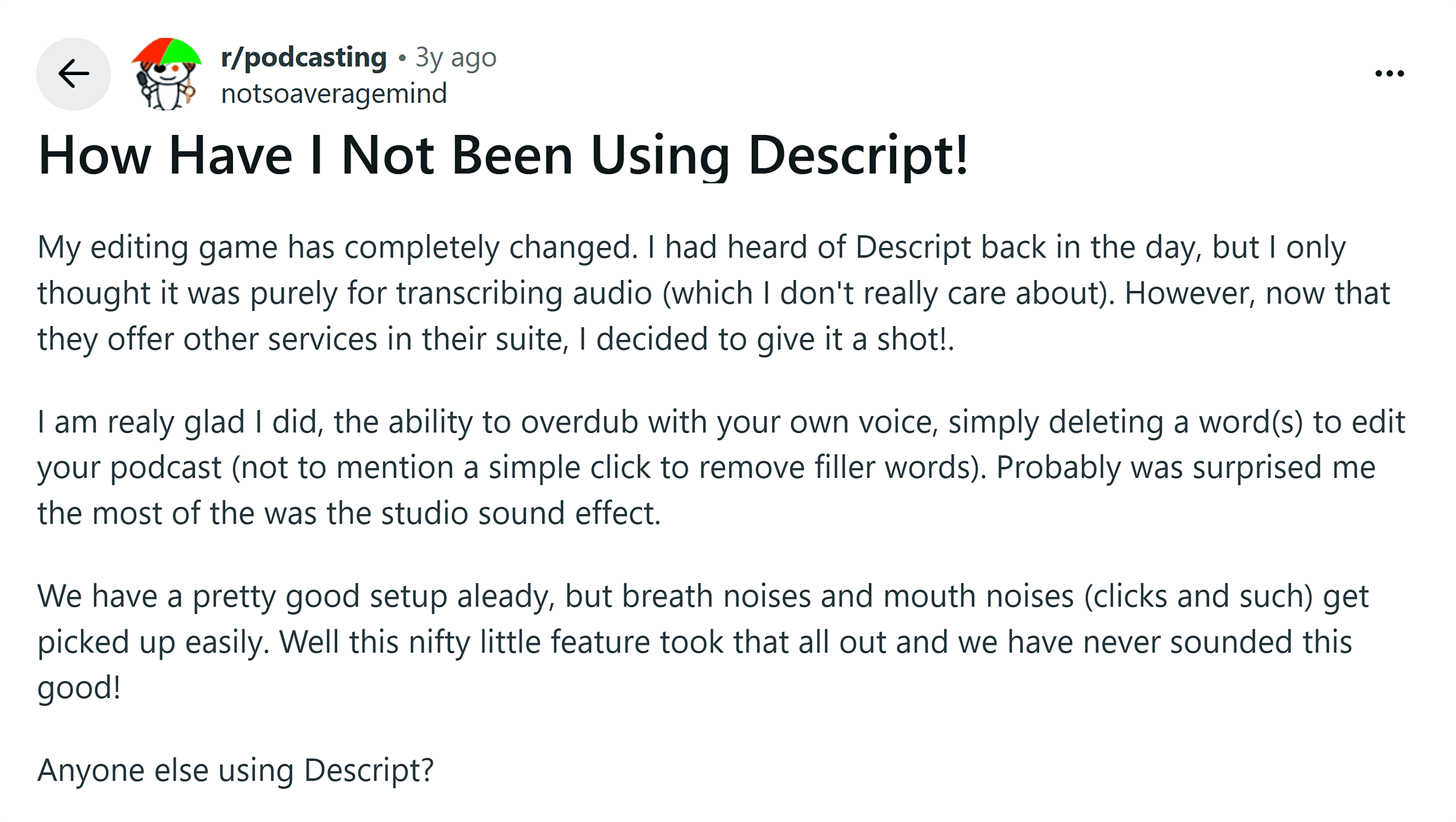
They Shape AI’s "Internal Knowledge"
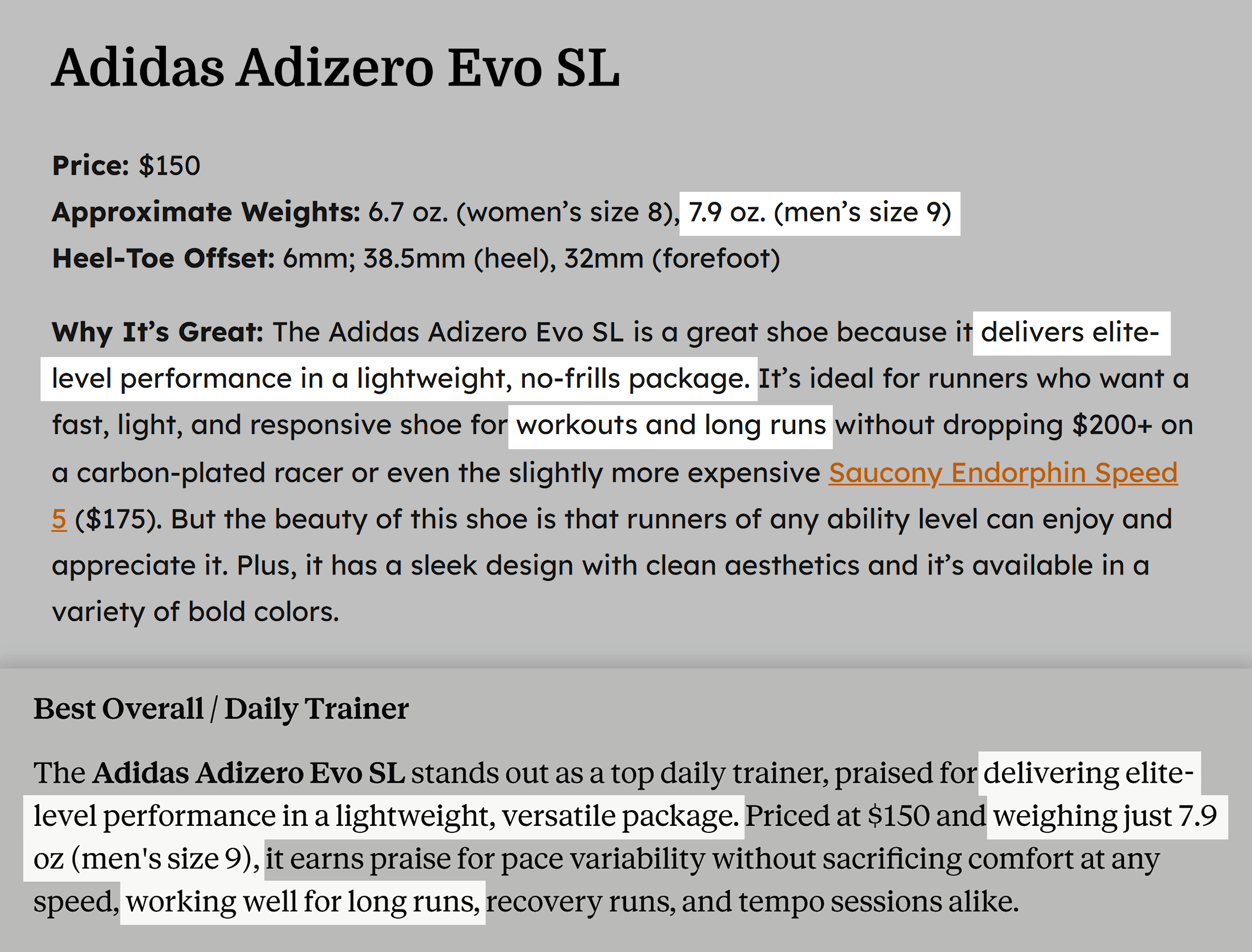
When an LLM summarizes a product, it isn’t guessing—it’s synthesizing existing text. If your brand is consistently described in articles as offering "elite performance in a lightweight package," the AI will adopt that exact framing when speaking to users. By managing your brand mentions, you are essentially writing the script that AI will use to sell your product.
The Anatomy of a High-Quality Brand Mention
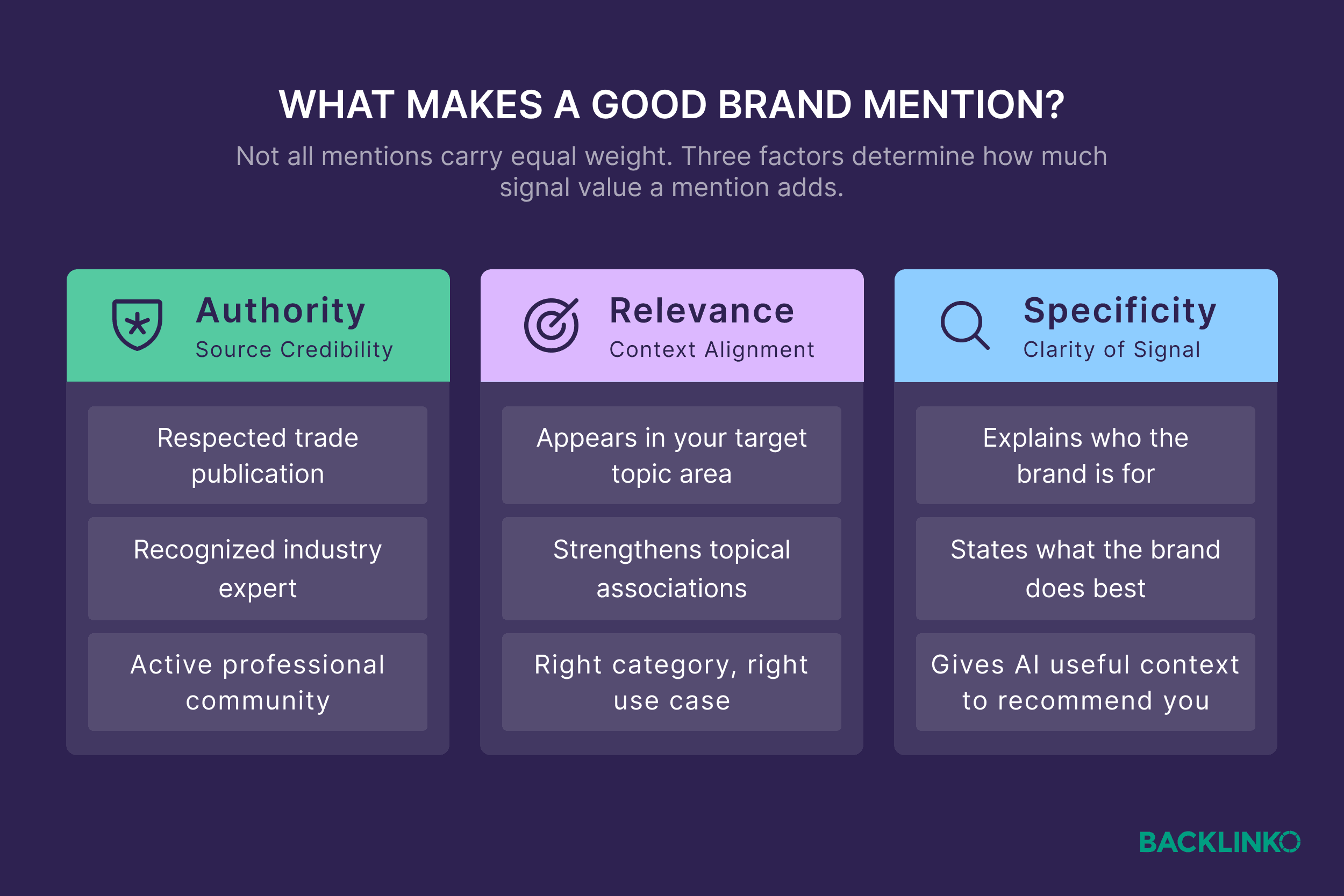
Not all mentions are created equal. Search engines and AI systems use three filters to determine the value of a mention:
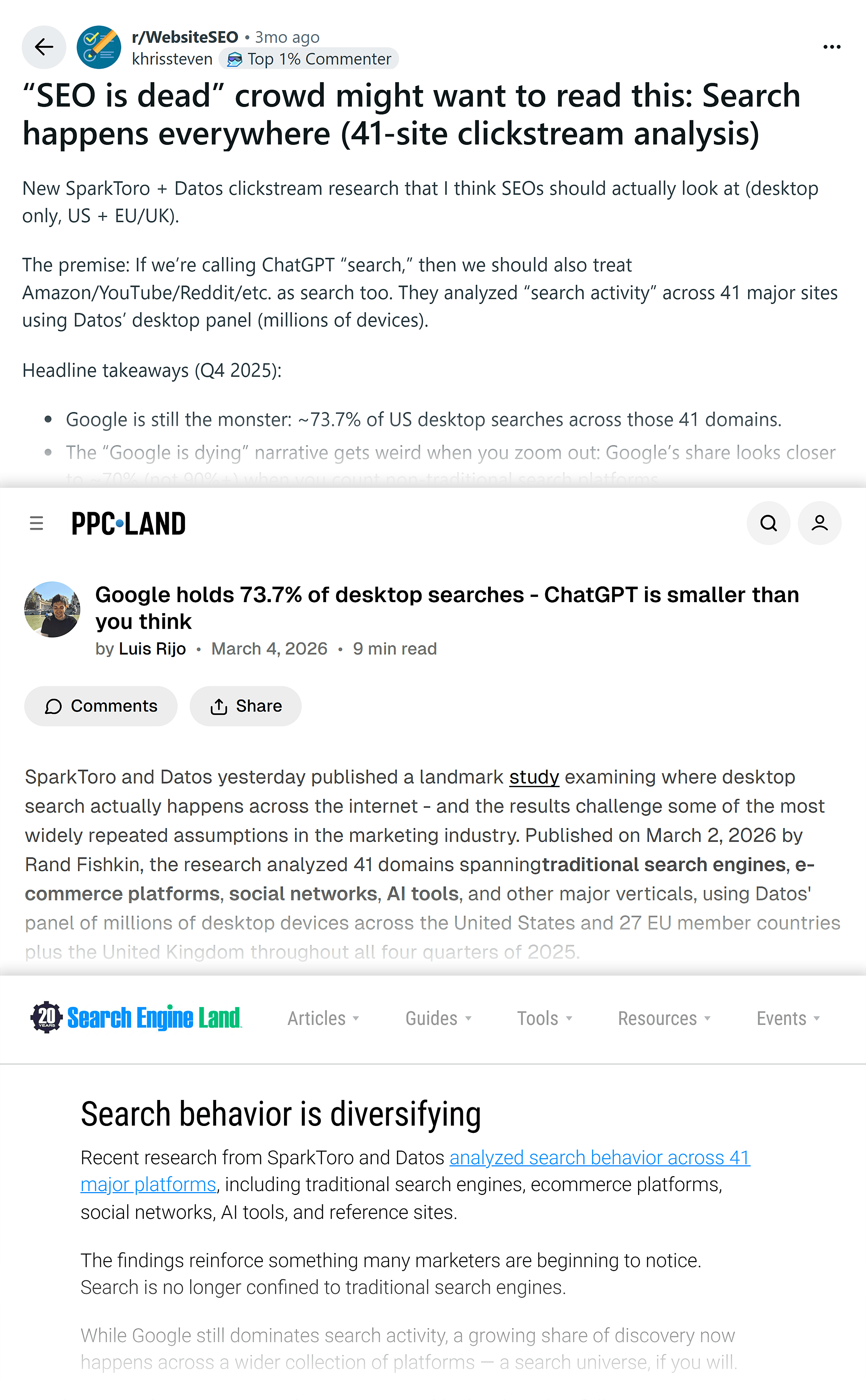
- Authority: A mention from a domain with a high domain rating (DR) or established industry trust carries significantly more weight than a mention on a low-traffic, spammy blog.
- Relevance: If you are a software company, a mention on a tech-focused publication is exponentially more valuable than a mention on a cooking blog. Contextual relevance builds "topical authority."
- Specificity: The best mentions are descriptive. A generic "Brand X is good" is fine, but "Brand X’s intuitive UI makes it ideal for remote teams" is gold. Specificity provides the "hooks" that algorithms use to categorize your product.
4 Tactics to Earn Valuable Brand Mentions
1. Create Data-Driven, Citable Content
Original research is the single most effective way to earn passive, high-authority brand mentions. If you produce data that nobody else has—such as an industry benchmark report or a survey of 2,000 professionals—journalists, bloggers, and academics have no choice but to cite you.
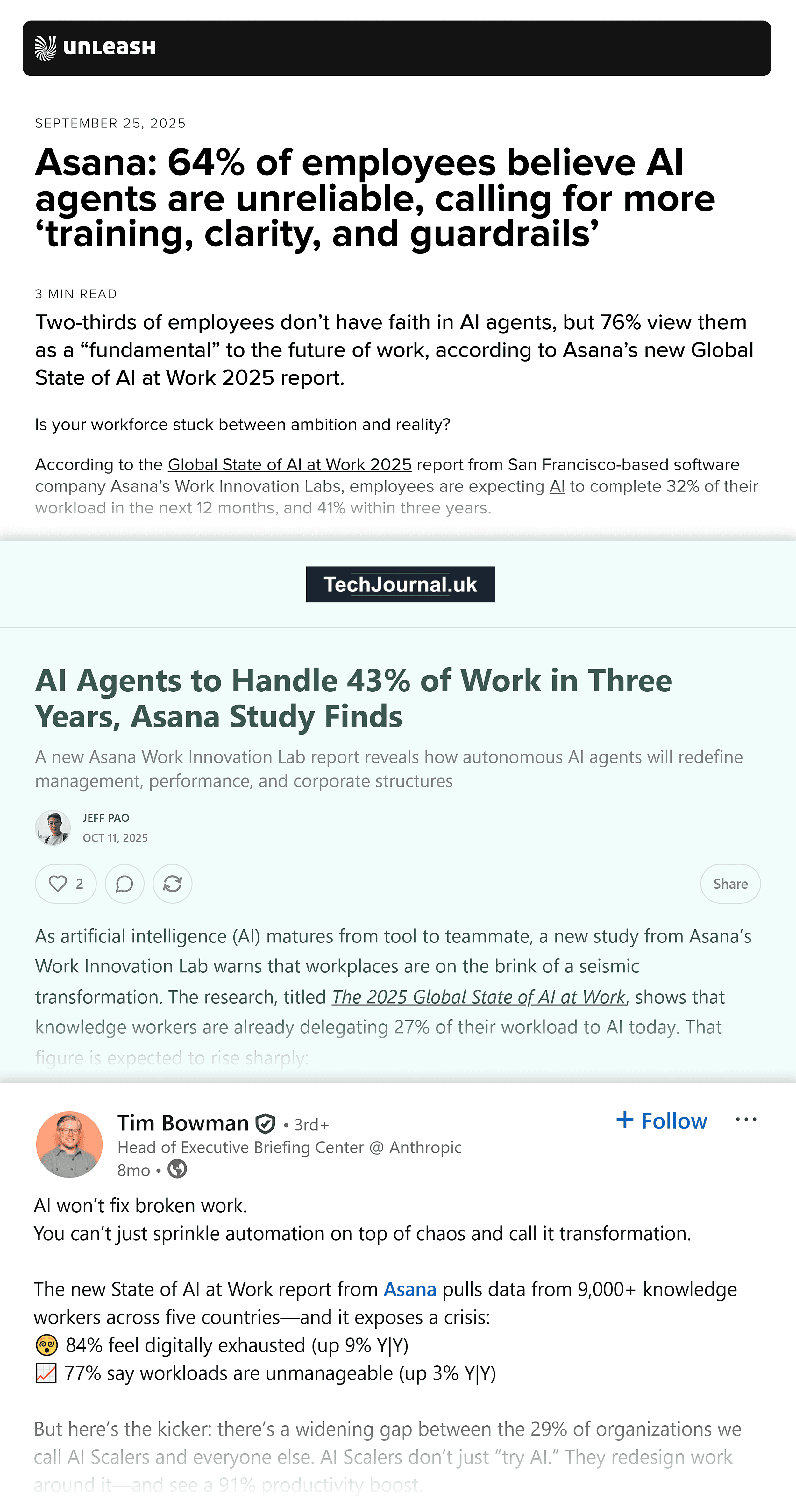
- How to execute: Identify a "knowledge gap" in your industry. What are people debating, but nobody is measuring? Run a survey, analyze a dataset, or interview industry leaders. Package this data into a visually appealing, easily shareable format.
2. Partner with Complementary Brands
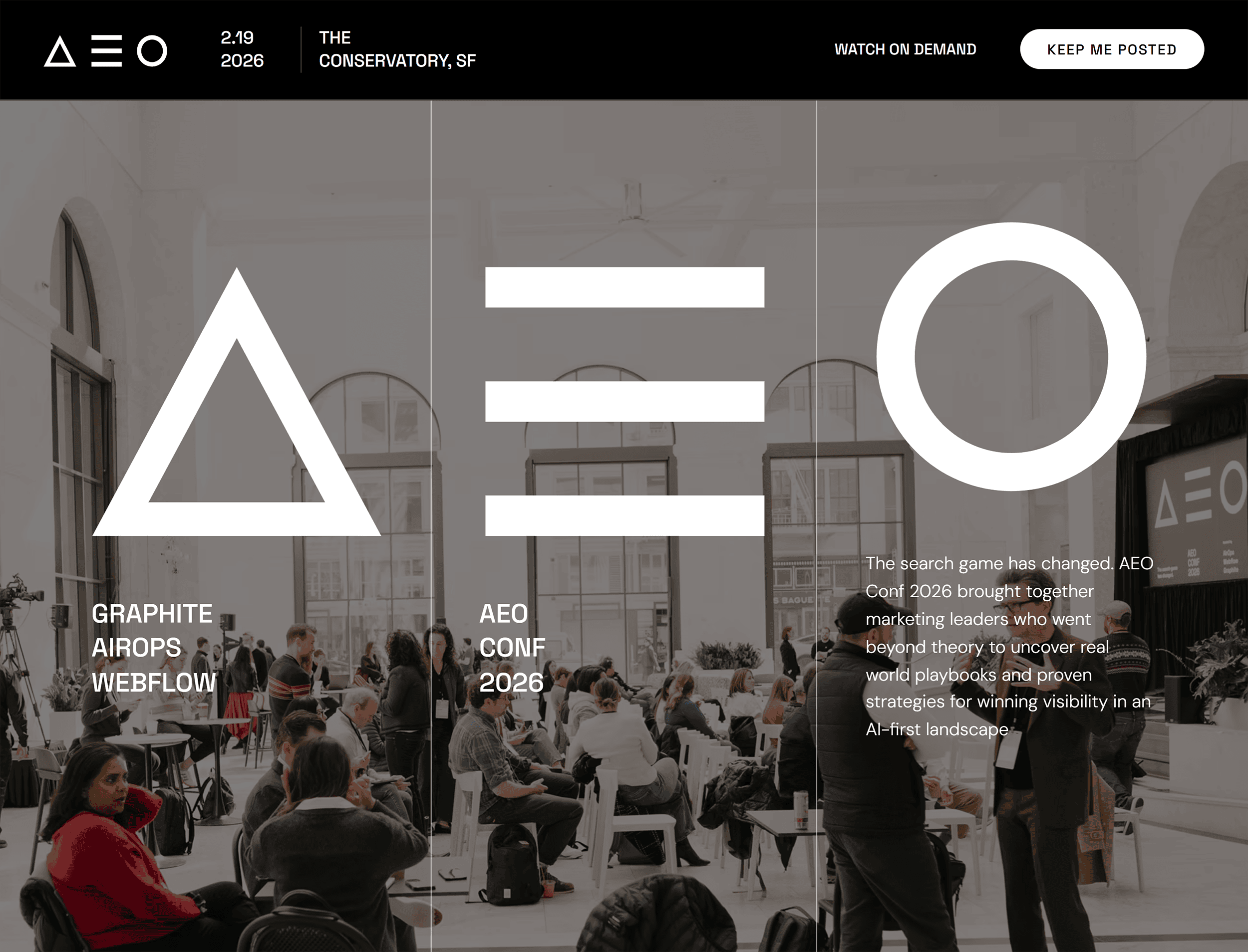
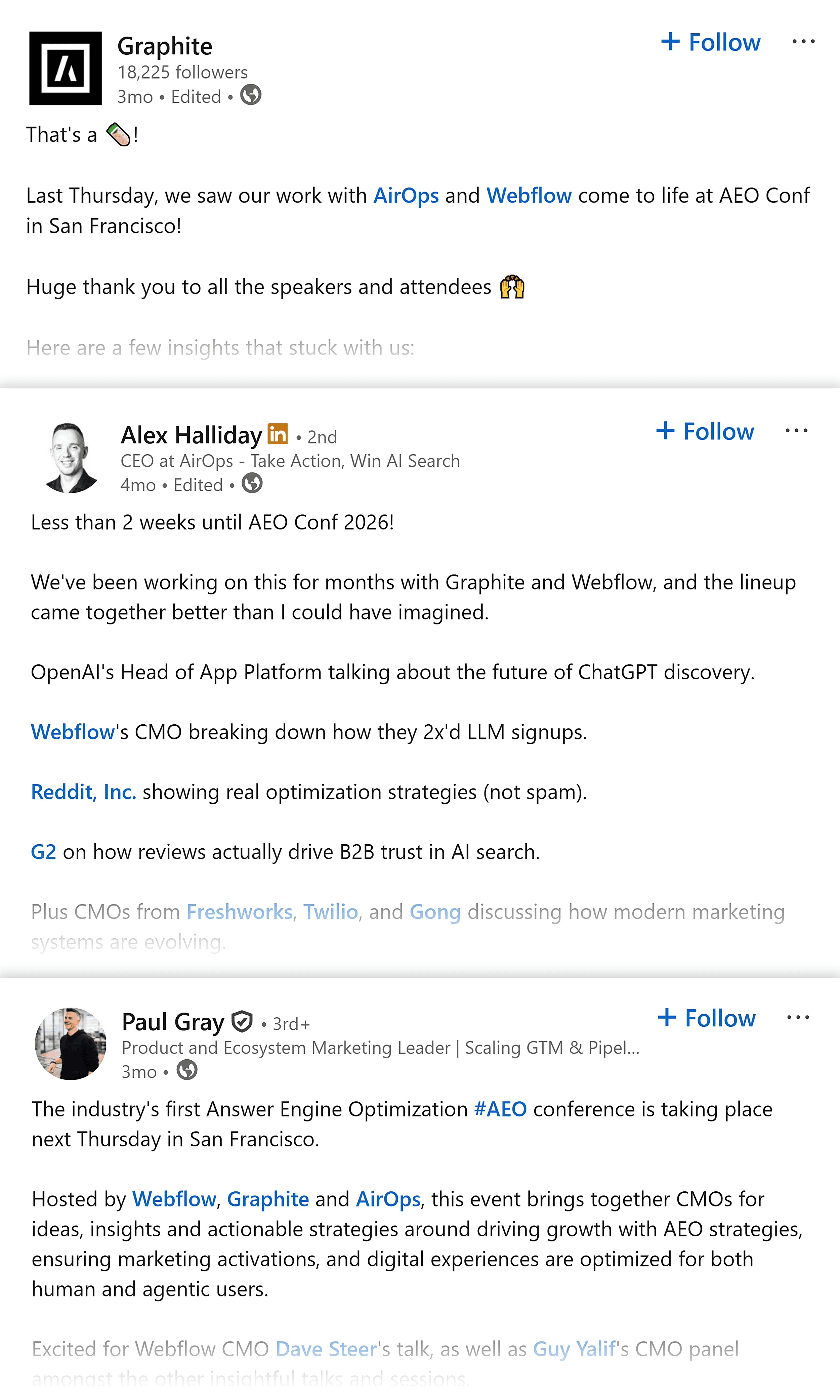
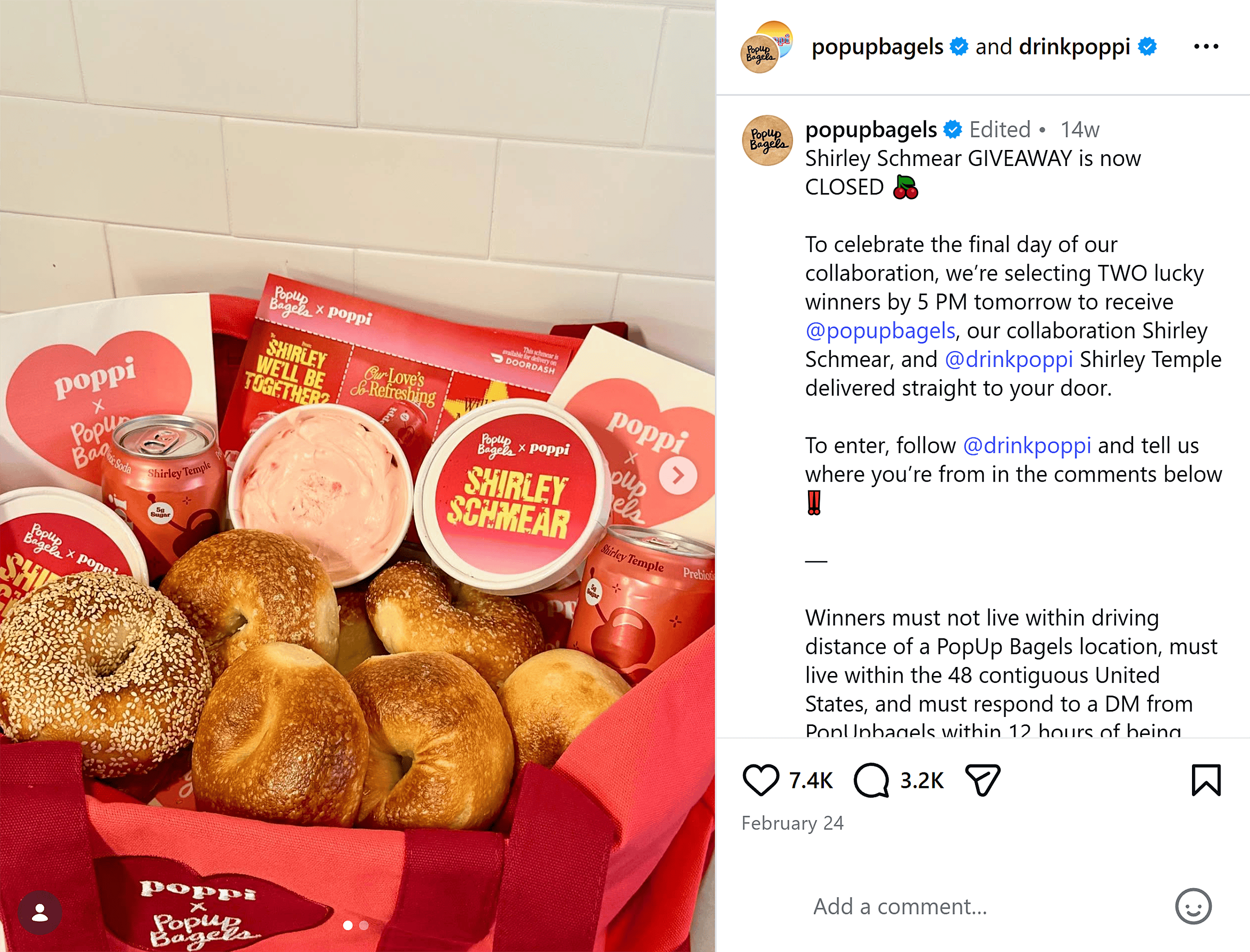
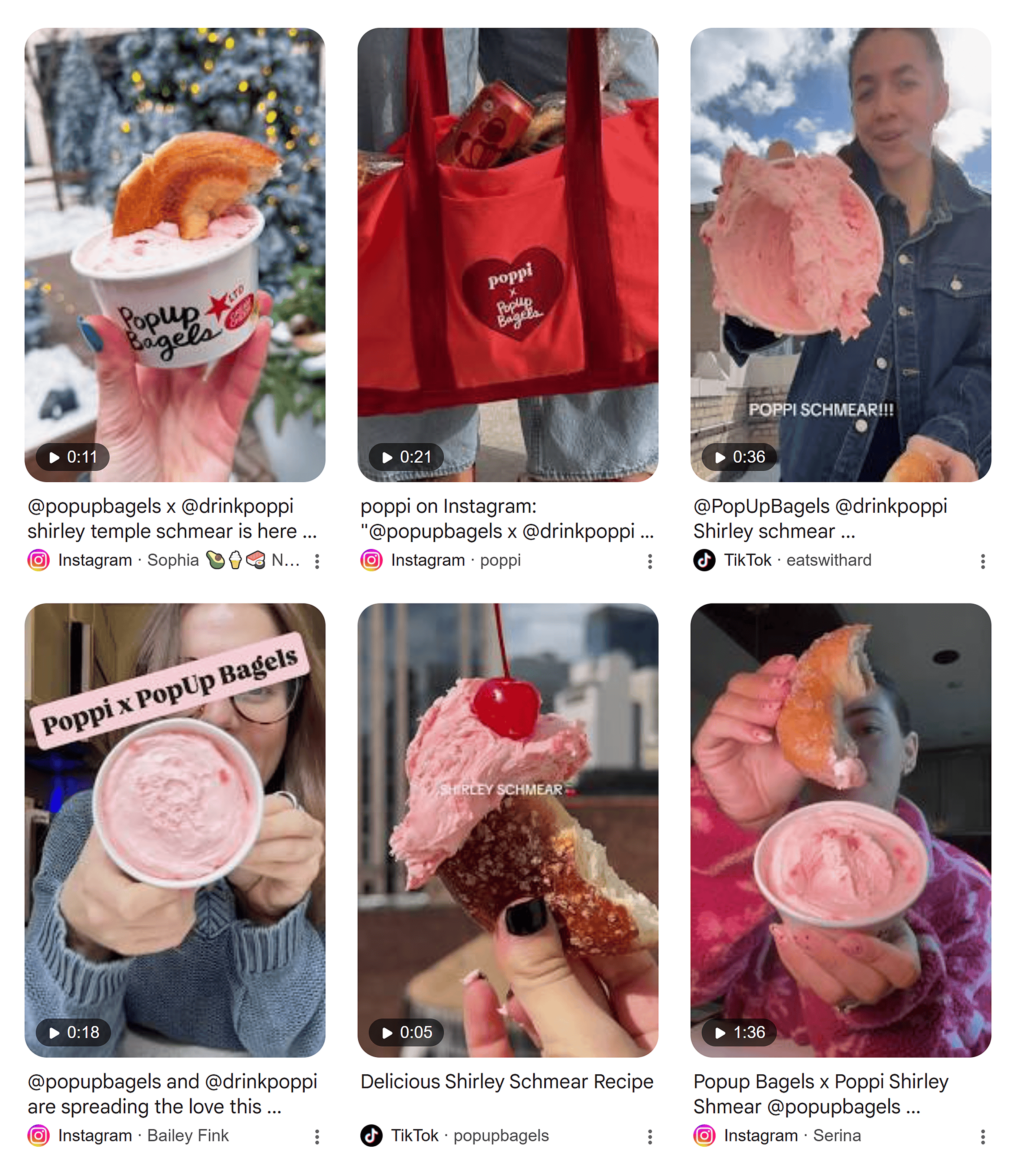
Co-branded campaigns are a shortcut to doubling your reach. By collaborating with a brand that shares your audience but isn’t a direct competitor (e.g., a project management tool partnering with an AI automation firm), you ensure your brands are "co-occurring" in articles, social posts, and event recaps. This co-occurrence trains search engines to associate your brands with the same topical space.
3. Feature Experts and Influencers in Your Content
When you feature an expert in your content, you provide them with a "vanity incentive" to share your work with their audience. Whether it is an expert roundup, a podcast interview, or a benchmark report, if you place the expert’s contribution at the center of the story, they will naturally promote it on their own platforms, triggering a cascade of mentions across their network.
4. Contribute Expertise Through Digital PR
Journalists are constantly looking for authoritative quotes. Instead of pitching your product, pitch your expertise. If you are the CEO of a cybersecurity firm, don’t pitch your software; pitch a commentary on the latest global data breach. When a major publication quotes you, you earn a high-value mention that links your brand identity to a specific area of expertise.
How to Track and Report on Brand Mentions
Tracking is the final step in the loop. You cannot optimize what you do not measure.
- Google Alerts (Free): Start here to monitor your brand name and your key executives. It is not perfect, but it is a vital baseline for tracking your digital footprint.
- Social Listening Tools (Pro): Use platforms like Semrush Brand Monitoring or Brandwatch to gain sentiment analysis. These tools tell you not just that you were mentioned, but how you were mentioned. Is the tone positive, negative, or neutral?
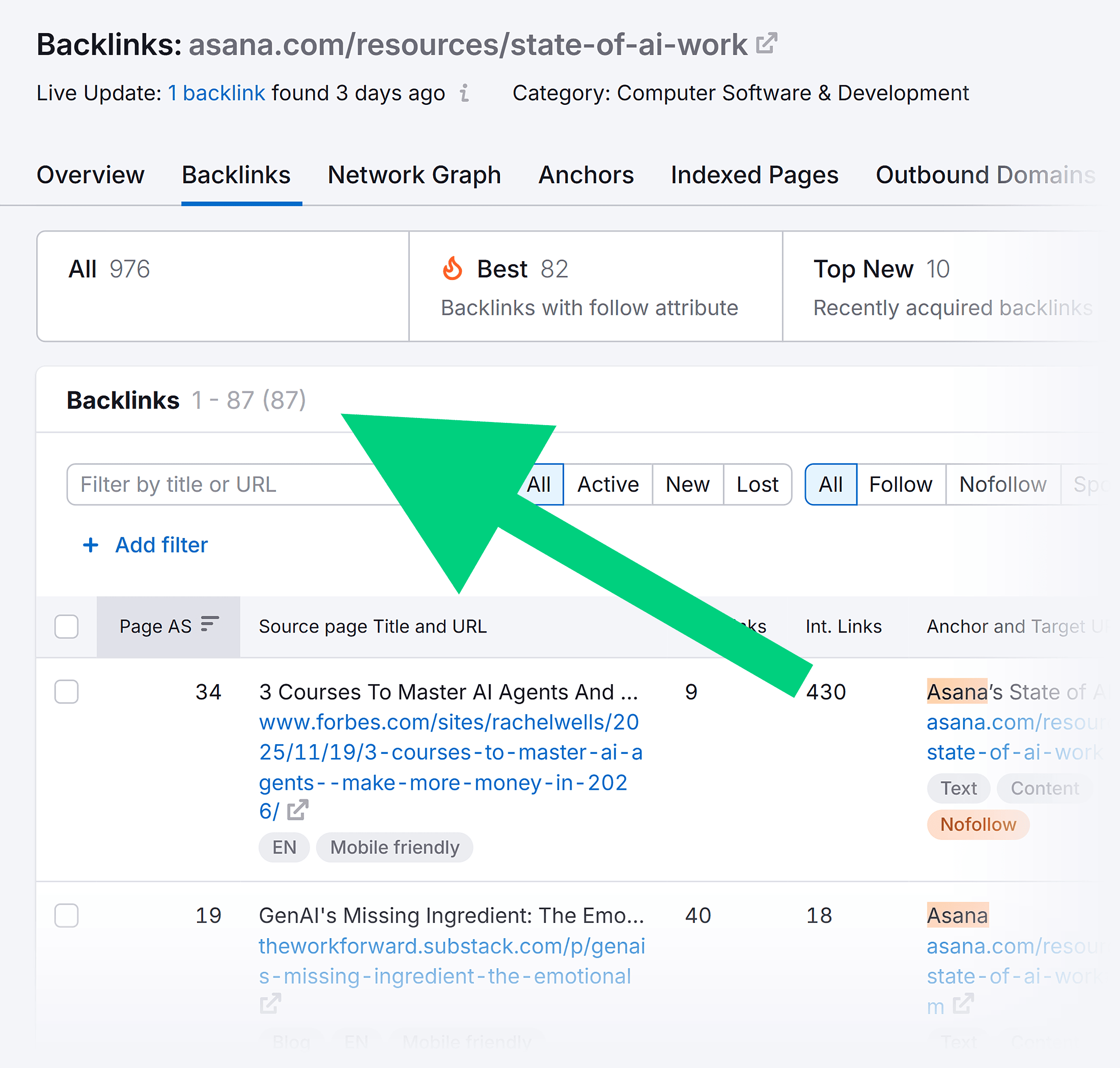
- Backlink Analytics: Use tools to filter your backlinks by anchor text. By specifically looking for your brand name in the anchor text, you can identify which outlets are linking to you in an editorial, brand-focused way.
Reporting for Leadership
When reporting to stakeholders, avoid vanity metrics. Do not just report "total mentions." Instead, report on:
- Share of Voice: How many mentions you have compared to your top three competitors.
- Sentiment Trend: Is the brand perception improving over time?
- Top-Tier Placements: A curated list of the most influential articles or videos featuring your brand.
By focusing on the quality, sentiment, and strategic relevance of these mentions, you turn an abstract SEO concept into a clear, measurable business driver. Your goal is not to be everywhere; it is to be in the right places, creating a web of authority that makes your brand the obvious choice for both human searchers and artificial intelligence.