For over a decade, the Bogg Bag has been a fixture of American summers. With its distinctive, hole-punched EVA foam structure and vibrant color palette, it became the undisputed champion of the beach, the poolside, and the backyard barbecue. It was the "it" bag for carrying sunscreen, damp towels, and sandy snacks. Yet, as the brand looks toward the future, founder and CEO Kim Vaccarella is steering the company away from the shoreline and into the bustling environments of the office, the gym, and the terminal.
This month, Bogg officially launches the "Go Tote," a product that represents the most significant pivot in the brand’s history. It is a calculated move to transition from a seasonal lifestyle accessory to an everyday essential, catering to a demographic that demands the durability of a Bogg, but with the security and organization required for modern urban life.
Main Facts: The Anatomy of the Go Tote
The Go Tote is not merely a design variation; it is a direct response to a consumer base that has grown alongside the brand since its 2008 inception. While the classic Bogg tote is celebrated for its open-top, wipe-clean utility, that same design is its primary limitation for the commuter or the traveler who requires security and structure.
Developed through rigorous customer feedback, the Go Tote introduces several key innovations:
- Security Features: The addition of a zippable top addresses the most frequent consumer request for a more secure bag.
- Organizational Capacity: Featuring dedicated interior and exterior pockets, it is designed to manage the chaos of daily essentials, from phones and water bottles to office supplies.
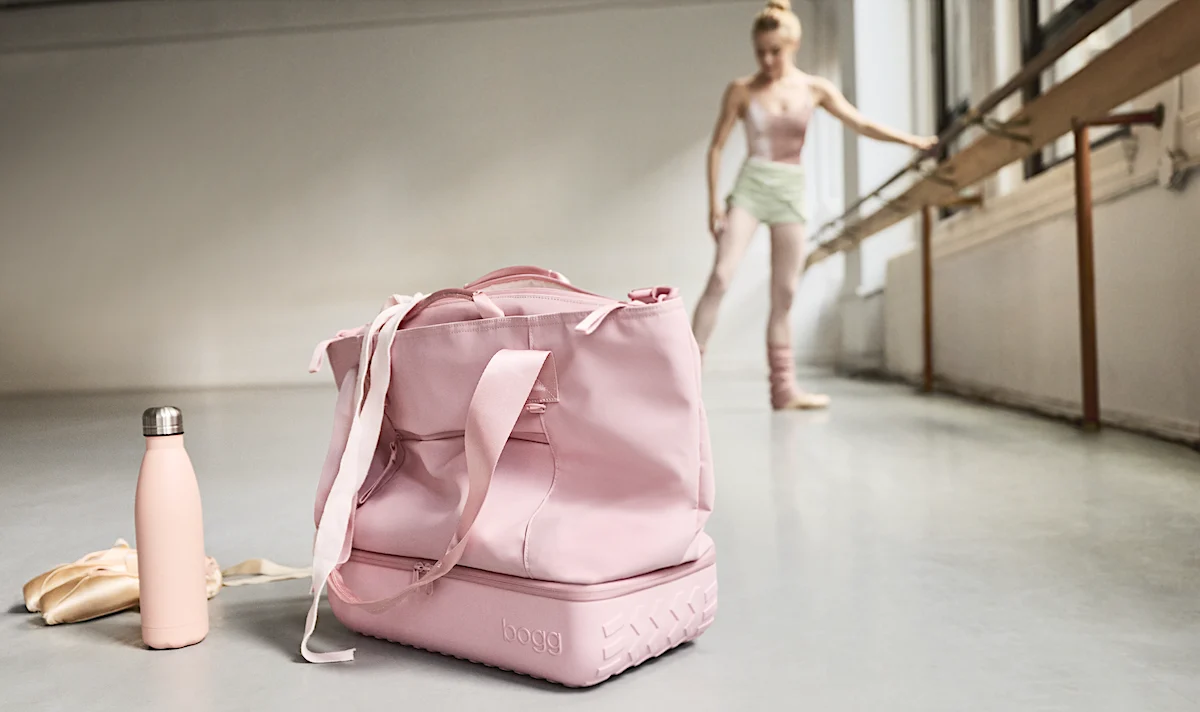
- Hybrid Materiality: The bag utilizes a soft-touch material paired with the signature EVA foam rubber base, maintaining the brand’s reputation for rugged, easy-to-clean durability while introducing a more refined aesthetic.
- Versatile Carrying: Equipped with a crossbody strap and traditional top handles, the bag is built for ergonomics.
- The "35L" Solution: The largest size in the lineup features a unique zippable base compartment, specifically engineered to house dirty items—like gym shoes or wet clothes—keeping them isolated from the rest of the bag’s contents.
The collection debuts in three sizes, priced at $90, $120, and $150, and arrives in a sophisticated color palette including Cafe Au Lait, Blush-Worthy, L.B.D Black, and Plum Pudding.
Chronology: A Decade of Cult Growth
To understand why the Go Tote is such a critical milestone, one must examine the trajectory of Bogg. Founded in 2008 and subsequently relaunched in 2013, the brand spent its first few years establishing a niche. However, the rise of social media transformed Bogg from a local favorite into a national phenomenon.
- 2008–2013: Bogg establishes its foundation, focusing on the core concept of a washable, upright EVA tote.
- 2013–2020: The "cult-like" following begins to materialize, fueled by organic growth on platforms like Facebook and Instagram.
- 2021–2024: The brand experiences explosive growth. By 2025, Bogg records a staggering 2.2 million bags sold, contributing to a lifetime sales figure exceeding $400 million.
- July 2024: The brand solidifies its retail footprint, entering partnerships with Urban Outfitters and Anthropologie, expanding its presence to over 7,000 U.S. retail locations.
- October 2024: The official launch of the Go Tote, marking the company’s formal entry into the professional and travel-oriented market.
This timeline reflects a brand that has successfully navigated the transition from a niche beach accessory to a lifestyle powerhouse.
Supporting Data: By the Numbers
Bogg’s financial health provides a strong backbone for this new initiative. The company is currently on track for record-breaking revenue in 2026. Their sales distribution is highly balanced, with 40% of revenue generated through retail partnerships and 60% flowing through Direct-to-Consumer (DTC) channels and Amazon.
The scale of the company’s reach is significant: 7,000 retail locations serve as physical touchpoints, while digital analytics play an increasingly vital role. Vaccarella is not just focusing on physical inventory; she is preparing for the "AI era" of retail. By optimizing product descriptions for Generative Engine Optimization (GEO), the brand is ensuring that when a customer asks an AI chatbot for a "durable gym bag" or a "secure commuter tote," Bogg appears at the top of the search results.
"We need to be consistent in our verbiage across all channels," Vaccarella notes. "If we’re talking about using the Go Tote as a commuter bag, everything needs to say ‘commuter.’"
Official Responses and Strategic Vision
Kim Vaccarella views the Go Tote as the logical evolution of the Bogg DNA. Speaking on the design process, she acknowledges that earlier attempts at soft-material bags fell short of the brand’s high standards for durability.
"We’ve taken everything you love about the Bogg bag and put it into a bag that you can travel with," Vaccarella said. "Our customers told us they wanted to carry Bogg in everyday life. This is our solution to that."
The design reflects a deep commitment to user experience. The 35L version, in particular, was built for the traveler, designed to slide over suitcase handles for seamless transit through airports. "You could put dirty shoes, muddy cleats, anything you want down there, and you can just wipe it out when you’re done," she explained, emphasizing that the bag’s utility doesn’t end when the workout does.
Implications: The Challenges of Global Expansion
The journey to bring the Go Tote to market has not been without significant friction. The brand has faced a "perfect storm" of logistical and geopolitical headwinds that have tested its supply chain resilience.
Geopolitical and Supply Chain Hurdles
The company has been forced to navigate a volatile global landscape:
- Tariffs: Last year, Bogg absorbed a nearly $10 million hit due to tariffs on goods manufactured in China. This necessitated a major strategic shift in manufacturing, pushing the company to diversify its production into Vietnam and Cambodia.
- Material Scarcity: The EVA foam rubber industry is sensitive to global oil prices and supply chain disruptions. Recent instability, such as the closure of the Strait of Hormuz, has led to price spikes and procurement difficulties.
- Logistical Bottlenecks: From tropical storms to capacity constraints at the Panama Canal, the path to market was delayed from a planned September release to an October debut.
Despite these setbacks, Vaccarella refused to raise the price of the bags, choosing to absorb the costs to ensure the brand remained accessible to its loyal base. This decision underscores a long-term philosophy: prioritize customer trust and product quality over short-term margin protection.
Future Outlook: The Road to 2027
The launch of the Go Tote is only the beginning of a broader, multi-year strategy. Bogg is already deep into the development phase for 2027, with plans to introduce new "color pops" for the spring season.
Furthermore, the brand is engaging in a massive, high-visibility marketing campaign. In New York City, 75 brand ambassadors are currently navigating Grand Central Station, Penn Station, and Bryant Park with Go Totes in tow, creating content for social media and interacting with commuters. This is complemented by 1,500 wheatpasted ads throughout the city, serving as a loud, visual declaration of the brand’s new urban identity.
For a company that built its name on the simplicity of a beach tote, the Go Tote is a sophisticated, albeit challenging, step forward. By listening to its customers—and adapting its supply chain to meet the harsh realities of global trade—Bogg is demonstrating that it has the flexibility and the foresight to outgrow the sand. As the brand enters its next phase of growth, the Go Tote stands as a testament to the idea that with the right design, a niche product can become a universal necessity.