In an era defined by rapid digital transformation, authenticity has emerged as the single most vital currency for brands operating in the social media ecosystem. According to the Sprout Social Q3 2026 Pulse Survey, consumers are no longer simply looking for polished aesthetics or high-production marketing campaigns; they are demanding a level of transparency and human connection that many legacy brands are struggling to provide. As audience skepticism reaches an all-time high, the "trust recession" has become the defining challenge for marketers in 2026.
The State of the Trust Recession: A Shifting Landscape
The modern consumer journey has fundamentally changed. Social media is no longer just a broadcast channel for advertisements; it has become the primary search engine for product discovery, news consumption, and peer-to-peer validation. However, this shift has brought a dark side. The Sprout Social Q1 2026 Pulse Survey revealed a sobering statistic: 35% of social media users report trusting social platforms significantly less than they did just one year ago.
This decline in confidence is fueled largely by the proliferation of AI-generated content. As synthetic media makes it increasingly difficult to distinguish between genuine customer experiences and manufactured, algorithmically optimized narratives, consumers are becoming more defensive. They are hunting for the "real" behind the "reel." The industry-wide Be So FR webinar recently explored this phenomenon, concluding that the only path forward for brands is a return to radical transparency—showing the people behind the content and proving accountability when things go wrong.
Chronology of a Digital Crisis
To understand how we arrived at this critical juncture, one must look at the evolution of social media as a primary business growth lever.

- Pre-2024: Brands viewed social media primarily as a top-of-funnel awareness tool, focusing on reach, impressions, and viral moments.
- 2025: The "AI Boom" hit the social sphere. As brands flooded feeds with generative content, the line between helpful information and corporate misinformation blurred.
- Early 2026: Consumer skepticism peaked. The "Trust Recession" was officially identified as a business threat. Users began utilizing social media more for peer reviews and less for brand-provided updates.
- Q3 2026 (Current Status): The market has recalibrated. Successful brands are now those that prioritize "social listening" and direct, human-to-human engagement over automated, impersonal content strategies.
Supporting Data: Why Credibility is the Growth Lever
The numbers from Sprout’s 2026 research underscore that trust is not a "soft" metric—it is a measurable growth lever. When a brand establishes a high-trust reputation, the barrier to purchase drops significantly.
Data from the Q2 2026 Pulse Survey highlights that 64% of consumers believe it is essential for brands to address crises directly on social media, rather than hiding behind sanitized press releases on static websites. This preference for public, real-time accountability is a testament to the fact that today’s consumers view brands as members of their online community, not as faceless entities.
Furthermore, the influence of everyday users cannot be overstated. With 57% of consumers stating they trust "everyday users" more than mega-influencers or brand employees, the power has shifted to the grassroots level. This reality forces brands to reconsider their influencer strategies, moving away from high-reach, low-credibility partnerships toward niche creators who possess deep, firsthand knowledge of their specific product categories.
Pillars of Trust: The Four Fundamental Builders
Building audience confidence is a daily discipline rather than a one-time campaign. The following four pillars represent the core requirements for any brand attempting to survive the trust recession:
1. Consistency
Consistency goes beyond posting at the same time every day. It requires a recognizable, authentic brand voice and, more importantly, a commitment to values. If a brand promotes a mission of sustainability but ignores environmental concerns in its operations, that inconsistency is quickly exposed. Consistency is the alignment of what a brand says in a caption and what it does in practice.
2. Responsiveness
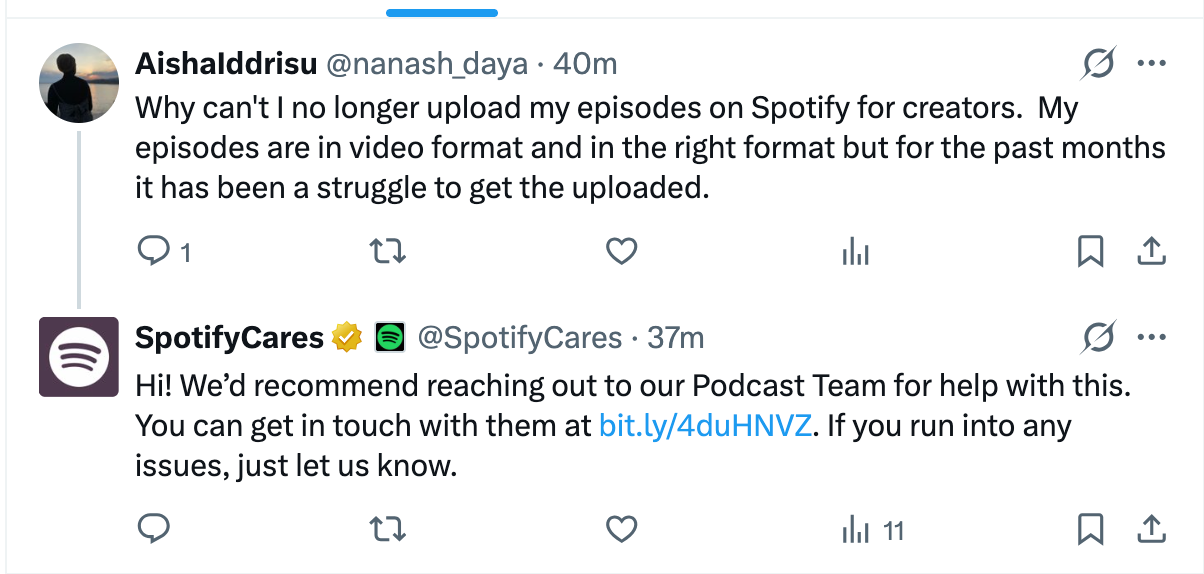
In the high-speed environment of 2026, silence is a signal of indifference. Sprout’s data shows that 38% of users expect a customer service response within two hours, with 14% demanding a response within mere minutes. Brands like SpotifyCares have set the standard here, utilizing rapid, helpful replies on social platforms to turn potential customer service disasters into public demonstrations of competence.
3. Transparency
Transparency is the antidote to AI-driven skepticism. It involves clear labeling of AI-generated content and honesty regarding paid partnerships. The Q1 2026 survey found that 28% of consumers want brands to stop posting AI-generated content without clear labels. Transparency is not just a moral imperative; it is a defensive strategy against accusations of deception.
4. Proof
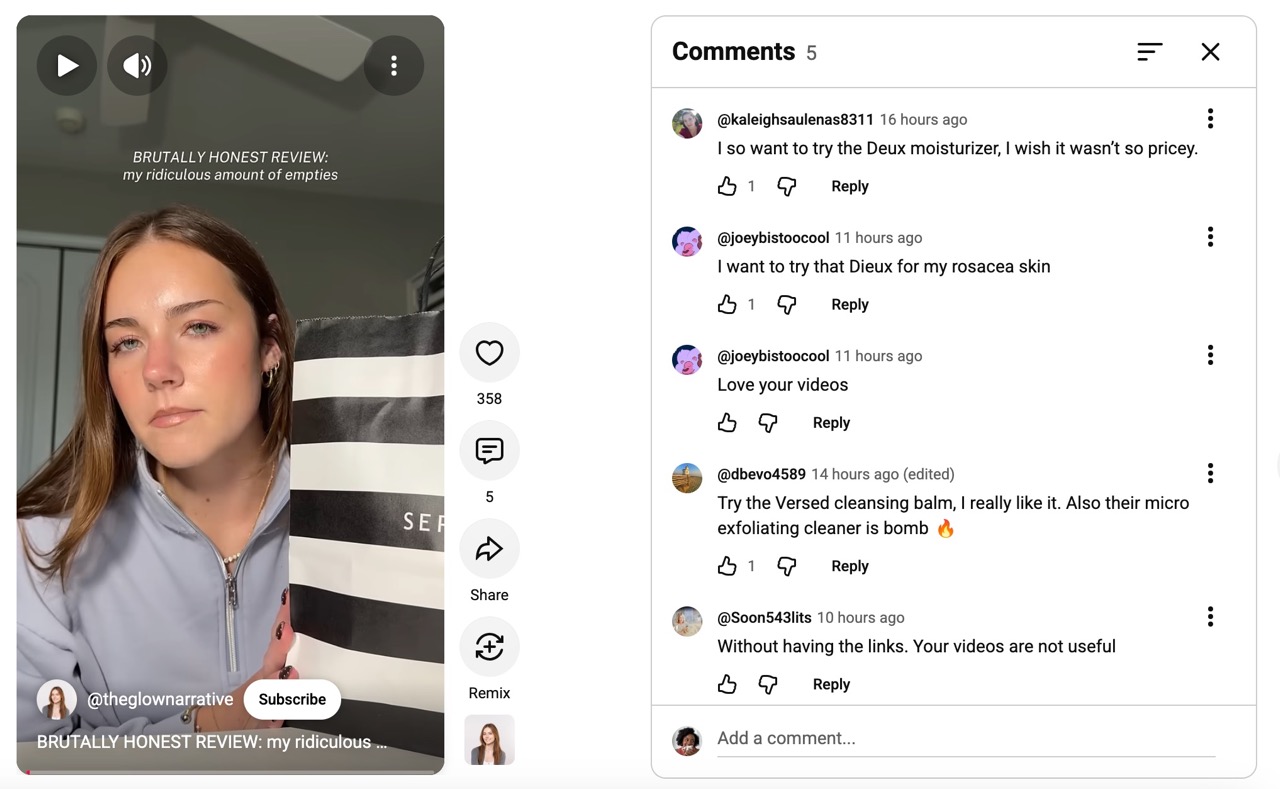
Claims are no longer enough. Brands must provide evidence—customer reviews, behind-the-scenes glimpses of manufacturing, and, crucially, the use of creators who have actually used the product. As noted, consumers trust the peer-to-peer advice of "everyday users" above all else.
Five Strategic Actions for Building Audience Trust
For brands ready to pivot, the path forward involves a blend of technical strategy and human empathy.
Step 1: Humanize the Brand Voice
Consumers are fatigued by "corporate-speak." 26% of consumers explicitly stated they want brands to sound less corporate. By replacing stiff, sales-heavy language with conversational, human-centric copy, brands can lower the defensive walls of their audience.
Step 2: Leverage Social Listening
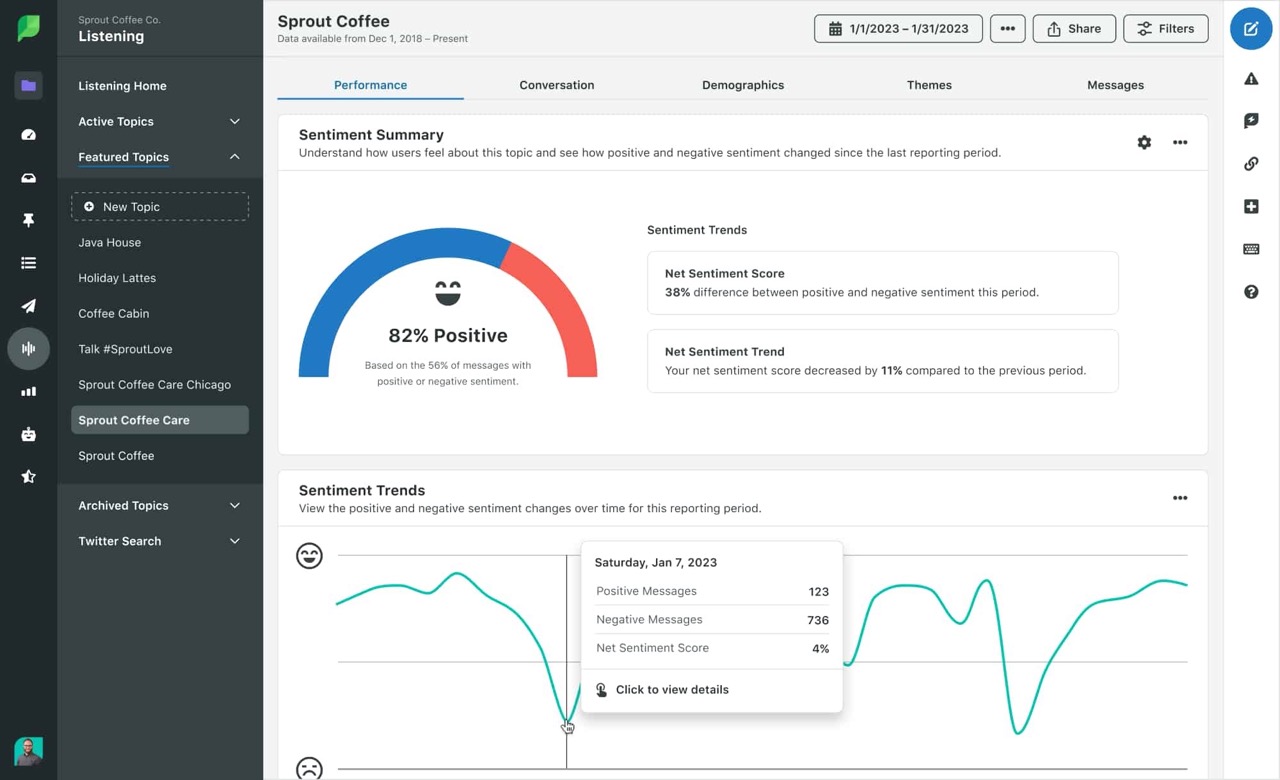
The days of guessing what the audience wants are over. Utilizing tools like Sprout Social Listening, brands can track sentiment, identify recurring pain points, and monitor competitor conversations. When a brand uses this data to make actual changes—such as fixing a faulty checkout process or clarifying a confusing product feature—they build immense trust by showing they are listening.
Step 3: Curate Strategic Partnerships
Quality over quantity is the new mantra for influencer marketing. According to the 2026 Influencer Marketing Report, 47% of consumers value a creator’s topical expertise over their follower count. Brands should prioritize partnerships with creators who have a proven history of honesty and who are willing to engage in deep, meaningful product demonstrations.
Step 4: Empower Employee Voices
The most underutilized assets in many companies are the employees themselves. 46% of consumers are eager to hear from frontline workers. By encouraging employees to share their expertise—and properly compensating them for doing so—brands can showcase the genuine passion and knowledge behind their products.
Step 5: Shift from Audience to Community
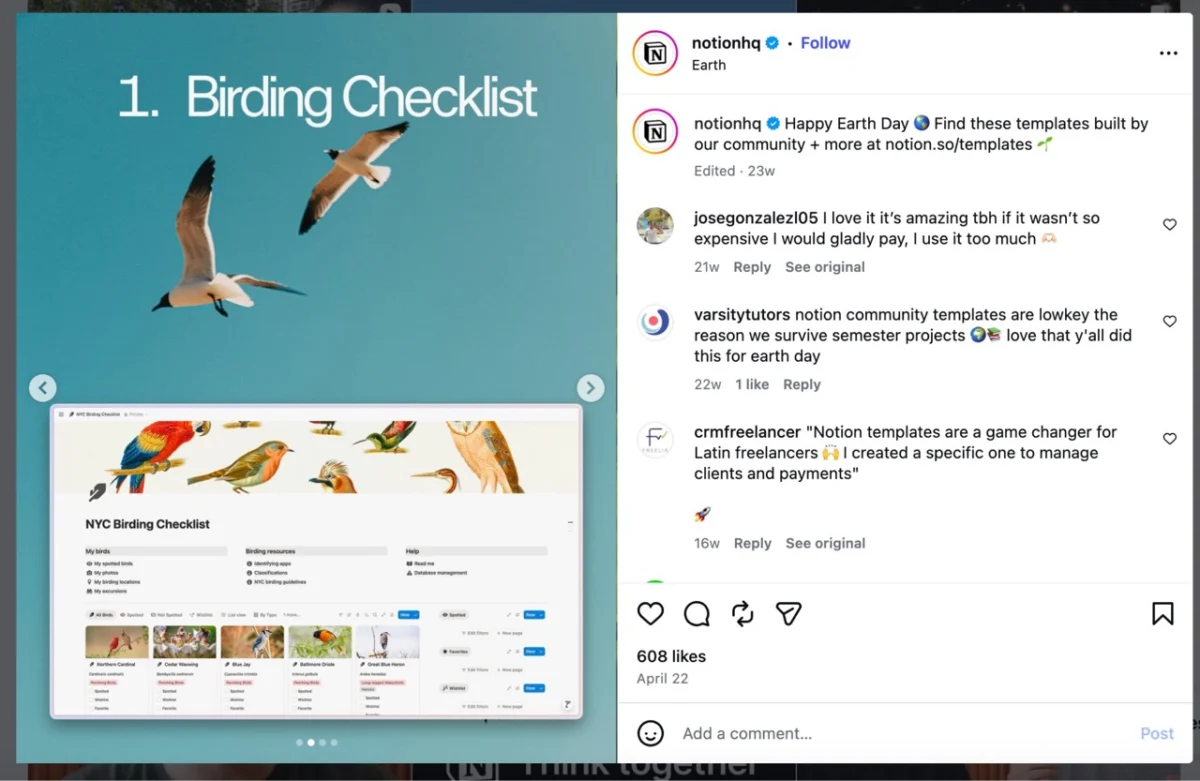
Finally, the goal should be to build a community where users interact with each other. When a brand facilitates a space for users to exchange tips, templates, or advice—as seen in the success of platforms like Notion—the brand moves from being a vendor to being a partner in the user’s success.
Implications for the Future
The implications for brands failing to adapt are clear: they will be relegated to the periphery of the digital experience. As the internet becomes more saturated with automated noise, human-verified, transparent, and responsive brands will command the highest premium.
Trust is the ultimate differentiator. It is not something that can be bought with advertising spend or generated by a language model. It must be earned through the slow, steady, and sometimes difficult work of showing up, being honest, and putting the customer’s experience at the center of every interaction. In the landscape of 2026, trust is the only sustainable business model.