In an era where digital presence dictates patient trust, video marketing has evolved from a supplemental tactic to a cornerstone of healthcare communication. For hospitals, private practices, and medical technology firms, video is the bridge that turns complex clinical data into accessible, human-centric narratives. As we move further into 2025, the demand for high-quality, compliant, and emotionally resonant video content is at an all-time high.
However, the healthcare sector operates under a unique set of constraints. Marketers must navigate the rigorous requirements of HIPAA compliance, the need for absolute medical accuracy, and the challenge of distilling sensitive information into digestible formats. To meet these demands, organizations require robust, reliable, and efficient video editing software.
The Evolution of Healthcare Video Content
The transition of medical marketing toward video is not merely a trend; it is a response to changing patient behaviors. Data indicates that patients are 75% more likely to trust a medical provider if they have seen an introductory video. From patient testimonials that provide social proof to 3D animations that explain surgical procedures, video content is now the primary vehicle for patient education.
Chronology of Adoption
- 2020–2021: The COVID-19 pandemic acted as a forced catalyst, pushing healthcare providers to adopt telehealth and virtual communication, normalizing video-based patient interaction.
- 2022–2023: Marketing teams shifted focus from "informational" to "relatable" content, utilizing short-form social media clips to humanize hospital staff and simplify health literacy.
- 2024–2025: The current phase is defined by AI integration, where editing tools are now capable of automating tedious tasks like captioning (crucial for accessibility) and color grading, allowing marketers to focus on the storytelling aspect of their content.
Supporting Data: Why Quality Matters
Industry studies have shown that video content on YouTube and social platforms receives significantly higher engagement rates compared to static text or image-based ads in the healthcare vertical. According to recent marketing analytics, educational videos explaining specific health conditions reduce patient anxiety and improve post-operative compliance. Furthermore, the use of professional-grade editing software directly correlates with higher "watch-through" rates, as polished visuals and clear audio are interpreted by patients as indicators of clinical professionalism and institutional quality.

Top 5 Video Editing Tools for 2025
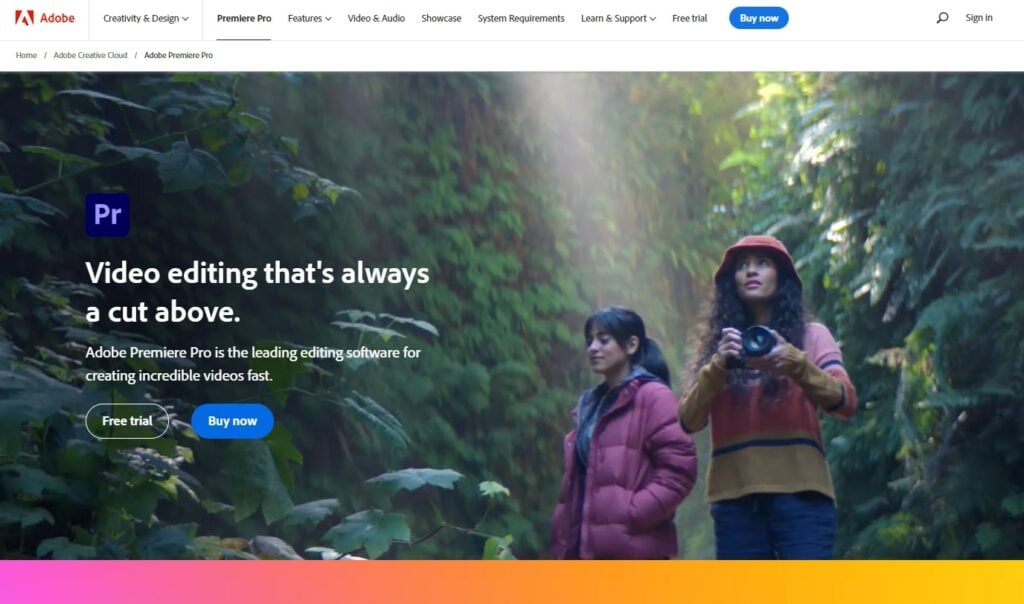
1. Adobe Premiere Pro: The Gold Standard for Professionalism
Adobe Premiere Pro remains the industry leader, offering an unmatched suite of tools for the serious healthcare content creator.
Key Features:
- Advanced Audio Cleanup: Essential for physician interviews and patient testimonials.
- Dynamic Graphics: Allows for the professional overlay of medical statistics and clinical disclaimers.
- AI-Powered Editing: Features like "Auto Reframe" ensure videos are optimized for both YouTube and mobile platforms.
Pros & Cons:
While the learning curve is steep, the sheer depth of its capabilities makes it the preferred choice for hospitals producing documentary-style content or high-budget brand awareness campaigns. It is a subscription-based service, making it a recurring budget item.
2. Animaker: Bridging the Gap in Patient Education
When you need to explain the mechanics of a heart valve replacement or the benefits of a specific vaccine, live-action footage may not be enough. Animaker brings medical concepts to life through intuitive animation.
Key Features:
- Drag-and-Drop Interface: No animation experience required.
- Medical Asset Library: Pre-built icons and characters that simplify the visual representation of biology and physiology.
- Voiceover Sync: Automatically syncs recorded medical explanations with animated characters.
Implications for Healthcare:
By using animation, providers can bypass the ethical and logistical hurdles of filming actual procedures, ensuring patient privacy remains intact while still providing clear, educational visual aids.
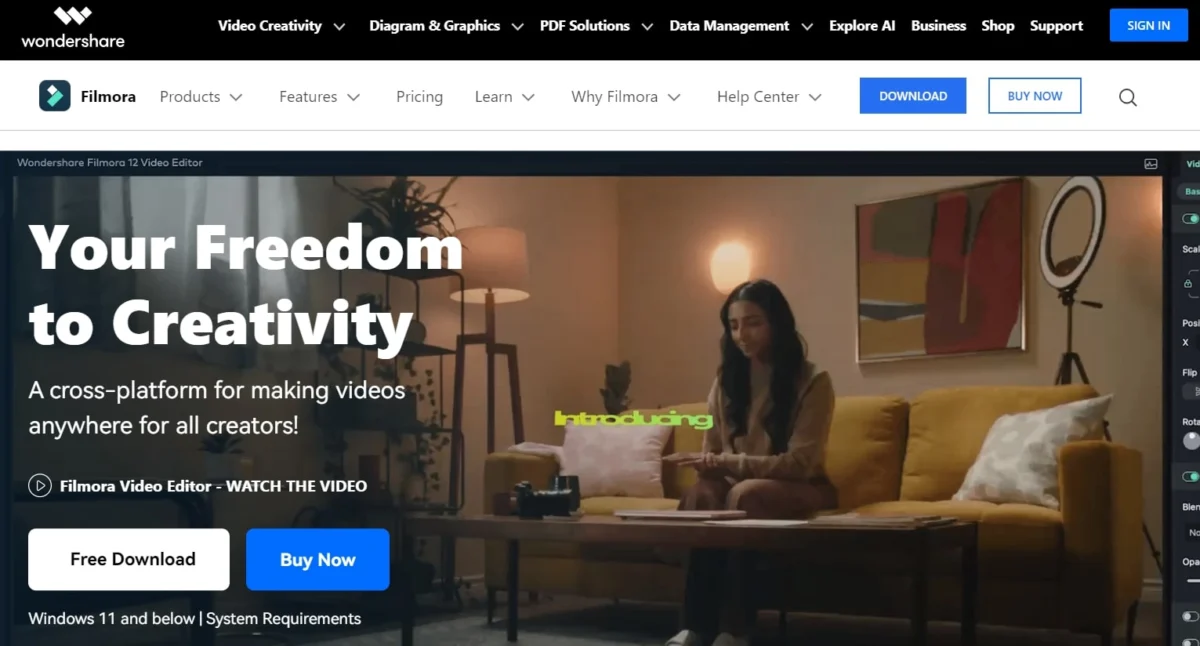
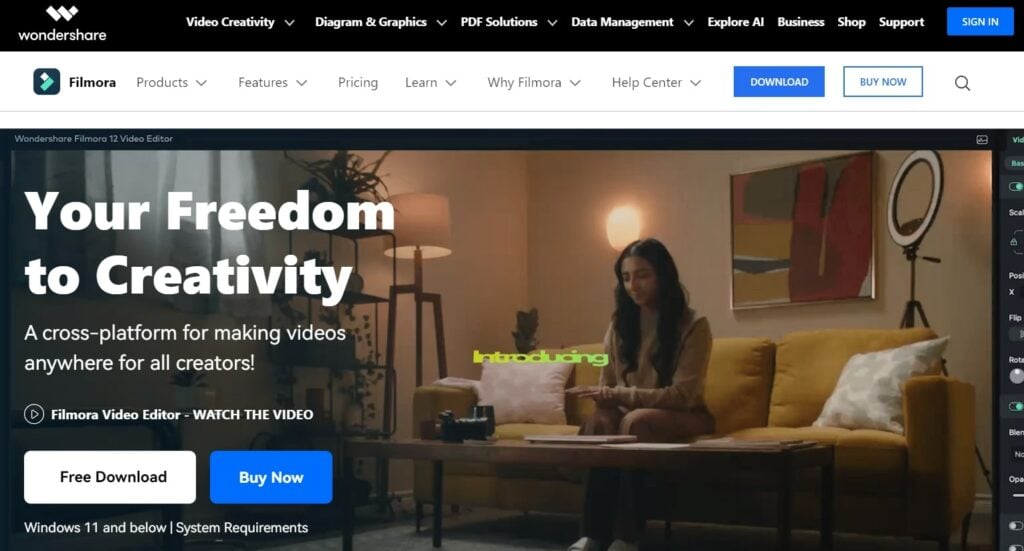
3. Wondershare Filmora: Balancing Efficiency and Quality
Filmora is the ideal middle-ground for healthcare marketing teams that need to produce high-quality content quickly without the overhead of a massive production crew.
Key Features:

- Preset Templates: Ideal for recurring series, such as "Weekly Health Tips" or "Meet the Doctor."
- Motion Tracking: Useful for blurring faces in patient testimonials to ensure HIPAA compliance while maintaining visual interest.
- Built-in Royalty-Free Stock Media: Useful for filling in gaps when original b-roll is unavailable.
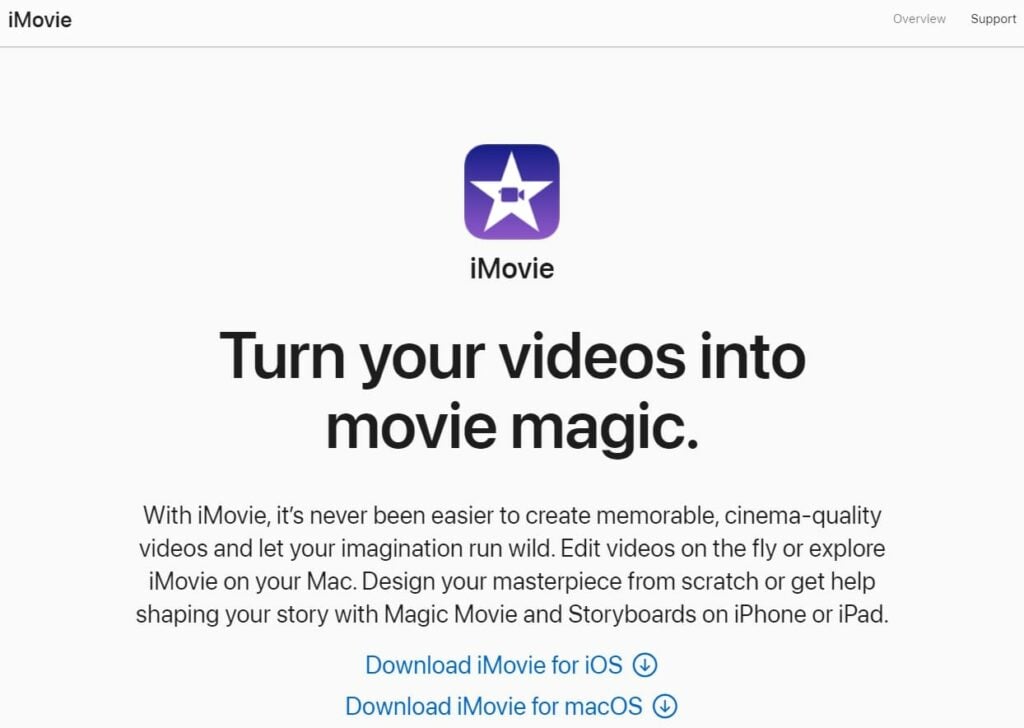
4. iMovie: The Accessible Entry Point
For smaller practices or individual practitioners who use the Apple ecosystem, iMovie remains a powerful, free tool for basic editing needs.
Key Features:
- User-Friendly Interface: Minimal learning curve.
- 4K Support: Ensures that even simple videos look sharp on modern screens.
- Seamless Integration: Easily imports footage directly from iPhones, which are increasingly used for high-quality clinical documentation.
Best Use Case:
iMovie is best suited for quick, authentic social media updates or simple facility tours where "polished but approachable" is the goal.
5. DaVinci Resolve: The Choice for Cinematic Quality
DaVinci Resolve is a powerhouse that has moved from Hollywood post-production suites into the marketing offices of leading medical research institutions.
Key Features:
- Color Grading Mastery: Allows for the creation of a consistent brand "look" across all hospital communications.
- Fairlight Audio: A professional-grade audio workstation built directly into the editor, ensuring the physician’s voice is crisp and clear.
- Free Version: The free version is incredibly robust, often providing more features than the paid versions of its competitors.
Strategic Implications for Healthcare Marketers
Selecting the right software is only half the battle. Healthcare marketers must consider the following strategic pillars when choosing their tools:
- HIPAA and Compliance: Does the software allow for easy masking of Protected Health Information (PHI)? If you are filming in a hospital setting, the ability to blur backgrounds or patient identification markers is non-negotiable.
- Accessibility and Inclusivity: Are you able to easily burn in captions? With a significant portion of healthcare content consumed on mobile devices without sound, the ability to create high-quality, accurate closed captions is a requirement for patient accessibility.
- Scalability: Can your chosen tool handle a growing volume of content? As your library of educational videos grows, software that supports project organization and asset management becomes increasingly valuable.
Official Perspectives: The Role of Trust
Marketing experts in the healthcare sector emphasize that the goal of video is not to sell, but to educate and reassure. "The video editing tool you choose is the medium through which your clinical authority is communicated," says one industry consultant. "If the editing is jarring, the audio is poor, or the visual quality is low, the audience will subconsciously associate that lack of care with your medical services."
By investing in professional-grade tools like Adobe Premiere Pro or DaVinci Resolve for primary assets, and leveraging user-friendly tools like Animaker for patient education, healthcare organizations can create a cohesive ecosystem of content.
Conclusion
As we look toward the remainder of 2025, the integration of high-quality video production into healthcare marketing strategies is no longer optional—it is a necessity for growth. Whether you are a large hospital system or a private clinic, the ability to produce, edit, and distribute compelling visual stories will determine your brand’s reach and the depth of trust you build with your patient base.
Evaluate your team’s technical skills, your budget, and the specific nature of your content. Whether you opt for the granular control of Adobe or the rapid, accessible nature of Filmora, the key is consistency. Start by choosing the tool that aligns with your current production goals, and remember that in the world of healthcare, the message is only as strong as the medium.