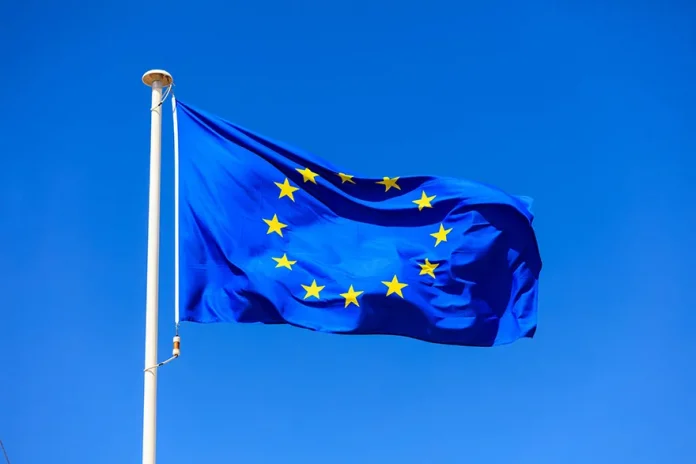
Brussels, Belgium – European Union leaders are gathering today in Brussels for a pivotal two-day summit, aiming to tackle a formidable agenda dominated by pressing economic challenges, the bloc’s future financial framework, escalating trade tensions with China, and unwavering support for Ukraine. The meeting comes at a critical juncture for the 27-nation bloc, as it grapples with a complex web of internal divisions and external pressures, testing its unity and strategic resolve on the global stage.
The summit is anticipated to be a rigorous exercise in consensus-building, with leaders striving to forge common ground on issues that hold profound implications for the EU’s economic competitiveness, its geopolitical standing, and the very fabric of its future. From revitalizing a flagging European economy to navigating a delicate balance in trade relations with an assertive China, and reaffirming its commitment to a war-torn Ukraine, the discussions are set to underscore the multifaceted challenges confronting the European project.
Main Facts: A Multifaceted Agenda
The core of the Brussels summit revolves around four interdependent pillars, each presenting its own set of complexities and requiring a concerted European response. First and foremost is the state of the European economy, marked by weakened competitiveness and persistent high energy prices that continue to strain member states and their citizens. This economic concern is intricately linked to the second major topic: the EU’s future multi-annual budget (Multiannual Financial Framework – MFF) for the 2028-2034 period, where disagreements between wealthier net contributors and states heavily reliant on cohesion funds are expected to surface.
Thirdly, the summit will address the increasingly contentious trade relationship with China, characterized by a significant trade deficit and accusations of unfair state subsidies distorting market competition. Finally, the leaders will reaffirm their solidarity with Ukraine, with President Volodymyr Zelensky expected to join on Friday to appeal for further crucial support in the face of intensified Russian aggression. The outcome of these discussions will not only shape the EU’s immediate policy direction but also define its long-term trajectory and its role as a global actor.
Chronology of Critical Discussions
The two-day summit is meticulously structured to allow for in-depth deliberations on each key area. The proceedings will commence today, focusing primarily on the economic landscape of the EU. Leaders are expected to delve into detailed analyses of the bloc’s diminishing competitiveness compared to global rivals and the persistent inflationary pressures fueled by elevated energy costs. These discussions are paramount, as they directly impact the daily lives of European citizens and the long-term viability of European industries.
Following the economic review, the focus will shift to the intricate dynamics of EU-China trade relations. This segment is expected to be particularly charged, given the recent surge in the EU’s trade deficit with Beijing and growing concerns over what Brussels describes as state-backed unfair competition. High-level pre-summit calls, such as those made by German Chancellor Friedrich Merz and French President Emmanuel Macron for robust European measures against market-distorting practices, underscore the urgency and sensitivity of this topic. Leaders will scrutinize the efficacy of recently proposed measures, including potential restrictions on hybrid vehicle imports from China, as a means to rebalance the relationship.
The second day of the summit, Friday, will pivot to the future of the EU’s financial architecture and the critical issue of support for Ukraine. Discussions on the next multi-annual budget for 2028-2034 are anticipated to highlight existing fault lines between member states with differing fiscal priorities and economic capacities. While a final agreement is not expected during this summit, the impetus is on European Council President António Costa to guide the negotiations towards a viable compromise by the end of the year, a task complicated by divergent national interests.
The culmination of the summit on Friday will feature the anticipated virtual or in-person participation of Ukrainian President Volodymyr Zelensky. His address will serve as a poignant reminder of the ongoing conflict and the imperative for sustained European solidarity. Zelensky is expected to reiterate his country’s urgent need for continued financial, military, and humanitarian assistance, particularly in light of recent escalations in Russian attacks that have claimed numerous civilian lives and inflicted further devastation across Ukraine. His presence will undoubtedly inject a powerful emotional and geopolitical dimension into the proceedings, reinforcing the moral and strategic imperative of the EU’s commitment to Kyiv.
Supporting Data: The Weight of Evidence
The issues on the summit’s agenda are not abstract concepts but are grounded in concrete data and observable trends that paint a clear picture of the challenges facing the EU.
Economic Competitiveness and Energy Prices:
Europe’s economic landscape has been increasingly challenging. Post-pandemic recovery has been uneven, and the fallout from Russia’s war in Ukraine, particularly its impact on energy markets, has created significant headwinds. While the EU managed to avoid a severe recession, its GDP growth has consistently lagged behind that of the United States and, at times, China. Inflation, though showing signs of moderation, has remained stubbornly high, eroding purchasing power and increasing business costs. The European Central Bank has been compelled to implement a series of interest rate hikes, further tightening financial conditions.
A critical factor in this economic slowdown has been energy prices. Following Russia’s full-scale invasion of Ukraine, natural gas prices in Europe surged to unprecedented levels in 2022, reaching over €300 per MWh at their peak, compared to pre-war averages of around €20-30 per MWh. While prices have since decreased significantly due to diversification of supply and energy-saving measures, they remain volatile and structurally higher than historical levels, especially when compared to energy costs in competitor regions like the US. This disparity directly impacts the energy-intensive industries crucial to Europe’s manufacturing base, leading to concerns about deindustrialization and the erosion of Europe’s competitive edge. The EU’s "Green Deal" ambitions, while vital for long-term sustainability, also present significant investment requirements and regulatory burdens in the short to medium term, which some argue can further impede competitiveness without adequate support mechanisms.
EU-China Trade Relations:
The trade relationship between the EU and China has become increasingly unbalanced. In 2023, the EU’s trade deficit with China reached a staggering €291 billion, a significant increase from previous years. This widening gap is driven by a surge in Chinese exports to the EU, particularly in advanced manufacturing sectors. Brussels accuses Beijing of deploying a range of state subsidies, including direct financial aid, preferential loans, land grants, and cheap energy, to give Chinese companies an unfair advantage both domestically and in export markets. These practices are alleged to distort global competition, leading to overcapacity in certain sectors and making it difficult for European companies to compete on a level playing field.
The electric vehicle (EV) sector serves as a prime example. Chinese EV manufacturers, benefiting from substantial state support, have rapidly expanded their market share in Europe, offering highly competitive prices. The European Commission launched an anti-subsidy investigation into Chinese EV imports in September 2023, signaling a more assertive stance. The discussion around potential restrictions on hybrid vehicle imports from China highlights the EU’s determination to use trade defense instruments to protect its strategic industries. Beyond EVs, concerns extend to solar panels, wind turbines, and other green technologies, where China’s dominance, often underpinned by state aid, poses a challenge to Europe’s own industrial ambitions and "strategic autonomy."
Future EU Budget (2028-2034):
The negotiations for the next Multiannual Financial Framework (MFF) – the EU’s long-term budget – are always fraught with tension. The current MFF (2021-2027) totals approximately €1.074 trillion. The upcoming budget, covering 2028-2034, will need to address new priorities while balancing existing commitments. Key spending areas include the Common Agricultural Policy (CAP), cohesion funds aimed at reducing regional disparities, research and innovation (Horizon Europe), external action, defense, and new initiatives related to the Green Deal and digitalization.
The primary point of contention lies between the "net contributors" – wealthier member states like Germany, France, the Netherlands, and Sweden, who pay more into the EU budget than they receive – and the "net beneficiaries" – typically Central and Eastern European countries, and some Southern European states, who receive more in EU funds than they contribute. Net contributors often advocate for fiscal discipline and a focus on new priorities like defense and innovation, while beneficiaries emphasize the continued importance of cohesion funds and agricultural support for their economic development. The accession prospect of new members, particularly Ukraine, also adds a complex dimension, as it would necessitate significant reforms and potentially larger budgets for existing policies.
Support for Ukraine:
Since the full-scale invasion in February 2022, the EU has been a staunch supporter of Ukraine. Collectively, the EU and its member states have provided over €100 billion in financial, humanitarian, and military assistance. This includes macro-financial assistance packages, military equipment deliveries, training missions, and support for refugees. The EU has also implemented a series of unprecedented sanctions packages against Russia, targeting its financial sector, energy industry, and key individuals.
Despite this robust support, the war continues, and recent weeks have seen a significant intensification of Russian attacks, particularly targeting Ukrainian energy infrastructure and civilian areas, resulting in dozens of casualties. Ukraine’s needs remain immense, ranging from sophisticated air defense systems to ammunition, financial stability for its government, and humanitarian aid for its population. President Zelensky’s consistent message to European leaders has been one of urgency and the need for unwavering, predictable, and expedited support, not just to defend against current aggression but also to secure Ukraine’s long-term recovery and its aspirations for EU membership.
Official Responses and Calls for Action
Ahead of the summit, several key European figures have voiced their concerns and laid out their expectations, signaling the urgency with which these issues are being approached. German Chancellor Friedrich Merz and French President Emmanuel Macron, representing the EU’s two largest economies, have been particularly vocal regarding economic competitiveness and China trade. Their joint calls for new European measures to counter market-distorting practices underscore a growing consensus among some member states for a more assertive industrial and trade policy.
Macron has consistently advocated for European "strategic autonomy," emphasizing the need to reduce reliance on external powers and build up Europe’s own industrial capabilities. Merz, meanwhile, has highlighted the challenges faced by German industries due to high energy costs and global competition. Both leaders are keen to see the EU strengthen its trade defense instruments and ensure a level playing field for European businesses.
European Commission President Ursula von der Leyen has also frequently emphasized the importance of ensuring fair competition with China, particularly in critical sectors like green technologies. The anti-subsidy investigation into Chinese EVs is a direct result of the Commission’s commitment to protect European industries. European Council President António Costa, as the facilitator of the summit, faces the daunting task of bridging the gaps between member states on the budget negotiations. His pressure to find a compromise by year-end reflects the need for predictability in EU financing and for addressing the long-term strategic needs of the bloc.
On Ukraine, the unified message from EU leaders has been one of steadfast commitment. High Representative Josep Borrell has repeatedly stressed the geopolitical imperative of supporting Ukraine, not only for its sovereignty but also for European security as a whole. Member states, despite varying capacities, have committed to continuing military and financial aid, recognizing the existential nature of the conflict for the continent.
Implications: Shaping Europe’s Future
The outcomes of this summit, or the lack thereof, will have far-reaching implications across several dimensions, profoundly shaping Europe’s future.
For EU Unity and Future:
The summit serves as a critical test of EU unity. Divergent national interests on the budget, differing approaches to China, and varying levels of enthusiasm for certain economic reforms could strain cohesion. The ability of leaders to find common ground on these complex issues will determine the EU’s capacity for effective decision-making and its credibility as a united political and economic force. Failure to agree on crucial frameworks, such as the multi-annual budget, could undermine the EU’s long-term planning, its ability to invest in strategic priorities, and its overall geopolitical standing. Success, however, could reinvigorate the European project, demonstrating its resilience and adaptability in the face of adversity.
For Member States:
The economic discussions hold direct consequences for member states. Measures to boost competitiveness or address energy prices could provide much-needed relief to industries and households, but they could also involve difficult trade-offs. The budget negotiations are particularly sensitive, as they determine the flow of funds to regions and sectors, impacting national development plans and social cohesion. Countries heavily reliant on cohesion funds will keenly watch for assurances of continued support, while net contributors will seek guarantees of fiscal responsibility and efficient spending. The discussions on China will affect industries across the bloc, potentially leading to new market access challenges or opportunities, depending on the agreed-upon strategy.
For International Relations:
The summit’s decisions will reverberate globally. The EU’s stance on China will be closely watched by Beijing and other major trading partners. A more assertive European approach to trade practices could lead to retaliatory measures from China, escalating trade tensions. Conversely, a unified and principled position could strengthen the EU’s negotiating leverage. Regarding Ukraine, the summit’s reaffirmation of support is crucial for maintaining international pressure on Russia and for signaling to Kyiv that Europe remains a reliable partner. Any perceived wavering in support could have immediate consequences on the battlefield and for Ukraine’s morale. The EU’s ability to act as a coherent geopolitical actor on these fronts will define its influence in a multipolar world.
Outlook:
While the Brussels summit is unlikely to yield final agreements on all contentious issues, particularly the multi-annual budget, it is expected to set the strategic direction and provide mandates for further negotiations. The pressure on President Costa to facilitate a budget compromise by the end of the year suggests that intense backroom diplomacy will follow. On China, leaders may endorse a more robust framework for trade defense, signaling a shift towards greater protection of European industries. The solidarity with Ukraine is expected to be unequivocally reaffirmed, with pledges for continued support, though the specifics of additional aid packages may require further detailed discussions among defense ministers and finance officials.
The path ahead for the European Union remains challenging, requiring continuous adaptation and a firm commitment to its foundational principles. This summit represents another crucial step in navigating a turbulent global landscape, with leaders tasked with striking a delicate balance between national interests and the collective good of the European project. The outcome will ultimately determine not just the continent’s economic health and security, but its very identity as a unified and influential global power.