Tirana, Albania – October 14, 2026 – Albania’s capital, Tirana, was the epicenter of a colossal anti-government demonstration today, as tens of thousands of citizens, galvanized by opposition parties and civil society groups, poured into the streets to voice their profound discontent with the current administration. The protest, widely described as one of the largest in recent memory, underscored a deepening political crisis fueled by persistent allegations of corruption, escalating economic hardships, and a perceived erosion of democratic institutions. Chanting slogans like "Down with the Government!" and "Justice Now!", demonstrators demanded the immediate resignation of the Prime Minister and the calling of snap elections, signaling a critical juncture for the fragile Balkan democracy.
The rally, which began peacefully in the early afternoon, saw crowds gather from across the nation, converging on the main boulevards of Tirana before culminating in front of the Prime Minister’s Office. Banners decrying "State Capture," "Poverty," and "Corruption" were omnipresent, reflecting a broad spectrum of grievances that have simmered for years and now appear to have reached a boiling point. The sheer scale of the turnout suggests a significant challenge to the government’s mandate and could precipitate a period of intense political instability.
Main Facts: A Nation on the Brink
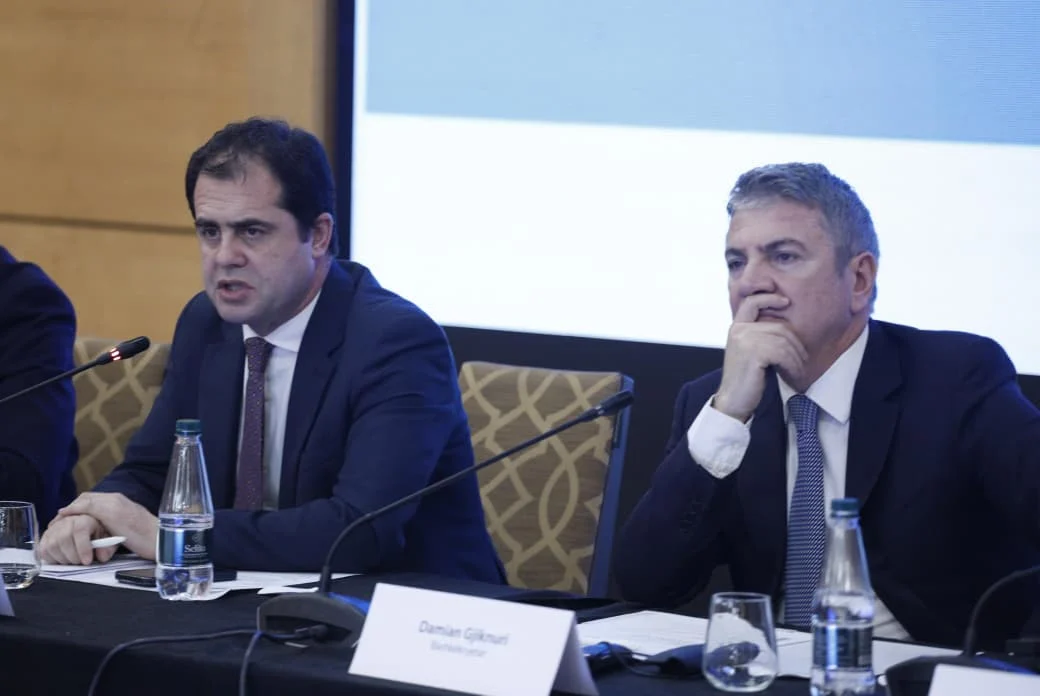
Today’s unprecedented demonstration in Tirana has laid bare the deep fissures within Albanian society and its political landscape. Organized primarily by the unified opposition front, comprising various democratic parties and a growing coalition of non-governmental organizations, the protest aimed to pressure the government into conceding to a series of demands centered on accountability and democratic renewal.
The immediate triggers for this massive mobilization are multi-faceted, ranging from a series of high-profile corruption scandals implicating senior government officials to a worsening economic climate characterized by rampant inflation, high unemployment – particularly among youth – and a perceived widening gap between the political elite and ordinary citizens. Recent reports from international bodies have also highlighted concerns over the rule of law, media freedom, and the integrity of the judicial system, further eroding public trust.
Key demands articulated by protest leaders included:
- The immediate resignation of the Prime Minister and the entire cabinet.
- The formation of a technocratic government to oversee a transitional period.
- The organization of early parliamentary elections under a new, more inclusive electoral framework.
- Comprehensive and independent investigations into alleged corruption cases.
- Concrete measures to address the cost of living crisis and stimulate economic growth for all citizens.
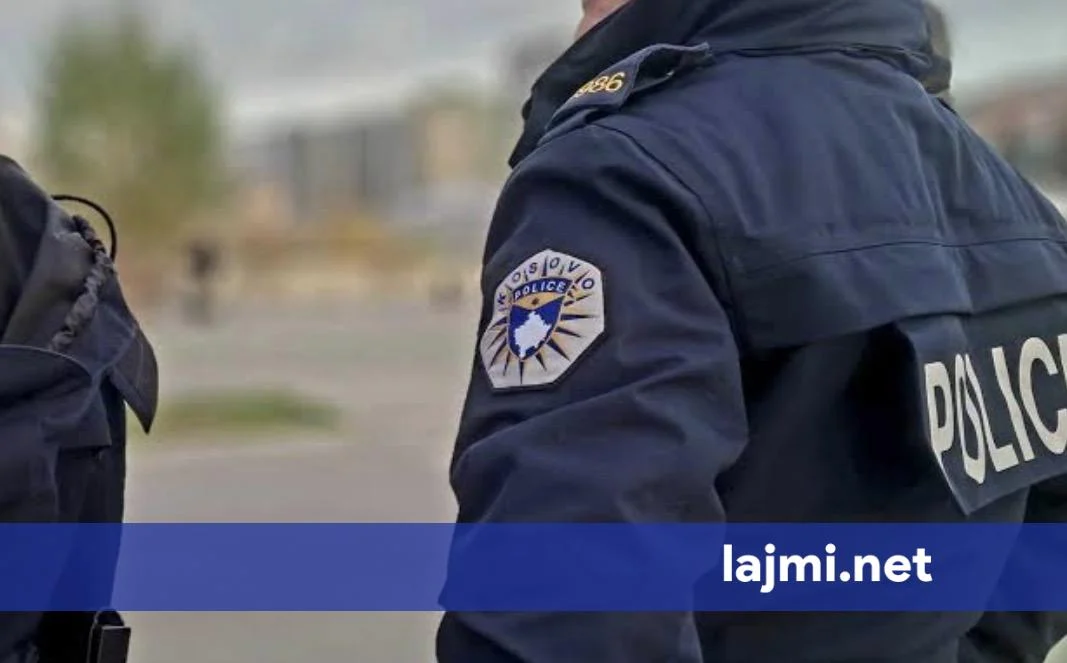
Despite the highly charged atmosphere, the protest remained largely peaceful, a testament to the organizational efforts of the opposition and the disciplined conduct of the demonstrators. A heavy but discreet police presence monitored the proceedings, ensuring public order without incident. However, the determination etched on the faces of the thousands gathered suggested that this was not a fleeting moment of anger but rather a deep-seated demand for systemic change that is unlikely to dissipate quietly.
The government, for its part, has largely dismissed the protest as a politically motivated spectacle orchestrated by a desperate opposition, attempting to downplay the numbers and the genuine grievances fueling the public outcry. This dismissive stance, however, risks further alienating a significant portion of the electorate and could exacerbate the current political deadlock.
Chronology of Discontent: A Brewing Storm
The roots of today’s massive protest run deep, extending back several years into a complex tapestry of political developments, economic challenges, and persistent governance issues that have progressively eroded public confidence in Albania’s institutions.
Years of Mounting Frustration (2020-2024)
Following the 2021 general elections, which saw the incumbent party secure another term, the initial hopes for accelerated reforms and EU integration began to wane amidst a series of controversies. Albania consistently ranked low on international corruption perception indices, with reports detailing the pervasive nature of corruption at all levels of government and administration. High-profile arrests and investigations were often criticized for being selective or slow-moving, leading to public cynicism about the justice system’s independence.
Economically, the post-pandemic recovery was uneven. While official statistics often painted a positive picture, ordinary Albanians faced stagnating wages, a growing cost of living, and a persistent brain drain as young, educated professionals sought opportunities abroad. The country’s youth unemployment remained stubbornly high, feeding a sense of hopelessness and frustration among a demographic eager for change.
The Catalyst: Escalating Scandals and Economic Hardship (2025-Early 2026)
The year 2025 marked a significant turning point. A series of investigative journalistic reports and leaks exposed alleged grand corruption schemes involving public tenders, concessions, and misuse of EU funds. These revelations, widely circulated and discussed on social media, ignited public anger, particularly concerning infrastructure projects and energy contracts where costs appeared inflated and transparency lacking.
Simultaneously, the global inflationary pressures hit Albania particularly hard. Prices for essential goods, fuel, and utilities soared, making daily life increasingly difficult for average families. Government measures to mitigate these impacts were perceived as insufficient or poorly implemented, leading to widespread public outcry. Farmers protested rising input costs, small businesses struggled with taxes and bureaucracy, and pensioners found their fixed incomes increasingly inadequate.
The opposition, fragmented for a period, began to coalesce around these popular grievances, sensing a fertile ground for mobilization. Initial smaller protests, often localized and sector-specific, began to gain momentum, drawing broader participation from civil society groups, environmental activists, and student organizations.
The Road to October 14, 2026: Unifying the Opposition
In the months leading up to October 2026, the various opposition factions, previously plagued by internal divisions, made concerted efforts to present a united front. Key opposition leaders, some of whom had faced their own legal challenges, set aside past differences to focus on a common agenda: the removal of the current government and the establishment of a genuinely democratic and accountable system.
Public rallies and town hall meetings were organized across the country, building momentum and consolidating support. Social media campaigns became highly effective tools for coordination and dissemination of information, bypassing traditional media channels often perceived as government-controlled or influenced. A critical moment came with the unveiling of a "National Accord for Reform," a document outlining the opposition’s vision for a post-government Albania, including specific proposals for electoral reform, judicial strengthening, and anti-corruption measures. This accord provided a concrete framework around which diverse groups could rally.
The announcement of the October 14 protest date was met with immediate and widespread support. Mobilization efforts intensified, with volunteers working tirelessly to ensure maximum participation. The message was clear: the time for incremental change was over; the people demanded a fundamental shift in governance.
Supporting Data: The Evidence of Discontent
The widespread public anger culminating in today’s protest is not merely anecdotal but is supported by a wealth of data and analytical reports painting a grim picture of Albania’s socio-economic and political health.
Economic Strain on Households
According to the latest data from the Albanian Institute of Statistics (INSTAT), inflation in September 2026 reached an alarming 8.5%, significantly eroding purchasing power. Food prices, a major concern for low-income families, had surged by over 12% year-on-year. The average monthly net wage, while showing modest nominal growth, lagged significantly behind the rising cost of living, leading to a de facto reduction in real incomes for many. Unemployment, particularly among the 15-29 age group, stood stubbornly at over 25%, forcing thousands to seek opportunities abroad. Remittances, while vital, could no longer fully offset the domestic economic pressures. A recent survey by the World Bank indicated that over 40% of Albanian households reported struggling to meet their basic needs, a sharp increase from three years prior.
The Shadow of Corruption
Transparency International’s 2025 Corruption Perception Index (CPI) ranked Albania among the lowest in Europe, scoring 33 out of 100, indicating a severe problem with public sector corruption. This placed Albania significantly below its regional peers and further from the EU average. The report highlighted systemic issues in public procurement, the judiciary, and law enforcement. Specific scandals, such as the "Incinerators Affair" (a long-running saga involving alleged corruption in waste management contracts) and controversies surrounding large-scale public-private partnerships, have become symbols of the government’s perceived failure to combat corruption effectively. Public opinion polls consistently show corruption as the number one concern for Albanian citizens, with over 70% believing that corruption is widespread within government institutions.
Eroding Trust in Institutions
Beyond economic hardship and corruption, a critical factor fueling public discontent is the profound erosion of trust in state institutions. A 2026 Balkan Barometer survey revealed that only 28% of Albanians trusted their government, 22% trusted the judiciary, and a mere 15% trusted political parties. These figures are among the lowest in the Western Balkans. This widespread skepticism undermines the legitimacy of democratic processes and fuels a sense of powerlessness among citizens. The media landscape has also come under scrutiny, with reports from organizations like Reporters Without Borders pointing to increasing pressure on independent journalism and a concentration of media ownership, further limiting the space for critical public discourse.
The Emigration Crisis
The "brain drain" continues to be a severe challenge. Eurostat data for 2025 indicated a record number of Albanian citizens seeking asylum or residency in EU countries, many citing economic desperation and a lack of faith in their country’s future. This exodus of young, skilled labor represents a significant loss for Albania’s long-term development and serves as a stark indicator of the public’s disillusionment.
The "Sondazh" (poll) feature on the ABC News website, though currently showing "Loading…", is expected to reflect these deep-seated sentiments, likely indicating overwhelming public support for the protest’s objectives and a strong desire for political change.
Official Responses: Defiance and Dismissal
In the immediate aftermath of today’s massive demonstration, the government’s response has been one of defiance and an attempt to minimize the protest’s significance, a strategy that risks further inflaming tensions.

Government’s Stance
Speaking from a hastily arranged press conference, the Prime Minister acknowledged the right to protest but vehemently dismissed the demands for resignation and early elections. "This is not a spontaneous expression of the people’s will, but a desperate maneuver by a discredited opposition trying to seize power outside of democratic processes," he stated, accusing opposition leaders of attempting to destabilize the country for their own political gain. He reiterated his government’s commitment to its reform agenda, particularly in justice and economic development, claiming that these protests were an attempt to derail progress.
The Minister of Interior praised the police for maintaining order, emphasizing that no major incidents occurred, and subtly hinting that any future unrest would be met with appropriate measures. Government spokespersons have been active on state-controlled media, downplaying the crowd numbers and highlighting specific instances of alleged "political opportunism" by opposition figures.
Parliamentary Echoes
Within the Albanian Parliament, the ruling majority largely echoed the Prime Minister’s sentiments. During a session that saw heated exchanges, government MPs accused the opposition of lacking a credible alternative program and resorting to street politics when unable to win through the ballot box. They emphasized the stability brought by the current government and warned against actions that could jeopardize Albania’s path towards European integration.
The opposition, conversely, used parliamentary platforms to amplify the demands of the protesters, presenting the mass turnout as irrefutable proof of the government’s lost legitimacy. They called for an emergency parliamentary debate on the political crisis and demanded a vote of no confidence in the government.
International Reaction
The international community has reacted with a mix of caution and concern. The European Union Delegation in Tirana issued a statement calling on all political actors to "exercise restraint, engage in constructive dialogue, and respect democratic principles." It also reaffirmed the importance of peaceful protest as a fundamental democratic right. The US Embassy in Tirana likewise urged for calm and encouraged political leaders to address public concerns through institutional channels, while also reiterating the need for accountability and transparency in governance. These statements, while diplomatic, subtly underscore the international community’s recognition of the gravity of the situation and the underlying issues at play. There is an implicit warning that prolonged instability could impact Albania’s EU accession prospects.
Implications: A Crossroads for Albania
The mass anti-government protest of October 14, 2026, marks a significant turning point in Albania’s political trajectory, carrying profound implications for its stability, democratic future, and European aspirations.
Political Stability and Governance
The most immediate implication is a severe challenge to the government’s stability. While the Prime Minister has refused to resign, the sheer scale of the protest and the intensity of public anger will make it increasingly difficult for the administration to govern effectively. The current political deadlock could lead to:
- Prolonged Instability: A cycle of protests and government defiance could persist, creating a climate of uncertainty that deters investment and paralyzes decision-making.
- Government Reshuffle or Early Elections: Under sustained pressure, the Prime Minister might be forced to undertake a significant cabinet reshuffle to appease public anger, or ultimately, concede to early elections, albeit under terms that are likely to be heavily negotiated.
- Deepening Polarization: The current standoff risks further entrenching the already deep political polarization within Albania, making constructive dialogue and consensus-building even more challenging.
Impact on EU Integration
Albania’s long-standing ambition to join the European Union hinges on its ability to demonstrate progress in areas such as the rule of law, anti-corruption efforts, and the functioning of democratic institutions. Today’s events, while showcasing the vibrancy of civil society, also highlight significant weaknesses. Prolonged political instability, an inability to address corruption, and a breakdown in political dialogue could severely hamper Albania’s EU accession process, potentially delaying the opening of new negotiation chapters or even freezing current progress. The international community, particularly Brussels, will be closely monitoring how the Albanian government and opposition navigate this crisis.
Economic Repercussions
The political uncertainty generated by the protests could have significant economic repercussions. Investor confidence, already fragile due to corruption concerns, could plummet, leading to capital flight and a slowdown in foreign direct investment. The tourism sector, a crucial pillar of the Albanian economy, could also suffer if perceptions of instability prevail. Furthermore, the government’s ability to implement critical economic reforms and address the cost of living crisis might be hampered by its focus on managing the political crisis, further exacerbating the challenges faced by ordinary citizens.
The Role of Civil Society and Media
The protests have also underscored the growing power and importance of civil society organizations and independent media in holding power accountable. In an environment where traditional political institutions are viewed with suspicion, these actors have emerged as crucial voices for public grievances. Their continued role in monitoring governance, advocating for reforms, and informing the public will be vital in shaping Albania’s future. However, they also face the risk of increased pressure or attempts at delegitimization from state actors.
As night falls over Tirana, the echoes of today’s chants still resonate. Albania stands at a critical crossroads. The path it chooses in the coming weeks and months – whether towards genuine dialogue and reform or continued confrontation – will undoubtedly define its trajectory for years to come, impacting not only its citizens but also its standing within the broader European community. The world watches closely to see if the calls for justice and accountability will finally yield substantive change.