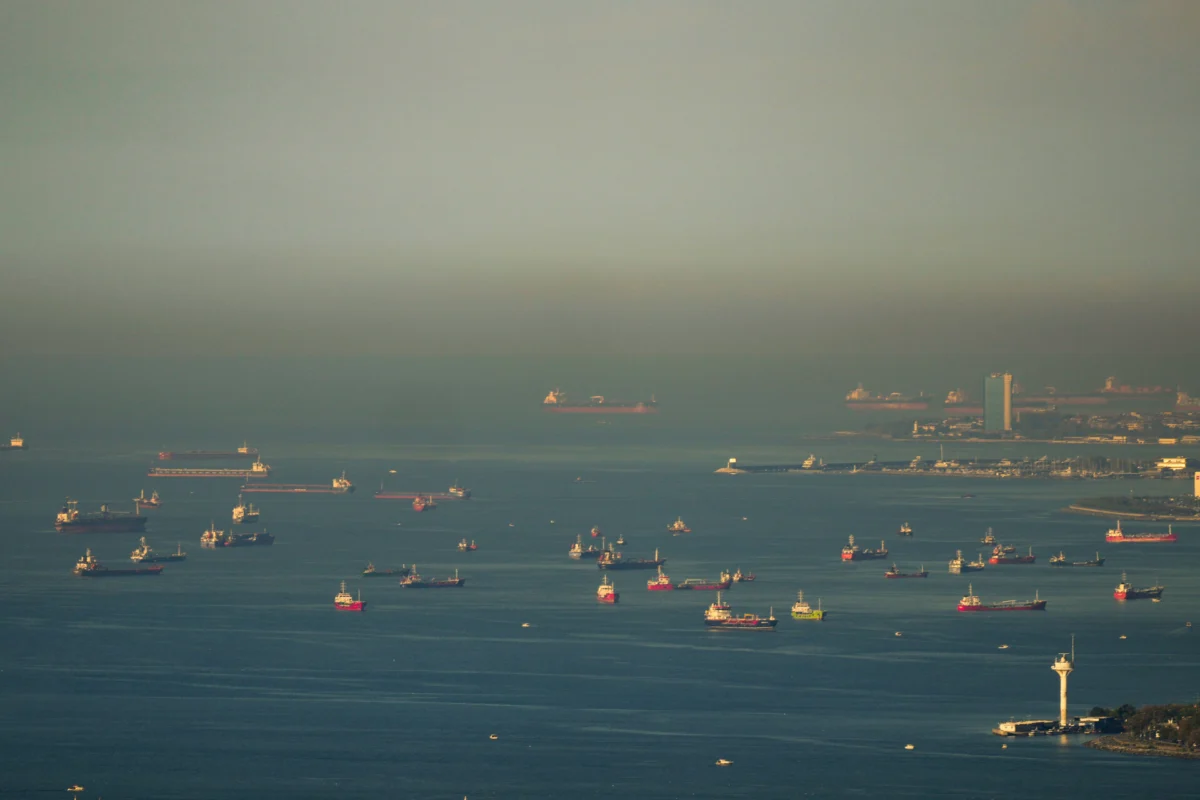
The maritime landscape is undergoing a perilous transformation. In a span of less than 24 hours this week, the fragility of global shipping was underscored by two distinct, high-stakes incidents: the sinking of a commercial vessel by drone strikes off the coast of Bulgaria and the dramatic boarding of a "shadow fleet" oil tanker by the French Navy in the Indian Ocean. These events serve as a stark reminder that the war in Ukraine is no longer confined to the trenches of the Donbas or the skies over Kyiv; it has metastasized into a far-flung naval conflict that threatens the very pillars of international trade and the Law of the Sea.
As drones redefine naval warfare and clandestine fleets bypass global sanctions, the international community finds itself struggling to maintain the principle of freedom of navigation. The result is a dangerous new normal where commercial sailors are increasingly caught in the crossfire of geopolitical brinkmanship.
A Chronology of Escalation: From the Black Sea to the Indian Ocean
The recent surge in maritime hostilities began with a disturbing trend in the Black Sea. Last week, an unattributed double drone strike targeted two commercial vessels operating within Bulgaria’s Exclusive Economic Zone (EEZ). The precision and lethality of these strikes resulted in the sinking of one ship, with all 10 crew members presumed lost.
The pattern repeated itself this past Tuesday. Two more commercial vessels were targeted by drone strikes just outside Bulgaria’s territorial waters. Again, the result was catastrophic: one ship was sunk, leaving 11 sailors missing as of this report. These attacks suggest a systematic effort to disrupt maritime traffic in a region that serves as a critical artery for Ukrainian grain and energy exports.
Simultaneously, the theater of operations expanded thousands of miles away. In the Indian Ocean, the French Navy executed a high-stakes interception, boarding an oil tanker suspected of operating under a false flag. The vessel is widely believed to be a component of the “shadow fleet”—a clandestine network of aging, often uninsurable tankers used by Russia to bypass U.S. and European sanctions on its oil exports. This interception represents a significant escalation in the enforcement of Western sanctions, signaling that the "shadow fleet" is no longer operating with impunity in international waters.
The Technological Shift: Drones at Sea
The tactical shift toward the use of unmanned surface and aerial vehicles (USVs and UAVs) in naval combat marks a paradigm shift in maritime security. For decades, naval dominance was defined by the presence of capital ships—destroyers, frigates, and aircraft carriers. Today, the battlefield is being democratized by low-cost, high-impact drone technology.
The sinking of commercial ships in the Black Sea demonstrates that drones can effectively challenge the safety of civilian shipping without the need for a conventional naval engagement. These drones, often difficult to track on traditional radar and capable of loitering in wait, have turned the Black Sea into a "no-go zone" for many commercial operators. Insurance premiums for vessels entering these waters have skyrocketed, effectively acting as a form of economic warfare that throttles trade independent of physical blockades.
The Shadow Fleet: Sanctions and Secrecy
While drones represent the kinetic threat to shipping, the "shadow fleet" represents an existential threat to the integrity of the global financial and regulatory system. Russia’s reliance on these tankers has allowed it to continue funding its war machine despite Western efforts to choke off its oil revenue.
The French Navy’s intervention in the Indian Ocean provides a glimpse into the complexities of this shadow economy. These vessels frequently switch off their Automatic Identification Systems (AIS), engage in ship-to-ship transfers to obscure the origin of their cargo, and sail under flags of convenience. The French operation highlights a growing trend of Western naval powers taking a more assertive role in interdicting these vessels, transforming the high seas into a theater of intelligence-led enforcement.
Official Responses and Diplomatic Friction
The diplomatic fallout from the Black Sea attacks has been immediate and severe. Bulgarian Prime Minister Rumen Radev, addressing the recent loss of life and property, summoned the Russian ambassador to Sofia. While the attacks remain officially unattributed, Radev noted, "the logic suggests that the outcome benefits the Russian Federation," pointing to the fact that one of the targeted ships was Ukrainian-owned.
The Russian Federation has consistently denied involvement in attacks on commercial shipping in the Black Sea, often labeling such incidents as "provocations" by Kyiv or blaming them on the instability of the region. However, the recurring nature of these strikes—targeting vessels within Bulgaria’s EEZ—suggests a calculated campaign to exert pressure on NATO-adjacent waters.
In the Indian Ocean, the French government’s actions have been framed as a commitment to international law. President Emmanuel Macron has emphasized that the "shadow fleet" poses not only an economic threat but an environmental one, given the poor maintenance standards of these aging tankers. The boarding serves as a clear signal that the European Union is prepared to escalate its enforcement mechanisms to preserve the efficacy of its sanction regimes.
Implications: The Erosion of Maritime Norms
The broader implications of these events are profound. We are witnessing a slow-motion erosion of the United Nations Convention on the Law of the Sea (UNCLOS). The principles of "freedom of navigation" and "innocent passage" are being challenged by state and non-state actors who view the high seas as a tool for geopolitical leverage.
1. The Death of Neutrality
Commercial shipping has historically been afforded a degree of neutrality in times of conflict. However, as the line between military and commercial assets blurs—particularly through the use of civilian ships to transport sanctioned goods or the use of commercial corridors for logistics—neutrality is becoming a relic of the past. Shipping companies are increasingly finding it impossible to remain neutral, as they are forced to choose between the risks of Western sanctions and the dangers of operating in contested waters.
2. Economic Warfare and Global Inflation
The disruption of shipping lanes in the Black Sea has direct consequences for global food security. As one of the world’s breadbaskets, Ukraine’s inability to safely export grain drives up commodity prices, disproportionately affecting developing nations. When this is coupled with the destabilization of energy transport via the shadow fleet, the cumulative effect is a persistent inflationary pressure on the global economy.
3. The Future of Maritime Security
The current situation forces a re-evaluation of naval doctrine. Traditional navies, designed for fleet-on-fleet combat, are ill-equipped to deal with a swarm of low-cost drones or the tracking of a thousand individual tankers in a global game of cat-and-mouse. We are likely to see an increase in multinational maritime security coalitions, similar to those seen in the Red Sea, tasked with protecting commercial traffic from asymmetric threats.
4. Legal Precedents
The boarding of the shadow fleet vessel sets a dangerous, yet perhaps necessary, precedent. If states begin to unilaterally board ships in international waters based on intelligence regarding sanction evasion, it could lead to a series of tit-for-tat escalations. The international legal community is now faced with the task of reconciling the need for robust sanction enforcement with the traditional protections afforded to merchant vessels under international law.
Conclusion: A Fragile Horizon
The events of this week are not isolated incidents; they are symptomatic of a world where the rules-based order is being strained to its breaking point. As drones turn the Black Sea into a graveyard for commercial ships and the Indian Ocean becomes a site for clandestine interceptions, the global shipping industry is entering a period of unprecedented uncertainty.
For the international community, the challenge is clear: it must develop a strategy to protect freedom of navigation without triggering a wider, uncontrolled maritime conflict. Whether this is achieved through enhanced surveillance, more aggressive naval patrols, or a renewed diplomatic push to secure maritime corridors, the stakes could not be higher. The sailors missing in the Black Sea and the crew members of the intercepted tanker are the first casualties of this new, fragmented maritime reality. Without a concerted effort to restore the rule of law at sea, they are unlikely to be the last.