In the rapidly shifting landscape of digital marketing, staying ahead requires more than just reacting to the latest algorithm change—it requires a fundamental shift in how we build trust, leverage artificial intelligence, and retain audience attention. As we navigate through the current quarter, a convergence of professional networking strategies, long-form content mastery, and aggressive AI integration across major social platforms is reshaping the industry.
This report synthesizes the most critical updates from the current marketing landscape, offering actionable insights for professionals looking to optimize their workflows and audience engagement strategies.
1. The Trust Loop: Leveraging LinkedIn for Client Acquisition
In a digital era rife with anonymity and bot-generated content, credibility has become the most valuable currency for marketers and service providers. A common pitfall for modern professionals is the fragmentation of social proof; scattering testimonials across disparate websites makes it difficult for prospects to verify a consultant’s expertise.
The Power of Verified Reputation
Industry experts, including strategist Judi Fox, emphasize the "LinkedIn Trust Loop." Unlike website-hosted testimonials—which can easily be fabricated or lack context—LinkedIn recommendations are tethered to verified professional identities. By utilizing your LinkedIn recommendations URL as a central pillar of your sales funnel, you provide potential clients with a transparent, verifiable chain of trust. This strategy effectively eliminates the "vetting friction" that often prevents a prospect from booking a discovery call.

2. YouTube Strategy: Moving Beyond the "Distracted Scroller"
The industry has long been obsessed with the reach of short-form video. However, Adam Ivy, founder of the YouTube Revenue Lab, argues that many creators are burning themselves out on content that fails to build lasting business value.
Retention vs. Reach
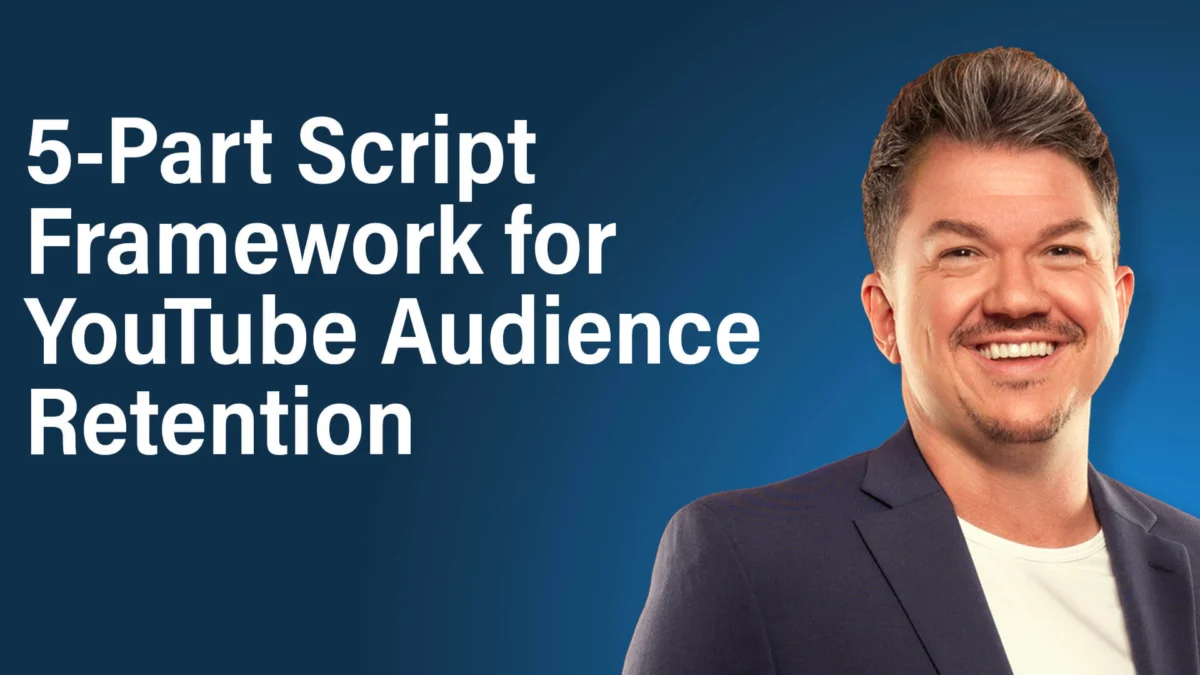
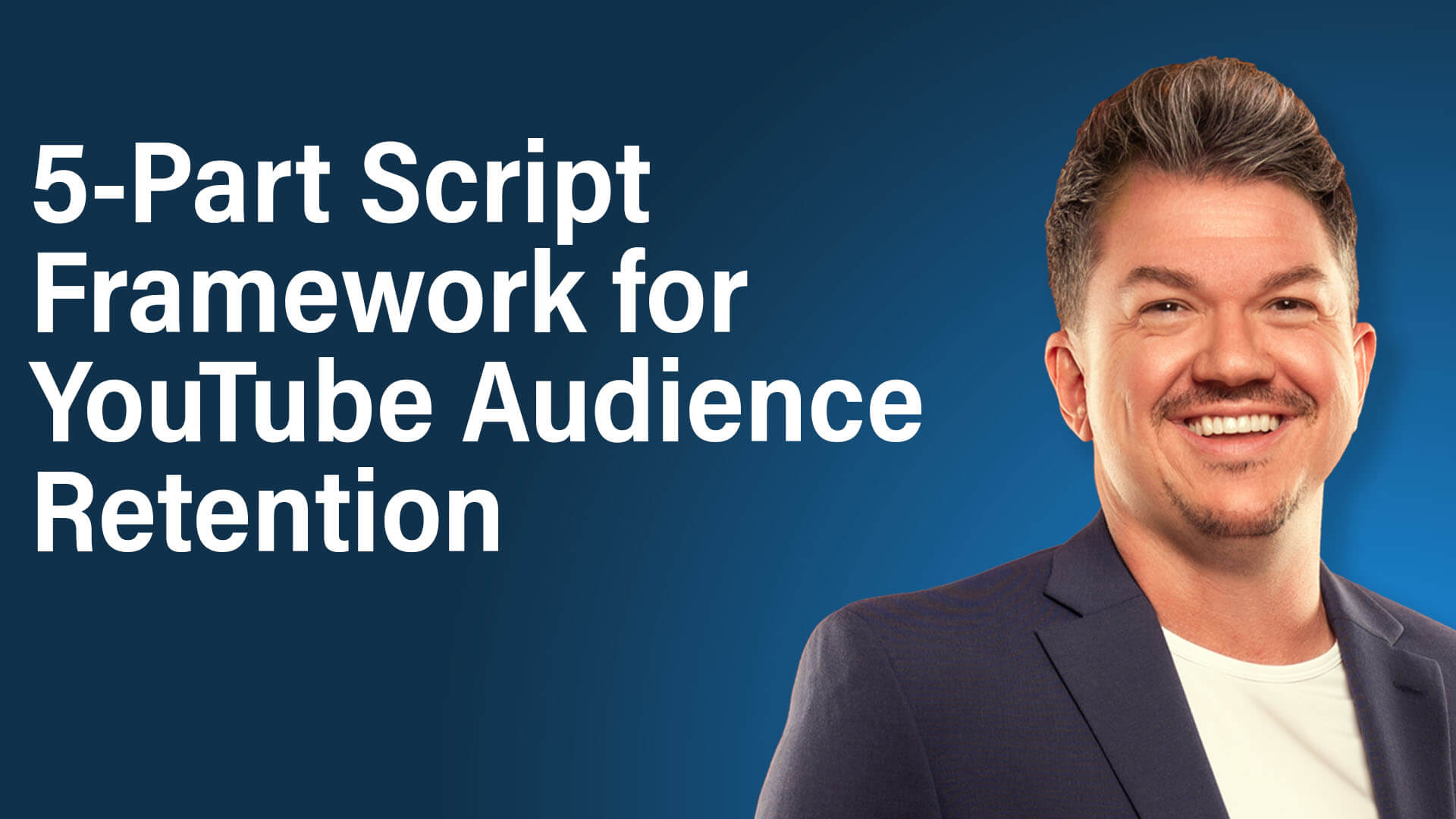
While short-form content offers ephemeral reach, long-form video remains the gold standard for trust-building and lead generation. Ivy’s methodology prioritizes "focused attention" over the mindless, distracted scrolling typical of Shorts or TikTok.
Key Tactical Takeaways for YouTube Success:
- The Emotional Hook: The first few seconds of a video must establish an emotional resonance with the viewer’s problem before delivering the "payoff."
- Storytelling Architecture: Instead of using rigid, numbered lists—which can cause viewers to disengage once they feel they have the "answer"—creators should utilize organic transitions that maintain narrative momentum.
- Non-Salesy CTAs: Engagement should be prompted through active participation (e.g., questions that require a thoughtful comment). Lead magnets should be introduced casually, integrated into the narrative rather than treated as an intrusive ad break.
- Ending with Velocity: Long-winded conclusions often kill channel growth. By wrapping up quickly and directing viewers into a subsequent video, creators can maximize session time and improve algorithmic favorability.
3. The AI Evolution: From Prompting to Workflow Automation
The novelty of generative AI has worn off. The competitive advantage is no longer found in knowing how to write a prompt, but in the ability to build sophisticated, repeatable workflows that save dozens of hours per week.
Lessons from the Frontlines
As demonstrated in recent industry docuseries, the most effective AI implementations involve "chaining" models. For instance, creators are now using platforms like Claude to orchestrate complex tasks, such as tasking Gemini with auditory analysis (a capability Claude may lack) to curate music for video production.
Furthermore, the transition from manual scheduling to AI-driven "skills" allows marketers to provide feedback loops. By correcting an AI’s initial mistake, the system learns to handle future tasks with higher precision, effectively turning a platform into a personalized digital assistant.
4. Chronology of Platform Updates (Recent Developments)
The following timeline highlights the rapid technological advancements deployed by major platforms to dominate the marketing ecosystem:
- Instagram’s Creative Expansion: Instagram has introduced a new carousel creation workflow within the Edits app, allowing for the integration of photos, videos, and custom cutout stickers. This move signals a pivot toward more robust, all-in-one content creation tools for creators.
- The iOS Interface Conflict: Adam Mosseri, head of Instagram, has addressed the ongoing technical friction regarding the native iOS tab bar. While Apple’s updates have improved image support, Instagram continues to face hurdles with video-related color effects and gesture-based navigation, reflecting the constant "cat-and-mouse" game between third-party apps and OS developers.
- Meta’s Agentic AI Leap: Meta has pushed beyond simple campaign creation. Their new AI-powered tools now include in-conversation checkout, natural-language audience discovery, and generative video capabilities, effectively shortening the path from advertisement to transaction.
- Reddit’s Lead Gen Pivot: Reddit is aggressively targeting B2B and lead-gen marketers by launching "Max" campaigns and deeper CRM integrations, aiming to shift the platform’s reputation from a discussion forum to a qualified demand-generation engine.
- TikTok’s Commerce Push: TikTok is embedding "Agentic AI" into every stage of the customer journey, from conversational shopping assistants to automated search campaigns, signaling an effort to capture more of the bottom-of-funnel conversion market.
5. Implications for the Marketing Professional
The overarching trend across these updates is the "Agentification" of the internet. We are moving away from passive advertising toward an era of active, conversational agents that facilitate commerce, lead generation, and content discovery.
Strategic Recommendations:
- Consolidate Your Trust Assets: Audit your online presence. If your testimonials are scattered, centralize them through LinkedIn to take advantage of the platform’s native trust verification.
- Prioritize "Depth" over "Breadth": While AI helps with volume, your human strategy should focus on high-retention, long-form content that deepens the relationship with your audience.
- Invest in Workflow Literacy: Stop testing every new tool. Instead, pick a core set of AI tools (like Claude, Gemini, or Meta’s suite) and focus on building "skills" and automated workflows that solve your specific operational bottlenecks.
- Embrace Transparency: As seen in recent creator docuseries, audiences are increasingly drawn to "process-based" content. Sharing your failures and the raw, unpolished steps of your workflow is now a powerful way to build community and trust.
6. Official Perspectives and Industry Forecasts
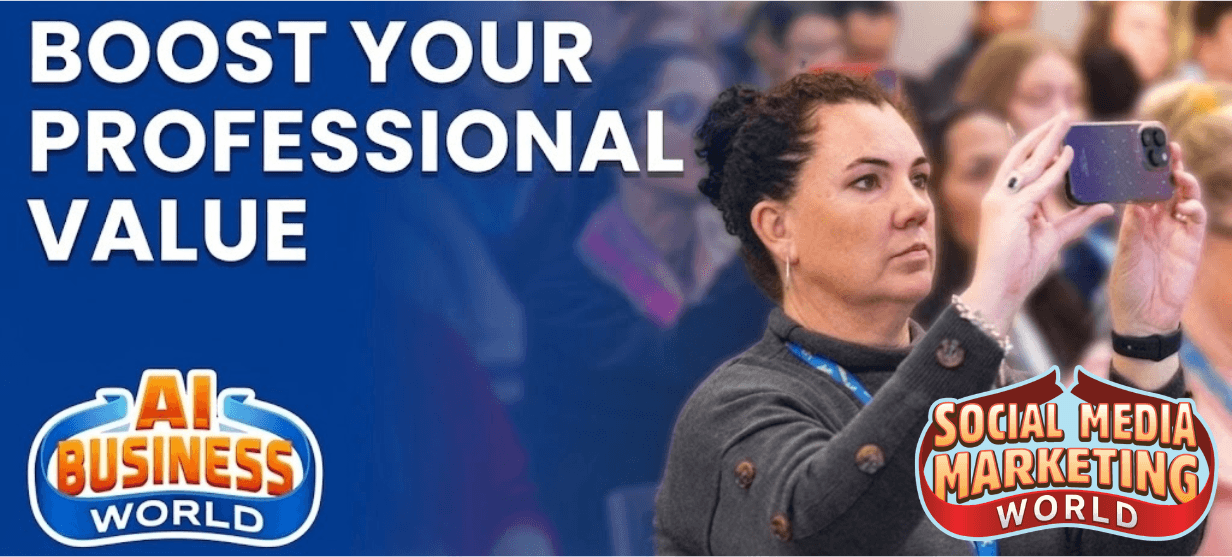
As the industry looks toward the 2027 conference circuit and beyond, the consensus among leaders like Michael Stelzner is clear: the divide between those who simply "use" AI and those who "integrate" AI into their business architecture is widening.
The introduction of "Agentic" tools—systems that don’t just provide information but perform actions (such as qualifying leads or closing a sale)—represents the most significant shift since the advent of social advertising. Marketers who ignore these tools in favor of traditional manual processes will likely find themselves at a severe disadvantage regarding both efficiency and data accuracy.

Conclusion: Preparing for the Future
The next phase of social media marketing will not be defined by who has the most followers, but by who has the most efficient systems for turning digital interactions into tangible business outcomes. Whether it is through the strategic use of LinkedIn for social proof, the optimization of long-form YouTube content, or the deployment of agentic AI workflows, the roadmap for the coming year is defined by automation, trust, and deep engagement.
For the modern marketer, the message is clear: Focus on what machines cannot replicate—your unique perspective, your commitment to the process, and the depth of the relationships you build with your audience. As we continue to integrate these new technologies, the goal remains the same: to foster authentic connections in an increasingly automated world.