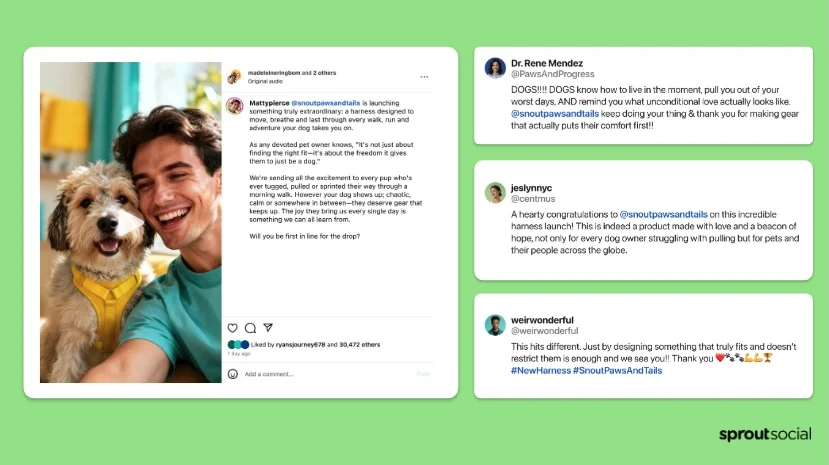
In the modern digital landscape, social media teams often find themselves sitting on a goldmine of information. Engagement metrics are rising, brand mentions are spiking, and sentiment is trending upward. Perhaps most importantly, customers are openly discussing product hacks, voicing frustrations, and sharing unfiltered feedback in real-time. Yet, for many organizations, this treasure trove of intelligence remains trapped within the confines of a marketing dashboard.
Despite the wealth of data at their fingertips, a staggering 64% of organizations are failing to regularly leverage social insights to inform decisions outside of the marketing department, according to the 2026 Social Intelligence Report. This disconnect reveals a critical gap: when raw data cannot be translated into a compelling business narrative, the momentum generated by social media activity often evaporates, leaving strategic opportunities untapped.
The Data-Storytelling Gap: A Strategic Hurdle
The primary obstacle facing social media teams is not a lack of data, but a "storytelling problem." Data, by its nature, is objective and often clinical. Without a narrative framework, numbers—no matter how impressive—remain abstractions. To drive genuine change, social teams must act as the bridge between raw, unfiltered consumer sentiment and the strategic objectives of the broader organization.
Data storytelling is the practice of synthesizing data science, narrative arcs, and visual design to animate the insights hidden within spreadsheets. It is the bridge between a static metric and a strategic decision. When a social team reports a spike in mentions, that is a metric. When they explain that the spike is driven by a specific customer reaction to a new pricing model and recommend a tactical pivot, that is a data story.
The Chronology of Insight: From Noise to Signal
The journey of social data from a raw "ping" to a boardroom recommendation typically follows a specific path.
Phase 1: The Raw Signal. This is the immediate, unprompted reaction from the market. Unlike CRM data or support tickets, which record interactions after a customer has already entered the sales funnel, social media captures the "pre-funnel" sentiment. It is the world’s largest, most candid focus group.

Phase 2: The Translation. Once the signal is identified, the social team must categorize it. Is it a fleeting trend or a structural shift? This phase requires pairing quantitative data (the volume of mentions) with qualitative data (the "why" behind the sentiment, such as screenshots of user complaints or praise).
Phase 3: The Narrative Construction. The data is then wrapped in a narrative arc. The team must identify the "obstacle" the data presents—a competitor’s product launch, a PR crisis, or a successful influencer partnership—and propose a "resolution."
Phase 4: The Delivery. Finally, the story is delivered to stakeholders. This is where the translation layer occurs. If the audience is the C-suite, the story must map to the bottom line (revenue, retention, or risk). If the audience is the product team, the story must map to feature utility and user experience.
Supporting Data: Why Context is King
The 2026 Social Intelligence Report highlights a sobering reality: 86% of organizations admit to having missed significant business opportunities in the last two years because social insights were either siloed, delayed, or underutilized.
This failure is largely a governance issue. When insights are treated as "marketing-only" information, the rest of the organization remains blind to the real-time shifts in consumer behavior. To rectify this, data storytelling must move beyond reporting and toward context-building.
Contextualizing social data involves three critical pillars:
- Industry Benchmarking: How does this data compare to competitors?
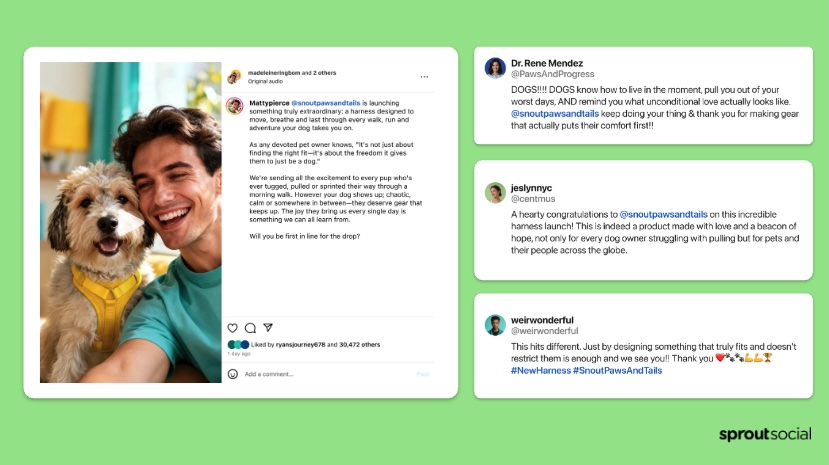
- Qualitative Validation: Using direct customer quotes to humanize the statistical trend.
- Correlation Mapping: Linking social metrics (response time, sentiment) to tangible business outcomes (customer lifetime value, churn rate).
Official Perspectives: Shaping the Narrative
Industry experts argue that the most successful social teams are those that master the "translation layer." By speaking the language of other departments—using terms like "pipeline," "retention," and "operating risk"—social teams can secure a seat at the decision-making table.
"Data storytelling is not about presenting a chart," says a lead analyst at Sprout Social. "It’s about defining the ‘so what?’ for your audience. If an executive sees a line graph, they see a trend. If they see a line graph that illustrates how a specific social campaign directly lowered customer acquisition costs, they see a strategic imperative."
A Step-by-Step Framework for Impact
To ensure that social insights drive actual business change, teams should adopt a formal framework for their reporting:
1. Identify the Core Objective
Before pulling any data, ask: What is the goal? Are you trying to justify a budget increase, advocate for a product feature, or defend against a brand reputation threat? Your narrative should be laser-focused on this outcome.
2. Lead with the "Second-Best" Point
Don’t open with your strongest evidence. Start by validating what the audience already knows—e.g., "As you know, sales are up." Then, pivot to the insight they haven’t seen: "What you may not have noticed is that this growth correlates precisely with our social engagement strategy."
3. Use Visuals as Evidence, Not Decoration
Every chart must serve a purpose. If a graph doesn’t immediately illustrate a point or answer a question, remove it. Visuals should be used to simplify complexity, not to fill white space.

4. Anticipate the "Counter-Narrative"
Decision-makers will naturally be skeptical. They will ask, "Is this correlation or causation?" Be prepared to answer these questions with deeper data—such as trace-back analysis of influencer referrals or conversion tracking—before they are even asked.
5. Save the "Climax" for the End
Your most powerful data point should be your closer. This leaves the audience with a memorable, actionable takeaway. For example, proving that 33% of new customers came from a single influencer post is a climax that justifies future investment.
6. Always Close with the "So What?"
Never finish a presentation without a clear recommendation. The narrative should conclude with a call to action. "Because of this data, we recommend scaling our influencer program to these three specific demographics."
Implications for the Modern Enterprise
The implications of mastering data storytelling are profound. Organizations that successfully break down these silos gain a massive competitive advantage. They move from a reactive posture—where they respond to trends after the market has shifted—to a proactive one, where they use social data to shape their product roadmaps, marketing strategies, and customer service protocols.
When a story "travels"—meaning it is quoted by executives in meetings where the social team is not even present—the team has succeeded. They have become an indispensable source of market intelligence.
Avoiding the Pitfalls
Despite the potential, there are common traps that undermine data storytelling:
- The "Dashboard Dump": Providing too much data without enough narrative.
- Lack of Audience Tailoring: Presenting the same generic report to both the CFO and the Product Manager.
- Ignoring the Negative: Cherry-picking only positive data creates a narrative that lacks credibility. Transparency in data storytelling is the key to building long-term trust with stakeholders.
Conclusion: A Story Worth Telling
The shift from being a "social team" to a "social intelligence team" requires a fundamental change in how data is processed and presented. It is no longer enough to track metrics; teams must weave those metrics into a tapestry that reflects the reality of the market. By grounding insights in context, visualizing with intent, and focusing relentlessly on the "so what," social teams can elevate their role from content creators to strategic architects of the business.
In a world where data is abundant but clarity is scarce, the ability to tell a compelling, data-backed story is the most valuable currency a team can possess.