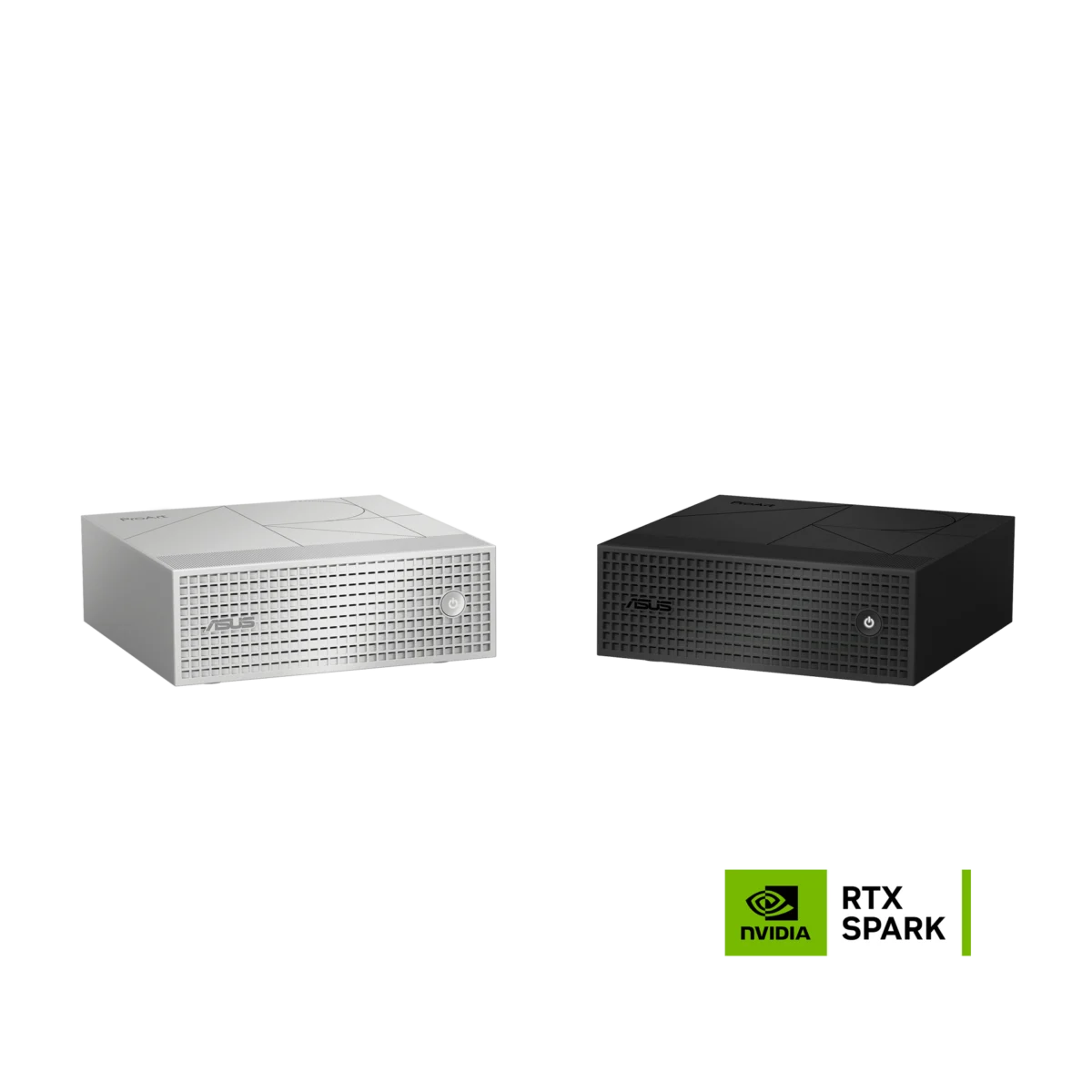
As the artificial intelligence landscape shifts from cloud-based processing to local, high-performance edge computing, hardware manufacturers are locked in an intense race to pack as much silicon-level intelligence as possible into the smallest possible footprints. ASUS has finally pulled back the curtain on the finer details of the ProArt GR1X, an ultra-compact mini PC that aims to challenge the dominance of the Apple Mac Studio and the emerging class of AI-centric workstations. First teased at Computex 2026, the GR1X is positioned as a cornerstone of the professional creator’s desk, leveraging Nvidia’s potent RTX Spark architecture to deliver massive computational throughput in a chassis no larger than a stack of notebooks.
The Main Facts: Power in a Pint-Sized Package
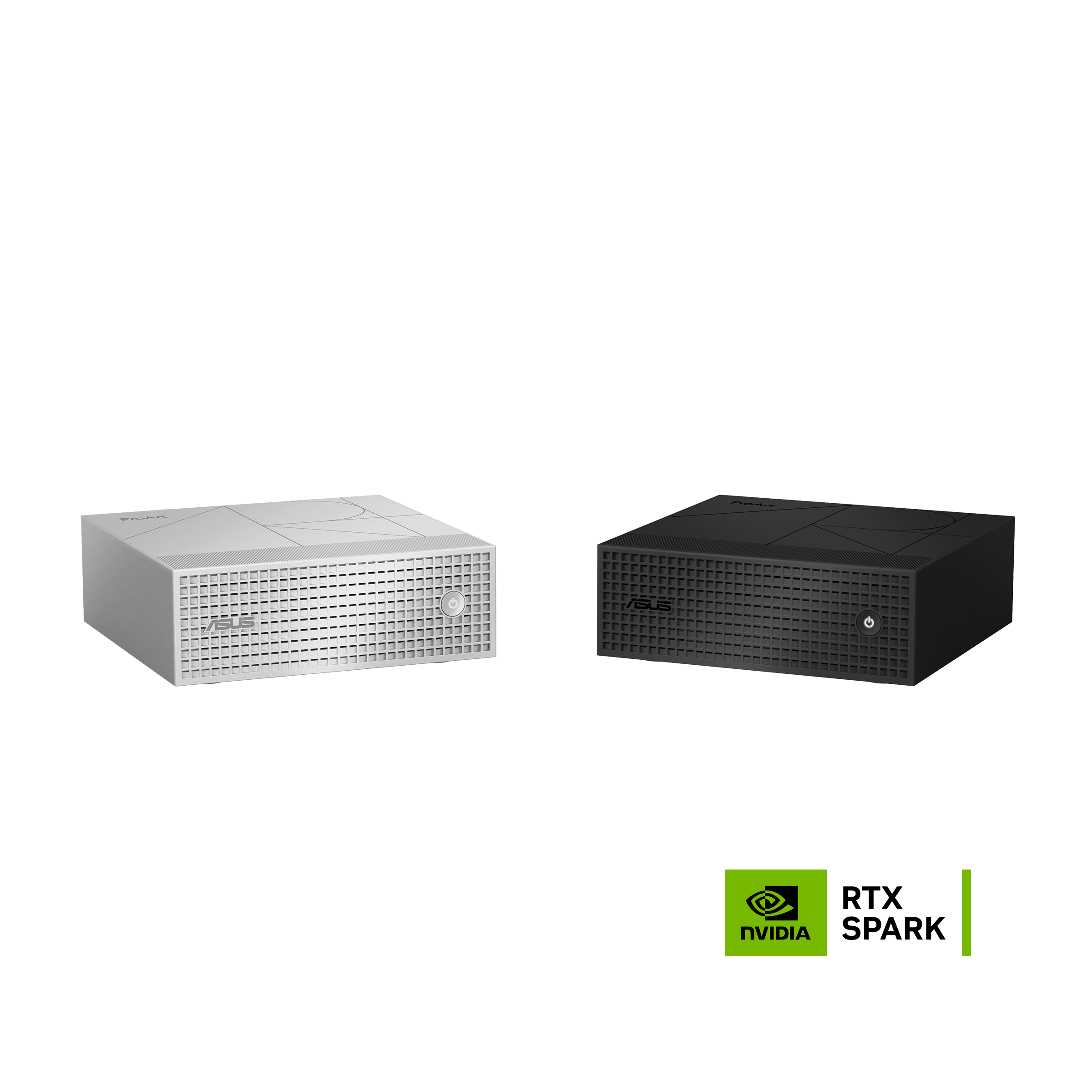
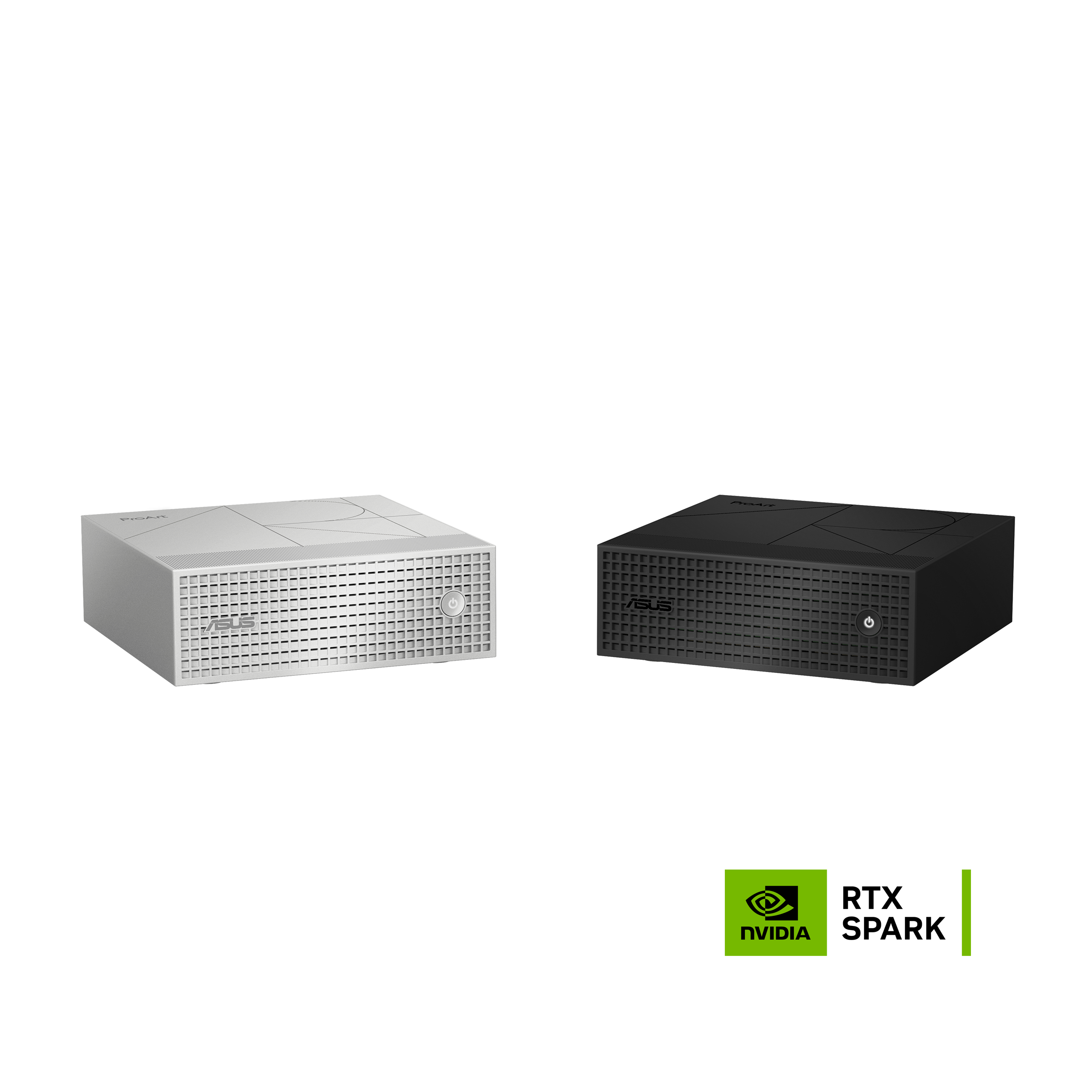
The ASUS ProArt GR1X is defined by its uncompromising density. Measuring just 150 x 150 x 51mm, the machine occupies roughly 1.1 liters of volume, a staggering feat of engineering given the hardware contained within. According to the latest technical specifications provided by ASUS, the system will be available in 64GB and 128GB unified LPDDR5X memory configurations.
At the heart of this machine lies the 20-core RTX Spark N1X processor, which boasts a 6,144-core Blackwell-based GPU and a 140W Thermal Design Power (TDP). To fuel this hungry silicon, ASUS has implemented a 240W USB-C power supply, built to the rigorous USB Power Delivery 3.1 Extended Power Range (EPR) specification. Despite its immense capability, the unit weighs in at a highly portable 1.48kg (3.26lb), making it a legitimate "desktop-in-a-backpack" solution for professionals who need to maintain their AI workflows while on the move.
A Chronology of Development: From Concept to Refinement
The journey of the GR1X has been one of iterative refinement rather than a single, static announcement. The device first captured industry attention on June 1, 2026, when ASUS introduced the "ProArt Mini PC" concept. At that stage, the promise was ambitious: a machine with up to 128GB of memory and significant thermal headroom, targeting a Fall 2026 release window.
Throughout the summer, the specifications fluctuated as the reality of the RTX Spark supply chain and thermal requirements settled in. By late August, ASUS rebranded the machine as the "ProArt GR1X," introducing confusion regarding its power delivery—initially listing 180W before solidifying at the current 240W standard. This adjustment was likely a response to real-world performance tuning of the N1X chip. Furthermore, the exclusion of the 18-core variant of the N1X—which is now firmly relegated to the laptop ecosystem—confirms that the desktop version of the GR1X will exclusively leverage the top-tier 20-core silicon, aligning it perfectly with Nvidia’s own desktop-class RTX Spark specifications.
Supporting Data: The Architecture of Performance
The GR1X is not a vacuum-sealed product; it exists in a complex ecosystem of hardware that includes the ASUS Ascent GX10, a Linux-based "AI supercomputer" that shares nearly identical physical dimensions and cooling architecture—specifically the dual 140 x 80mm fan arrays.
The underlying silicon, the GB10, is the same engine driving the professional-grade DGX Spark. However, industry analysts have been quick to point out that these performance figures come with caveats. While the marketing materials tout "1 petaflop of FP4 performance," this figure is heavily dependent on sparsity—a technique that skips zero-value computations. In dense, traditional computing tasks, the actual throughput will be significantly lower.
Furthermore, the "120-billion-parameter model" capability, which has been a major talking point, is highly conditional. Success in running such large language models depends heavily on quantization, model architecture, and the length of the token context. While 128GB of memory is a significant advantage, the absence of publicly disclosed memory bandwidth figures remains a glaring omission. In the world of high-end AI inference, memory bandwidth is often the primary bottleneck, and with competitors like AMD offering aggressive alternatives, ASUS’s silence on this metric is telling.
Implications: The Competitive Landscape
The ProArt GR1X is entering a market that is arguably more crowded and competitive than at any time in the last decade. Its most significant challenge does not come from Apple, but from the "Strix Halo" and "Gorgon Halo" ecosystem spearheaded by AMD.
AMD’s Ryzen AI Max+ 495, an evolution of the Strix Halo, has set a high bar. While the RTX Spark is powerful, the AMD-based alternatives are increasingly pushing the envelope on memory capacity. Framework and GMKtec have already announced systems capable of supporting up to 192GB of LPDDR5X-8533 memory with a bandwidth of 273GB/s. These systems are not just theoretical; they are hitting the market now. The GMKtec EVO-X5 Pro, for instance, arrives with a premium price tag of approximately $6,599 for a 192GB configuration, providing a baseline for what "extreme" performance costs in the current year.
The implication for ASUS is clear: if the GR1X is to succeed, it cannot rely on the "ProArt" branding alone. With Nvidia having raised the price of its own 128GB DGX Spark to nearly $7,000, the market is signaling that high-memory, high-throughput AI mini-PCs are luxury commodities. If ASUS positions the GR1X at a similar price point, it must justify that cost through superior software optimization, build quality, and thermal management.
Official Responses and Market Positioning
ASUS has remained notably tight-lipped regarding the official MSRP of the GR1X. This absence of a price tag has led to widespread speculation among enterprise buyers and creative professionals. The company has stated that the device will be sold through a "limited set of premium retailers" before the end of 2026, suggesting that this is a halo product intended for a niche audience rather than a mass-market desktop replacement.
From a professional standpoint, the strategy appears to be a defensive move to protect the ProArt brand’s prestige. By targeting the 64GB and 128GB tiers, ASUS is explicitly avoiding the budget segment, opting instead to compete with the likes of Microsoft’s Surface RTX Spark Dev Box.
Conclusion: The Road Ahead
The ASUS ProArt GR1X is a masterclass in modern hardware integration, representing the pinnacle of what can be achieved with current-generation x86 and AI-specific silicon. However, the true test of the GR1X will not be its design, but its execution in the wild.
Prospective buyers are currently left with several unanswered questions:
- The Thermal Threshold: Can the 1.1-liter chassis effectively manage the heat generated by a 20-core N1X chip during sustained, heavy AI workloads without thermal throttling?
- The Bandwidth Gap: How does the memory bandwidth of the GR1X compare to the 273GB/s offered by the latest Gorgon Halo systems?
- The Software Ecosystem: To what extent will ASUS provide custom software optimization to ensure that the hardware is easily accessible for developers and creative professionals?
As we approach the end of 2026, the hardware community waits with bated breath for the final retail pricing. While the specs—128GB of RAM and a 20-core Blackwell GPU—are undeniably impressive, the market is no longer satisfied with just "powerful" hardware. In an era where AMD is pushing toward 192GB capacities and competitors are providing transparency regarding bandwidth and real-world performance, ASUS must ensure that the GR1X is more than just a beautiful, compact chassis. It must be a reliable, performant tool that justifies its place on the desk of the most demanding AI practitioners. Until the unit hits the testing bench, the GR1X remains a tantalizing promise—a powerhouse waiting to prove it belongs in the pantheon of professional workstations.