By Doloresz Katanich with AFP
Published: 13/10/2026
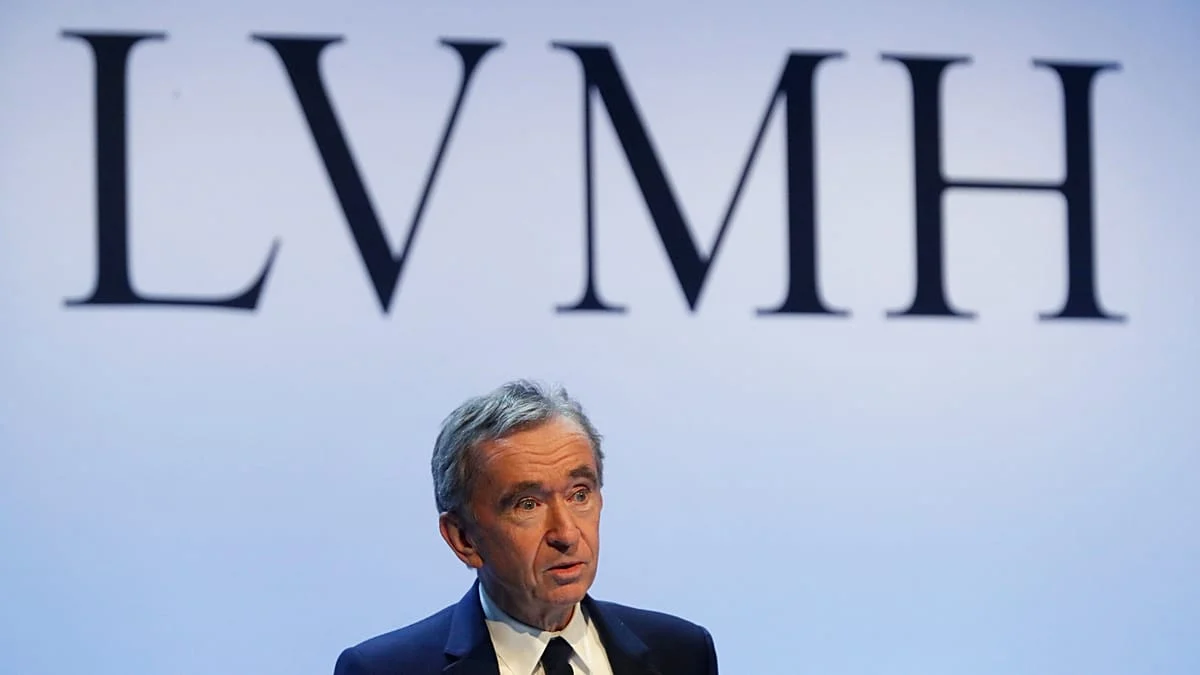
The luxury sector, long considered an impenetrable fortress against macroeconomic volatility, is showing signs of cracks in its foundation. LVMH Moët Hennessy Louis Vuitton, the world’s largest luxury conglomerate and a bellwether for the global high-end market, has released third-quarter results that underscore a period of significant transition—and undeniable struggle.
As the French giant navigates a complex geopolitical landscape, its latest financial disclosures reveal a company grappling with slowing demand in China, shifting consumer sentiment, and the mounting pressure of maintaining its status as a market leader in a cooling global economy.
Main Facts: A Quarter of Stagnation
For the three months ending September 30, 2026, LVMH reported total revenue of €18.5 billion. While this represents a 1.2% increase year-on-year, the figure belies a more troubling reality beneath the surface. When stripped of currency fluctuations and portfolio changes, organic sales growth stalled significantly, decelerating to just 1% in the third quarter, down from 3% in the second quarter.
The conglomerate—which boasts an enviable portfolio including Louis Vuitton, Dior, Celine, and the spirits house Hennessy—has faced a rocky 2026. After a 5.9% decline in the first quarter and a marginal 0.1% rise in the second, the latest data suggests that the anticipated "luxury rebound" remains elusive. For the first nine months of the year, cumulative sales reached €57.1 billion, with organic growth at a modest 2%.
The most alarming development for shareholders was the performance of the group’s "cash cow": the fashion and leather goods segment. This division, which serves as the primary engine for LVMH’s profitability, saw organic sales drop by 5%. This performance was markedly worse than the 2% contraction forecasted by analysts at Deutsche Bank, signaling that even the most prestigious heritage brands are not immune to the cooling demand in the world’s second-largest economy.
Chronology of the 2026 Luxury Slump
To understand how LVMH arrived at this inflection point, one must look at the trajectory of the year:
- Q1 2026: The year began with a sharp shock. A 5.9% fall in sales signaled that the post-pandemic "revenge spending" boom had definitively evaporated.
- Q2 2026: A period of fragile stabilization followed, with a 0.1% rise in revenue. The market breathed a temporary sigh of relief, hoping that the worst of the volatility had passed.
- Mid-2026: LVMH’s stock began a precipitous decline, shedding nearly 40% of its value since the start of the year. This trend culminated in a historic shift in September, when L’Oréal officially overtook LVMH as France’s most valuable listed company.
- Q3 2026: The latest results confirmed the persistence of structural headwinds, particularly in the Chinese market, which failed to materialize the growth that had previously buoyed the luxury sector for over a decade.
Supporting Data: The Tale of Two Segments
While the fashion and leather goods sector faltered, the group’s diversification provided a critical safety net.
The Bright Spots:
- Selective Retailing: The Sephora chain remains a standout performer. With an 8% organic sales increase, the beauty and cosmetics retail giant continues to attract a younger, more resilient demographic that views premium beauty products as "affordable luxuries."
- Jewellery and Spirits: Both the watches and jewellery division and the wines and spirits segment managed to achieve 6% organic growth. This suggests that while consumers are pulling back on marquee fashion items, they remain willing to invest in hard luxury assets and premium celebratory goods.
The Headwinds:
The disparity in performance highlights a shift in consumer behavior. The 5% drop in fashion and leather goods is particularly telling. This division had seen its first organic gain in two years during the previous quarter, making the current decline a significant setback. It suggests that the "aspirational" consumer—the core target for many entry-level luxury fashion items—has largely exited the market due to inflation and reduced discretionary income.
Official Responses and Strategic Outlook
In its official statement, LVMH management emphasized the "resilience" of its diverse portfolio. The company maintained that its geographical spread—spanning the United States, Europe, and Japan—helped buffer against the specific challenges posed by the Chinese market.
However, the company’s tone was notably cautious. Executives acknowledged that the recovery is taking longer than initially projected. The firm remains adamant that the current downturn is cyclical rather than structural, attributing the weakness to a lack of consumer confidence in China and specific, localized headwinds.
"Brand initiatives are producing results," the company noted, suggesting that they are focusing on "bottom-up" measures. This implies that LVMH is prioritizing product desirability and scarcity over aggressive volume growth, a strategy aimed at protecting the long-term equity of its houses even if short-term revenue growth remains muted.
The China Factor: Geopolitical and Cultural Friction
A significant portion of LVMH’s current woes is tied to its performance in China. Beyond macroeconomic factors like the property crisis and high youth unemployment, the brand has faced unique cultural challenges.
The recent legal battle with the Chinese tea chain "Molly Tea" serves as a case study in the risks of global branding. After LVMH sued the local firm for alleged logo infringement, the resulting legal victory proved to be a pyrrhic one. The move triggered a wave of indignation on Chinese social media, with netizens accusing the French conglomerate of bullying a local business. The subsequent calls for a boycott underscore the increasing sensitivity of the Chinese consumer, who is becoming more nationalistic and less tolerant of perceived foreign overreach.
This "reputational friction" complicates LVMH’s path to recovery. As the brand attempts to navigate a complex regulatory and social environment in Asia, it must balance the protection of its intellectual property with the need to maintain favor with an increasingly influential, and at times skeptical, consumer base.
Implications: A New Era for Luxury Investors
The reaction from the financial community has been one of tempered concern. Deutsche Bank analysts have signaled that further cuts to earnings forecasts for late 2026 and 2027 may be inevitable.
Why the Sentiment is Sober:
- The End of Easy Growth: The era of double-digit, consistent growth driven by the Chinese middle class appears to be over. Investors are now forced to recalibrate their expectations for luxury, moving from "growth at any cost" to a model of "value preservation."
- Market Leadership in Flux: The fact that L’Oréal has overtaken LVMH in market capitalization is symbolic. It reflects a shift in investor preference toward consumer staples that are perceived as more recession-proof than high-end fashion.
- Cyclical vs. Structural: While analysts like those at Deutsche Bank argue the weakness is cyclical, the "recovery" is clearly not the V-shaped rebound investors had hoped for. The "gradual" nature of the recovery means that the share price, down 1.6% at the time of the report, may remain under pressure for the foreseeable future.
What Comes Next?
For investors, the immediate future is hard to read. As analysts noted, "It is hard to see what could change investor sentiment in the short term." The market is waiting for a catalyst—either a significant stimulus package in China or a rebound in global consumer confidence.
Until then, LVMH is hunkering down. By focusing on its strongest divisions, such as Sephora, and leveraging the heritage appeal of its core brands, the group is attempting to weather the storm. However, the days of LVMH being the undisputed, invincible king of the European stock market are currently on hold.
The luxury industry is undergoing a period of painful "normalization." For LVMH, the task is no longer just about selling products; it is about proving that its brands possess the durability to withstand a global economy that is no longer buying into the luxury narrative with the same fervor it did just two years ago.
As the company enters the final quarter of 2026, all eyes will be on whether the "bottom-up" brand initiatives can translate into a meaningful top-line recovery, or if the luxury behemoth is destined for a longer period of stagnation.