By Economic Analysis Desk
January 9, 2026
As the first full week of 2026 draws to a close, investors, policymakers, and industry analysts are bracing for a cascade of high-impact economic data releases this Friday. The schedule, highlighted by the Department of Labor’s December Employment Report and a long-awaited update on housing starts, is expected to provide a definitive snapshot of the U.S. economy’s trajectory as it navigates a complex interest-rate environment and evolving inflationary pressures.
The Main Facts: A Convergence of Key Indicators
The economic calendar for Friday, January 9, 2026, is front-loaded with data that serves as a pulse-check for the broader economy. At the center of the day’s events is the December Employment Report, a bellwether for labor market health that will test the resilience of the current hiring cycle. Analysts have reached a consensus projection of 55,000 net new jobs added, a figure that, while modest, suggests a cooling yet resilient labor sector. Simultaneously, the market is looking for the unemployment rate to contract slightly to 4.5%.
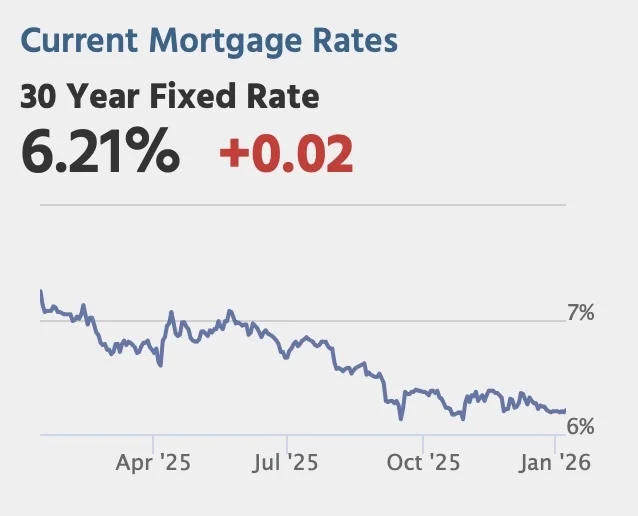
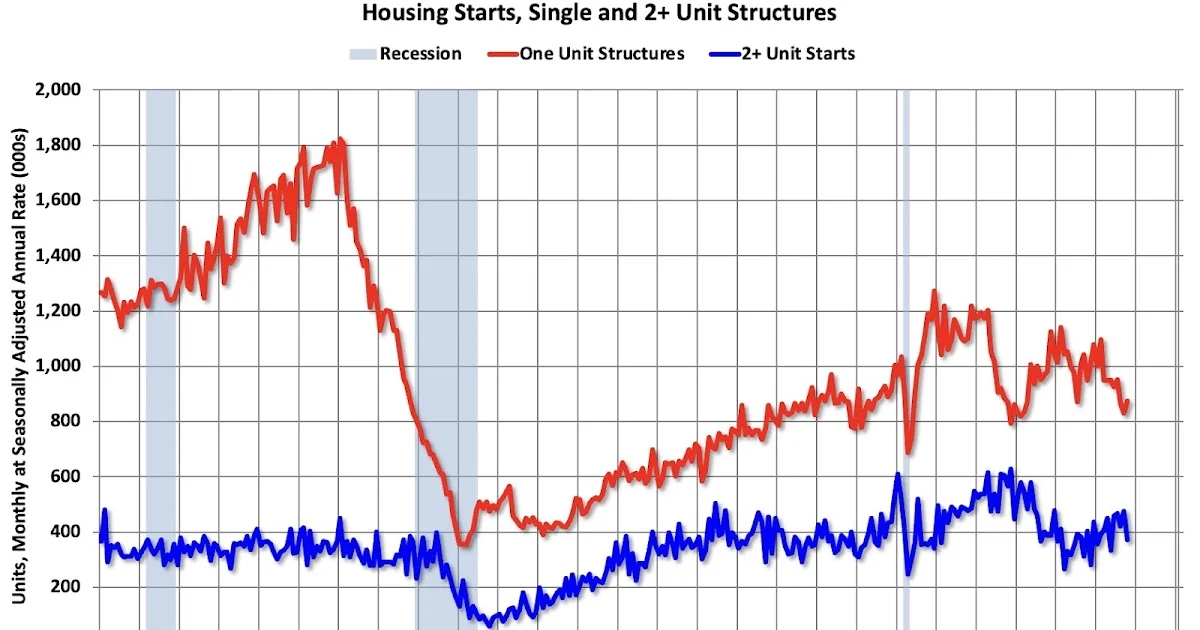
Complementing the labor data is a significant update on the construction sector: the release of Housing Starts for September and October. Given the volatility in mortgage rates—currently fluctuating according to top-tier scenarios tracked by MortgageNewsDaily—the housing starts data will be scrutinized for signs of developer sentiment and supply chain stability.
Rounding out the morning and midday sessions are the University of Michigan’s preliminary Consumer Sentiment Index for January and the Federal Reserve’s Q3 Flow of Funds report. Collectively, these reports offer a trifecta of insight: how people are working (labor), where they are living (housing), and how they are feeling (sentiment), all framed by the structural shifts in household balance sheets (Flow of Funds).
Chronology of the Day’s Economic Releases
The day’s schedule is meticulously timed to provide a comprehensive narrative of the economy’s state of health:
- 8:30 AM ET – The Employment Report: The opening bell will be dominated by the Bureau of Labor Statistics (BLS) data. This report will be dissected for wage growth metrics and the "participation rate," which remains a critical variable in the Federal Reserve’s decision-making process.
- 10:00 AM ET – Housing Starts & Consumer Sentiment: In a dual-release event, the market will receive the long-overdue data on housing construction starts, followed immediately by the initial read on consumer confidence for January. The contrast between physical investment (housing) and psychological outlook (sentiment) will be a focal point for institutional traders.
- 12:00 PM ET – Flow of Funds: The Federal Reserve’s "Z.1" report on the Flow of Funds Accounts will provide the granular data necessary to understand the deleveraging or debt-accumulation patterns of American households, non-profits, and the corporate sector during the third quarter.
Supporting Data: Contextualizing the Projections
The Labor Market Paradox
The consensus expectation of 55,000 jobs—while historically lower than the post-pandemic surges—reflects a "soft landing" narrative that many economists have been tracking. The movement of the unemployment rate to 4.5% is significant; it suggests that despite aggressive monetary tightening over the past two years, the labor market has avoided a catastrophic cliff. However, the qualitative aspects of this report—specifically, the sectors adding jobs versus those shedding them—will be the primary indicator of economic health.
Housing: The Interest Rate Sensitivity Test
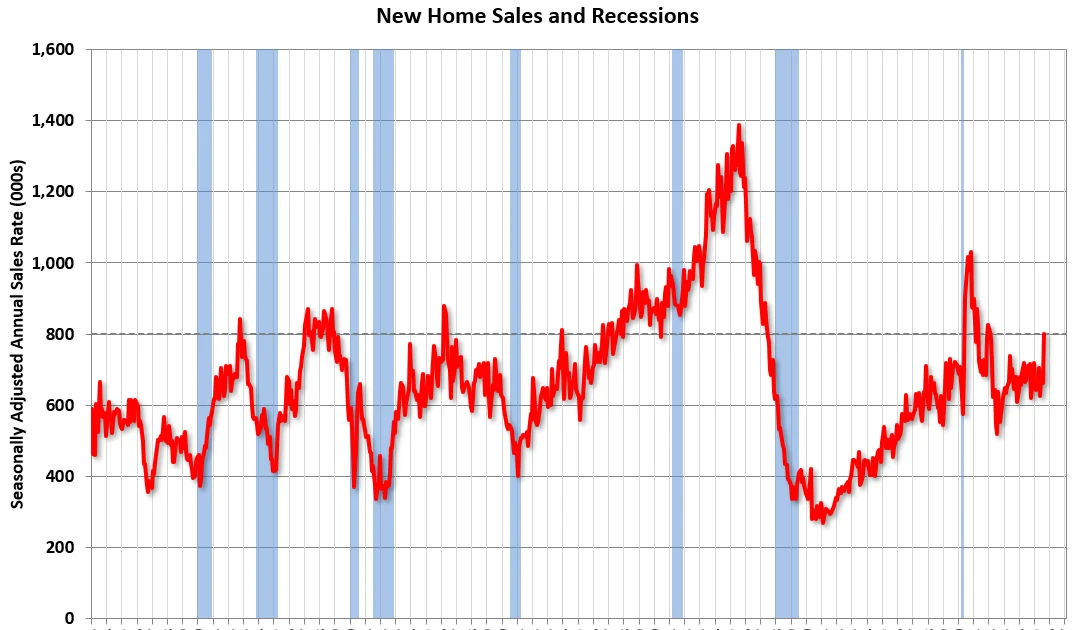
Housing remains perhaps the most interest-rate-sensitive sector in the U.S. economy. Because the data for September and October has been pending, analysts are looking to see if the seasonal fluctuations in mortgage rates have stalled construction momentum. Historically, elevated rates have deterred potential buyers, but the lack of existing home inventory has forced a reliance on new construction. This report will reveal whether builders have maintained their pipeline or retreated in the face of persistent borrowing costs.
Consumer Sentiment and the "January Effect"
The University of Michigan survey is widely regarded as a precursor to consumer spending habits. If the January preliminary figure shows a decline, it may signal that the holiday shopping season ended with a "hangover" effect, potentially dampening expectations for Q1 growth.
Official Responses and Market Anticipation
While government agencies remain neutral in their reporting, the "official" sentiment is filtered through the Federal Reserve’s recent meeting minutes and public remarks from regional bank presidents. The central bank has signaled a "data-dependent" approach for 2026.

Market participants have begun pricing in the possibility that if the employment report comes in significantly lower than the 55,000-job forecast, the Federal Reserve may be forced to pivot from its current "higher for longer" stance. Conversely, a blowout number could sustain the current interest rate trajectory, putting further pressure on the housing market.
Wall Street’s primary focus is on the "Goldilocks" scenario: a report that is not so hot as to trigger inflation fears, but not so cold as to signal an impending recession.
Implications: The Macroeconomic Ripple Effect
The data released this Friday will reverberate through the financial markets for weeks. There are three primary implications to consider:
1. The Future of Monetary Policy
The Federal Reserve’s Open Market Committee (FOMC) will meet later this month. The data released on Friday will be the last major batch of information they process before drafting their policy statements. Should the unemployment rate tick up past the 4.5% consensus, the conversation will almost certainly shift from "how long to hold rates" to "when to start the first cut."
2. Housing Affordability and Construction
If the housing starts data indicates a sharp decline, it implies that the dream of homeownership is becoming increasingly elusive, which could force legislative action or secondary market intervention. The construction industry is a major employer; a slowdown here would have a direct, negative correlation with the employment numbers seen in subsequent months.
3. The Household Balance Sheet
The Flow of Funds report is perhaps the most overlooked but vital piece of information. By examining the net worth of U.S. households and the composition of their debt, we can determine if the American consumer is tapped out or if there is remaining "dry powder" to sustain growth. If the data shows rising corporate debt ratios, we may see a tightening of credit standards by regional banks, which would further throttle the economy.
Conclusion
As we move through the first quarter of 2026, the data released this Friday acts as a foundational pillar for the year’s economic narrative. The market is not just looking for numbers; it is looking for validation of the current economic model. Whether the economy is stalling, holding, or surging will be clarified by 12:00 PM ET.
Investors are advised to watch the volatility in the bond markets following the 8:30 AM employment release, as this is often where the most immediate reaction to economic reality takes place. Regardless of the outcome, the synthesis of these reports will provide the clarity necessary to navigate the complexities of a year defined by high interest rates and the ongoing quest for economic equilibrium.
Note: The statistics and dates provided in this report are based on the latest available data as of January 8, 2026. Mortgage rates and related figures are subject to change based on market conditions. For the most up-to-the-minute updates, readers are encouraged to monitor live financial news feeds and the official Bureau of Labor Statistics website.