By Kelly Stroh | October 12, 2026
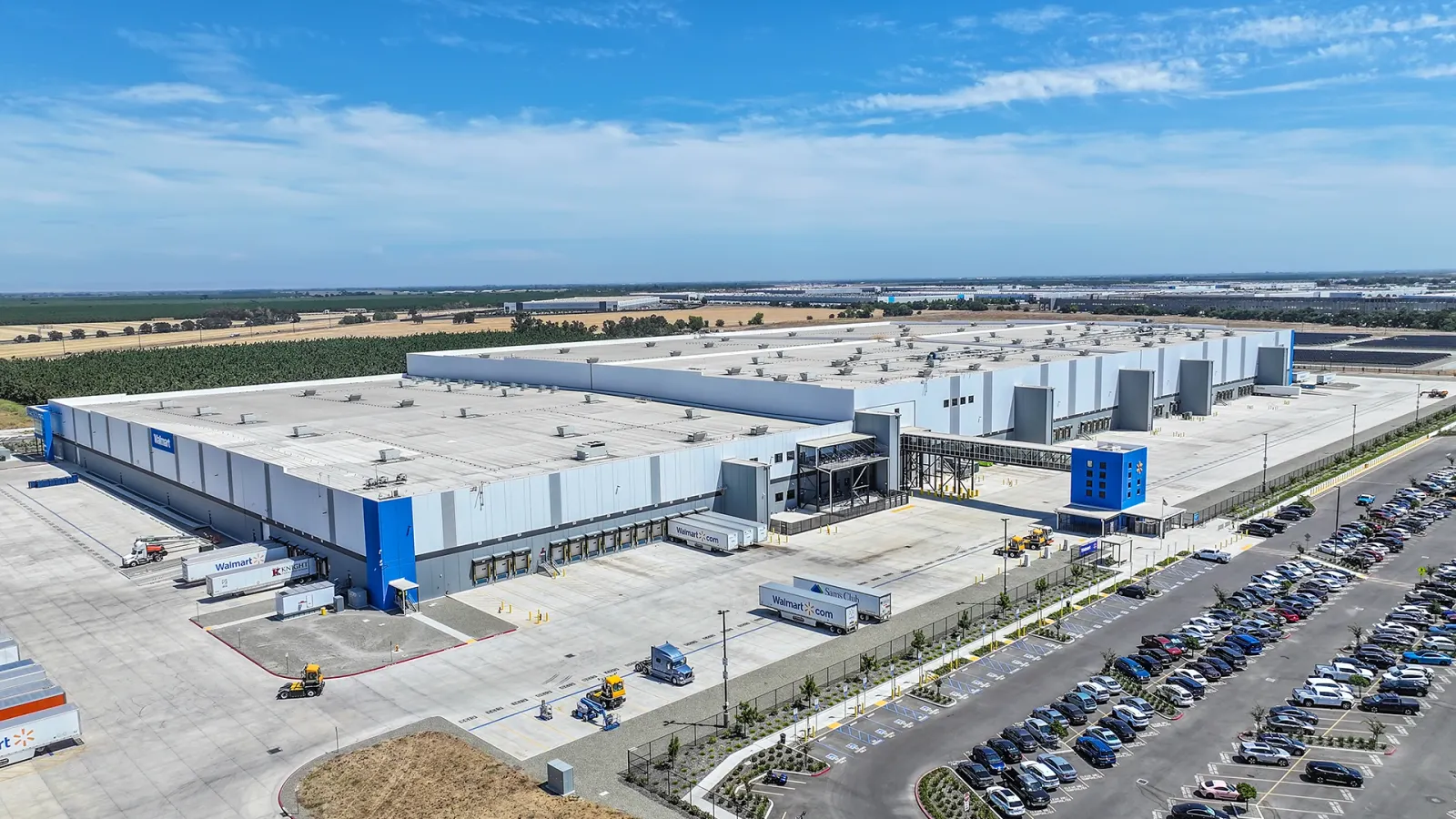
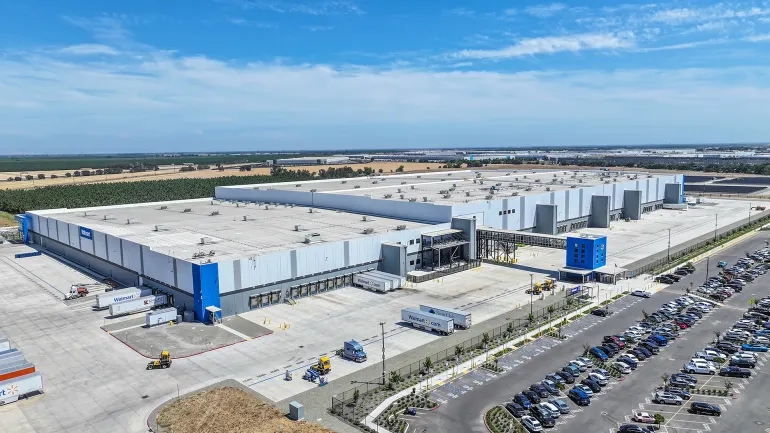
Retail titan Walmart has officially expanded its high-tech logistics footprint with the opening of a massive, 900,000-square-foot “next-generation” fulfillment center in Stockton, California. This facility represents the latest milestone in the company’s aggressive multi-year strategy to overhaul its supply chain through automation, artificial intelligence, and machine learning. By bridging the gap between traditional warehouse operations and advanced robotics, Walmart is positioning itself to dominate the e-commerce landscape on the West Coast, promising faster shipping speeds and significantly higher order throughput.
The Stockton Milestone: A New Standard for Efficiency
The Stockton facility is not merely a warehouse; it is a sophisticated, data-driven ecosystem designed to address the increasing consumer demand for rapid delivery. By leveraging high-density automated storage and retrieval systems (AS/RS), the site fundamentally alters how products move from receiving docks to the hands of customers.
In a traditional fulfillment environment, workers often traverse massive warehouse floors to pick items manually, a process that is time-consuming, physically demanding, and prone to human error. The Stockton site replaces this model with a “goods-to-person” approach. An automated system identifies, retrieves, and transports products directly to warehouse associates, who then handle the final sorting and packing.
According to internal operational data, this integration has successfully compressed a standard 12-step fulfillment process into just five steps. This streamlining does more than just save time; it reduces the physical strain on the workforce, minimizes operational bottlenecks, and allows the facility to manage a significantly higher volume of daily orders compared to legacy sites of similar square footage.
A Strategic Chronology: From Vision to Reality
The Stockton opening is the culmination of a strategic vision first articulated by Walmart leadership in early 2022. Facing immense pressure from e-commerce competitors and a post-pandemic shift in consumer shopping habits, Walmart announced a massive capital expenditure program aimed at re-engineering its entire fulfillment network.
- June 2022: Walmart unveils its "next-generation" roadmap, declaring that the integration of automated centers would enable the company to provide next-day or two-day shipping to roughly 75% of the U.S. population.
- September 2022: The retailer cuts the ribbon on its first flagship next-gen site in Joliet, Illinois, setting the prototype for all subsequent facilities.
- Late 2022–2023: The network begins to take shape with the launch of additional facilities near Indianapolis, Indiana; Lancaster, Texas; and Greencastle, Pennsylvania.
- October 2026: The Stockton, California facility goes live, marking the fifth major node in this high-tech network and providing crucial infrastructure for the high-volume West Coast market.
This deliberate, measured rollout has allowed the company to refine its technological stack, incorporating lessons learned from each successive facility into the next iteration of the software and robotics hardware.
Supporting Data: The Scale of Automation
Walmart’s investment in the Stockton site is part of a broader, company-wide initiative to upgrade its entire logistics infrastructure. The sheer scale of this ambition is reflected in the retailer’s capital allocation:
- The 42-Center Goal: Walmart has set an objective to retrofit all 42 of its legacy U.S. distribution centers with advanced automation. Currently, more than 20 of these sites are already undergoing transformation.
- Targeted Investment: Beyond its new next-gen builds, the company continues to dump hundreds of millions of dollars into existing facilities. For example, a recent $330 million investment in a Louisiana distribution center is designed specifically to double that facility’s shipping capacity through robotics.
- Operational Agility: By utilizing machine learning, the company can now predict inventory surges with greater accuracy, positioning goods closer to regional demand centers before orders are even placed. This predictive capability is essential for sustaining the two-day shipping window that has become the industry standard.
Official Perspectives and Corporate Strategy
In its official October 8 announcement, Walmart emphasized that the Stockton site is not just about the hardware, but about the "associates" who operate it. By removing the most repetitive and physically exhausting tasks from the workflow, the company aims to upskill its workforce, moving employees into roles that require more technical oversight and complex decision-making.
"This facility is a testament to our commitment to innovation," a spokesperson noted in the release. "By leveraging technology to handle the heavy lifting and high-density storage, we are creating a faster, more reliable experience for our customers while simultaneously providing a better, more efficient work environment for our team members."

Industry analysts view this as a necessary evolution. As labor costs rise and the margin for error in e-commerce shrinks, the ability to pack and ship items with surgical precision is the only way to maintain profitability. Walmart’s strategy suggests that they are not looking to replace their human workforce entirely, but rather to augment human capabilities with machine-led precision.
Implications: The Future of the "Retail Arm"
The impact of the Stockton facility extends far beyond the borders of California. It serves as a blueprint for the future of retail supply chains globally.
1. The Competitive Shipping War
As Walmart scales its next-gen capabilities, the pressure on competitors—ranging from regional retailers to global e-commerce giants—becomes intense. The "two-day delivery" promise is no longer a luxury; it is the baseline expectation. By saturating its network with automated nodes, Walmart is effectively raising the barrier to entry for any competitor hoping to match their logistical reach.
2. Supply Chain Resilience
Recent global disruptions have taught major retailers that a fragile supply chain is a liability. By investing in its own automated, high-density infrastructure, Walmart is effectively "insulating" itself from third-party logistics volatility. Having internal control over the storage, picking, and packing process provides a level of stability that is hard to replicate via outsourcing.
3. Sustainability and Resource Management
While the primary focus is on speed, the secondary benefit of these next-gen centers is efficiency. The high-density storage systems allow the company to house more products in a smaller footprint compared to traditional racking. Furthermore, the reduction in manual errors means fewer mis-picks, fewer returns, and a lower carbon footprint associated with redundant shipping.

4. The Evolving Role of the Associate
The transformation of the warehouse floor has significant implications for the American labor market. As Walmart continues its push toward total automation across 42 sites, the demand for traditional warehouse labor will shift toward demand for tech-literate technicians, robotics maintenance crews, and data analysts. This represents a fundamental shift in the retail career path, one that Walmart is currently leading.
Conclusion: A Turning Point for Retail
The Stockton fulfillment center is more than just a massive building in a California industrial park; it is a clear indicator that the "next generation" of retail is already here. Walmart’s aggressive pursuit of automation and machine learning is not just a trend—it is a comprehensive structural realignment.
As the company nears the halfway point of its 42-center automation goal, the retail landscape is shifting beneath the feet of smaller players. With the capacity to move goods faster and more reliably than ever before, Walmart is cementing its position as a logistics powerhouse. For the consumer, the result is a faster, more seamless experience. For the industry, the message is clear: the future of retail is being written in code, robotics, and the high-speed efficiency of the automated warehouse.
As we look toward the remainder of the decade, the success of the Stockton site will likely serve as the ultimate barometer for how effectively a legacy retailer can transform into a high-tech logistics leader in an increasingly digital world.