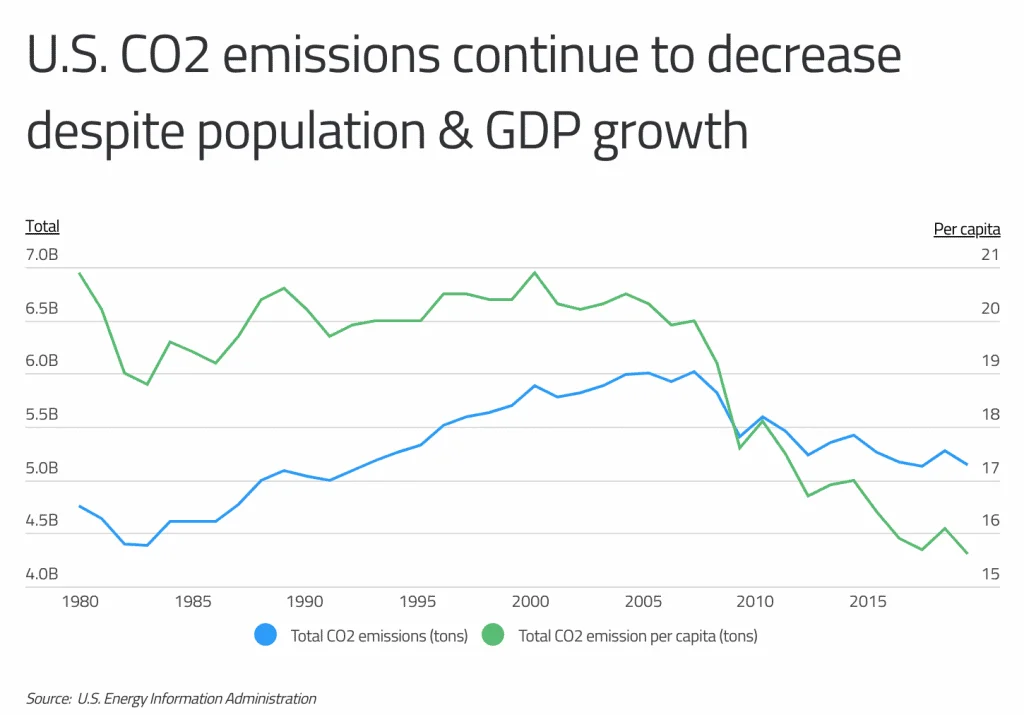
As the international community grapples with the existential threat of climate change, the global energy landscape is undergoing a profound transformation. From the corridors of the COP26 summit in Glasgow to the halls of Congress in Washington, policymakers are laser-focused on one primary objective: slashing carbon emissions to mitigate the warming of the planet. Within this complex transition, natural gas has emerged as a paradoxical protagonist—heralded as a "bridge fuel" by some and a lingering obstacle to a sustainable future by others.

The Evolution of the U.S. Energy Mix
For decades, the United States relied heavily on coal to power its grid and heat its homes. However, the early 21st century witnessed a tectonic shift in energy production, driven largely by the advent of advanced extraction techniques such as horizontal drilling and hydraulic fracturing, or "fracking." These innovations unlocked vast, previously inaccessible shale reserves, most notably in the Marcellus Shale of Pennsylvania and the Permian Basin of Texas.

The resulting surge in supply led to a dramatic drop in the price of natural gas. Suddenly, natural gas became an economically superior alternative to coal, emitting significantly fewer greenhouse gases during combustion. This shift was a major catalyst for the U.S. power sector’s transition away from coal-fired plants.

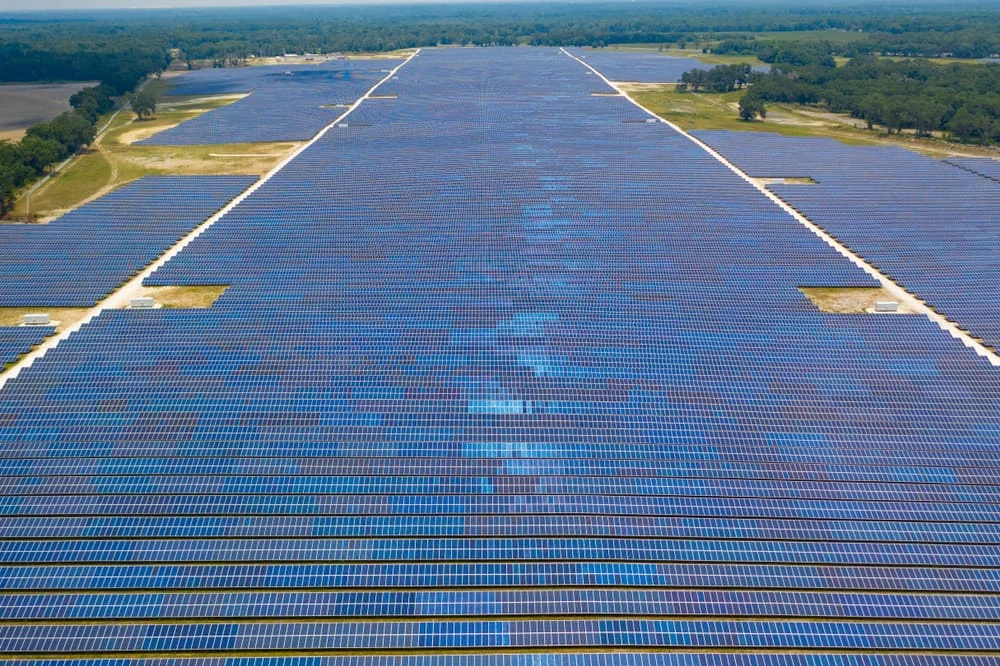
Yet, the success of natural gas has created a new dilemma. While cleaner than coal, natural gas is still a fossil fuel that releases carbon dioxide when burned and is susceptible to methane leaks during extraction and transportation. As renewable alternatives—specifically wind and solar—plummet in cost, the long-term utility of natural gas as a bridge fuel is being intensely debated.

A Nation Divided: The Policy Tug-of-War
The friction between climate goals and energy infrastructure is currently playing out through a series of legislative battles. On one side, progressive jurisdictions are moving to phase out the reliance on gas. In California, the Energy Commission has enacted stringent building standards designed to boost energy efficiency and curtail the use of fossil fuels in new construction. Similarly, in Seattle, municipal leaders have moved to ban the use of natural gas for space and water heating in new buildings, signaling a clear intent to electrify the infrastructure entirely.

However, this movement has met with stiff resistance from states that have built their economies around the natural gas boom. In regions like Texas, Oklahoma, and Louisiana, state legislatures have passed "preemption" laws, which effectively strip municipalities of the power to ban natural gas in new construction. These states argue that such bans threaten economic stability, reduce consumer choice, and undermine the reliability of the energy grid—a concern that gained national attention following the catastrophic power grid failures in Texas during the 2021 winter storms.

Chronology: From Dependence to Export Dominance
To understand the current tension, one must look at the historical trajectory of U.S. consumption and production.

- Pre-1980s: For the better part of the 20th century, U.S. production and consumption of natural gas tracked closely together, suggesting a self-contained market.
- The 1980s to 2000s: As demand began to outpace domestic production, the U.S. transitioned into a net importer of natural gas, relying on foreign sources to meet the needs of a growing economy.
- The Fracking Revolution (2000–2010): The rapid expansion of shale gas drilling transformed the landscape. Production skyrocketed, outstripping the growth in domestic consumption.
- 2017 to Present: A historic pivot occurred in 2017 when the United States officially became a net exporter of natural gas. Today, the nation produces more energy than it consumes, fundamentally altering its geopolitical influence and domestic energy security.
Supporting Data: Regional Dependence
The reliance on natural gas is not uniform across the 50 states. The U.S. Energy Information Administration (EIA) data highlights a stark divide between states that act as primary producers and those that function as intensive consumers.
Top Producing States
Texas remains the undisputed titan of the energy industry, producing roughly 8,288 trillion BTUs annually. Its infrastructure is deeply integrated with the extraction, processing, and export of natural gas. Pennsylvania, which was a relatively minor player prior to 2008, saw its production levels explode following the maturation of horizontal drilling techniques. Together, these two states account for nearly 45% of total U.S. natural gas production.

Top Consuming States (Per Capita)
When evaluating consumption on a per-person basis, the landscape shifts toward states with unique climate demands or industrial requirements.

- Alaska: Leading the nation, Alaska derives over 57% of its energy consumption from natural gas, largely due to the logistical challenges of providing electricity to remote, cold-weather regions.
- Louisiana: Its heavy industrial base, particularly petrochemical manufacturing, necessitates immense quantities of natural gas.
- Wyoming: As a major producer and energy-intensive state, Wyoming’s per-capita usage remains consistently high.
- Oklahoma: Similar to Texas, its economy is intrinsically linked to the energy sector, influencing its high domestic consumption rates.
- Mississippi: Industrial reliance remains the primary driver of consumption here.
(Other states in the top 15 include North Dakota, Texas, Alabama, New Mexico, Indiana, Iowa, West Virginia, Pennsylvania, Arkansas, and South Dakota.)

Official Responses and Strategic Implications
The federal government’s stance, as exemplified by the $1.2 trillion Bipartisan Infrastructure Law, emphasizes the modernization of the electric grid and the integration of renewable energy. President Biden’s administration has set ambitious targets to reach a net-zero carbon economy by 2050. However, the path to this goal is fraught with political peril.

The Economic Implication
States that rely heavily on the natural gas industry for tax revenue and employment are naturally resistant to a rapid transition. In places like Pennsylvania and Texas, the "energy transition" is often viewed as an existential threat to the middle class. Policymakers in these regions advocate for a "just transition," which emphasizes the need to retrain workers and diversify local economies before weaning them off fossil fuel revenues.

The Infrastructure Implication
The United States faces a "chicken-and-egg" problem. To transition away from natural gas, the nation must drastically expand its renewable capacity and modernize the electrical grid to handle the increased load of home heating and electric vehicles. Until then, natural gas remains the primary, and often most affordable, reliable source of power for millions of Americans, particularly in the northern states during harsh winters.

Conclusion: The Long Road to Decarbonization
The future of natural gas in the United States is currently a tug-of-war between the necessity of global climate action and the reality of regional economic dependence. While the technology for a greener future exists, the implementation requires a delicate balancing act.

Progressive states are setting the tone for a post-gas future, yet the sheer volume of natural gas production in the U.S. suggests that the fuel will remain a cornerstone of the American energy mix for years to come. As the nation continues to navigate these competing interests, the focus will likely shift toward carbon capture technologies, renewable natural gas (RNG), and a more integrated, resilient, and decarbonized grid.

Ultimately, the data from the EIA and the trends in state-level legislation underscore a singular truth: there is no "one-size-fits-all" solution. The transition will require targeted investment, regional cooperation, and a pragmatic approach that respects both the urgency of the climate crisis and the economic foundations of the communities that power the nation.

Methodology Note: This analysis utilizes data from the U.S. Energy Information Administration (EIA) State Energy Data System (SEDS) and the U.S. Census Bureau’s 2019 American Community Survey. Consumption is calculated in millions of Btu per person to allow for an equitable comparison across states with varying population sizes.