In the rapidly evolving landscape of digital marketing, a quiet revolution is occurring in the referral traffic logs of websites worldwide. While SEO professionals have spent decades obsessed with Google’s organic search rankings, a new, highly engaged visitor segment has emerged: the AI-referred user. ChatGPT, the flagship generative AI platform from OpenAI, is quietly becoming one of the most valuable—and most overlooked—sources of high-intent traffic on the internet today.
Despite its growing influence, much of this traffic remains "invisible" to standard Google Analytics 4 (GA4) reporting. For digital marketers and e-commerce managers, failing to account for these users means missing out on the most qualified audience currently interacting with their content.
The New Frontier: Understanding AI-Driven Engagement
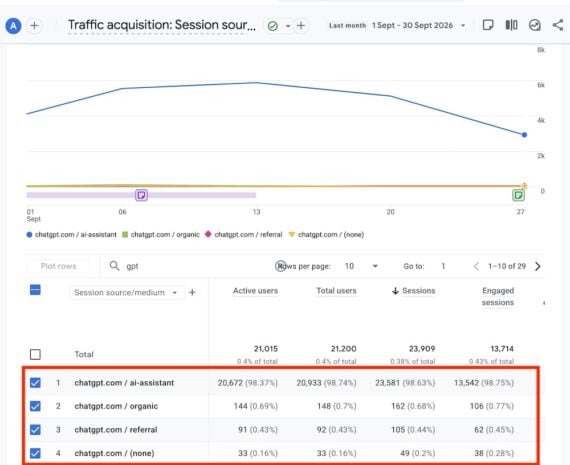
For years, the gold standard for website traffic has been organic search. However, as users increasingly turn to large language models (LLMs) to answer questions, solve problems, and conduct research, the search journey is changing. Data suggests that traffic originating from ChatGPT is frequently more engaged than traditional organic search traffic. These users aren’t clicking through a list of ten blue links; they are arriving at a website because an AI has curated that specific page as the definitive solution to their query.

This high level of engagement is not accidental. When a user prompts ChatGPT for a solution, the AI acts as a sophisticated filter. By the time the user clicks a link provided by the AI, they have already received a contextualized introduction to the site’s value proposition. They arrive with higher intent and a clearer understanding of what the page offers, leading to longer session durations and lower bounce rates.
The Tracking Gap: Why GA4 Doesn’t Tell the Whole Story
One of the primary challenges in analyzing this trend is the way GA4 categorizes incoming traffic. Because ChatGPT often adds a noreferrer attribute to its external links—a privacy-focused design choice—the original source of the click is frequently obscured.
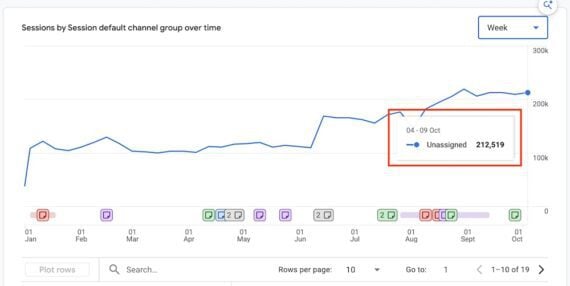
Consequently, GA4 often misattributes this traffic as "Direct" or, more commonly, "Unassigned." For many businesses, the "Unassigned" category is swelling, representing a significant volume of traffic that marketers mistakenly believe is coming from direct browser entry or untracked campaigns. In reality, a large portion of this "ghost traffic" is the direct result of AI platforms recommending your content to users.
The Chronology of the Shift
The transition toward AI-referred traffic began in earnest following the widespread integration of browsing capabilities into ChatGPT. Initially, AI tools functioned as closed-loop systems, providing answers strictly from their training data. However, as LLMs began to cite live web sources to remain current and factual, the dynamic shifted.
- Phase 1 (The Closed Loop): AI models provided information solely based on pre-trained datasets. Website owners saw no referral traffic.
- Phase 2 (The Search Integration): LLMs began incorporating real-time web browsing. Traffic began to trickle in, often disguised by privacy protocols.
- Phase 3 (The Adoption Wave): As LLMs became mainstream productivity tools, the volume of referral traffic began to rise significantly, creating a new, persistent channel that savvy marketers are now scrambling to measure.
Supporting Data and Analytics Strategies
To unlock the secrets of this traffic, marketers must move beyond standard dashboard views. Because ChatGPT does not disclose user prompts directly, the burden of discovery falls on the analyst. By cross-referencing landing pages with traffic spikes, one can reverse-engineer the "hidden" prompts that are driving users to specific content.
How to Isolate ChatGPT Traffic in GA4
To gain visibility into this channel, you must move beyond the default reports. Follow this workflow to create a custom view:
- Navigate to Acquisition: In GA4, go to Reports > Acquisition > Traffic acquisition.
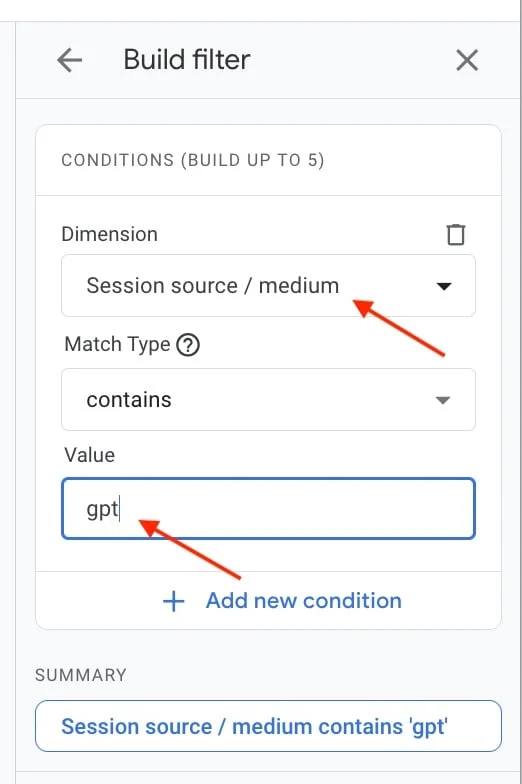
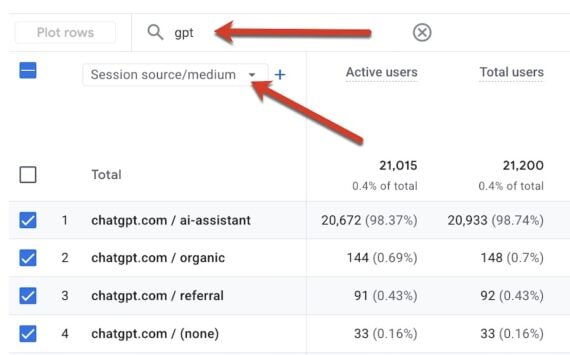
- Create a Custom Filter: Use the "Build filter" interface to isolate traffic where the source/medium contains "gpt" or "chatgpt."
- Analyze Landing Pages: Once the filter is applied, sort your landing pages by "Sessions" or "Engagement Rate."
- Contextualize the Data: Take the high-performing URLs from this list and feed them back into an AI prompt: "I am analyzing my website traffic. This URL is receiving high engagement from ChatGPT users. What types of prompts or user queries would logically lead an AI to recommend this specific page as a solution?"
By investigating these pages, you can begin to map your content strategy to the "mental model" of the AI.
Official Responses and Industry Implications
While OpenAI has remained largely silent on the specific mechanics of its referral traffic, the industry consensus is clear: AI is no longer just a threat to traditional search—it is a partner in discovery.
The implications for SEO are profound. We are witnessing a shift from "Keyword Optimization" to "Contextual Authority." If your content is structured to solve specific, complex problems rather than merely targeting high-volume keywords, you are more likely to be cited by AI models. This "Answer Engine Optimization" (AEO) is the next evolution of digital visibility.

The Strategic Path Forward
Monitoring AI traffic is no longer optional; it is essential for future-proofing your digital presence. As genAI tools become deeply embedded in operating systems and browsers, the "Unassigned" traffic category will likely grow. Brands that proactively track these referrers will have a distinct advantage.
Key Takeaways for Marketing Teams:
- Audit your "Unassigned" Traffic: If your direct or unassigned traffic is growing, it is likely AI-driven. Dig deeper into these segments.
- Prioritize Solution-Oriented Content: Create content that directly answers "How-to" and "Why" questions. These are the queries that lead to AI citations.
- Monitor Citations: Regularly query ChatGPT regarding your brand and key topics. Use the AI to check whether your content appears as a source. If it doesn’t, refine your content’s structure to be more concise and authoritative.
- Diversify Analytics: Do not rely solely on GA4. Supplement your data with Search Console and, where possible, direct logging tools that can help identify the referrer headers before they are stripped.
Conclusion: Adapting to the New Referral Paradigm
The era of relying solely on Google’s organic search algorithms is fading. We are entering a period of "Distributed Intelligence," where traffic is mediated by AI models that act as gatekeepers to the web.
This is not a death knell for traditional marketing; rather, it is a call to evolve. By understanding how to track, analyze, and optimize for AI-referred traffic, companies can tap into an audience that is arguably more receptive and ready to convert than any previous generation of web traffic. The data is there, hidden in the "Unassigned" columns of your analytics reports—you simply need the tools and the strategy to uncover it.
As we look toward the future of digital marketing, one thing remains certain: the websites that provide the best answers to the AI will ultimately capture the attention of the humans they serve.