The wearable technology landscape has reached a point of technological maturation that is both impressive and arguably stagnant. As the industry grapples with the physical limitations of the "smart ring" form factor, manufacturers are shifting their focus from cramming in new sensors to refining the existing ecosystem. Enter the Ultrahuman Ring Pro, a device that represents the company’s most ambitious attempt to date to challenge Oura’s long-standing dominance in the market.
Priced at $479, the Ring Pro is not just a hardware update; it is a strategic repositioning designed to move beyond the limitations that have plagued previous generations of smart jewelry. By prioritizing processing power, proprietary AI integration, and a sophisticated charging ecosystem, Ultrahuman is betting that the future of the industry lies not in what we measure, but in how we synthesize that data into actionable human intelligence.
Main Facts: The Anatomy of the Ring Pro
The Ultrahuman Ring Pro is a masterclass in iterative hardware engineering. Weighing between 3.3 and 4.8 grams—depending on size—it is remarkably lightweight, yet carries a significantly heavier computational load than its predecessor, the Ring Air.
The most critical upgrade lies beneath the titanium chassis: a new dual-core processor equipped with onboard machine learning capabilities. This hardware shift allows the ring to store up to 250 days of vital health data internally, a massive leap from the four-day capacity of the Ring Air. This storage headroom is designed to feed "Jade," Ultrahuman’s proprietary AI engine, which promises to move beyond surface-level tracking to provide deep, historical health correlations.
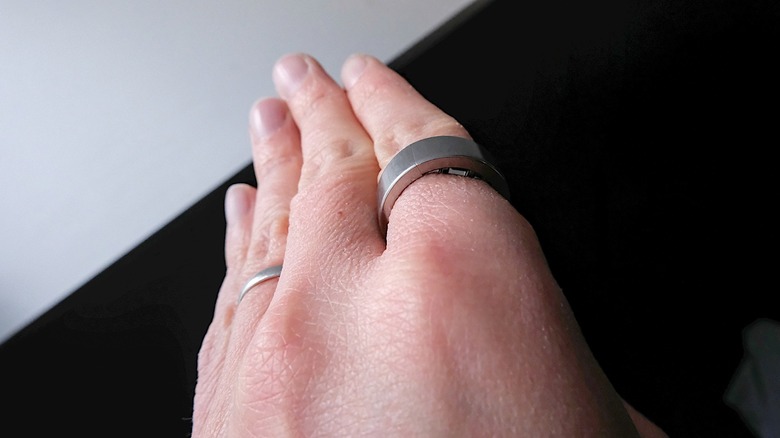
Constructed from full-titanium inside and out—save for the resin-housed PPG sensors—the ring is built for durability and comfort. While it measures a mere 0.25mm thicker than the previous model, the tactile experience of the all-titanium build feels substantially more premium.
Chronology: From Patent Struggles to Pro Evolution
The development of the Ring Pro was prompted by two primary catalysts. The first was a series of legal and regulatory hurdles: the previous Ring Air model found itself entangled in patent litigation with Oura, leading to a contentious block on U.S. sales. This forced Ultrahuman back to the drawing board to engineer a device that was not only competitive but distinct enough to navigate the crowded legal waters of the wearables sector.
The second driver was the realization that the internal hardware architecture had hit a ceiling. With the Ring Air, the company had effectively maximized the potential of its single-core configuration. To facilitate the next generation of "Power Plugs"—modular, feature-specific software add-ons—the company needed a foundation that could handle more complex, real-time data processing.
Following its unveiling and subsequent review cycle, the Ring Pro is slated for a widespread rollout, marking a pivotal moment for the company as it attempts to transition from a niche fitness tracker to a comprehensive health-management platform.
Supporting Data and Technical Specifications
The performance metrics of the Ring Pro are designed to compete directly with the industry leader, the Oura Ring 4.
- Battery Performance: The Ring Pro offers 12 days of battery life in "Turbo Mode," extendable to 15 days in "Chill Mode." This is a significant advantage over the Oura 4, which typically requires more frequent charging.
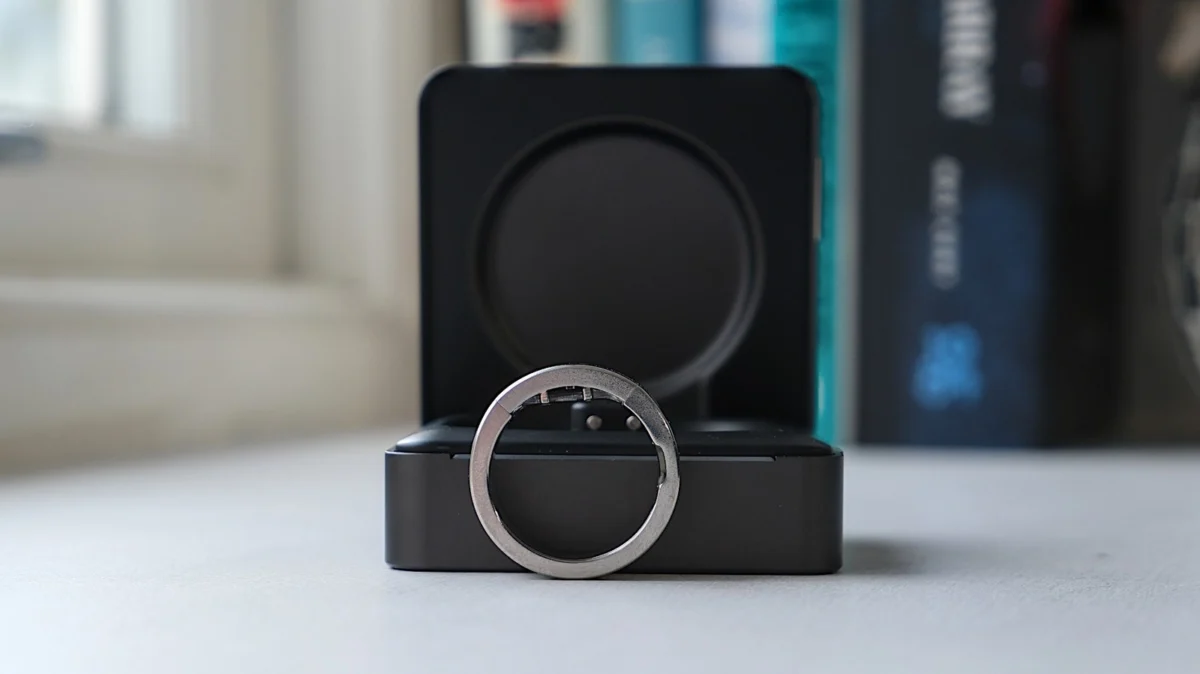
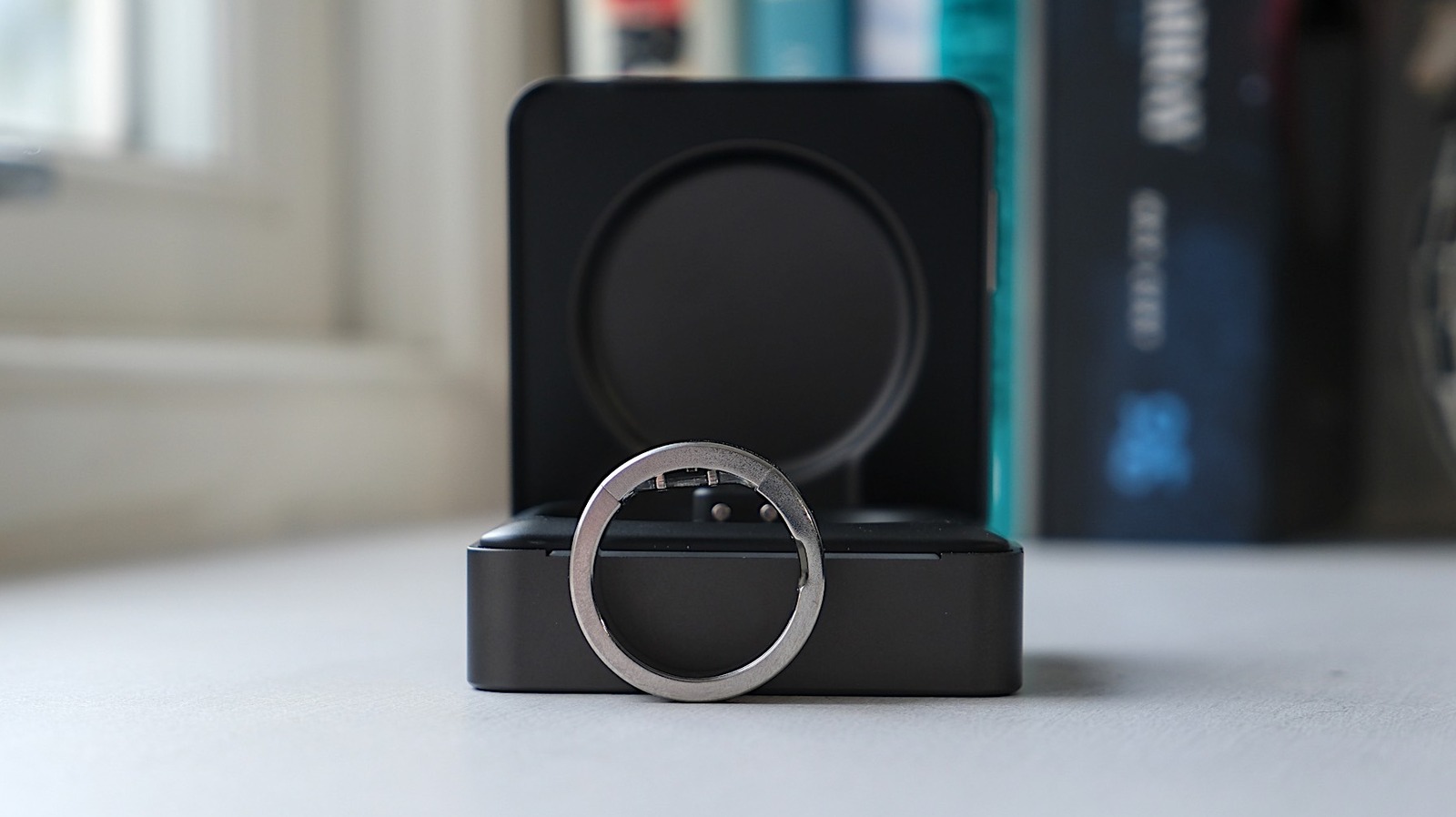
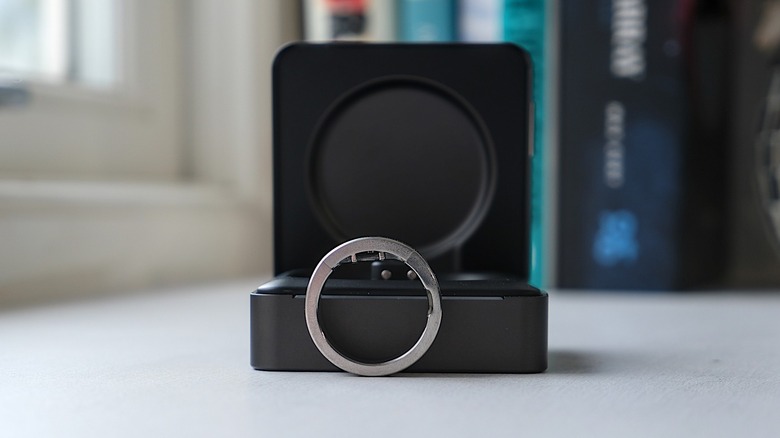
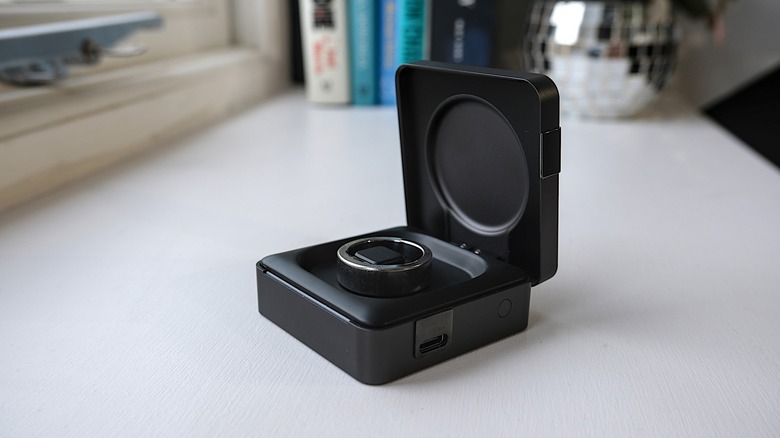
- Charging Ecosystem: Unlike competitors that rely on wireless charging—which can generate heat and degrade battery health over time—the Ring Pro utilizes a physical pin-connection system. This design choice effectively manages thermal output.
- The "Game Boy Advance SP" Charger: The included charging case is arguably the most innovative aspect of the package. It functions as a power bank with 45 days of stored energy, features an integrated speaker for proximity alerts, and handles firmware updates via a direct data connection.
- Data Reliability: By enabling firmware updates through a hardwired connection rather than Bluetooth, Ultrahuman has addressed the critical industry issue of "bricked" devices during updates. If an update fails, the case allows for a hard reset to previous firmware, a fail-safe that could significantly improve long-term user satisfaction.
Official Stances and Competitive Strategy
Ultrahuman has taken a unique path regarding monetization. While Oura leans into a recurring monthly subscription model ($6/month), Ultrahuman has opted for a modular "Power Plug" ecosystem. Users pay for specific, specialized health insights—such as advanced atrial fibrillation detection or personalized Les Mills fitness training—as needed, rather than being locked into a perpetual subscription.
The company’s philosophy, as expressed through its spokespeople, is one of "data democratization." By allowing users to choose the metrics they care about most—whether that is pregnancy tracking, migraine anticipation, or Tesla driving habits—Ultrahuman is attempting to avoid the "one-size-fits-all" trap that often leads to bloated, confusing user interfaces.
Regarding the rivalry with Oura, the market tension is palpable. While Oura offers a more polished aesthetic and a refined software experience, Ultrahuman is positioning itself as the "power user’s" ring—a device for those who want deep, data-heavy analysis without the requirement of a monthly membership.
Implications: The Future of the Wearable Form Factor
The release of the Ring Pro forces the industry to confront a hard truth: we have reached a plateau in terms of what can physically be tracked on a finger. We are currently measuring temperature, movement, heart rate, and heart rate variability (HRV). Short of a massive breakthrough in non-invasive blood glucose monitoring or other advanced biomarkers, the hardware has largely "arrived."
The implication is that the future of the smart ring will not be won by adding more sensors, but by improving the software’s ability to interpret human behavior. If a ring can tell you why your cardio age is 48 despite your VO2Max being solid, it adds value. If it can provide proactive warnings about stress or illness before you feel the symptoms, it becomes essential.
The Ultrahuman Ring Pro demonstrates that the "next big thing" in wearables is actually the "next smart thing." By focusing on a reliable physical charging interface, AI-driven data synthesis, and a modular subscription model, the company has created a formidable alternative to the status quo.
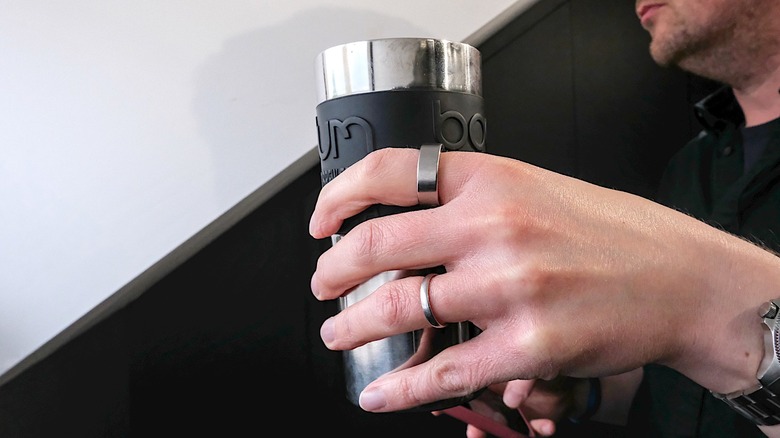
However, the question remains: is this enough to disrupt the market leader? The Oura Ring 4 remains the most elegantly designed and user-friendly option on the market. Yet, for those who value longevity, a robust charging ecosystem, and a lack of recurring monthly fees, the Ultrahuman Ring Pro offers a compelling, sophisticated, and technically sound alternative. We are no longer in the era of early adoption for smart rings; we are in the era of refinement, and the Ring Pro is currently leading the pack in that specific race.