As the global economy continues its relentless expansion, the parallel demand for energy has historically been viewed as an unbreakable tether. For decades, industrial growth was synonymous with surging power consumption. However, the modern American landscape tells a different story—one of "decoupling," where economic prosperity no longer necessitates a linear increase in energy usage. This shift toward energy efficiency is not merely a technological triumph; it is a fundamental restructuring of how the United States operates.
The Core Mandate: Balancing Growth and Consumption
Energy is the lifeblood of the modern world. From the micro-scale of our personal devices to the macro-scale of global supply chains, every facet of contemporary existence—heating, cooling, transportation, and industrial production—relies on a steady stream of power. As the population grows and living standards rise, the traditional model suggested that energy production must keep pace through sheer volume.
However, the contemporary approach has pivoted toward efficiency. By producing more economic output from the same or fewer energy inputs, the U.S. has unlocked significant macroeconomic benefits. When businesses and consumers optimize their energy use, the resulting reduction in demand exerts downward pressure on prices, making the economy more resilient to market volatility.
Chronology of a Shift: From Heavy Industry to High-Tech
The transformation of the U.S. energy landscape has been a multi-generational evolution.
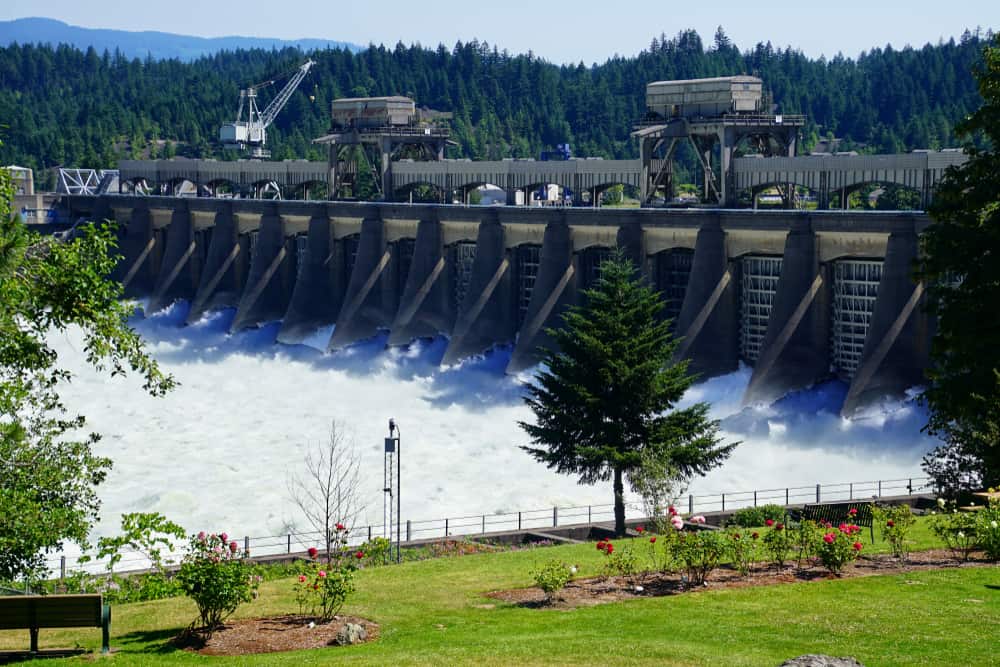
Mid-20th Century: The Industrial Peak
Post-World War II, the U.S. economy was defined by heavy manufacturing and resource-intensive industry. Energy consumption tracked perfectly with the expansion of the Gross Domestic Product (GDP). Efficiency was secondary to sheer throughput.
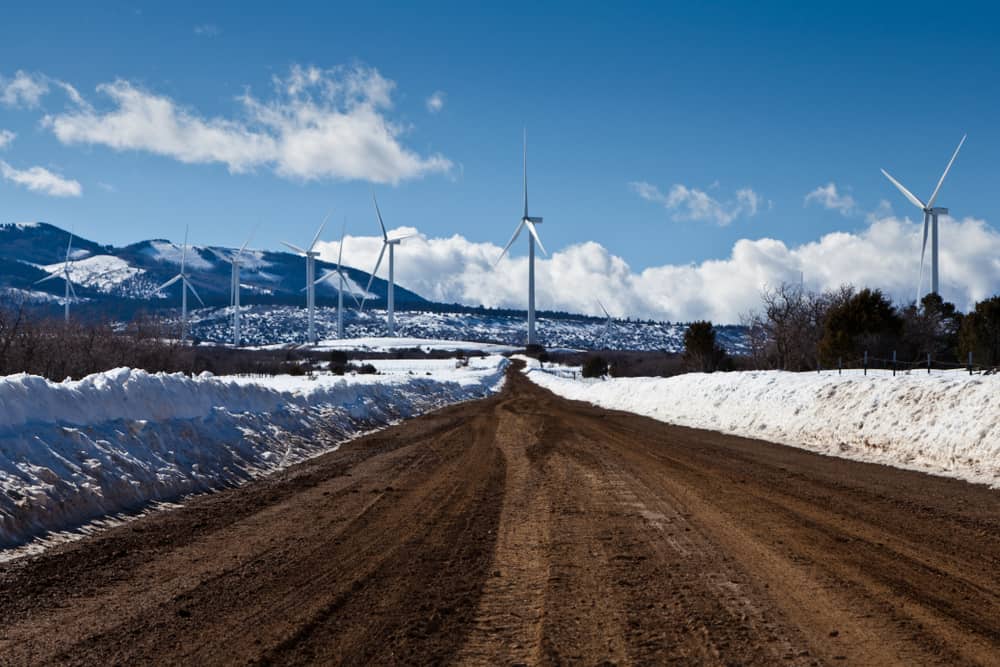
1970s–1980s: The Catalyst of Scarcity
Global oil shocks and a growing awareness of environmental externalities prompted the first major wave of energy-conscious legislation. The establishment of stricter building codes and the initial push for fuel-efficient vehicles began to put a dent in the previously unchecked growth of energy demand.

1990s–2000s: The Information Age Transition
A significant factor in the long-term decline of energy intensity has been the structural shift of the U.S. economy. As the nation moved away from energy-intensive manufacturing toward a service-based and technology-driven economy, the "energy cost per dollar of output" plummeted. Digital services, finance, and software require significantly less raw energy input than smelting steel or heavy chemical production.
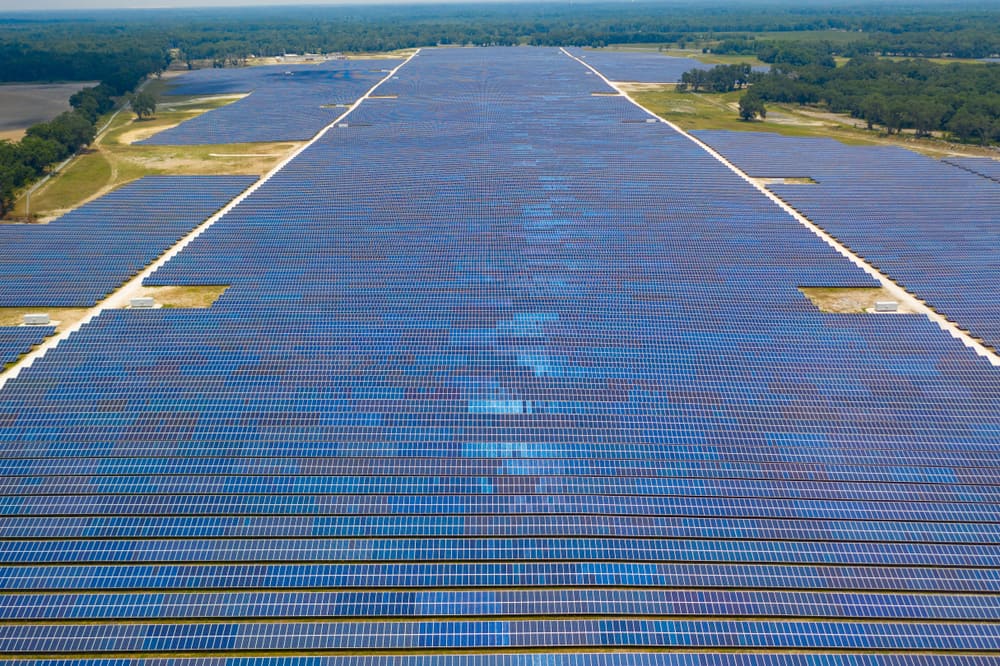
2010s to Present: The Era of Renewables and Decoupling
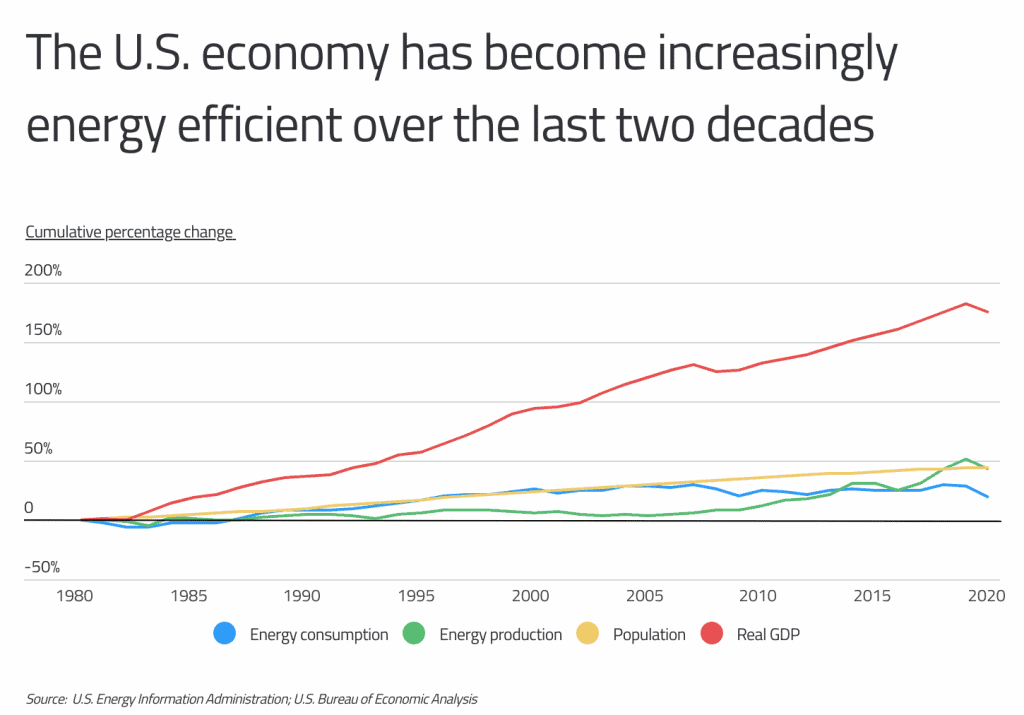
In recent years, the U.S. has reached a unique inflection point. Since the mid-2000s, total energy consumption has begun to flatten or decline, even as the population continues to grow and GDP reaches record highs. This is the "Great Decoupling"—proof that a modern economy can thrive while curbing its appetite for energy.
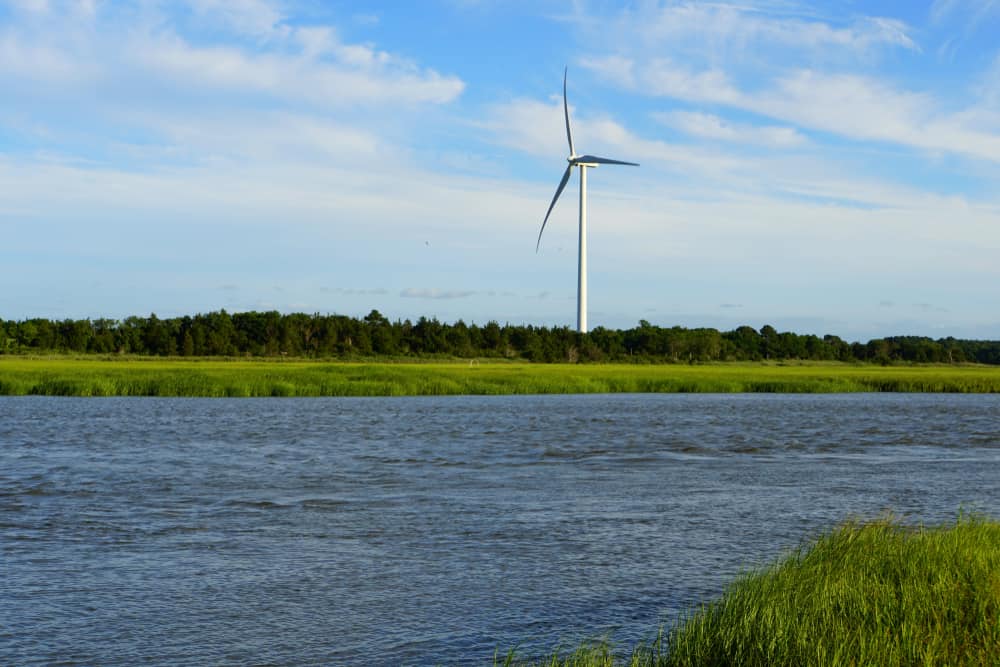
Supporting Data: The Efficiency Gap
The data provided by the U.S. Energy Information Administration (EIA) paints a striking picture of this progress. Since 1950, the amount of energy consumed relative to the nation’s GDP has decreased by 58%.
This downward trend is fueled by three primary drivers:
- Technological Innovation: Modern appliances, LED lighting, and high-efficiency HVAC systems have drastically reduced the "base load" required to sustain a household.
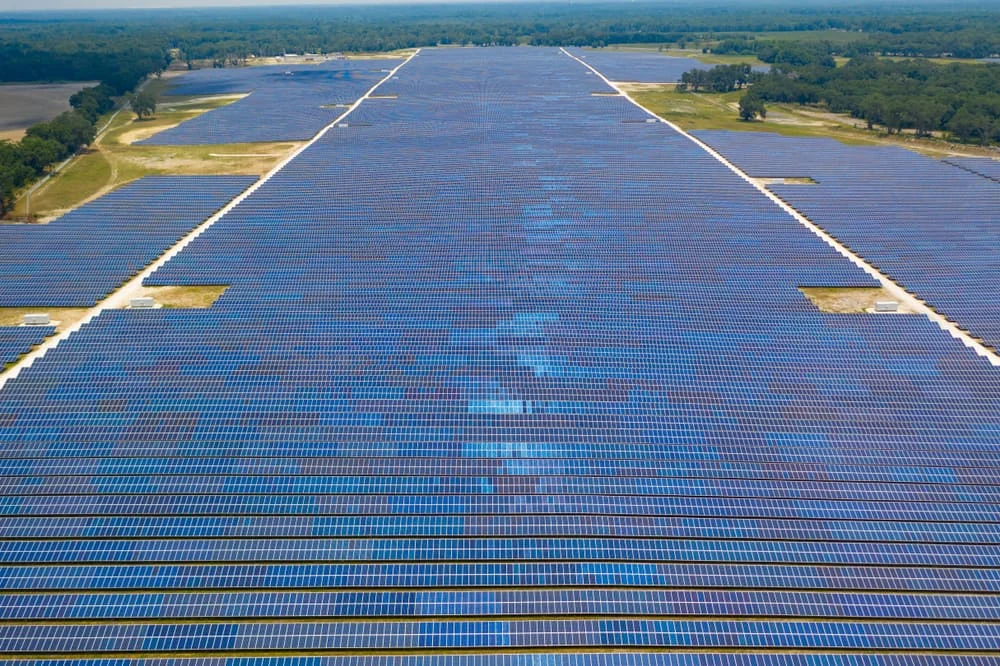
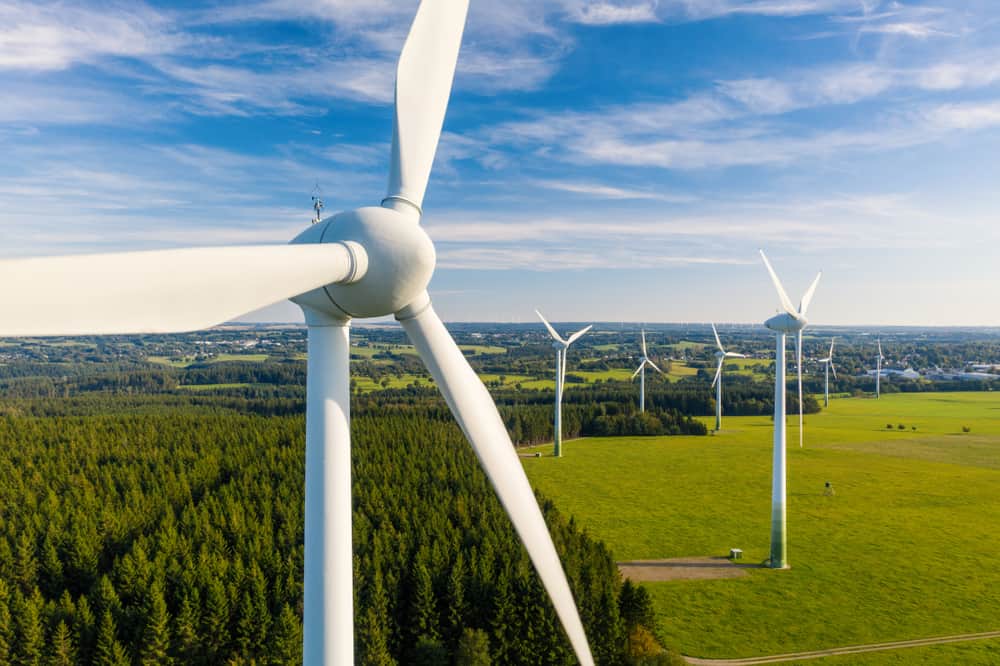
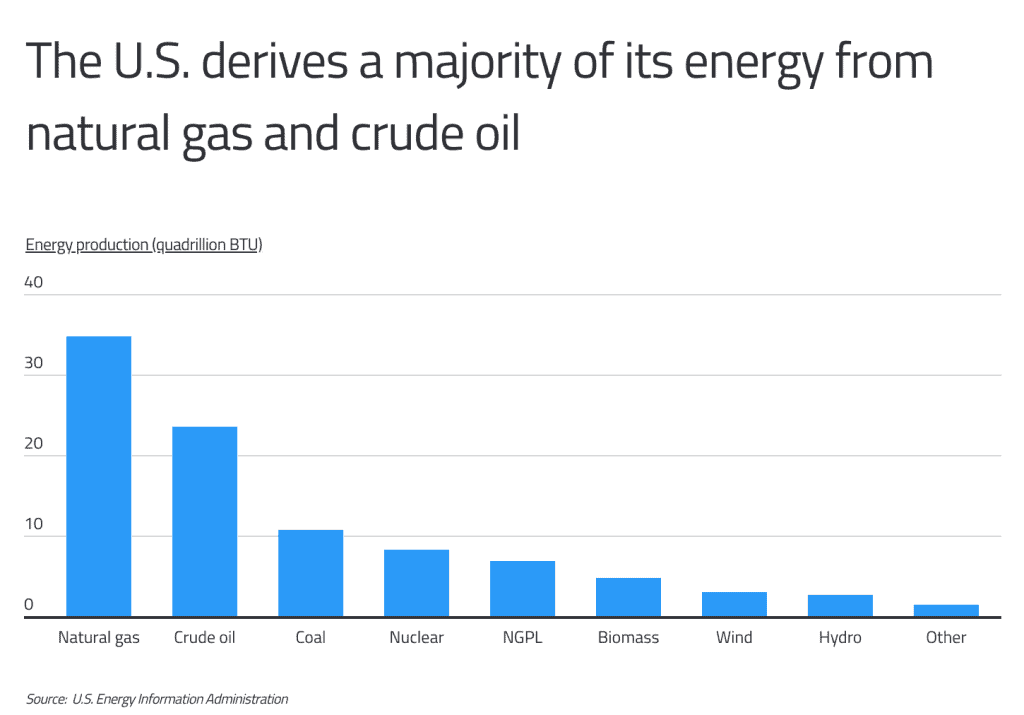
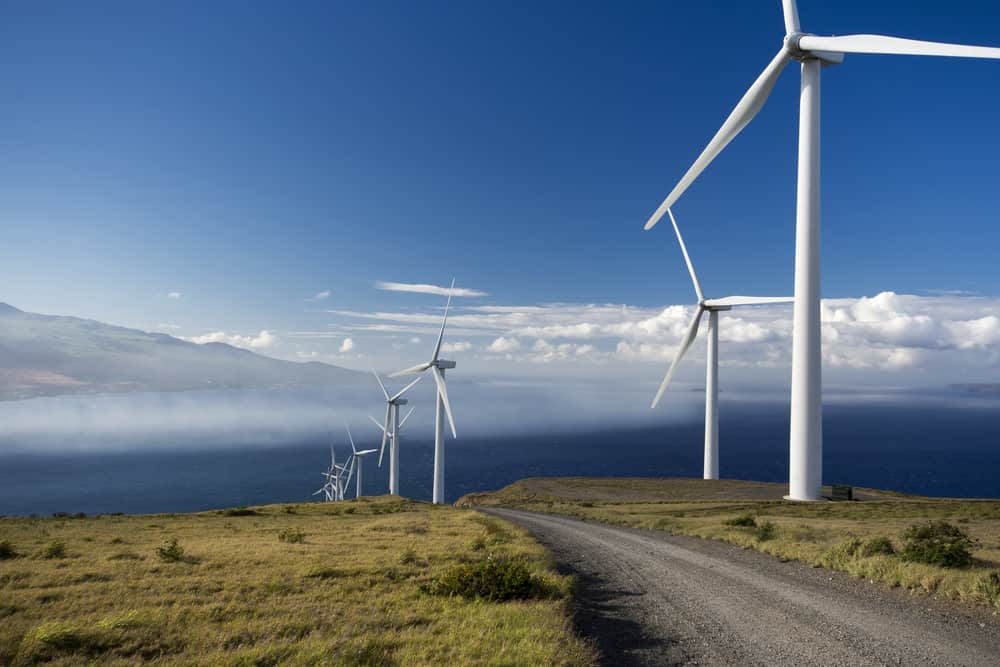
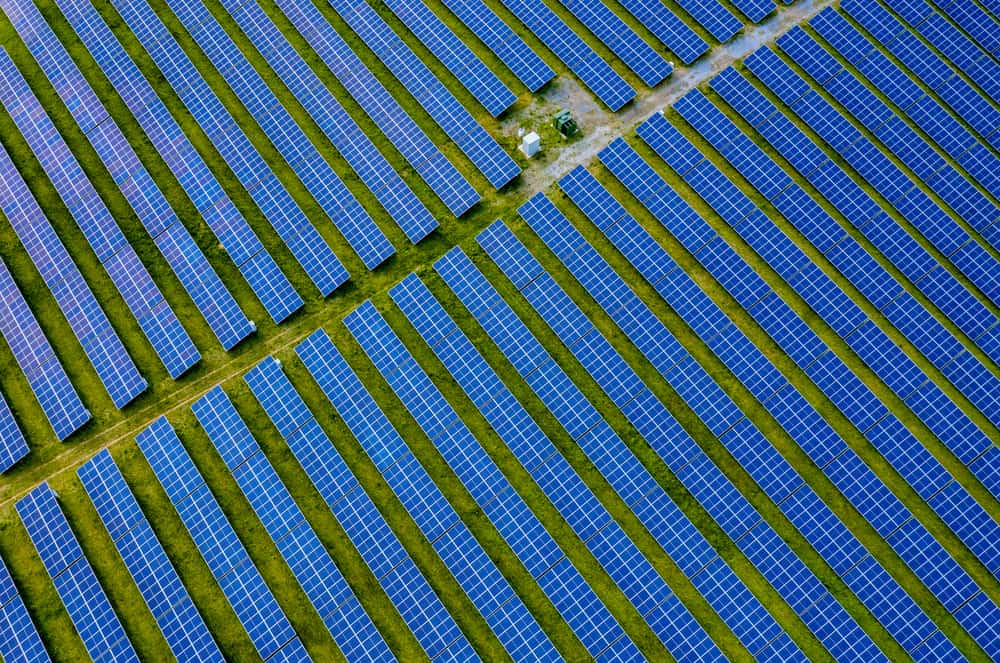
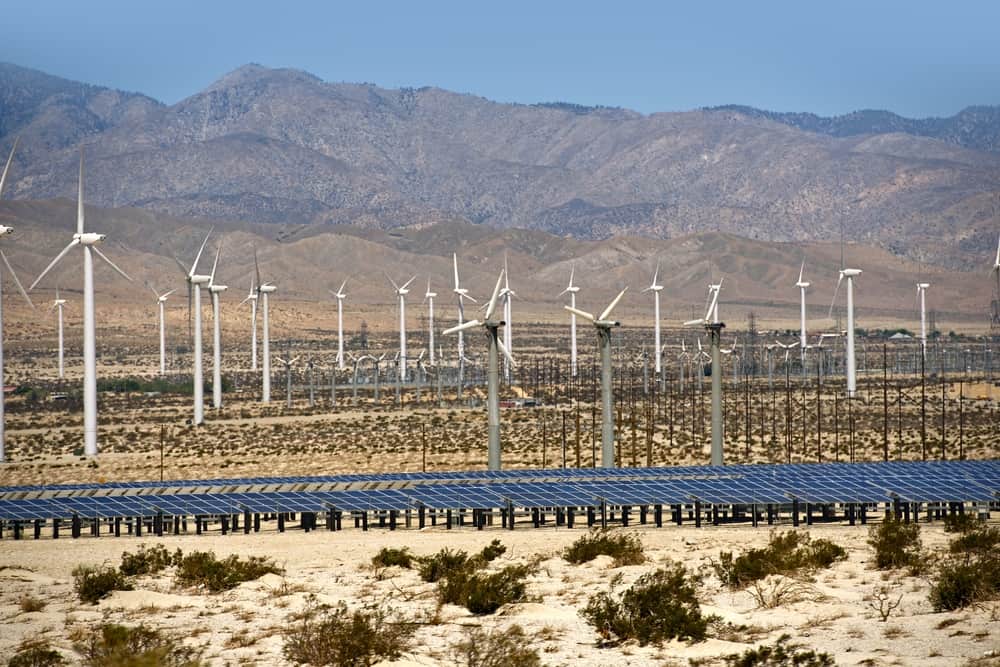
- Fuel Switching: The U.S. is systematically moving away from coal—a highly inefficient and polluting source—toward natural gas. Simultaneously, the rapid scaling of wind, solar, and other renewable sources is fundamentally altering the grid’s composition.
- Regulatory Frameworks: Programs such as LEED (Leadership in Energy and Environmental Design) and the federal ENERGY STAR program have set high bars for performance, forcing manufacturers and developers to prioritize efficiency to remain competitive.
Official Perspectives and Policy Drivers
The push for efficiency is not solely a market-driven phenomenon; it is heavily bolstered by state and federal policy. Energy Efficiency Resource Standards (EERS) have become a bedrock for utility regulation, mandating that providers help their customers use less energy rather than simply selling more.
Government agencies argue that efficiency is the "first fuel." By reducing the amount of energy wasted during transmission and generation, utilities save billions on infrastructure costs. Environmental agencies further emphasize that efficiency is the fastest way to lower greenhouse gas emissions; every kilowatt of energy saved is a kilowatt that does not need to be generated by burning fossil fuels, thereby requiring less water and reducing environmental degradation.

The Geography of Efficiency: State-Level Leaders
While the national trend is positive, the rate of adoption varies by region. States like New York, Massachusetts, and California consistently lead the nation in energy efficiency. These states generally share three common traits:
- Stringent Standards: They maintain rigorous building codes and appliance standards that go beyond federal minimums.
- Economic Composition: These states have deeply integrated service and technology sectors, which are inherently less energy-intensive.
- Urban Density: Denser urban centers, such as those found in the Northeast and California, promote public transit and multi-family housing, both of which are significantly more energy-efficient than suburban or rural living.
Top 15 Most Energy-Efficient States
- New York
- Massachusetts
- Connecticut
- California
- Rhode Island
- Maryland
- New Jersey
- Hawaii
- Washington
- New Hampshire
- Delaware
- Florida
- Vermont
- Colorado
- Oregon
Implications: The Road Ahead
The implications of this transition are profound. For investors and businesses, the move toward energy efficiency is a signal of where the "smart money" is headed. As the cost of renewable energy technologies continues to fall, the reliance on legacy, inefficient fossil fuels is expected to wane further.

However, challenges remain. Decoupling does not mean the end of energy demand; it simply changes the nature of that demand. As the country moves toward the electrification of the transport sector (EVs), the demand on the electrical grid will increase, requiring even more sophisticated management, smart-grid technology, and energy storage solutions.
Furthermore, the "rebound effect"—a phenomenon where improvements in efficiency lead to lower costs, which in turn leads to increased usage—remains a concern for policy makers. To ensure that the U.S. continues to improve its energy intensity, the focus must remain on systemic efficiency rather than just the efficiency of individual devices.

Conclusion
The evolution of the American economy from an energy-guzzling industrial machine to an efficient, service-oriented powerhouse is one of the most successful, albeit quiet, stories of the last century. By decoupling economic growth from energy consumption, the United States has demonstrated that sustainability and prosperity are not mutually exclusive. As we look toward the future, the continued refinement of this efficiency—bolstered by policy, innovation, and shifting consumer behavior—will be the defining factor in maintaining American economic competitiveness in a resource-conscious world.

For the average citizen, this shift means that the path to a greener future is already being paved by the simple act of choosing efficiency, whether through updated building standards, more sustainable technology, or supporting state-level policies that prioritize long-term, low-carbon growth. The era of unchecked energy expansion is over; the era of intelligent, efficient power is here.