In the wake of a rapidly evolving global labor market, the traditional "9-to-5" office-bound paradigm is no longer the default. As businesses grapple with the dual challenges of talent retention and operational efficiency, flexible work models have emerged not merely as a perk, but as a fundamental pillar of modern organizational strategy. Whether through hybrid arrangements, compressed workweeks, or results-only environments, companies are redefining the intersection of time, location, and productivity.
However, true flexibility is not an absence of structure; it is a sophisticated reconfiguration of it. This guide explores the mechanics of flexible work, the data driving these shifts, and the operational imperatives for leaders tasked with turning policy into sustainable practice.
The Evolution of the Workplace: Core Facts
Flexible work models grant teams and individuals greater autonomy over the "where," "when," and "how" of their professional contributions. While the potential benefits—such as increased talent pools and enhanced employee wellbeing—are well-documented, they are not guaranteed.
The success of any flexible model hinges on four non-negotiable design elements:
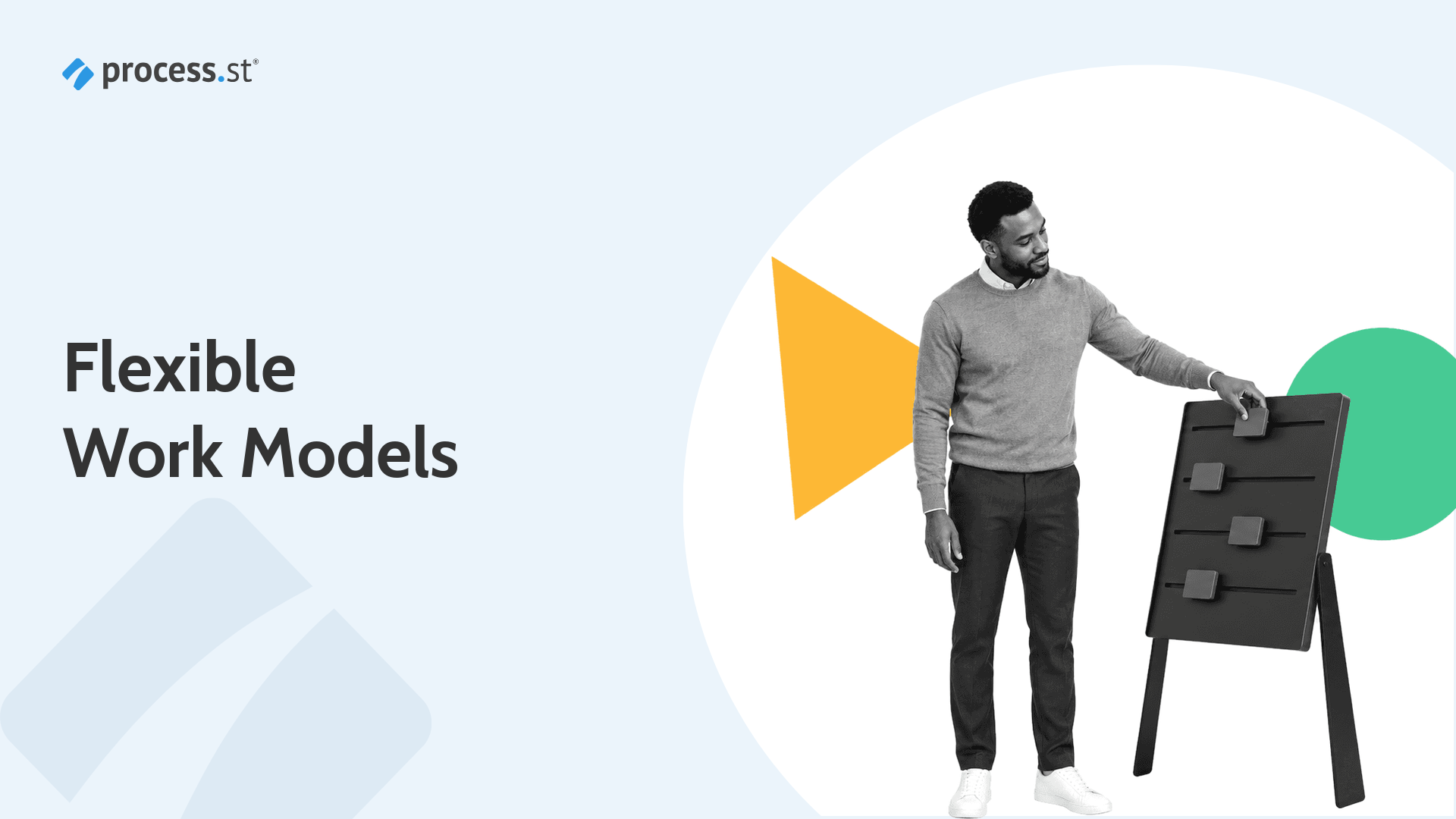
- Coverage: Ensuring customer and internal service level agreements (SLAs) are met.
- Security: Protecting data and systems in decentralized environments.
- Communication: Replacing physical proximity with deliberate, intentional connection.
- Measurable Outcomes: Shifting from "time-spent" metrics to performance-based KPIs.
A Chronology of the Shift
The transition toward flexible work has accelerated in phases. Before 2020, flexibility was often viewed as a niche offering for specific roles or senior staff. The global pandemic served as a catalyst, forcing a forced-experiment phase where the feasibility of remote work was proven at scale.
Between 2024 and 2025, the narrative shifted from "emergency remote work" to "strategic flexible operations." Organizations moved beyond the simple binary of "remote vs. office," entering a period of experimentation with structured hybrid schedules, asynchronous workflows, and results-oriented management. Currently, we are in the "Optimization Phase," where businesses are using platforms like Process Street to govern these arrangements, treating them as repeatable, scalable operating processes rather than temporary deviations from the norm.
Supporting Data: Why Design Matters
The business case for flexible work is robust, provided it is rooted in data rather than sentiment. According to the US Bureau of Labor Statistics, as of 2024–2025, 57% of wage and salary workers have the ability to vary their start and end times.
Gallup data confirms that hybrid work remains the dominant preference for remote-capable employees. Yet, the data also provides a cautionary note: flexibility is not a self-executing productivity boost. In a landmark randomized controlled trial published in Nature, researchers found that a two-day hybrid schedule significantly reduced quit rates—by one-third—without any measurable decline in performance. This proves that with precise management, companies can improve retention without sacrificing output.
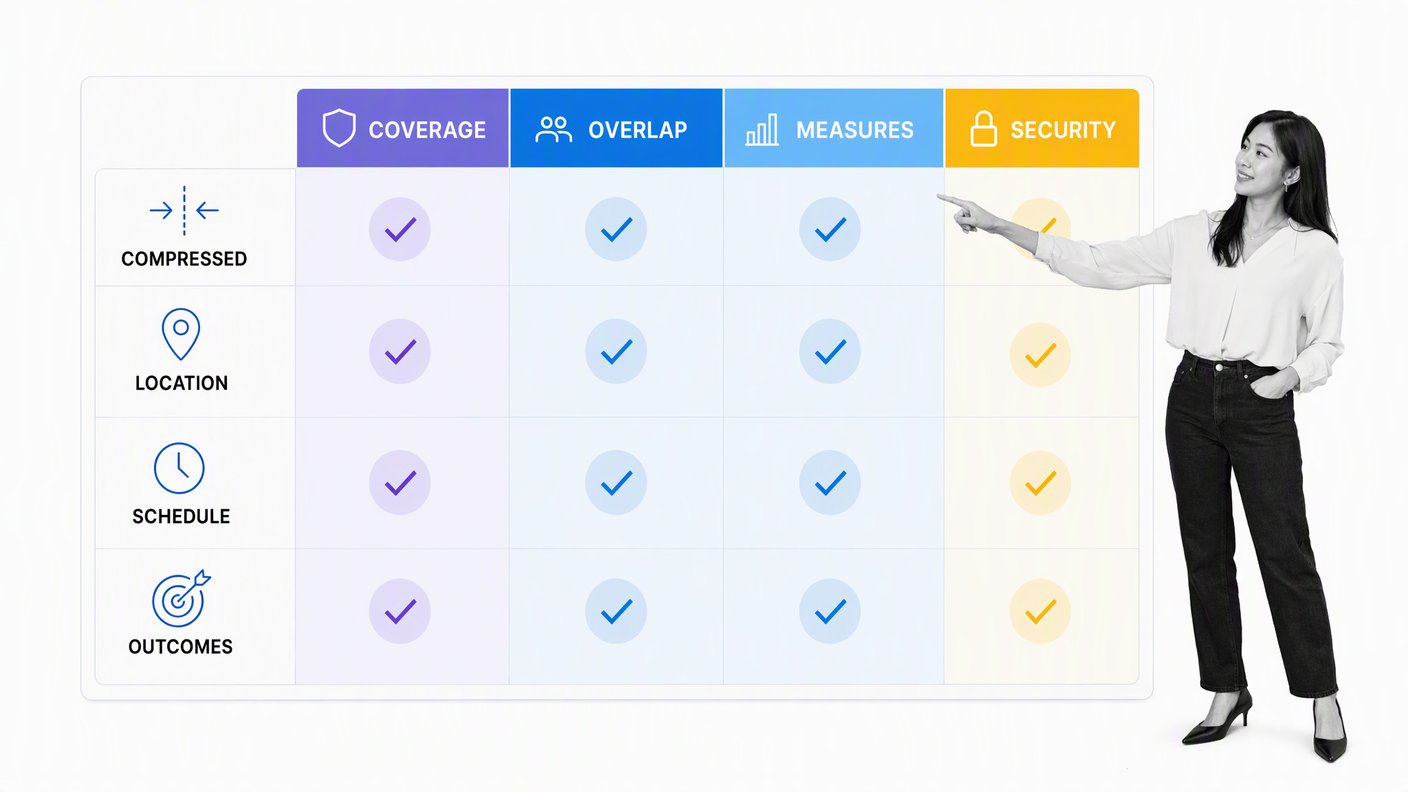
Primary Flexible Work Models
1. The Compressed Workweek
Often the most debated model, the compressed workweek typically follows a "4×10" schedule—working 10-hour days for four days to secure a three-day weekend. While popular with employees, it requires careful coordination to ensure coverage. Critics argue that 10-hour days lead to diminished returns on productivity, while proponents point to the superior recovery time of a three-day weekend. The alternative—a 32-hour workweek—presents the challenge of maintaining 40-hour output quality in fewer hours, demanding a high degree of process efficiency.
2. Flexible Location (Remote Work)
This model detaches work from a physical office. Whether employees are working from home, a co-working space, or as "digital nomads," the core challenge remains the same: maintaining security and connectivity. Companies adopting this must invest in robust digital infrastructure and clear documentation to ensure that "flexible location" does not become "unreachable."
3. Flexible Schedules (Flextime)
Flextime allows employees to anchor their work around personal responsibilities, such as school pickups or caregiving. The advantage is a massive boost in employee morale and retention, but it requires teams to identify "core hours"—a window where everyone is online for meetings and collaboration—to prevent operational silos.
4. Results-Only Work Environment (ROWE)
ROWE represents the pinnacle of autonomous work. In this model, management ignores the clock entirely, focusing exclusively on outputs and KPIs. It requires a high-trust culture and a sophisticated data-tracking infrastructure. Managers must be skilled at defining "what" success looks like, as they can no longer rely on the visual proxy of "being at the desk" to judge dedication.
Additional Trends: Niche Retention Models
Beyond full-time flexibility, organizations are increasingly turning to creative arrangements to retain specialized talent:
- Job-sharing: Dividing one full-time role between two employees. This is an excellent way to retain senior staff who need to reduce their hours while ensuring continuity.
- Sabbaticals: Offering extended, partially paid leave allows employees to recharge or pursue personal growth, often resulting in increased loyalty and a fresh infusion of ideas upon their return.
- Phased Retirement: By slowly reducing the hours of senior employees, companies retain institutional knowledge while facilitating a smooth handover to the next generation of leadership.
Implications and Risk Management
Adopting flexibility introduces specific risks that leadership must mitigate:
The Pros
- Increased Productivity: When employees control their environment, focus often improves.
- Reduced Turnover: Flexibility is a top-tier benefit that lowers recruitment and training costs.
- Talent Attraction: In a competitive market, a rigid office policy is a significant disadvantage.
The Cons
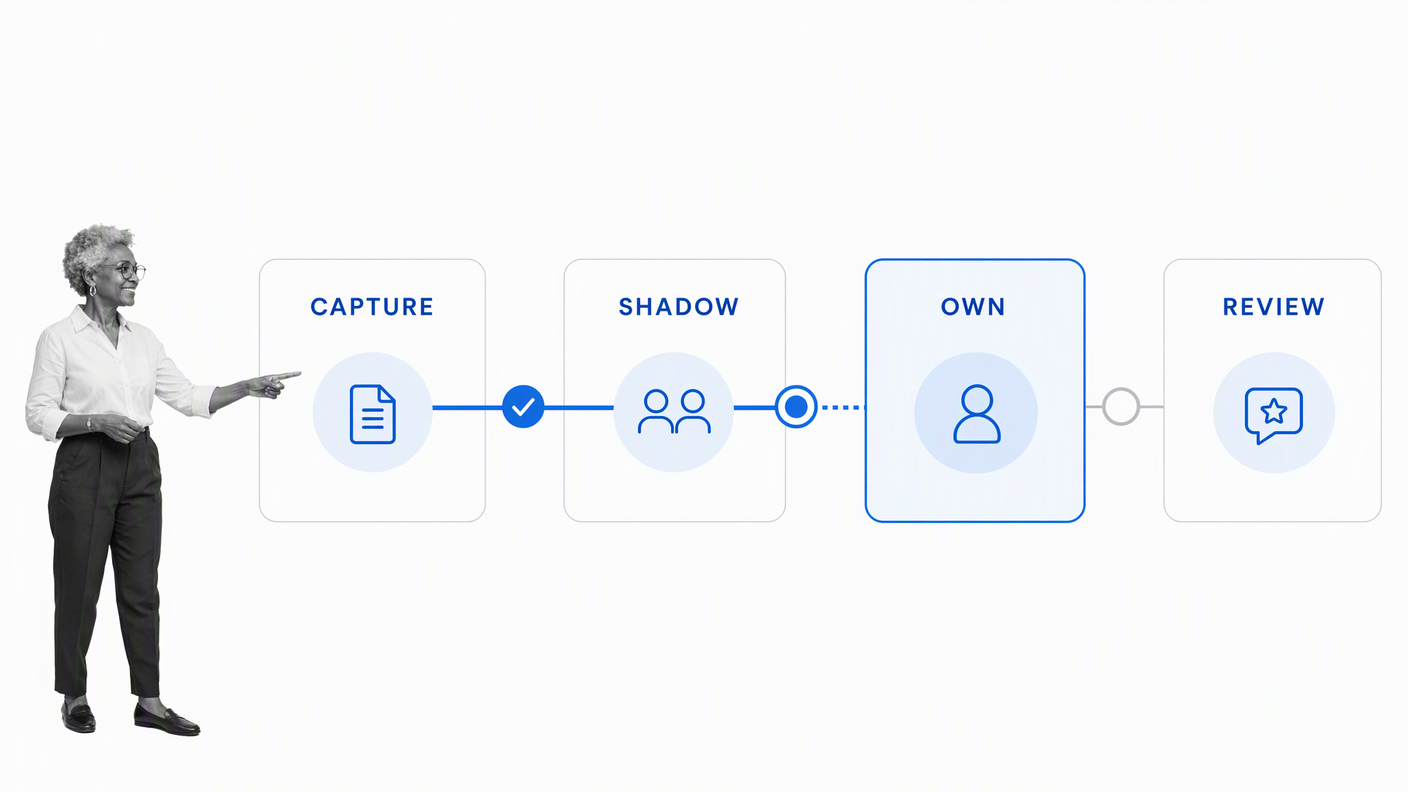
- Unclear Ownership: Without strict processes, tasks can fall through the cracks when managers cannot "see" the work.
- Burnout: The "always-on" culture can lead to exhaustion if boundaries are not enforced.
- Security Vulnerabilities: Decentralized work requires strict data classification and device management protocols.
Best Practices for Implementation
Treating flexible work as an operating-model change rather than a casual perk is the key to success.
1. Map the Work
Review your current processes. Identify which tasks truly require physical presence, synchronous collaboration, or high-security access. Separate these from tasks that are currently tied to the office merely by habit or tradition.
2. Define the "Rules of Engagement"
Establish clear expectations regarding availability. Use asynchronous tools for status updates and reserve meetings for complex decision-making. Documentation is the backbone of a flexible team; every process should be codified so that no information is lost when a team member is offline.
3. Run a Measured Pilot
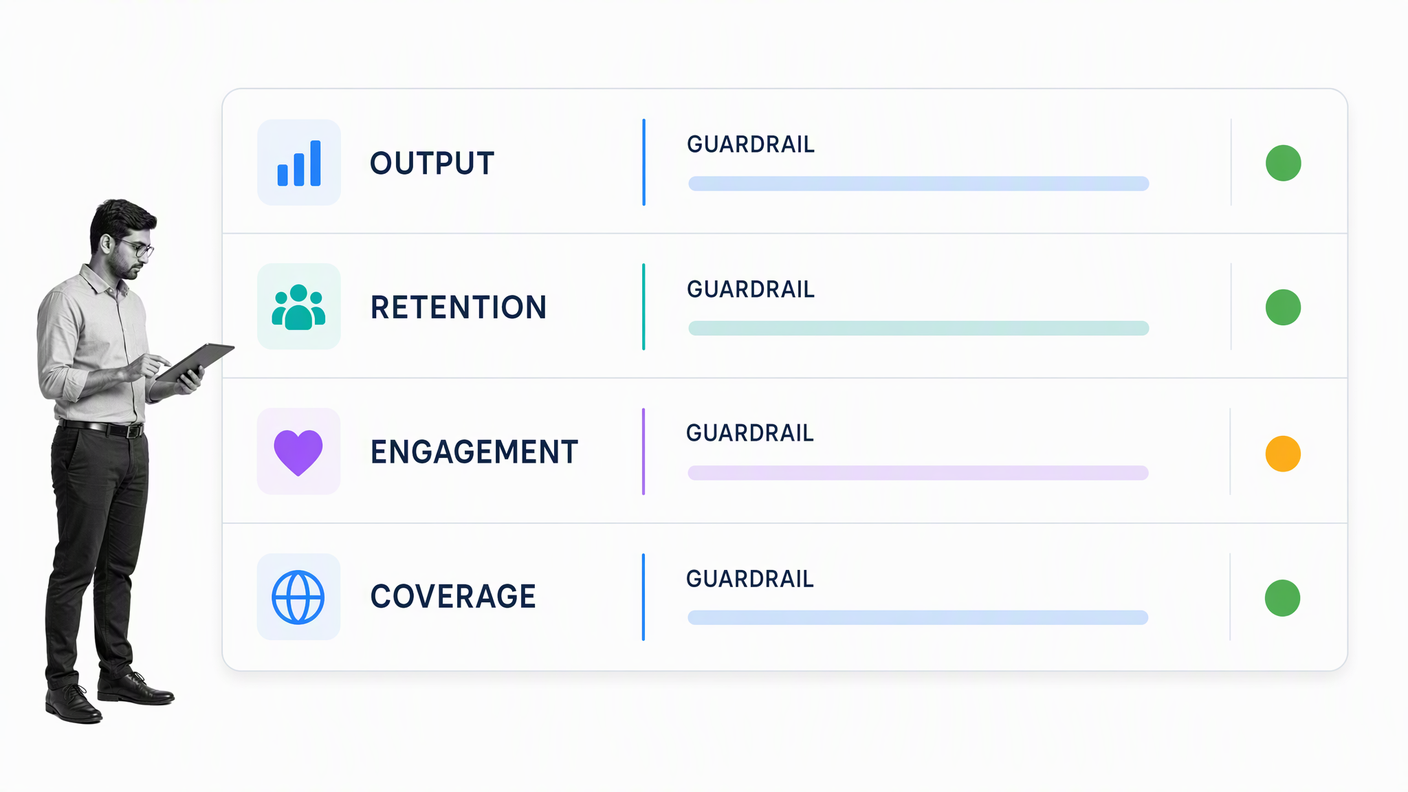
Do not roll out a new model company-wide without testing. Select a pilot group, set a fixed review date, and define your success metrics—retention, cycle time, customer feedback, and security incidents. Use this data to iterate on the policy before a wider rollout.
4. Leverage Compliance Operations Platforms
Governing a flexible policy requires more than a memo. Platforms like Process Street allow managers to turn flexible work policies into automated workflows. By building these into a platform, you ensure that every request, equipment check, and security protocol is followed consistently, providing the structure needed for true freedom.
Conclusion: The Path Forward
The best flexible work model is not the one with the fewest rules, but the one that empowers employees to deliver their best work while keeping the business secure and customer-focused. As the workplace continues to shift, the companies that succeed will be those that view flexibility as a rigorous, data-driven operational strategy. By codifying these models, leveraging the right technology, and maintaining an unwavering focus on outcomes, leaders can build a resilient, engaged, and high-performing workforce for the future.