
In the modern landscape of distributed work, the "office" is no longer a physical location—it is a digital ecosystem. For organizations transitioning to or expanding their remote workforces, the onboarding process has become the single most critical touchpoint for long-term success. Remote onboarding is far more than a digital orientation; it is a strategic maneuver that can either accelerate a new hire’s productivity or leave them adrift in a sea of documentation and disconnected workflows.
When every new hire knows exactly what to do, who owns each milestone, and where to seek guidance, productivity skyrockets. Conversely, without a rigorous, structured onboarding framework, remote employees often spend their first weeks—or months—waiting for software access, scouring disorganized wikis, and guessing at the metrics of success. To build a high-performing remote culture, organizations must move beyond manual checklists and adopt repeatable, automated workflows that foster connection, clarity, and retention.
The Strategic Imperative: Why Onboarding Defines the Employee Lifecycle
Onboarding is the process of integrating new hires into an organization’s operational fabric and cultural DNA. While often viewed as a "welcome" phase, it must be treated as a continuous developmental process that bridges the gap between a signed offer letter and long-term engagement.
The Correlation Between Onboarding and Retention
The onboarding experience serves as the initial "proof of concept" for the employee. It establishes the tone for their entire tenure. If the process is fragmented or chaotic, it signals a lack of organizational maturity, leaving new hires questioning their decision to join.
Statistical evidence underscores this risk: research indicates that nearly 50% of employees may exit an organization within their first month due to a poor onboarding experience. Conversely, a high-quality, structured program can increase retention rates by as much as 18 times. When executed with precision, remote onboarding becomes the foundation for professional growth, cultural alignment, and sustained loyalty.
Chronology of an Effective Remote Onboarding Framework
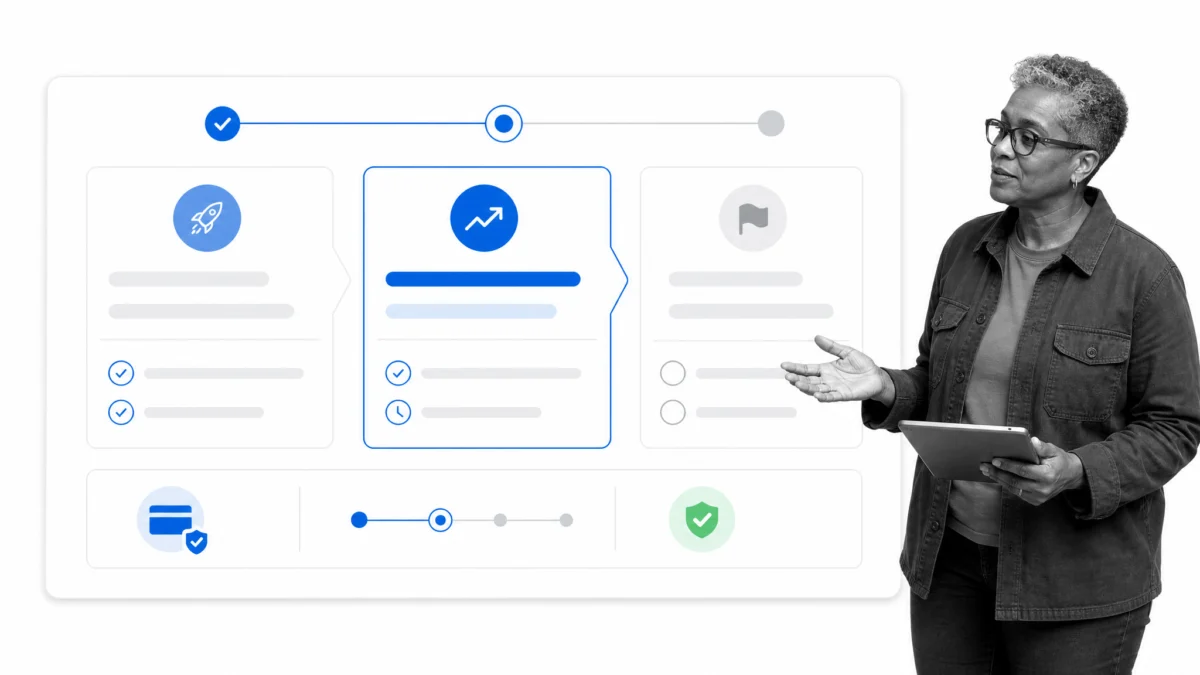
A successful onboarding strategy is not a singular event occurring on the first day; it is a phased journey that spans from the moment of offer acceptance through the first ninety days of employment.
Phase 1: Pre-boarding (The "Bridge" Period)
The period between signing an offer and the start date is the most vulnerable time for "ghosting." To prevent this, HR teams must initiate the "Pre-boarding" phase immediately. This involves sending equipment, providing access to internal communication channels, and sharing a "Welcome Guide" that outlines what the first week will look like. By keeping the hire engaged before they officially start, the company reinforces the candidate’s choice and builds anticipation.
Phase 2: The First Day (The "Logistics" Phase)
The first day should be focused on access and comfort, not information overload. New hires need their hardware, credentials, and a clear, low-pressure schedule. This phase is about removing friction—ensuring they aren’t stuck waiting for IT to provision their accounts.
Phase 3: The First Week (The "Integration" Phase)
During the first week, the focus shifts to role-specific training and social integration. The employee should be introduced to their core team, assigned a mentor, and begin their initial project tasks.

Phase 4: The First Month (The "Performance" Phase)
By the end of the first month, the employee should be fully autonomous in their core daily functions. Regular check-ins should pivot from "how are you settling in?" to "what roadblocks are preventing you from hitting your performance targets?"
10 Best Practices for Elite Remote Onboarding
To build a repeatable and scalable onboarding system, organizations should adhere to these ten pillars:
1. Follow a Structured, Documented Plan
Consistency is the enemy of anxiety. By using a documented process, you ensure that every hire, regardless of geography, receives the same high-quality experience. This also allows for data-driven iteration; if a specific step in the process consistently causes confusion, it can be identified and corrected.
2. Start Before Day One
Pre-boarding is a critical retention strategy. Use this time to send company swag, share team introductions, and finalize paperwork. This transforms the wait time from a period of uncertainty into a period of professional transition.
3. Set Crystal-Clear Expectations
Remote workers cannot rely on "osmosis" to learn their roles. Management must provide detailed, written expectations regarding deliverables, KPIs, and communication protocols. Avoid the temptation to micromanage; instead, provide the structure and then allow the employee the autonomy to execute.
4. Foster Intentional Connections
In an office, culture is built at the coffee machine. In a remote environment, connection must be designed. Encourage virtual coffee chats, implement "buddy" systems, and prioritize video-on team meetings during the first two weeks to facilitate social bonding.
5. Establish a Robust Mentoring Program
Assigning a peer mentor—separate from the manager—provides the new hire with a "safe space" to ask questions they might feel embarrassed to bring to their boss. Mentors help with the "unspoken" rules of the company, significantly accelerating cultural assimilation.
6. Curate Role-Specific Training
Generic orientation slide decks are rarely effective. Training should be hyper-focused on the specific skills and tools required for the new role. Use video tutorials, interactive walkthroughs, and hands-on sandbox environments to make learning active rather than passive.
7. Communicate Company Culture Explicitly
Remote employees often feel dissociated from the "vibe" of the office. Leaders must be intentional about documenting company values, mission, and history. Share stories of company successes and failures to provide context for the organization’s current direction.

8. Invest in Manager Training
A process is only as good as the person executing it. Managers must be trained on how to lead remotely. They should understand how to conduct effective one-on-ones, provide constructive asynchronous feedback, and recognize the signs of burnout or disengagement early.
9. Implement Rhythmic Check-ins
Remote work can be isolating. Regular, scheduled check-ins provide a safety net. During these sessions, the focus should remain on removing obstacles. Managers should ask, "What is one thing I can do to make your work easier this week?"
10. Leverage Specialized Onboarding Software
Static checklists in spreadsheets are insufficient for modern compliance and scale. Organizations should utilize specialized software, such as Process Street, to automate the onboarding lifecycle. By turning onboarding into a dynamic, triggered workflow, HR teams can ensure that every step—from IT provisioning to benefits enrollment—is tracked, completed, and audited.
The Role of Technology: Scaling Human Connection
As organizations grow, manual processes become the primary point of failure. Modern Compliance Operations Platforms, like Process Street, allow companies to codify their onboarding policies into automated workflows.
These platforms provide:
- Role Assignments: Ensuring the right people are notified for specific tasks.
- Stop Tasks: Preventing the workflow from progressing until critical compliance or security steps are met.
- Conditional Logic: Automatically adjusting the onboarding path based on the employee’s role, department, or location.
- AI Compliance Agents: Tools like Cora can monitor the health of the onboarding process, spotting bottlenecks in real-time and suggesting improvements based on historical performance data.
By automating the "administrative heavy lifting," managers are freed to focus on what matters most: building human relationships and coaching their team members.
Implications for the Future of Work
The shift to remote and hybrid models is permanent. Organizations that treat onboarding as a secondary administrative task will struggle with churn and talent acquisition. Conversely, companies that view onboarding as a high-stakes, strategic pillar will find themselves with a competitive advantage.
When a new hire feels seen, supported, and clearly directed from the moment they sign their contract, they are not just "onboarded"—they are empowered. They transition from an outsider to a contributor at an accelerated rate, and their commitment to the organization deepens.
Ultimately, the goal of remote onboarding is to create a seamless bridge between the promise of a job offer and the reality of a fulfilling career. By implementing a structured, technology-backed, and human-centric onboarding process, companies can turn their remote workforce into a cohesive, high-performing, and loyal team that is prepared for the challenges of tomorrow.